
3 Minutes
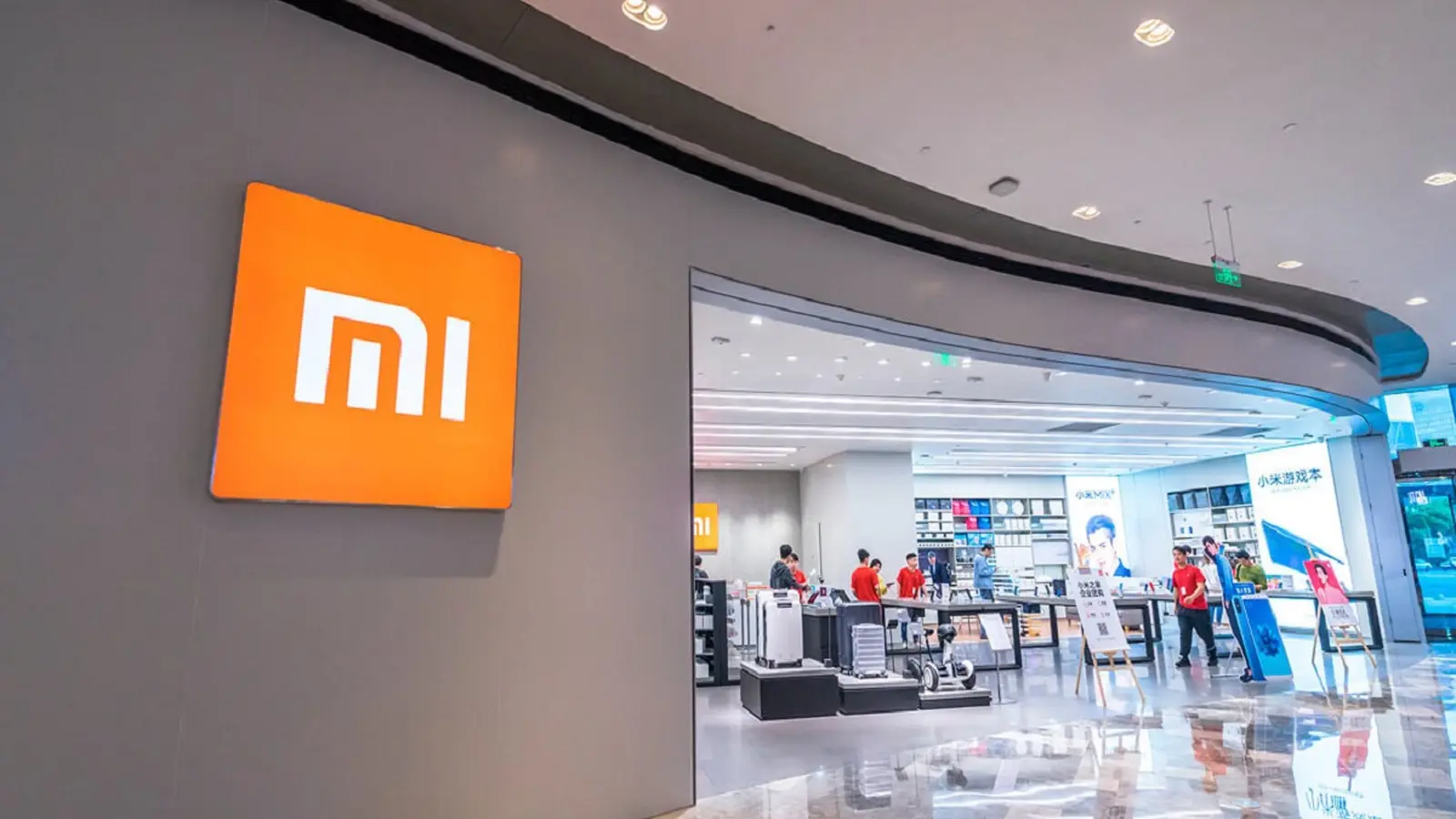
Xiaomi is reshaping its retail footprint in a decisive move away from rapid expansion toward a leaner, more profitable network. The company plans to evaluate and shut down more than 1,000 underperforming Xiaomi Home outlets across China in 2026, shifting resources to electric vehicles and higher-margin products.
Why the change matters
In an internal notice shared with dealers, Wang Xiaoyan, Senior Vice President of Xiaomi Group and President of Xiaomi China, said stores opened before January 1, 2025 will be assessed. Locations that meet Xiaomi’s dual criteria of low efficiency and recurring losses will be closed. To ease the transition, Xiaomi will absorb a one-time adjustment cost of 27.26 million yuan (about $3.8 million).
The aim is to curb partner losses and stabilize the retail ecosystem: Xiaomi estimates the move could cut annual partner losses by as much as 72.46 million yuan (roughly $10 million). It’s a trade-off—accepting near-term expense to eliminate chronic underperformance and improve long-term profitability.

What dealers need to know
Dealers that decide to keep operating stores flagged for closure will face tougher conditions. Starting January 1, 2026, Xiaomi will stop assigning store managers to those locations and will no longer cover staffing responsibilities. That shifts full operational risk and staffing costs to the partners who opt to stay open. For many dealers, that clarifies a difficult choice: accept Xiaomi’s help and close, or take on greater risk to continue.
Alongside closures, Xiaomi is streamlining its electric vehicle retail model. The company will move from a 1+2+11 staffing structure to a leaner 1+1+5 configuration, trimming labor overhead and sharpening store efficiency. The message is clear: prioritize scalable, higher-margin lines such as EVs and select smart devices.
For consumers and observers, this is not just a store-count story. It signals Xiaomi’s broader strategy to align retail investments with growth areas and to build a more sustainable, profit-focused retail network for the years ahead.
On the product front, Xiaomi continues to invest in AI: reports indicate the company is developing a new AI assistant called Mi Chat, suggesting parallel bets on software and services to complement hardware sales.
Will we see a ripple effect across other consumer brands? Possibly. As tight margins and channel competition persist, more manufacturers may follow a similar path—closing low-performing outlets while concentrating on experiences and segments that deliver better returns.
Source: gizmochina



Leave a Comment