

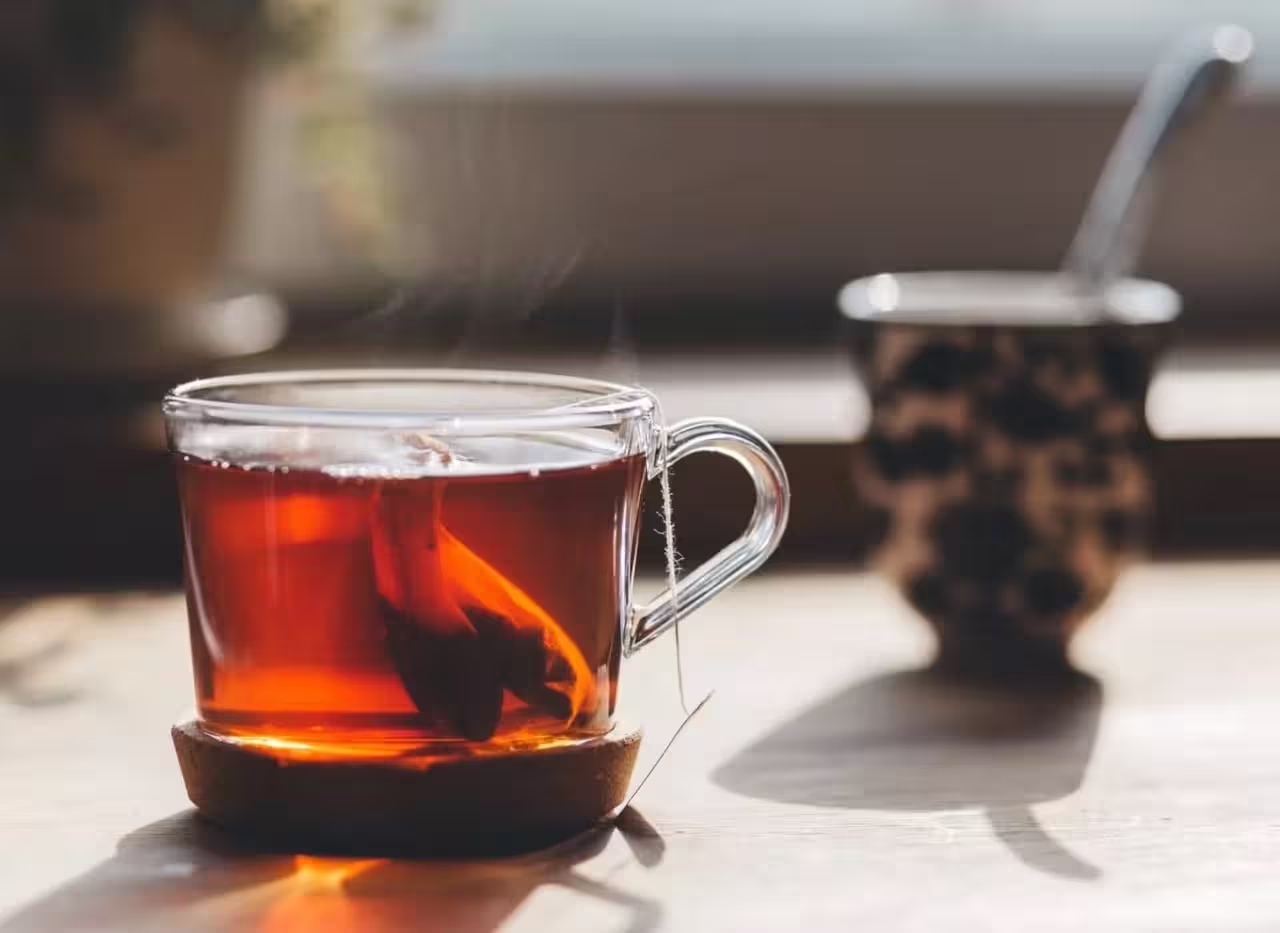
A long-term study from Flinders University suggests a simple daily habit—drinking tea—may help protect bone strength in older women. Researchers tracked nearly 10,000 women over a decade and found modest but meaningful differences in bone mineral density tied to tea consumption, with implications for osteoporosis risk and fracture prevention.
Study details and key findings
The research followed women aged 65 and older across a 10-year period, assessing hip and other bone mineral density (BMD) measurements. Published in the journal Nutrients, the analysis compared regular tea drinkers with non-tea drinkers and also examined coffee intake. On average, women who drank tea had higher hip BMD than those who did not.
Importantly, ordinary coffee consumption did not show a clear negative effect on bone density. However, drinking more than five cups of coffee per day was associated with lower BMD — suggesting that very high coffee intake may be detrimental to bone health. The study also identified interactions with lifestyle factors: women with a history of higher alcohol use experienced stronger negative associations with coffee, while tea appeared particularly protective in women with obesity.
Why small differences matter
Bone mineral density is a clinical measure used to estimate bone strength and fracture risk. Even relatively small increases in BMD can translate into fewer fractures at the population level, especially for hip fractures, which carry high morbidity and mortality in older adults. The authors stress that the observed benefits from tea are modest numerically but could have real public-health value when applied across thousands of people.
Possible mechanisms and scientific context
Tea contains bioactive compounds such as flavonoids and polyphenols that have been investigated for anti-inflammatory and antioxidant effects. These compounds may influence bone remodeling by affecting osteoblast (bone-building) and osteoclast (bone-resorbing) activity. While calcium and vitamin D remain foundational for bone health, dietary patterns and daily beverages can play a complementary role.
What the researchers recommend
Professor Enno Liu, one of the study's lead researchers, explained that "a daily cup of tea could be an easy, low-cost way to support bone health in later life." He cautioned against extreme lifestyle changes, noting the results do not mandate giving up coffee entirely or excess tea drinking. "Balance in beverage choices matters," Liu added, and emphasized the continuing importance of adequate calcium and vitamin D.
Practical takeaways
- Drinking tea daily is associated with slightly higher hip BMD in older women.
- Moderate coffee intake appears generally safe, but consuming more than five cups per day may reduce bone density.
- Alcohol consumption and obesity can modify how beverages affect bone health.
- Maintain calcium and vitamin D intake; consider tea as a complementary, not primary, strategy for bone health.
Further research is needed to clarify which types of tea (black, green, oolong) provide the greatest benefit and to establish causality. Nevertheless, for older adults seeking simple lifestyle adjustments to support skeletal health, swapping a cup of coffee for tea some days—or adding tea alongside a balanced diet—may be worth considering.

“The cosmos has always fascinated me. I write about space missions, astronomy, and the technologies pushing humanity beyond Earth.”

Discussion
Leave a Comment
Comments (2)
wow, never thought my afternoon cuppa could help bones! gonna swap one coffee day for tea maybe... 5 cups coffee tho? yikes. Not giving up espresso yet lol
Hmm, is this even causal? Ten years is solid but tea drinkers might also exercise, eat better, etc. Small BMD bumps are interesting, but need RCTs. Which tea though?