
3 Minutes
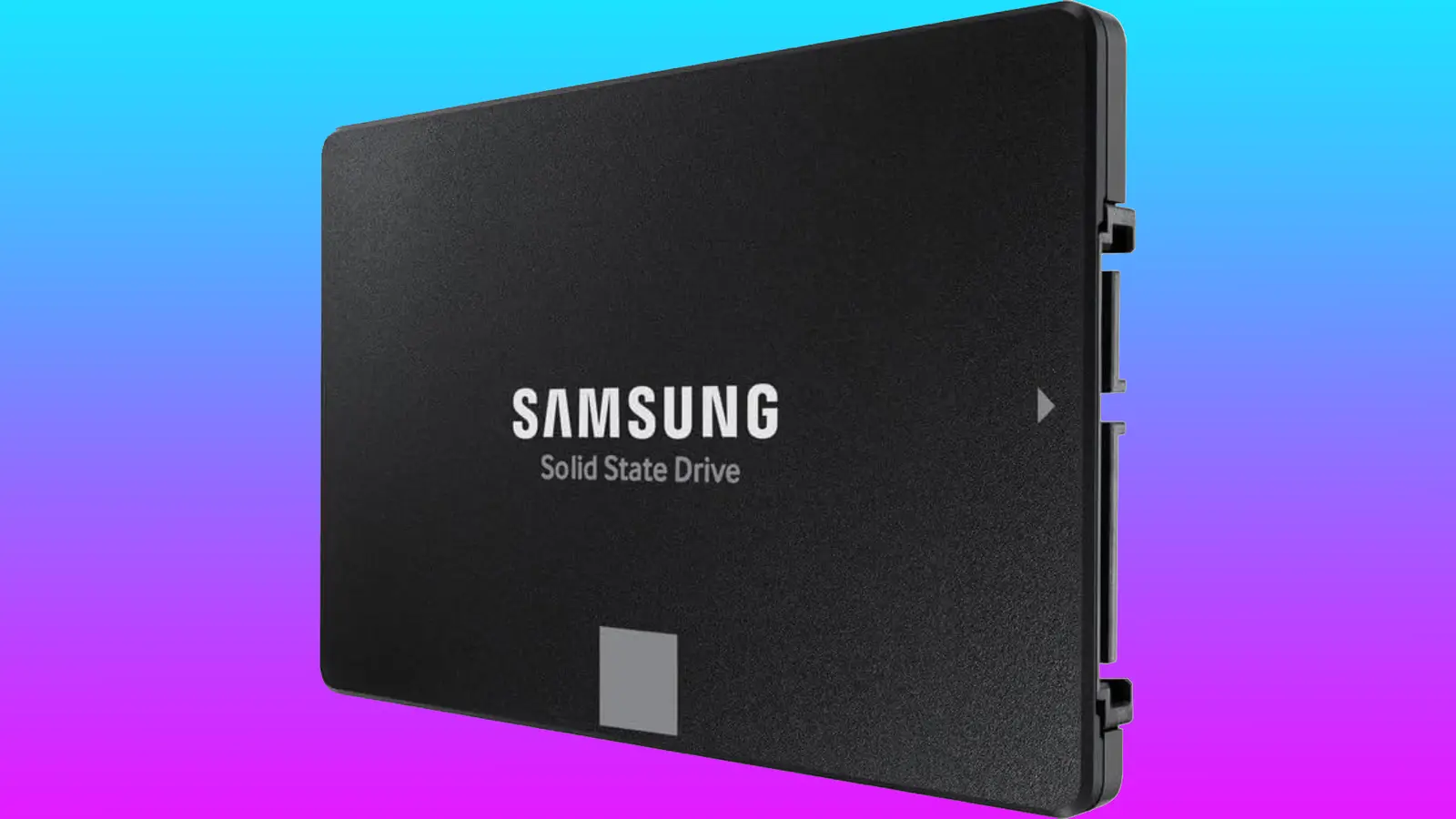
Samsung appears set to phase out production of SATA SSDs next year, a quiet shift that could ripple across the consumer storage market. Sources cited by YouTuber Moore's Law Is Dead say Samsung will finish existing contracts before stopping SATA drive manufacturing entirely.
Why this matters for buyers and the SSD market
At first glance, SATA drives look like legacy tech — NVMe has become the speed standard in new laptops and desktops, and enterprise setups favor SAS and PCIe solutions. Yet SATA SSDs remain everywhere: in budget PCs, as cost-effective upgrades for older machines, and in a large slice of retail listings. Samsung is not a fringe player; its finished SSDs populate many best-selling slots on major online stores, with roughly one-fifth of those models still using the SATA interface, according to the MLID report.
Pulling Samsung out of the SATA supply chain won't just affect cheap 2.5-inch drives. A missing supplier of that scale can tighten component availability and push pricing upward across segments, including NVMe lines that rely on shared NAND supply and production capacity. If memory and NAND inventory are already under pressure, removing a major finished-drive maker can exacerbate shortages.
We’re also watching broader memory moves that add fuel to this story. Samsung has reportedly raised DDR5 prices substantially, and competitors like Micron are refocusing business toward AI-oriented memory — moves that change where silicon and manufacturing capacity flow. The net result: higher costs and fewer mainstream options for end users.

What to expect — and what you can do
If Samsung does stop producing SATA SSDs, expect gradual price increases and shrinking retail choice rather than an immediate disappearance. Here’s what buyers and small businesses can do now:
- Consider upgrading sooner if you rely on older SATA-only machines — replacement parts may become pricier.
- Compare NVMe alternatives where possible; they offer better performance and are increasingly affordable, though they too depend on broader NAND supply.
- For external and archival storage, look at competitive brands now rather than waiting for discounts that may never return.
For now, Samsung hasn’t released an official statement. But if the reports hold true, SATA drives could become a scarcer and more expensive commodity than many shoppers expect — a quiet market shift with real consequences for everyday storage choices.
Source: gizmochina



Leave a Comment