
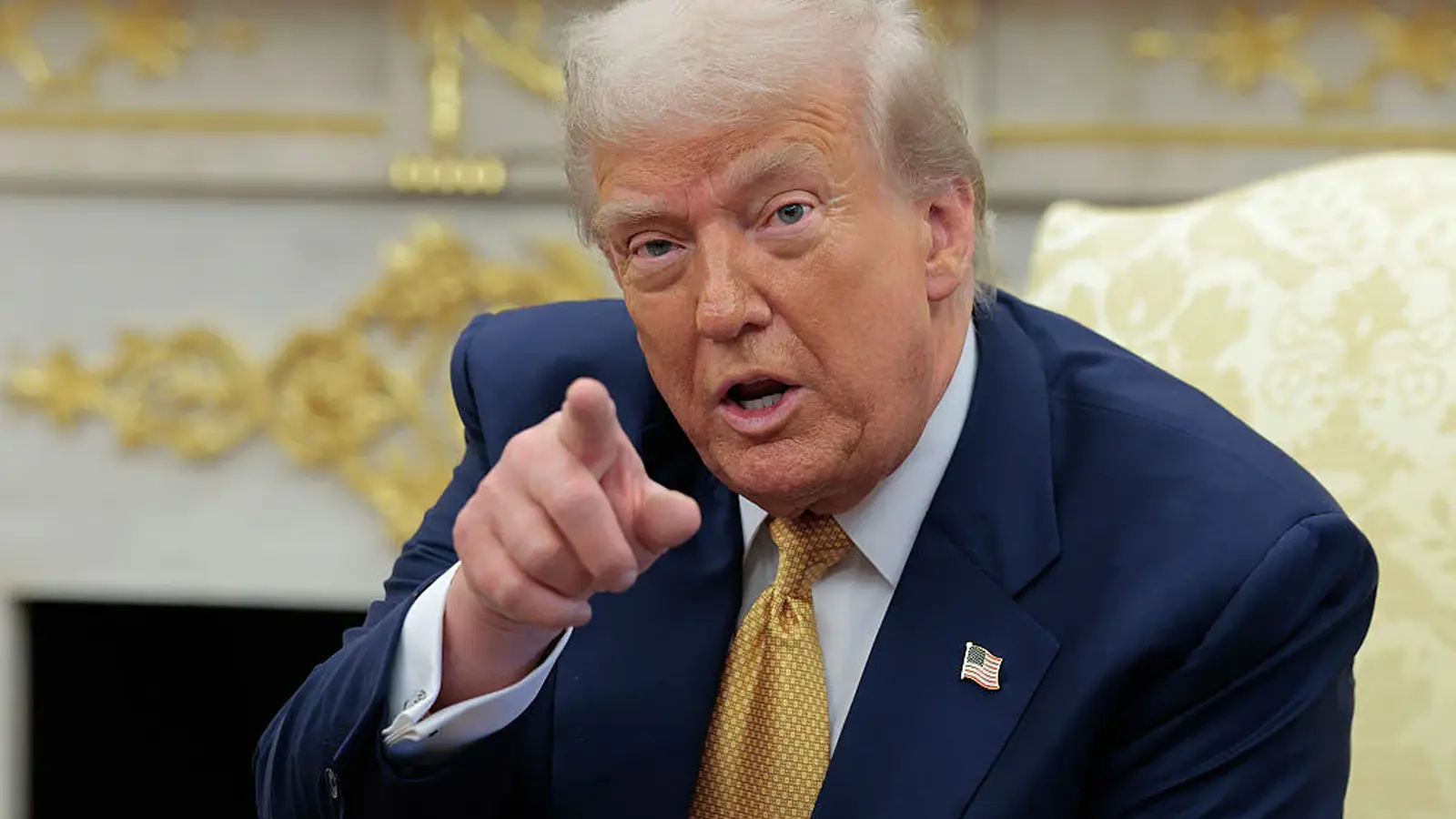
President Donald Trump has launched a bold two-year initiative called US Tech Force to rapidly modernize the federal government and strengthen America’s competitive edge against China in artificial intelligence.
What the program will do — and who it's targeting
The plan aims to recruit roughly 1,000 technology and AI specialists from major firms — including Amazon, Apple, Google, Meta and Microsoft — and place them inside federal agencies. Participants will work on critical projects such as upgrading data infrastructure, building public-facing apps, integrating AI into defense systems, improving intelligence analytics and modernizing tax and finance platforms.
Roles will span engineers, data scientists, AI specialists and project managers. Agencies will define the projects they need, while the Office of Personnel Management (OPM) will handle technical screening and initial vetting. Final interviews and hiring decisions remain with each agency. Annual salaries are projected between $130,000 and $200,000, with benefits aligned to federal standards.
This isn’t just a direct hire sweep. The program bundles hands-on training, competitive pay and career pathways: participating companies will also offer training resources, mentoring and temporary staff secondments. After the two-year term, participants can return to the private sector or continue in government roles, and partner firms have agreed to consider alumni for future hires.
Why now: a strategic push on AI
US Tech Force builds on the administration’s broader push to cut regulatory barriers for AI and expand infrastructure investments. It follows earlier moves to reorganize digital services inside government — including dismantling parts of the US Digital Service (USDS) and reshaping federal digital delivery — signaling a renewed effort to bring Silicon Valley expertise into public service.
By recruiting top AI talent directly from industry and partnering with about 20 leading companies — from Adobe and OpenAI to Nvidia and Zoom — the initiative underscores that Washington intends to play an active role on the global technology stage, not just as a regulator but as a hands-on operator.
Whether US Tech Force will deliver fast modernization and real competitive advantage depends on how quickly agencies can absorb and deploy these experts, and on the program’s ability to balance mission needs with private-sector ties. But the message is clear: the federal government is attempting to meet Big Tech on its own turf to accelerate AI adoption across government services.


“I love exploring gadgets, apps, and trends that redefine how we connect, work, and play in a digital world.”

Discussion
Leave a Comment
Comments
No comments yet. Be the first.