
Reuters reports that Meta pulled in billions from scam ads on Facebook and Instagram last year, with a surprisingly large share tied to China. The revelations add fresh pressure on the social media giant already scrutinized for data misuse and teen wellbeing.
How much money and where it came from
According to the investigation, Meta took in more than $3 billion last year from scam ads that originated in China. That sum represents roughly 19 percent of the companys reported $18 billion revenue from the Chinese market, and many of those ads promoted illegal betting platforms and other fraudulent schemes. Earlier Reuters reporting also suggested that about 10 percent of Meta's global ad revenue comes from deceptive or fake advertisements.
Internal response, a temporary wins, and renewed concerns
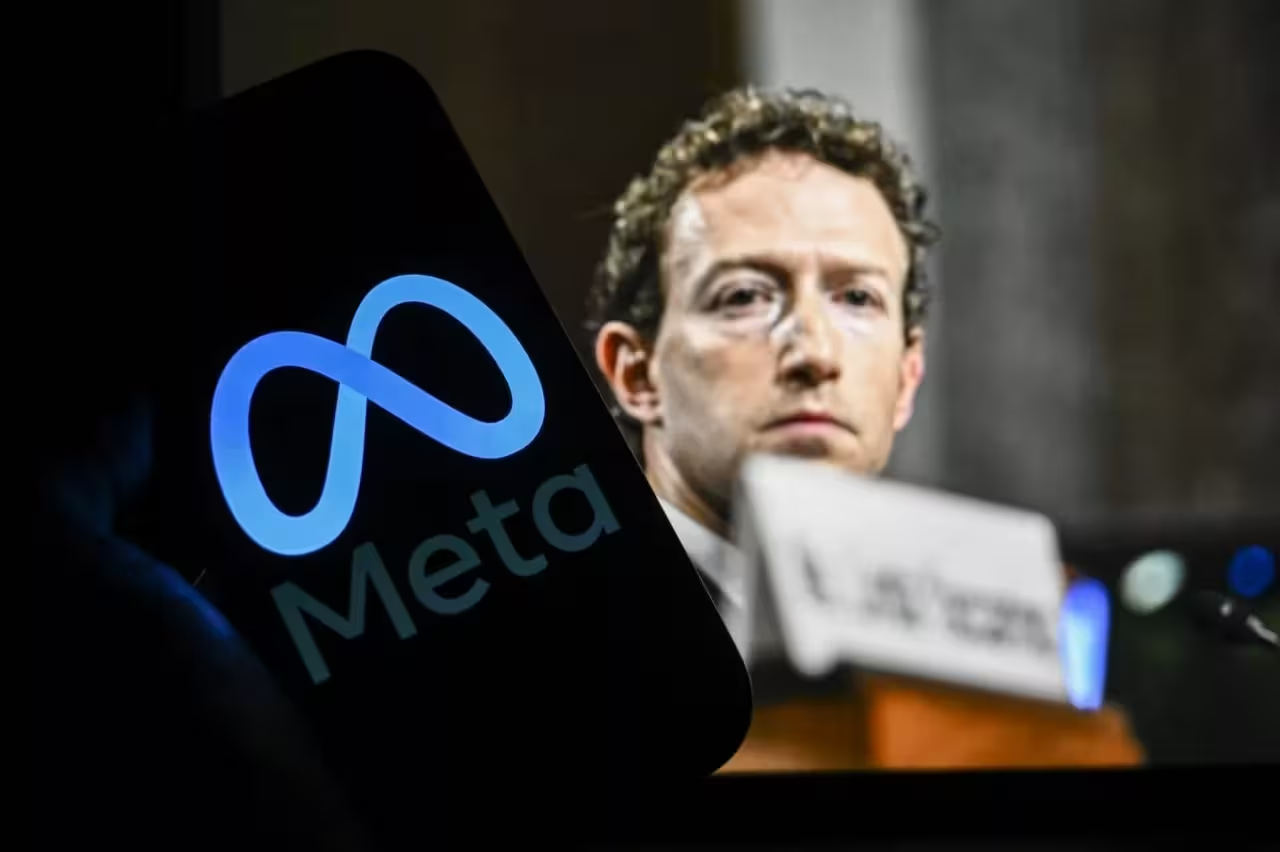
Researchers within Meta urged the company to invest heavily in stopping ad fraud, especially given the growing harm to children and teens. Meta did set up a special taskforce to tackle scam advertising across Facebook, Instagram, and WhatsApp, and by the end of 2024 that group had cut such ads by around 50 percent. But the taskforce was disbanded, and the volume of fake ads rose again in the months that followed.
Sources quoted by Reuters say Meta was aware of the scale of the problem but hesitated to take stronger, revenue-hitting measures. Former Facebook product chief Rob Leathern called the level of scam advertising on Meta platforms "indefensible," arguing the company needs urgent, serious action.
Meta’s spokesperson Andy Stone told Reuters the taskforce was always meant to be temporary and denied that CEO Mark Zuckerberg played a role in ending it. Stone added that Zuckerberg had asked teams to step up efforts to reduce all forms of advertising fraud across Meta products.
As regulators and users demand better safeguards, the big question remains: will Meta accept short-term revenue hits to tighten enforcement, or keep policing uneven as the platform chases ad dollars?


“I cover emerging technologies, digital innovation, and the intersection of tech and everyday life. My goal is to make complex trends accessible and inspiring.”

Discussion
Leave a Comment
Comments
No comments yet. Be the first.