
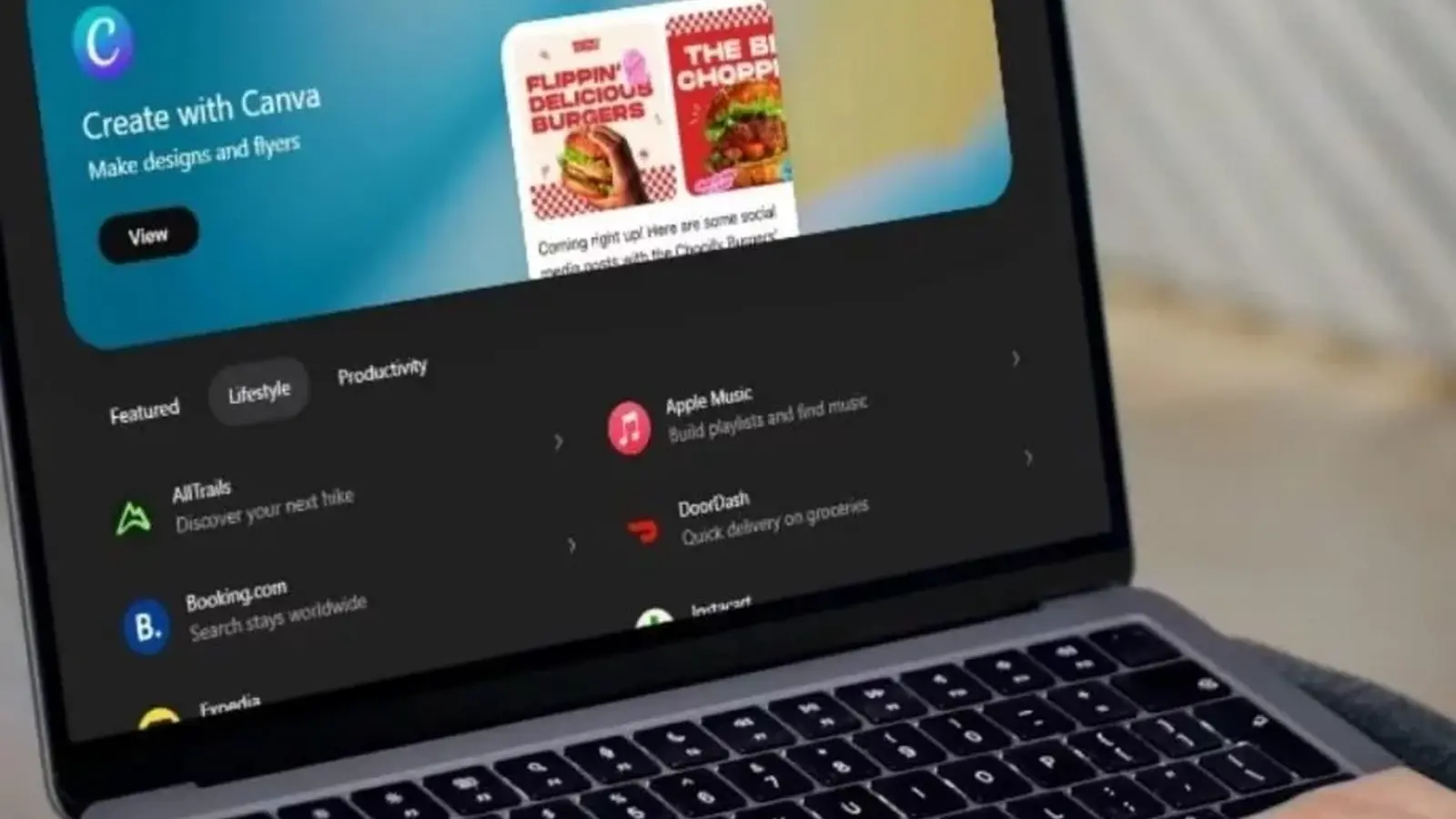
OpenAI has rolled out a new Apps section inside ChatGPT — essentially an app store for the chatbot. The update gathers third-party tools and integrations into a single, browsable space and opens the door for developers to build native experiences directly inside ChatGPT.
What’s inside the new Apps section?
The Apps tab brings previously announced integrations — like Spotify and Canva — into a unified marketplace. Some of these apps are expanding to more regions: for example, Spotify in ChatGPT is now available across the UK, Switzerland and the wider European Union. Apple Music has also joined the roster, letting users search for tracks, create playlists and manage their music libraries without leaving the chat. Delivery and grocery tools such as DoorDash can suggest meals, plan weekly shopping and convert recommendations into a usable shopping cart.
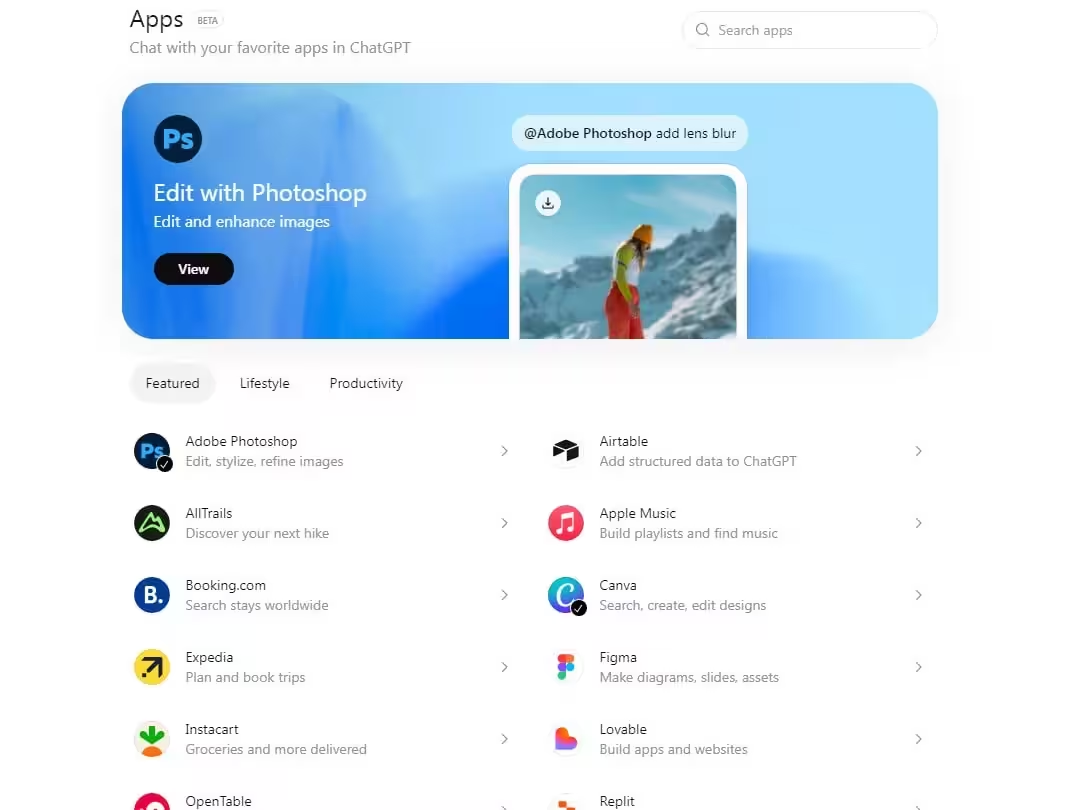
Behind the scenes, OpenAI released an SDK so developers can craft interactive, in-chat experiences that run natively in the ChatGPT interface. That means richer workflows — think generating a playlist, editing a Canva design or filling a DoorDash cart — all inside a single conversation.
A new name for old tools — connectors become apps
OpenAI also simplified its terminology. The old “connectors” that linked ChatGPT to external services like Google Drive or Dropbox are now labeled as Apps. On the support pages they appear as “Apps with file search,” “Apps with deep research,” and “Apps with sync,” depending on their capabilities. The change makes discovery more intuitive: users can see what each app can do at a glance.
Curious how it works in practice? Imagine asking ChatGPT to build a Latin music playlist on Spotify. With the app installed, the assistant can open Spotify, find tracks, and assemble the playlist without handing you links or instructions — it does the heavy lifting for you.
OpenAI also clarified how these apps interact with user data. If a user has Memory enabled, apps may access stored information to provide a more personalized experience. Additionally, OpenAI says that if users opt into “Improve the model for everyone,” their app interactions might be used to improve the underlying AI models — this applies across free, Plus, Go and Pro tiers.
Monetization details are still vague. OpenAI says it’s exploring new revenue streams, including selling digital goods, but concrete plans will appear after observing how developers and users engage with the Apps platform.

“I love exploring gadgets, apps, and trends that redefine how we connect, work, and play in a digital world.”

Discussion
Leave a Comment
Comments
No comments yet. Be the first.