
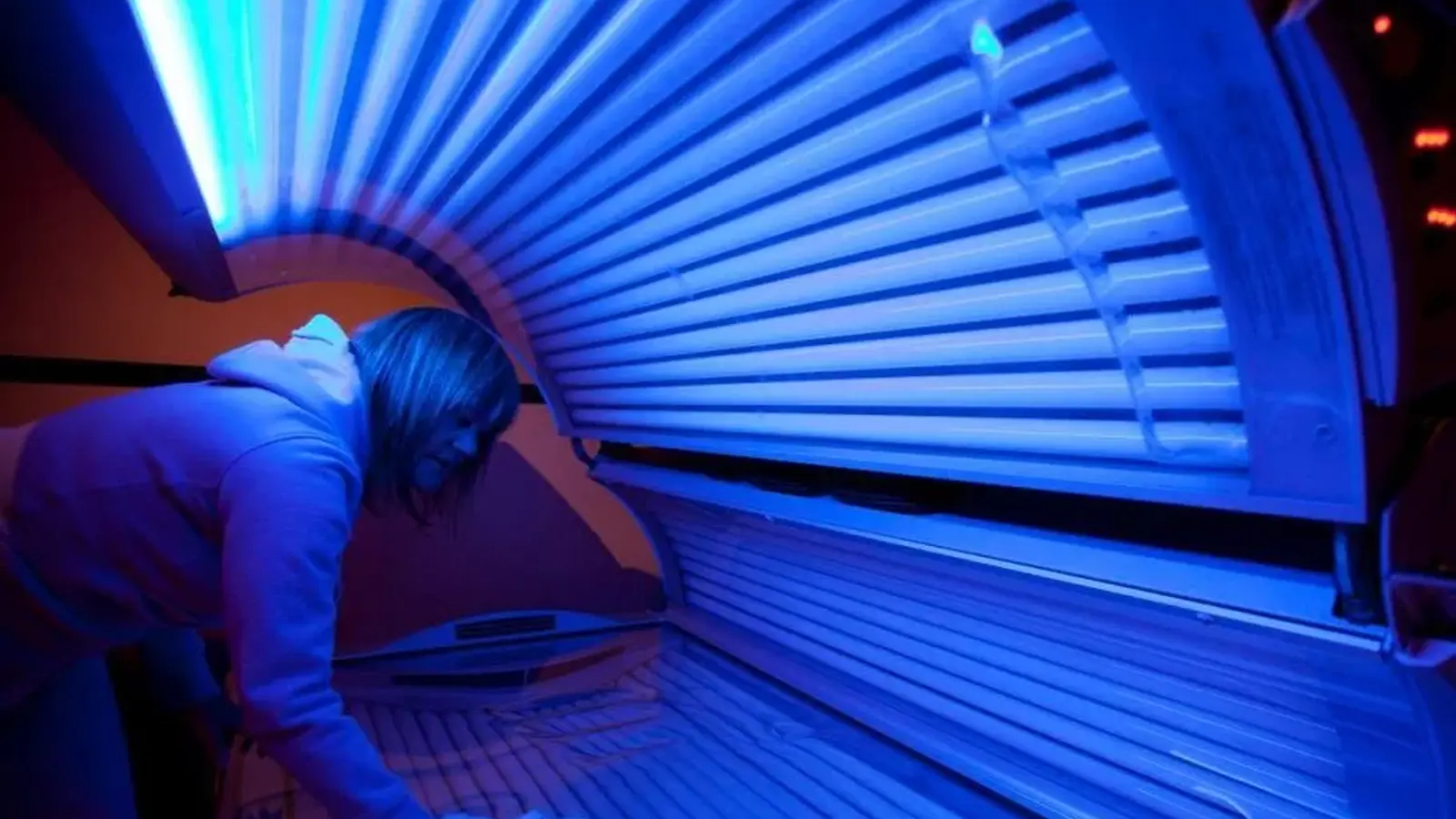
A new study finds that tanning beds do more than darken skin—they inflict widespread DNA damage that substantially raises the risk of melanoma. Researchers combined genetic sequencing of skin cells with large-scale patient records to quantify how indoor UV exposure compares to natural sunlight.
Whole-body UV, whole-skin consequences
Unlike the sun, which usually affects only exposed areas (roughly 20% of the body's surface), commercial tanning beds bathe the entire body in concentrated ultraviolet (UV) radiation. Scientists at Northwestern University and the University of California sequenced the genomes of pigment-producing skin cells (melanocytes) from people who used tanning beds and from controls. The results showed nearly twice as many genetic mutations in users of tanning beds—even in patches of skin that looked healthy to the eye.
Dr. Pedram Gerami, a dermatologist and co-author of the study, summarized the finding: "We observed similar dangerous mutations across almost the entire surface of tanning-bed users' skin." These changes include pre-cancerous DNA alterations known to drive melanoma, the deadliest form of skin cancer.

Numbers that matter: clinical records and risk
To link genetic damage with real-world outcomes, researchers reviewed medical records for more than 32,000 patients. Melanoma was diagnosed in 5.1% of tanning-bed users versus 2.1% in non-users. After adjusting for age, family history and other factors, use of tanning beds was associated with a 2.85-fold increase in melanoma risk—roughly triple the risk seen in people who do not use these devices.
The study also found that tanning-bed users were more likely to develop cancers in body areas that normally receive little sun exposure—such as the lower back and buttocks—consistent with whole-body UV exposure from tanning salons.
Why tanning beds are especially hazardous
Tanning-bed UV differs from natural sunlight in both spectrum and intensity. These devices often deliver higher UV doses in a much shorter time, concentrating mutagenic energy across skin that typically would remain protected from daily sun. Because the damage is widespread and genomic in nature, researchers argue there is no safe level of exposure from commercial tanning devices.
The World Health Organization already lists tanning devices as Group 1 carcinogens—the same category that includes tobacco, alcohol, and processed meats. The authors suggest public-health campaigns and clearer warnings similar to those used on cigarette packaging to reduce indoor tanning use.
Implications for prevention and public policy
Beyond individual risk, the study raises policy questions. In some regions, tanning salons outnumber familiar retail chains, increasing population exposure. The combination of molecular evidence (genomic sequencing) and epidemiological data (large patient cohorts) strengthens the call for stricter regulation, age limits, and consumer education.
For clinicians and the public, the message is direct: tanning beds are not a safer alternative to sunbathing. They cause deep, widespread genetic changes that translate into significantly higher melanoma risk.


“My work centers on sustainability, energy, and environmental science — examining how innovation can lead to a greener future.”

Discussion
Leave a Comment
Comments (2)
Wait 2.85x risk? Sounds huge but is this adjusted for skin type, tanning frequency or social factors? curious, wanna see the methods..
Wow, that’s brutal. Tanning beds messing DNA all over, not just a tan. Seeing whole-genome proof makes me actually rethink my teens at salons. yikes