
3 Minutes
South Korean prosecutors have charged ten people over the theft and transfer of Samsung's 10nm-class DRAM manufacturing know-how to China’s ChangXin Memory Technologies (CXMT). The case exposes how prized semiconductor secrets can be walked out of labs and adapted abroad, with major economic consequences.
How the leak unfolded
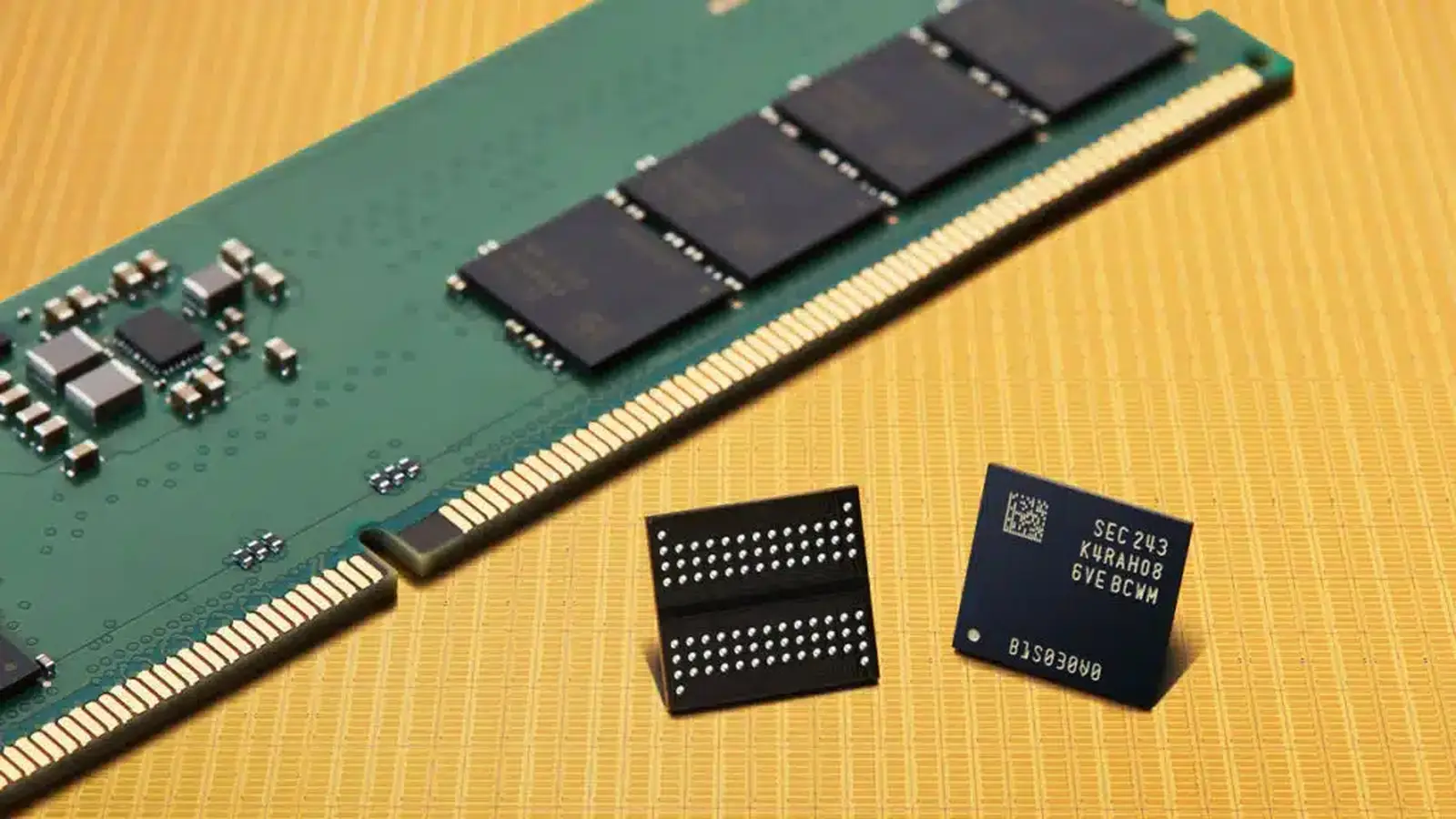
Samsung began mass-producing 10‑nanometer-class DRAM in February 2016 after roughly five years of development and an investment of about KRW 1.6 trillion. Prosecutors say that critical process steps — treated by Samsung and Seoul as a national core technology and trade secret — were systematically copied by insiders and passed to CXMT.
Investigators allege a former Samsung employee hand-transcribed hundreds of steps of the 10nm process and relayed them to a former Samsung department head who had moved to CXMT. That group reportedly used a shell company, frequently changed office locations, and even devised coded language to hide communications and evade scrutiny.
Between 2018 and 2023, the stolen process documentation was adapted by CXMT engineers to match Chinese manufacturing equipment, enabling CXMT to produce its own 10nm-class DRAM from 2023. Prosecutors estimate the intellectual property theft cost Samsung roughly 5 trillion won and may have broader economic fallout amounting to tens of trillions of won for South Korea.

Legal fallout and national security concerns
Seoul Central District Prosecutors’ Office indicted ten people under laws that protect trade secrets and industrial technology. Five defendants, including former Samsung staff, were indicted with detention; five others, including members of CXMT’s development teams, were indicted without detention.
Officials emphasized the gravity of the case for a country whose semiconductor sector represents a large share of exports. Prosecutors vowed strict action against overseas leaks that threaten technological security and the national economy, signaling intensified scrutiny of personnel movements and technology transfers in the industry.
As governments and companies worldwide fortify supply chains and tighten export controls, this case underscores a growing reality: advanced chipmaking expertise is a strategic asset, and its protection is becoming an urgent national priority.
Source: sammobile



Leave a Comment