
3 Minutes
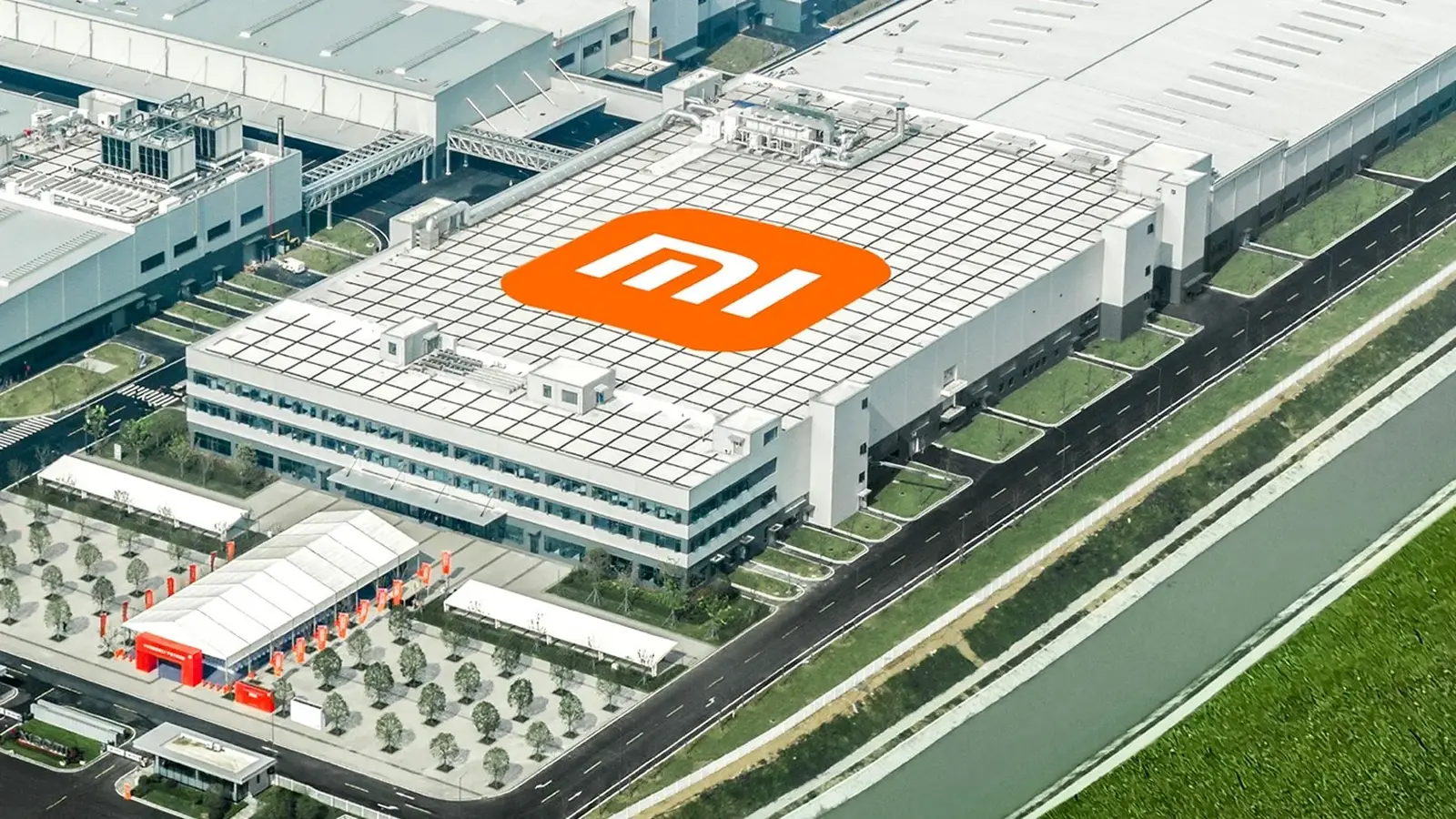
Xiaomi has quietly opened a fully automated smart home appliance factory in Wuhan, a facility built to design, develop and mass-produce large appliances with very little human intervention. The site was revealed at the Xiaomi 17 Ultra launch on December 25, 2025 and has been producing at scale since earlier this year.
How the lights-out factory works
Located in Wuhan's East Lake High-tech Development Zone, the Xiaomi Smart Home Appliance Factory is the company's third major manufacturing hub after its smartphone and automotive plants. Xiaomi combines product design, development and mass production under one roof and leans heavily on automation to keep lines moving.
Much of the plant follows a lights-out approach. Injection molding and sheet metal workshops run without conventional lighting, hitting machining tolerances down to about ±0.05 mm. Materials travel across the site on a 4.2 kilometer aerial conveyor that links six separate workshops, reducing manual handling and speeding throughput.

Internal logistics are handled by 161 autonomous mobile robots. These AMRs transport components between stations while avoiding obstacles in real time, covering more than 90 percent of in-factory material movement, according to Xiaomi. At peak output the company says an air conditioner can roll off the line roughly every 6.5 seconds.
Quality control is automated too. The factory uses high-resolution cameras and edge AI models for visual inspection of circuit boards and mechanical parts, moving away from traditional sample-based checks to near-continuous monitoring.
Construction was unusually fast: the project was signed in August 2024, broke ground in November and reached structural completion by January 2025, a record pace for the local area. Showcased at the end of 2025, the Wuhan plant signals Xiaomi's push to scale its home appliance business with advanced, self-managed manufacturing.
What does this mean for the market? Faster production cycles, tighter tolerances and AI-driven quality control could give Xiaomi more flexibility to iterate on appliance design and compete on both cost and feature sets. It also illustrates a broader trend toward fully automated facilities in consumer electronics and home appliances.
Source: gizmochina



Leave a Comment