
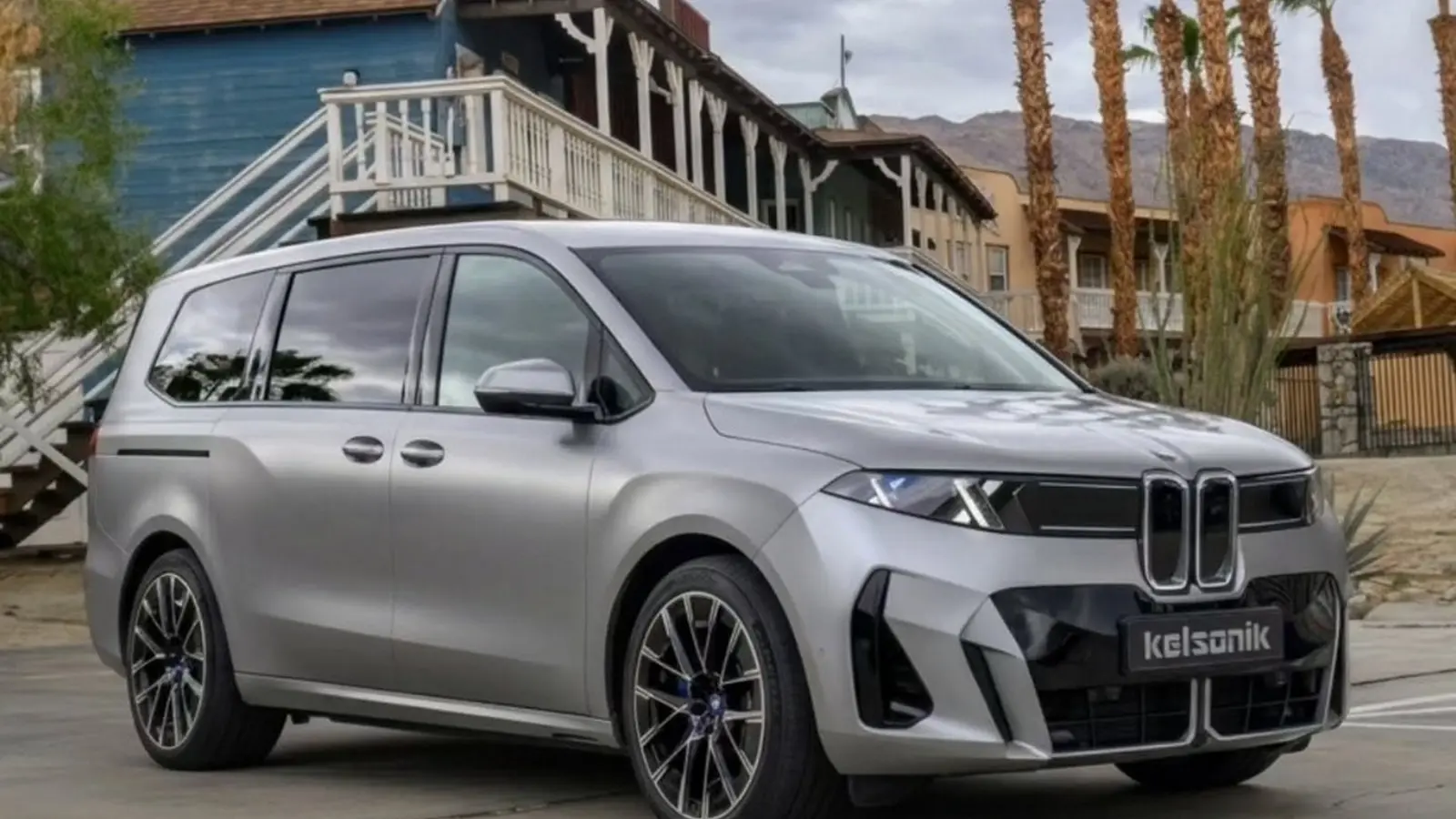
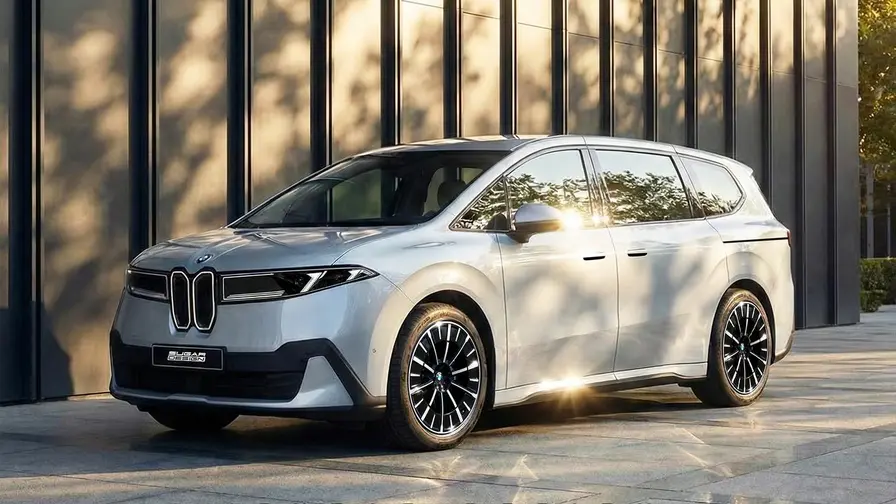
A virtual artist has rendered a hypothetical large BMW minivan built on the automaker's Neue Klasse architecture, proposing a sliding-door MPV to challenge the all-electric Mercedes VLE. The design is an unofficial CGI study by Nikita Chuicko, known online as kelsonik, and is not a BMW announcement.
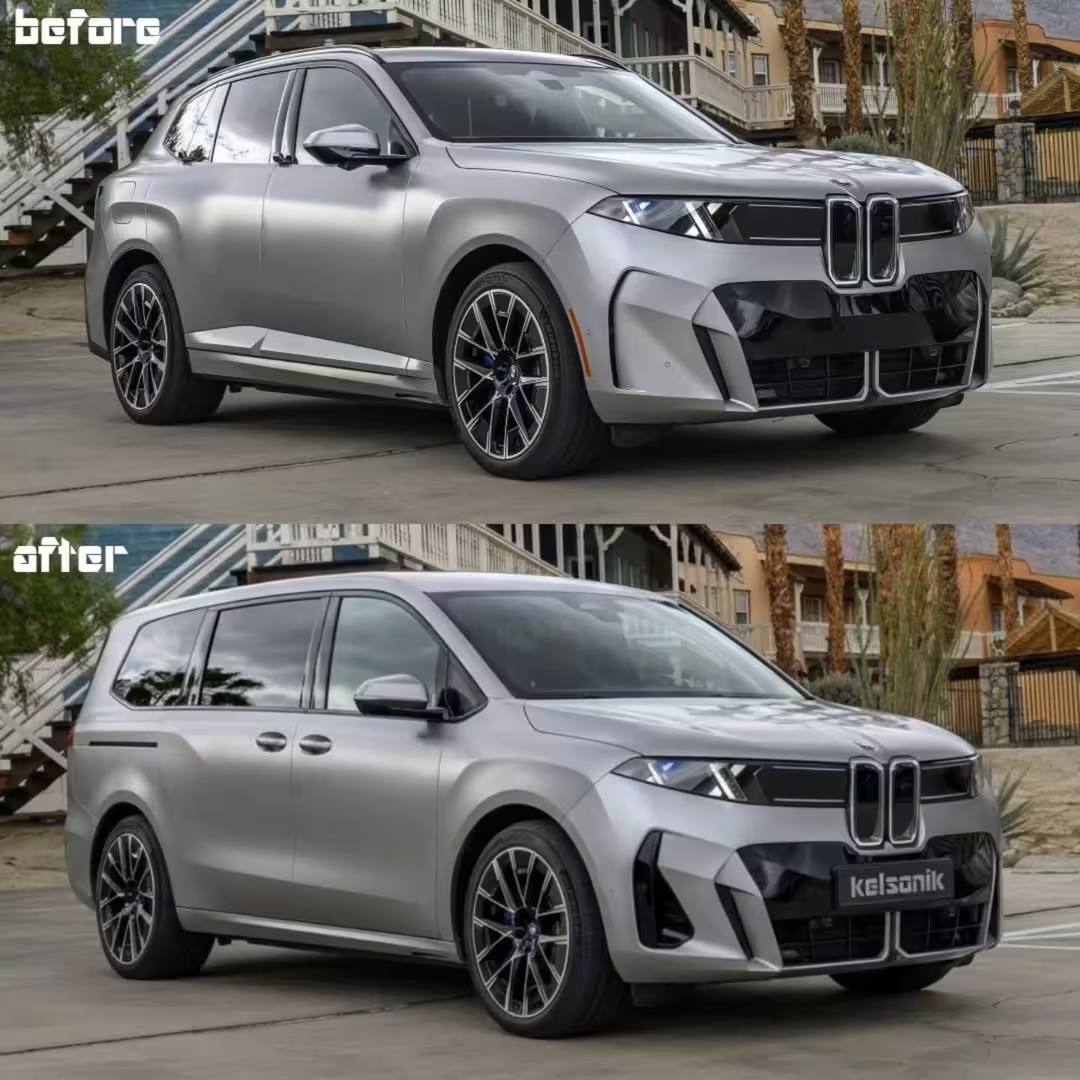
BMW recently started production of its first US-made all-electric model at Plant Spartanburg and the nearby Woodruff location, a rollout the company says followed a $1.7 billion investment to bring the all-new BMW iX5 to North America. The brand is also preparing a broad model push that the source lists as including an i1 entry-level EV, fresh X1 and iX1 subcompact crossovers, updated X2 and iX2 models, an i3 Touring, a first-ever all-electric M3, iX3 M and iX4 M variants, a Neue Klasse redesign of the 5 Series and M5, plus all-new X7 and iX7 models and BMW Alpina 7 flagships.
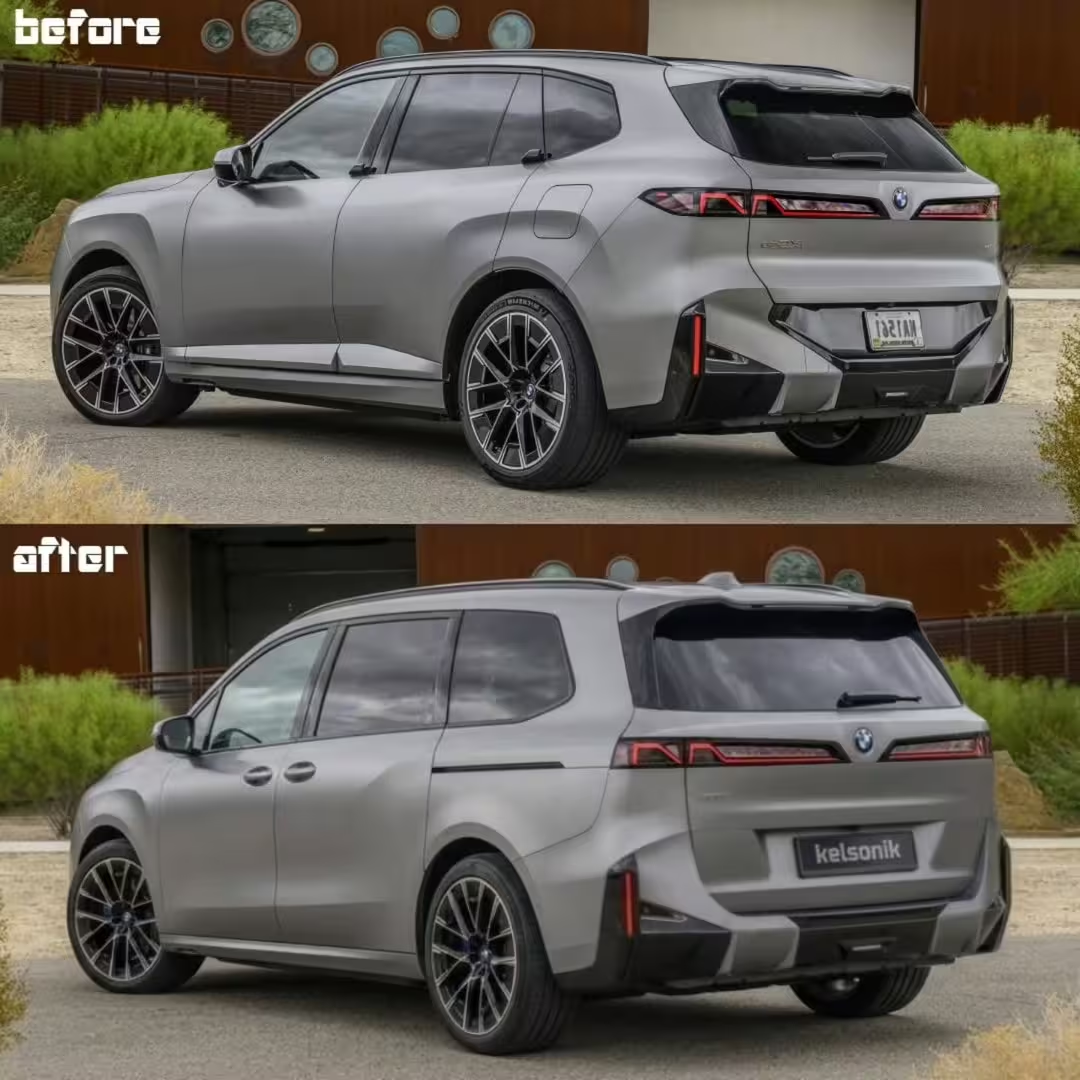
How the imagined minivan compares to the Mercedes VLE
Chuicko frames the imagined BMW MPV as an alternative to Mercedes Benz's large VLE, which is offered in two powertrain versions: a front-motor, front-wheel-drive VLE 300 and a dual-motor, all-wheel-drive VLE 400 4Matic. Mercedes quotes 271 or 415 horsepower for those variants, a 115 kilowatt-hour battery pack on an 800 volt architecture, and up to 678 kilometers 421 miles of range. The CGI proposal suggests a BMW variant could leverage Neue Klasse underpinnings similar to those used for the i3 and iX3, with rear-wheel-drive and dual-motor all-wheel-drive configurations that the render suggests might reach as much as 463 horsepower and a comparable electric range.
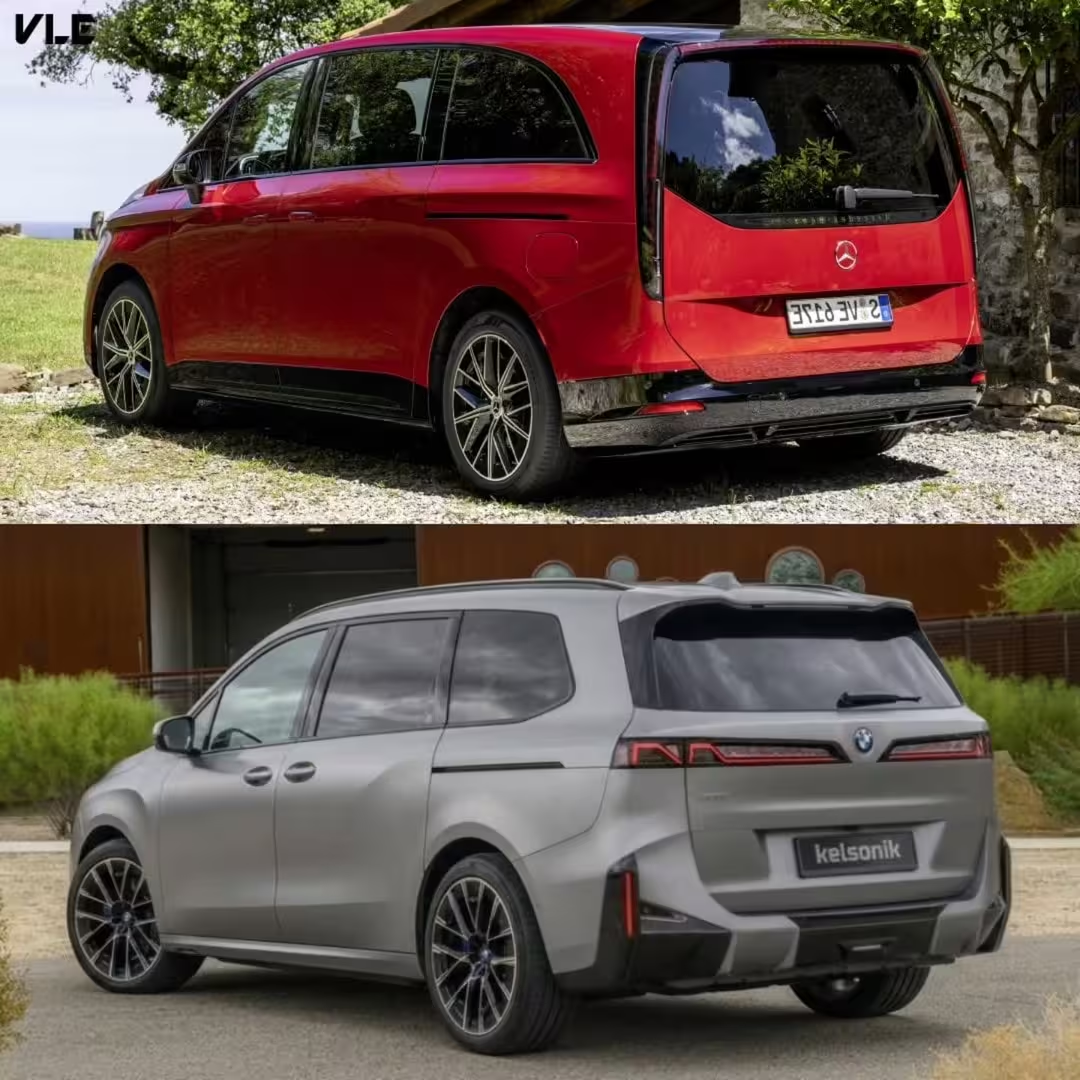
This is an unofficial design exercise by a digital artist, not a production plan from BMW.
The artist's renderings also raise the question of market fit. The piece notes that, for North America, such a minivan would likely need internal combustion or hybrid powertrain options if it were to compete with established sliding-door models like the Chrysler Pacifica, Toyota Sienna, Honda Odyssey, and Kia Carnival, reflecting current consumer preference trends cited in the source rather than a manufacturer commitment.

“I cover automotive innovation, electric vehicles, and the future of mobility — where technology meets sustainability.”

Discussion
Leave a Comment
Comments
No comments yet. Be the first.