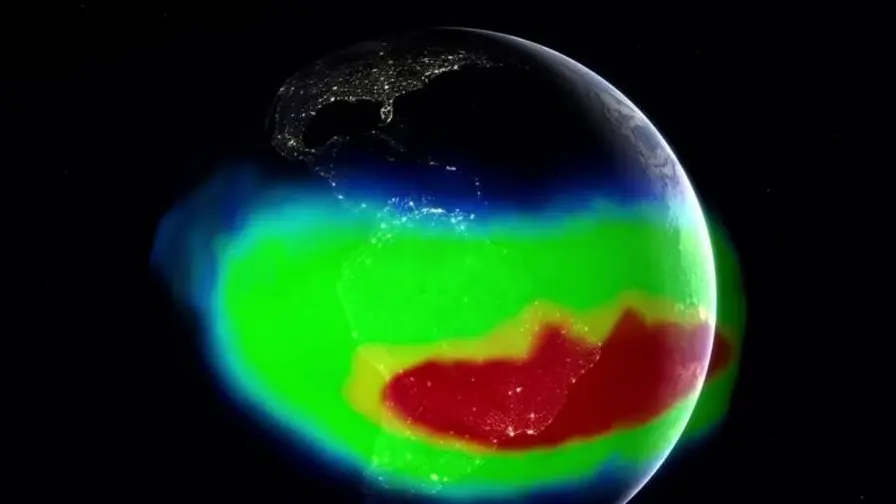
Read MoreNora Schmidt2025-10-15South Atlantic Anomaly Is Growing — What Scientists SeeSatellites show the South Atlantic Anomaly has expanded and weakened since 2014. New Swarm data reveal complex flux changes linked to deep-Earth dynamics and implications for satellites, navigation and radiation.
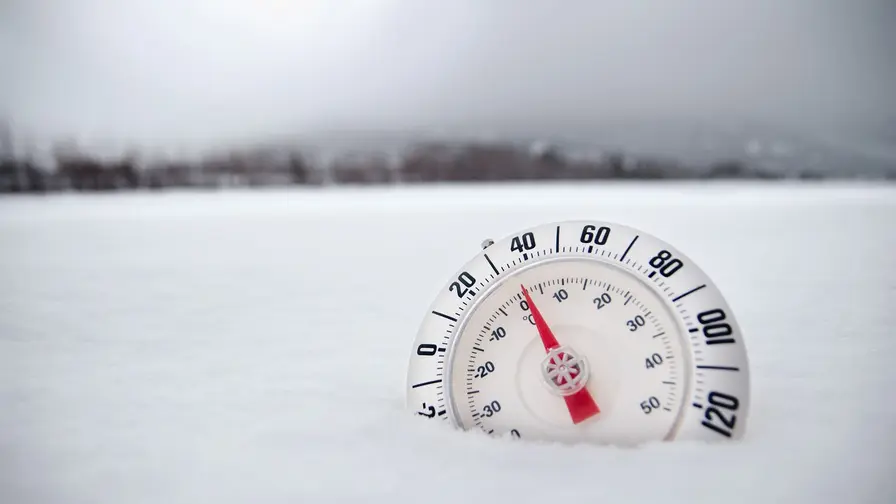
Read MoreNora Schmidt2025-10-14Why Absolute Zero Is Unreachable: The Physics ExplainedWhy absolute zero (0 K) is fundamentally unreachable: the third law of thermodynamics, how researchers cool matter to micro- and nanokelvin, and what physicists mean by negative temperatures.
Read MoreNora Schmidt2025-10-14How Losing Shapes the Brain and Alters Social RankOkinawa researchers show that losing social contests rewires decision-making circuits in the mouse brain. The study links cholinergic interneurons in the posterior striatum to the ‘loser effect,’ with implications for social behavior and resilience.
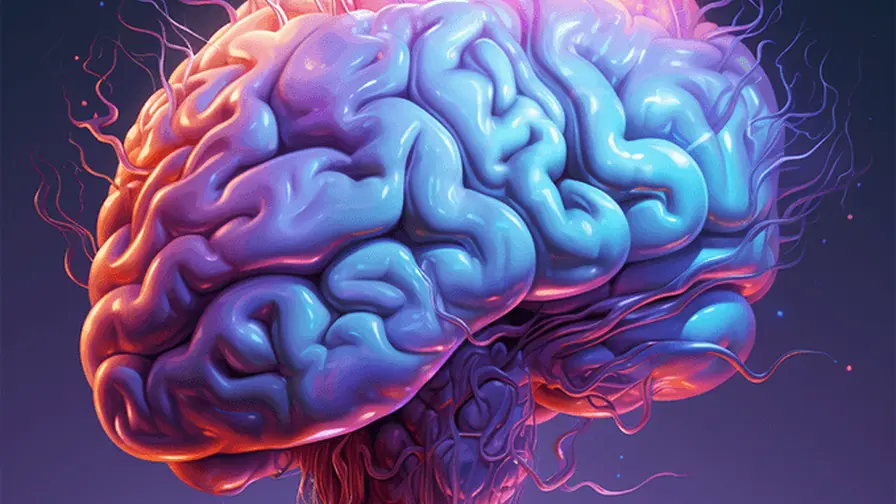
Read MoreOliver Hayes2025-10-14Brain Shape Changes May Predict Future Dementia RiskNew UC Irvine and University of La Laguna research shows that specific 3D changes in brain shape, not just volume loss, correlate with cognitive decline and may help predict dementia risk, highlighting the entorhinal cortex's vulnerability.
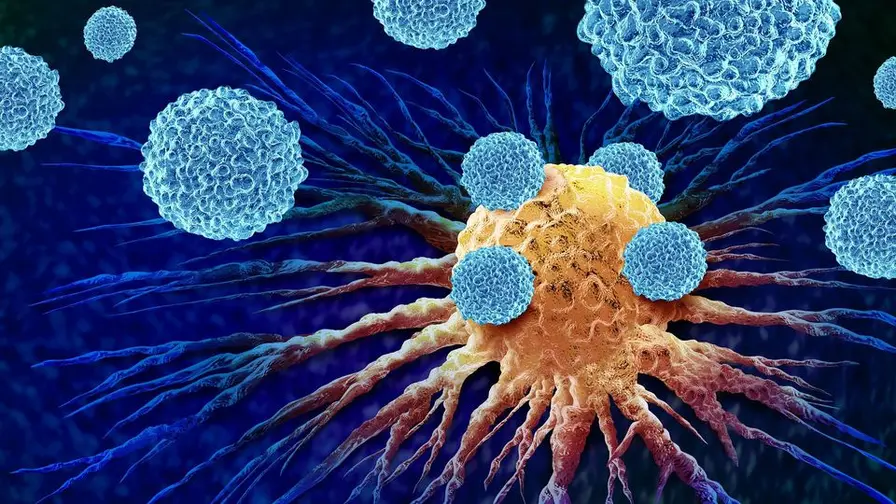
Read MoreNora Schmidt2025-10-13LED-Activated Tin Nanoflakes Kill Skin Cancer CellsResearchers at UT Austin and the University of Porto report an LED-activated photothermal therapy using SnOx nanoflakes that killed up to 92% of skin cancer cells in vitro while sparing healthy skin cells.
Read MoreNora Schmidt2025-10-124Why Female Mammals Often Live Longer: Evolutionary RootsA comparative study of 1,176 bird and mammal species links sex-chromosome architecture and mating systems to sex-specific lifespan differences, showing females often outlive males in mammals.
Read MoreNora Schmidt2025-10-112Starlink Satellites: Daily Reentries Threaten Orbit SafetyDaily Starlink satellite reentries illustrate a growing orbital debris and atmospheric risk as megaconstellations expand. Experts warn of collision cascades, atmospheric contamination, and the need for stronger mitigation and international policy.
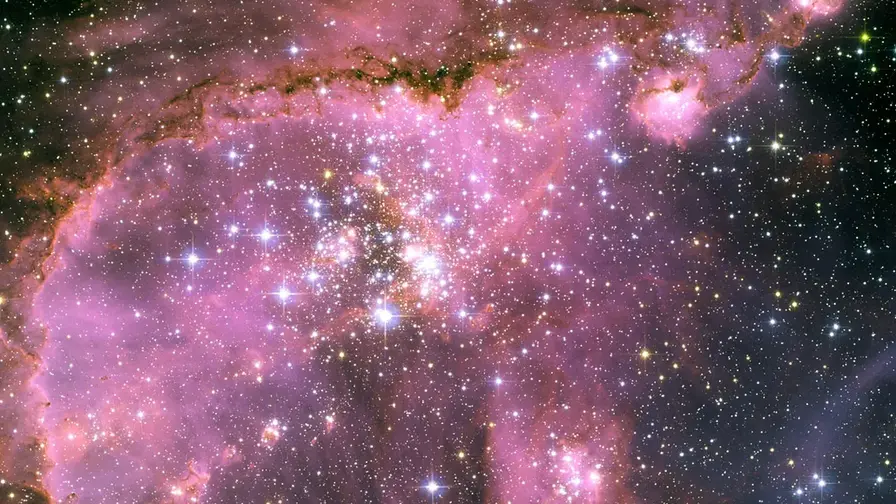
Read MoreNora Schmidt2025-10-10Astronomers Discover Most Pristine Star Close to Milky WayAstronomers have identified SDSS J0715-7334, a remarkably metal-poor red giant in the Large Magellanic Cloud. Its elemental pattern points to enrichment by a ~30-solar-mass supernova and offers new clues about early star formation.
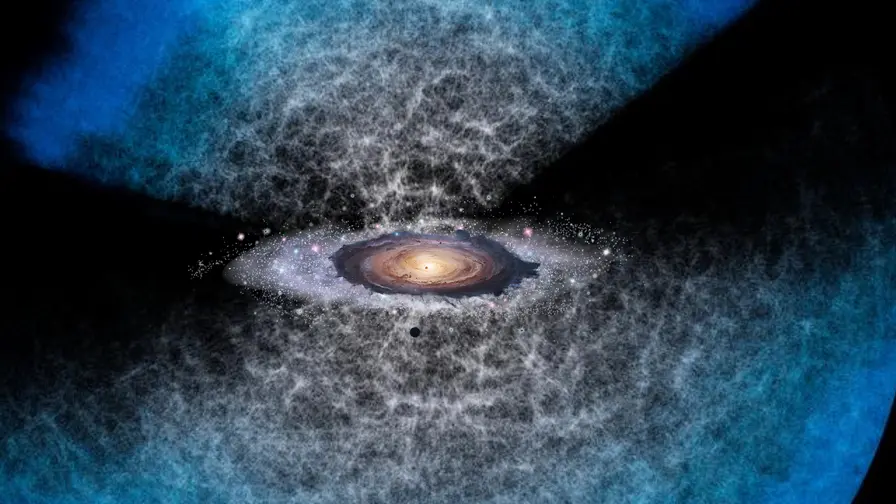
Read MoreNora Schmidt2025-10-10Run Cosmological Universe Simulations on a Laptop NowEffort.jl, an EFTofLSS emulator developed at the University of Waterloo, lets researchers run accurate cosmological analyses on a standard laptop in hours, speeding model exploration for DESI, Euclid and other surveys.
Read MoreOliver Hayes2025-10-09Dietary RNA Triggers Mild Stress to Extend HealthspanUniversity of Basel researchers found that dietary double-stranded RNAs in C. elegans trigger a mild stress response that activates autophagy, reduces protein aggregation and extends healthspan—suggesting diet can shape aging.
Read MoreNora Schmidt2025-10-09Study: Fitness Reduces Daily Heartbeats, Extends LifeAn Australian study shows fitter people have fewer daily heartbeats than inactive individuals, overturning the myth that exercise depletes a finite heartbeat supply and highlighting cardiovascular benefits of regular activity.
Read MoreOliver Hayes2025-10-09Mathematical Model Proposes Brain and AI Need Seven SensesA Skoltech mathematical model suggests memory capacity peaks when concepts are encoded in seven feature dimensions—equivalent to seven senses—offering implications for AI, robotics, and neuroscience.
Read MoreOliver Hayes2025-10-09Humans Might Be Among the Earliest Intelligent BeingsA statistical study suggests humanity may be an early or atypical intelligent species. David Kipping's Bayesian analysis questions whether M-dwarf planets—the most common stellar hosts—are likely homes for complex life, with implications for SETI and future observatories.
Read MoreOliver Hayes2025-10-08Tiny Asteroid Passed Within 270 Miles of Earth in 2025Asteroid 2025 TF passed within about 428 km of Earth on 1 October 2025—inside the ISS orbit. Discovered after closest approach, the 1–3 m rock posed no significant threat and is predicted to return only at a much greater distance in 2087.
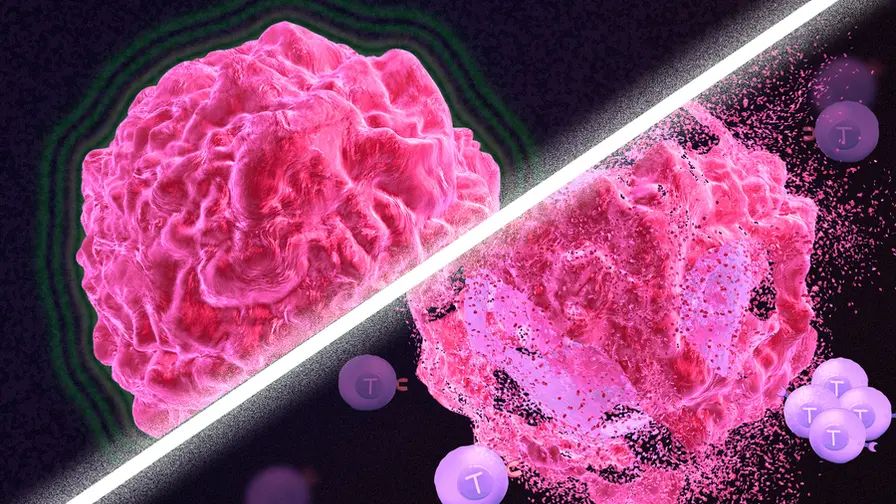
Read MoreNora Schmidt2025-10-07Regulatory T Cells and Immune Tolerance: 2025 Nobel PrizeThree scientists won the 2025 Nobel Prize for discovering regulatory T cells and FoxP3, revealing how the immune system prevents self-attack and opening new therapies for autoimmunity, transplantation, and cancer.
Read MoreOliver Hayes2025-10-065Long Commutes and Small Homes Raise Tokyo InsomniaA study from Osaka Metropolitan University links longer commuting times and smaller housing in Tokyo to higher rates of insomnia and daytime sleepiness, suggesting urban planning can improve sleep health.
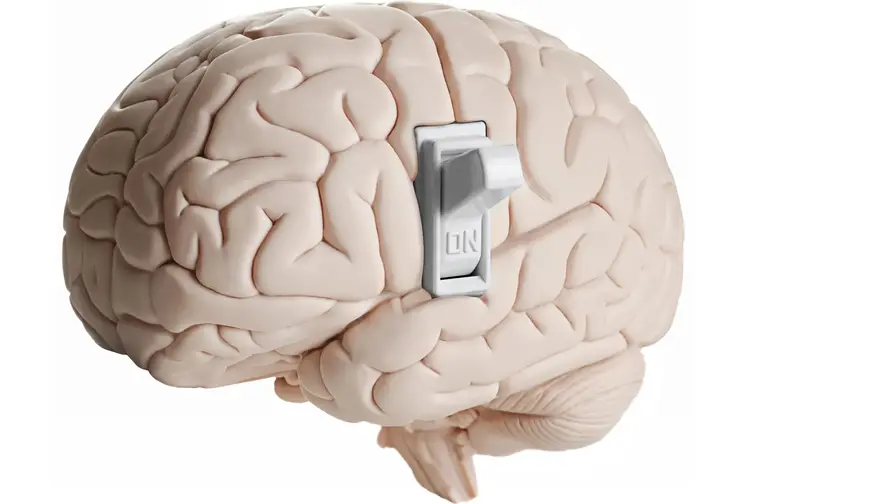
Read MoreNora Schmidt2025-10-05Hidden MRAP2 Protein Reveals Brain's Hunger Off-SwitchResearchers reveal MRAP2 as a regulator that moves MC4R to the cell surface, strengthening appetite-suppressing signals and offering new obesity treatment routes.







.webp "Tiny Asteroid Passed Within 270 Miles of Earth in 2025")