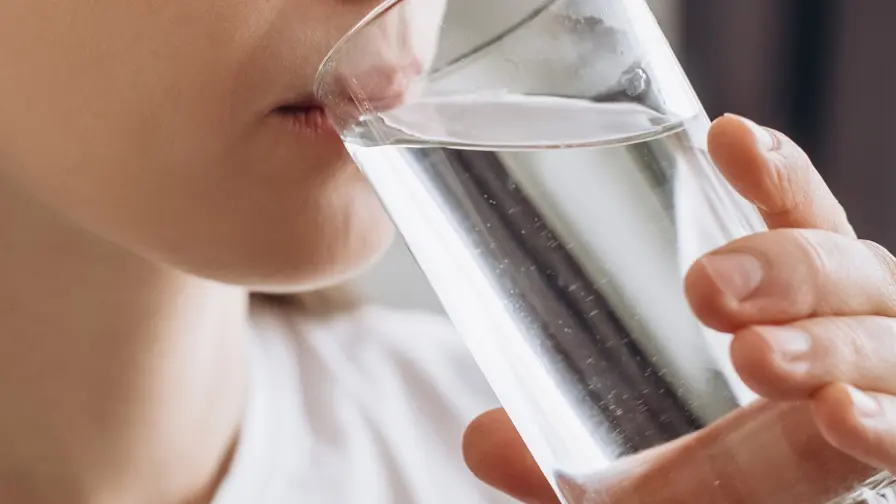
Read MoreOliver Hayes2025-12-302Boiling Water Reduces Microplastics - Easy Home MethodResearch shows boiling then straining tap water can remove up to 90% of micro- and nanoplastics in hard water. A practical, low-cost step drivers and campers can use to reduce plastic exposure on the road.
Read MoreNora Schmidt2025-12-303Red Giant R Doradus: Starlight Fails to Drive Dust WindsHigh-resolution observations of red giant R Doradus show dust grains too small for starlight alone to launch stellar winds, forcing scientists to explore convective motion, pulsations and episodic dust formation.
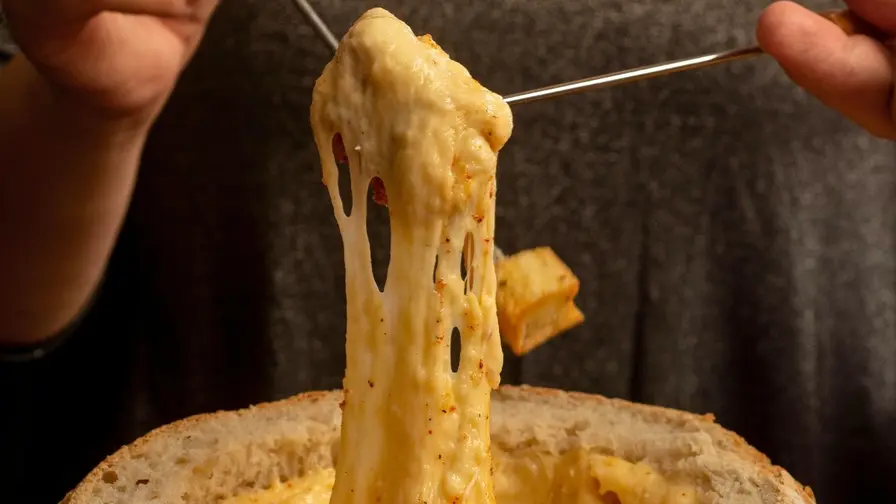
Read MoreOliver Hayes2025-12-302Full-Fat Cheese Linked to Lower Dementia Risk — CaveatsA long Swedish cohort study links higher intake of full‑fat cheese and cream to modestly lower dementia risk in some groups, but genetic factors, lifestyle confounders and substitution effects complicate interpretation.
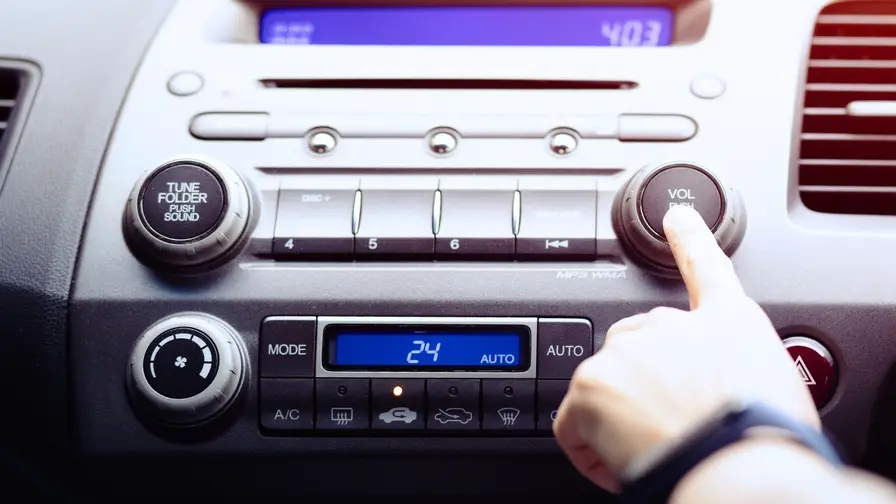
Read MoreOliver Hayes2025-12-293How Your Playlist Shapes Driving: Risk, Focus & SpeedResearch shows music can both help and hinder driving: familiar, calm tracks at moderate volume generally reduce interference, while loud, unfamiliar or aggressive music raises speed and errors—especially in novice drivers.
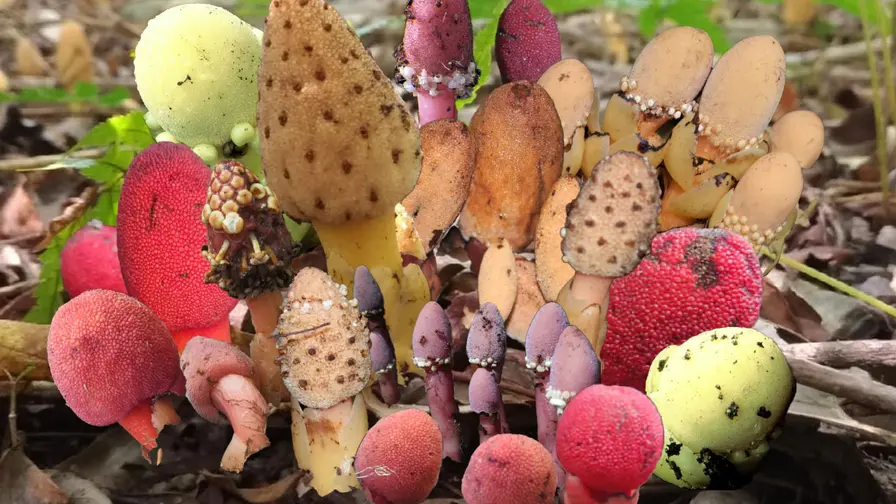
Read MoreNora Schmidt2025-12-292Parasitic 'Mushroom' Plant Drops Photosynthesis, ThrivesGenetic analysis of Balanophora species shows extreme plastome reduction and loss of photosynthesis. These parasitic 'mushroom-like' plants siphon nutrients from tree roots and reproduce asexually on islands.
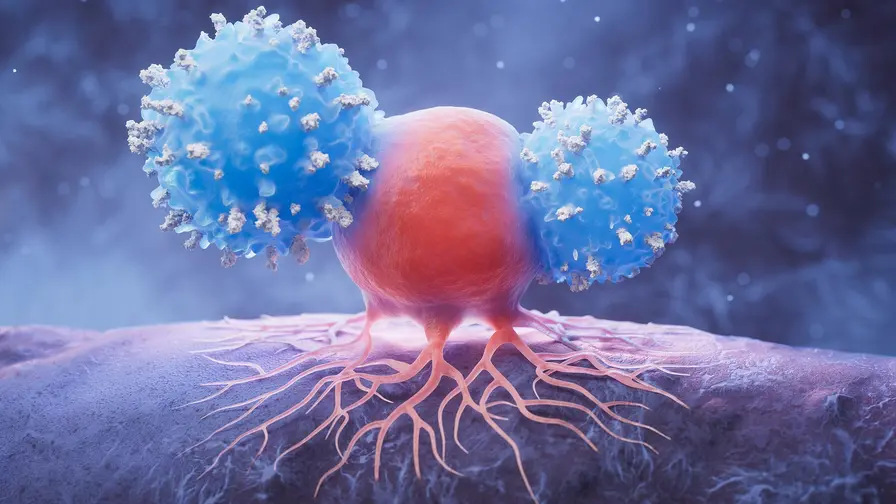
Read MoreNora Schmidt2025-12-293Sugar Coat Revealed: New Antibody Awakens Immune ResponseNorthwestern researchers found pancreatic tumors hide behind a sialic acid sugar shield that engages Siglec‑10. A newly developed monoclonal antibody breaks that shield in mice, restoring immune attack and slowing tumor growth.
Read MoreOliver Hayes2025-12-292How Everyday Drinking Raises Cancer Risk Across PopulationsA comprehensive review links drinking patterns—from moderate to heavy—to higher risks for breast, colorectal, liver and other cancers, and highlights how biology and social factors shape vulnerability.
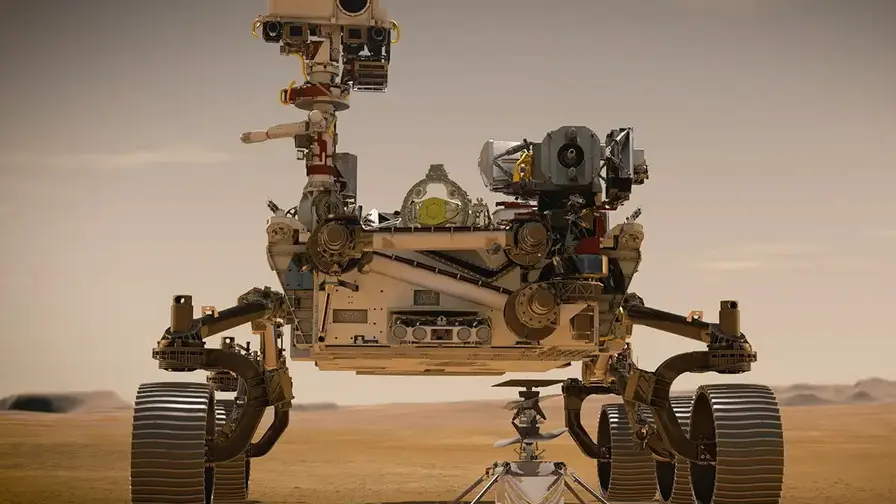
Read MoreNora Schmidt2025-12-283Perseverance Rover Built Like a Tank, Active to 2031Built like a tank and driven by advanced autonomy, NASA’s Perseverance rover has clocked nearly 25 miles on Mars. Tests using its Earth twin indicate at least 60 km more range and operational life into 2031.
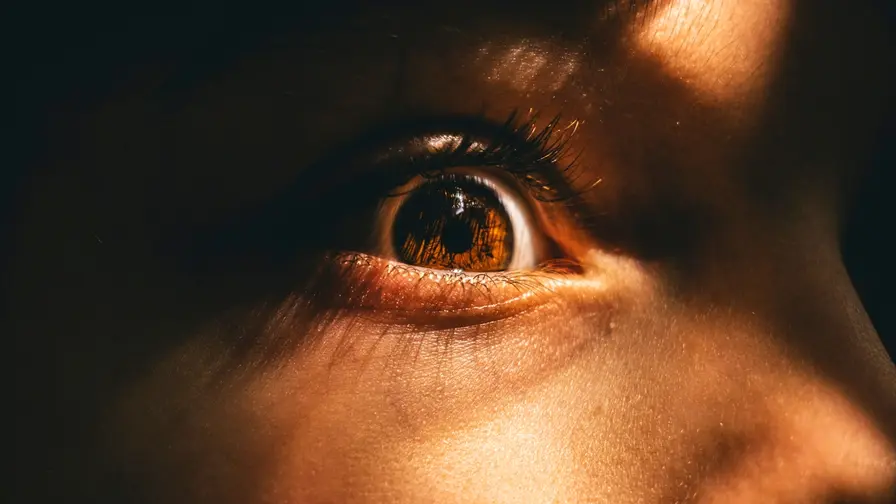
Read MoreOliver Hayes2025-12-282When Brains See Faces in Cars: Visual Snow ExplainedSome drivers with visual snow syndrome — a rare condition that creates constant visual 'static' — are more prone to face pareidolia, seeing faces in car fronts, textures and lighting. This research links perception, migraine and automotive design implications.
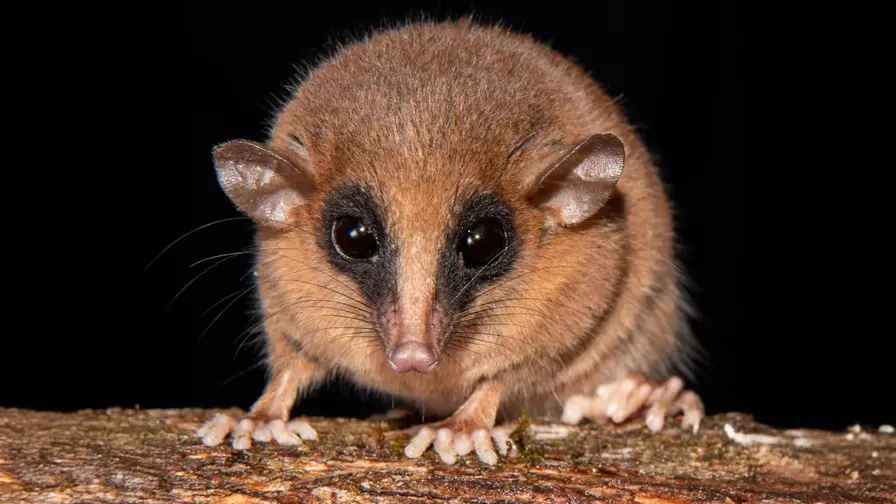
Read MoreNora Schmidt2025-12-28370 New Species Discovered in 2025 - From Dinosaurs to BeesResearchers described more than 70 new species in 2025, from feathered dinosaurs and highland marsupials to bees in amber. Read how field vehicles, expedition gear, and museum archives made these discoveries possible.
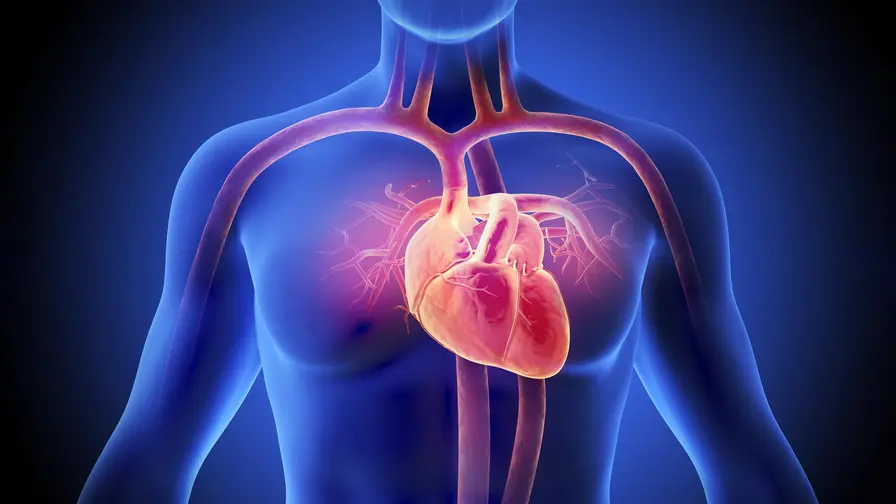
Read MoreOliver Hayes2025-12-282Type 2 Diabetes Rewires the Heart and Raises Failure RiskA University of Sydney study shows type 2 diabetes rewires heart energy systems and structure, raising heart failure risk. Findings have implications for driver health, in-car monitoring, fleet safety and vehicle design.
Read MoreOliver Hayes2025-12-273Exercise Preserves Muscle Youthfulness During Weight LossNew research shows that aerobic exercise during rapid weight loss can boost mitochondrial proteins and reduce collagen in muscle, preserving muscle quality and promoting a more youthful metabolic profile.
Read MoreOliver Hayes2025-12-272The Scandinavian Sleep Method: Fix Blanket Battles NowThe Scandinavian sleep method—couples sharing a bed but using separate blankets—may reduce nighttime disputes and improve sleep by letting each partner control their microclimate. Learn the science, benefits, and practical tips.
Read MoreNora Schmidt2025-12-272Intermittent Fasting Reshapes Gut-Brain Signals and MicrobiomeNew research links intermittent energy restriction to coordinated shifts in the gut microbiome and brain activity, suggesting a dynamic gut–brain axis that may influence weight loss and metabolic health.
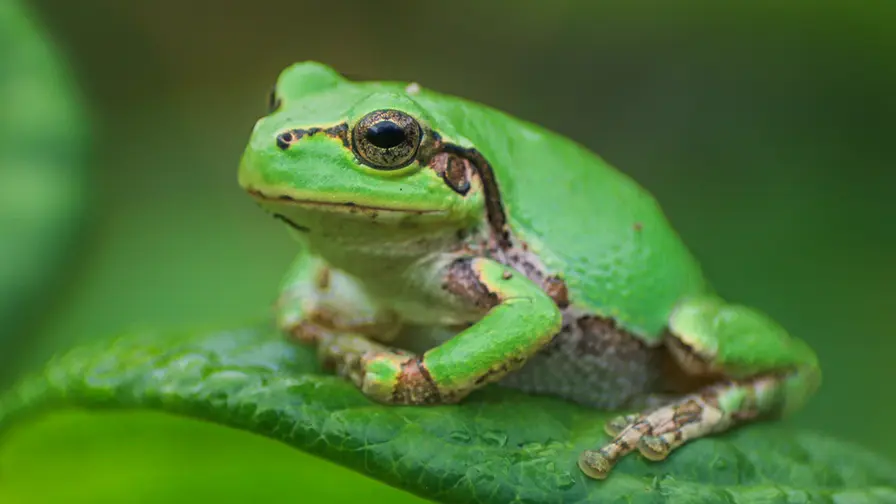
Read MoreNora Schmidt2025-12-262Frog Gut Bacteria Shrinks Tumors in Mice, Shows PromiseScientists discovered Ewingella americana, a gut bacterium from the Japanese tree frog, that eliminates tumors in mice and stimulates immune defenses. The finding points to new microbial-based cancer therapies while raising safety and translational challenges.
Read MoreNora Schmidt2025-12-263Why Early Stars Rarely Become Later World-Class ExpertsA large-scale Science review of 34,839 elite performers shows early standout performance rarely predicts later world-class success. Broader early experiences and gradual improvement better forecast long-term excellence.
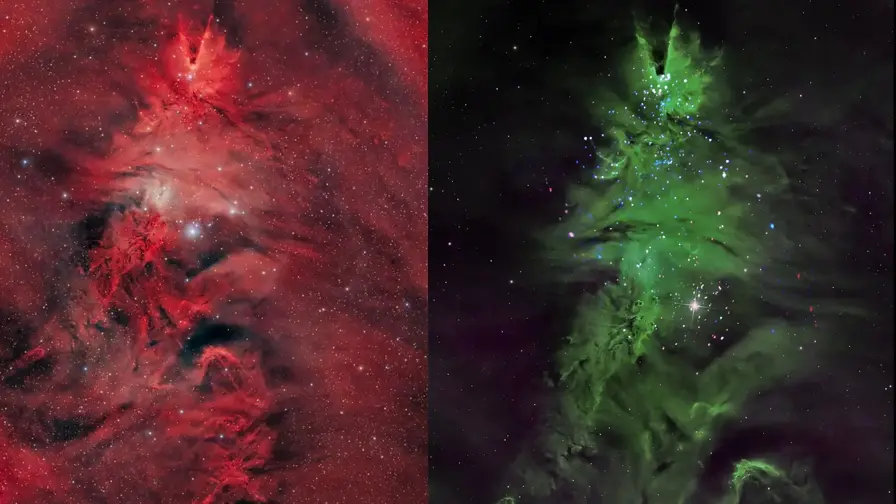
Read MoreNora Schmidt2025-12-262Cosmic Christmas Tree: NGC 2264 Lights the Milky WayNGC 2264 — the Christmas Tree Cluster with the Cone and Fox Fur nebulae — is a 2,700-light-year star-forming complex. Learn how young stars light gas and dust, its scale, and how to observe it.
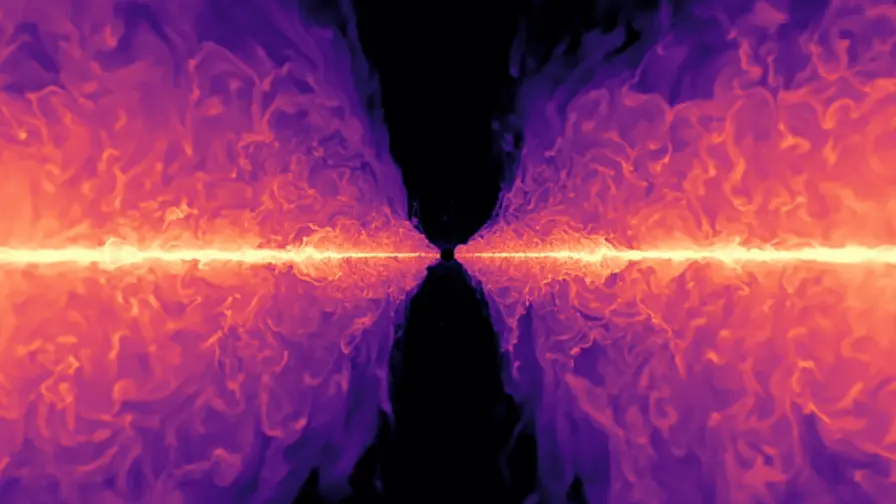
Read MoreOliver Hayes2025-12-252Supercomputers Reveal How Black Holes Feed and Fling MatterHigh-resolution supercomputer simulations show how stellar-mass black holes form dense disks, funnel material into narrow beams, and launch winds and jets. Findings link magnetic fields, radiation and relativity to observed behaviors.
Read MoreNora Schmidt2025-12-252Why Skin and Internal Organs Sense Cold DifferentlyA study from the Institute for Neurosciences reveals that skin and internal organs use different molecular sensors—TRPM8 and TRPA1—to detect cold, explaining why external chills and internal cold feel distinct.
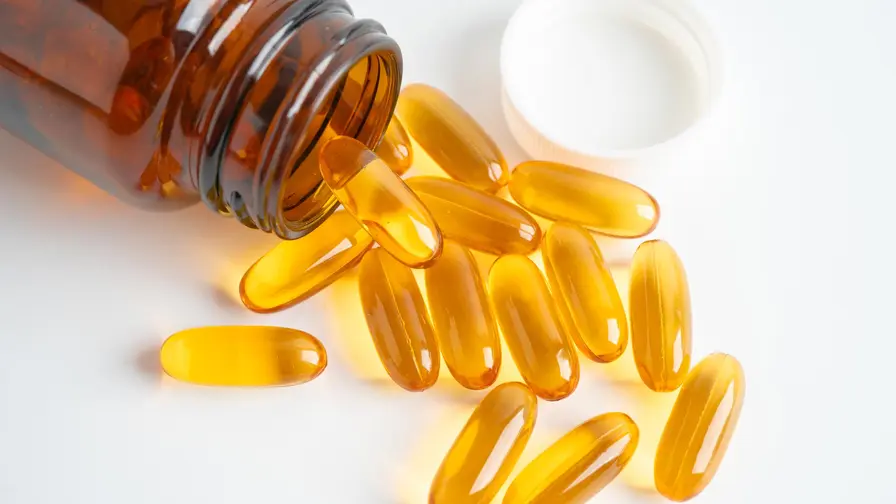
Read MoreOliver Hayes2025-12-252Fish Oil Cuts Major Heart Risks in Dialysis PatientsA major international trial (PISCES) shows daily 4 g fish oil cuts major cardiovascular events by 43% in hemodialysis patients, suggesting a low-cost adjunct to reduce heart risk in kidney failure.