Read MoreNora Schmidt2025-12-082Light’s Hidden Magnetism: Rethinking the Faraday EffectNew research shows light's magnetic field contributes substantially to the Faraday effect, overturning a 180-year assumption and opening paths for optical spin control in spintronics and quantum technologies.
Read MoreNora Schmidt2025-12-073Is the Y Chromosome Doomed? How Men’s Genes Might EvolveThe human Y chromosome has lost most ancestral genes, prompting debate: will it disappear or stabilize? This article reviews evidence, mechanisms, species examples, and implications for health and evolution.
Read MorePeyman Golkar2025-12-033What Sugar Really Does to Your Teeth, FastDiscover what really happens in your mouth when you eat sugar. Learn how oral bacteria, acid, and plaque interact with tooth enamel, and find science-backed strategies to protect your teeth from cavities.
Read MoreNora Schmidt2025-12-012Using ChatGPT May Reduce Deep Learning, Study ShowsNew experiments with over 10,000 participants show that relying on ChatGPT and other LLM summaries produces shallower knowledge than traditional web searches, highlighting trade-offs for education and work.
Read MoreNora Schmidt2025-11-194New Study Debunks Fluoride IQ MythA major new study using nationwide U.S. data finds no link between community water fluoridation and lower IQ or cognitive decline, challenging claims that fluoride in drinking water harms the brain.
Read MoreOliver Hayes2025-11-133Choose the Right Onion: Science of Red, Yellow, WhiteExplore the science behind red, yellow, and white onions. Learn how sulfur chemistry, sugars, and pigments affect flavor, storage, and best culinary uses, plus practical tests and expert insight.
Read MoreNora Schmidt2025-11-11Mind Captioning: Translating Thoughts to Text via MRIKanagawa researchers developed "mind captioning," combining MRI brain scans and AI to translate neural activity into textual descriptions. The prototype shows promise for assistive communication but raises privacy and ethical questions.
Read MoreOliver Hayes2025-11-053Should Bacon and Ham Carry Cancer Warning Labels Now?UK scientists urge cancer-style warnings on bacon and ham, citing nitrites that can form carcinogenic nitrosamines. This article explains the science, regulatory responses and public-health options.
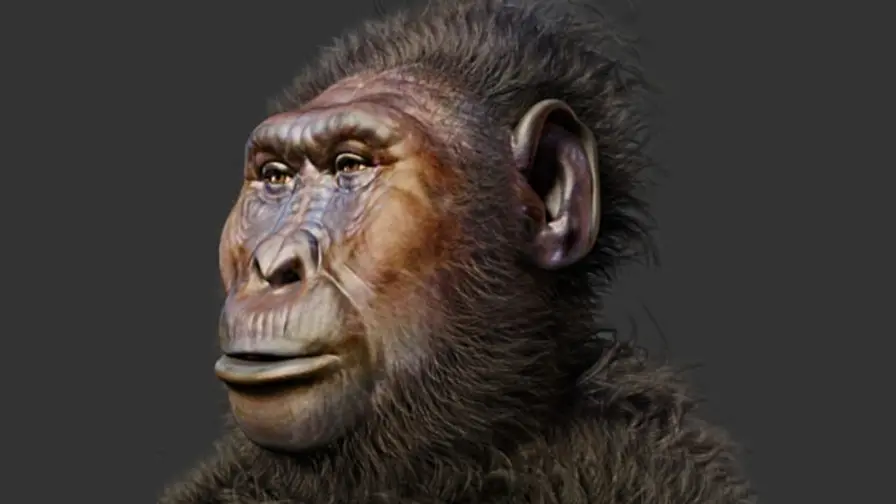
Read MoreOliver Hayes2025-10-283Ancient Paranthropus Hands Reveal Gorilla-Like GraspNew 1.5-million-year-old fossils from Koobi Fora reveal Paranthropus boisei had gorilla-like fingers but a human-like walking foot, reshaping views on locomotion, diet and diversity in human evolution.
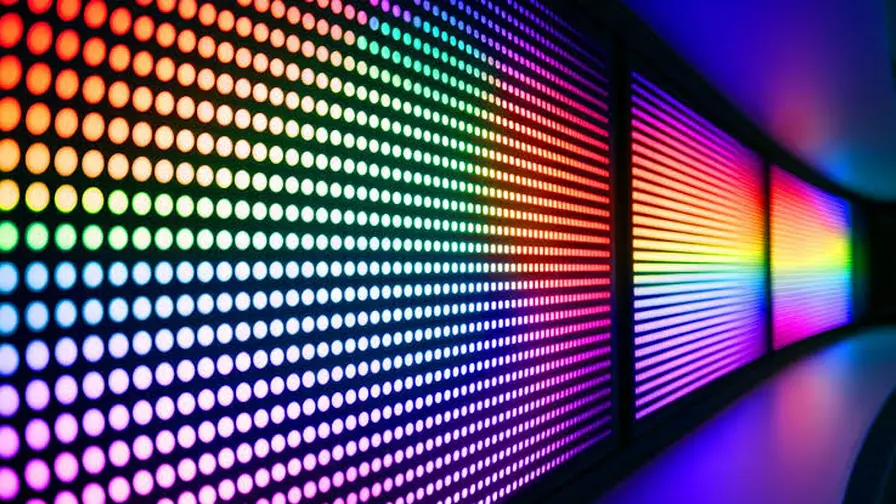
Read MoreOliver Hayes2025-10-262World’s Tiniest Light Pixel Could Shrink Smart GlassesResearchers at Julius-Maximilians-Universität Würzburg have built a 300×300 nm light-emitting nanopixel using an optical antenna and insulating aperture, a step toward ultra-compact OLED displays for smart glasses and wearables.
Read MoreNora Schmidt2025-10-263Does the Full Moon Disrupt Sleep? The Science ExplainedScience shows a full Moon can nudge sleep—delaying sleep onset and shaving 15–30 minutes of rest—especially in dark environments. Learn how moonlight, circadian rhythm, and vulnerable populations interact.
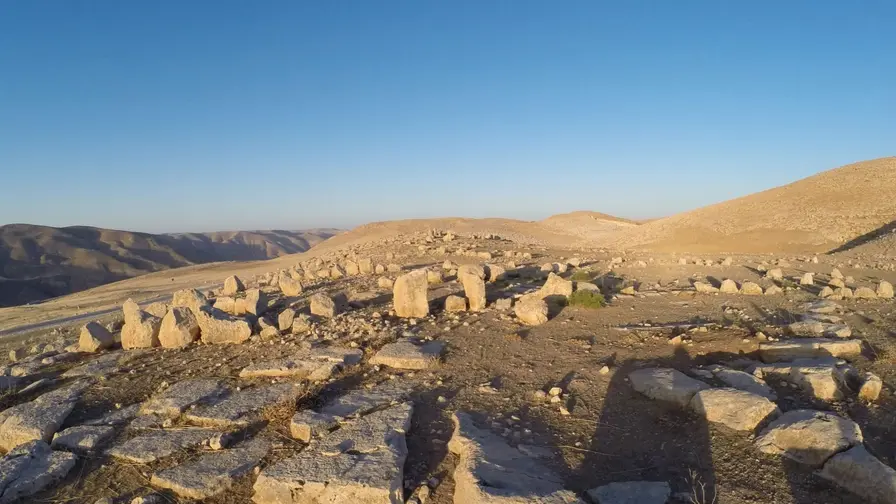
Read MoreNora Schmidt2025-10-225,500-Year-Old Ritual Landscape Discovered at MurayghatArchaeologists uncovered a 5,500-year-old Early Bronze Age ritual landscape at Murayghat in Jordan, where dolmens, standing stones, and communal artifacts reveal how ancient communities adapted to social and environmental change.
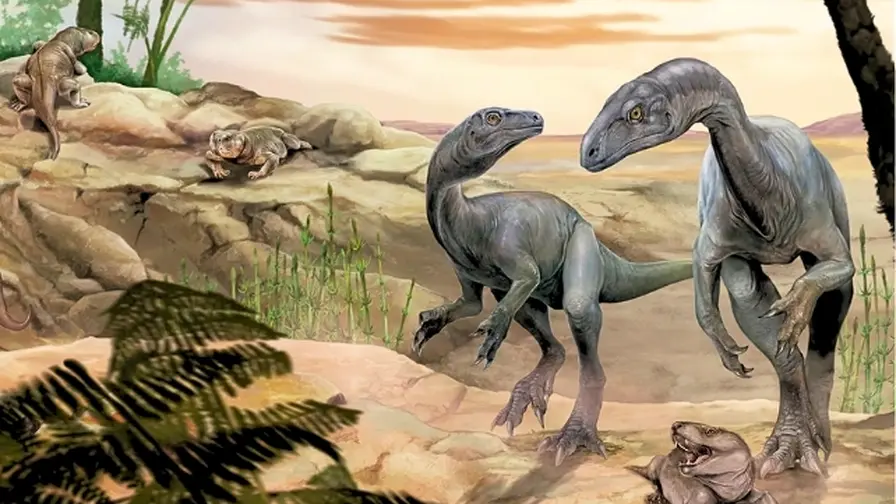
Read MoreNora Schmidt2025-10-19Argentina's Ancient Dinosaur: Huayracursor UnearthedArgentinian scientists uncovered an almost complete Huayracursor jaguensis skeleton at 3,000 m in La Rioja. Dating to 230–225 million years ago, this Triassic find sheds new light on early dinosaur evolution.
Read MoreNora Schmidt2025-10-18Why Identical Twins Can Have Large IQ Differences, ReallyA fresh reanalysis shows identical twins raised apart can exhibit large IQ gaps tied to differences in schooling, suggesting education plays a stronger role in measured intelligence than previously thought.
Read MoreOliver Hayes2025-10-17Taming Free Electrons: Quantum Crystals for TomorrowAuburn researchers propose surface-immobilized electrides—materials that control free electrons on solid surfaces—to enable tunable quantum bits and powerful catalysts, bridging theory and device-ready design.
Read MoreNora Schmidt2025-10-14Why Absolute Zero Is Unreachable: The Physics ExplainedWhy absolute zero (0 K) is fundamentally unreachable: the third law of thermodynamics, how researchers cool matter to micro- and nanokelvin, and what physicists mean by negative temperatures.
Read MoreNora Schmidt2025-10-14How Losing Shapes the Brain and Alters Social RankOkinawa researchers show that losing social contests rewires decision-making circuits in the mouse brain. The study links cholinergic interneurons in the posterior striatum to the ‘loser effect,’ with implications for social behavior and resilience.
Read MoreOliver Hayes2025-10-14Brain Shape Changes May Predict Future Dementia RiskNew UC Irvine and University of La Laguna research shows that specific 3D changes in brain shape, not just volume loss, correlate with cognitive decline and may help predict dementia risk, highlighting the entorhinal cortex's vulnerability.
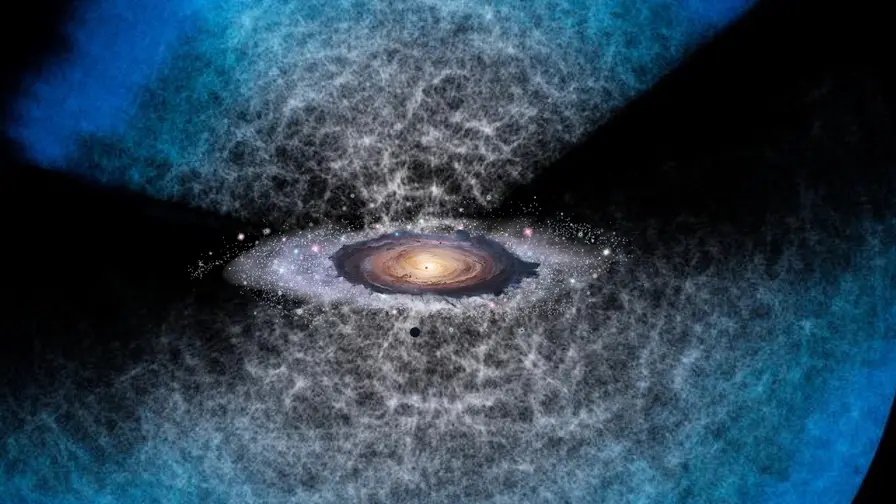
Read MoreNora Schmidt2025-10-10Run Cosmological Universe Simulations on a Laptop NowEffort.jl, an EFTofLSS emulator developed at the University of Waterloo, lets researchers run accurate cosmological analyses on a standard laptop in hours, speeding model exploration for DESI, Euclid and other surveys.