
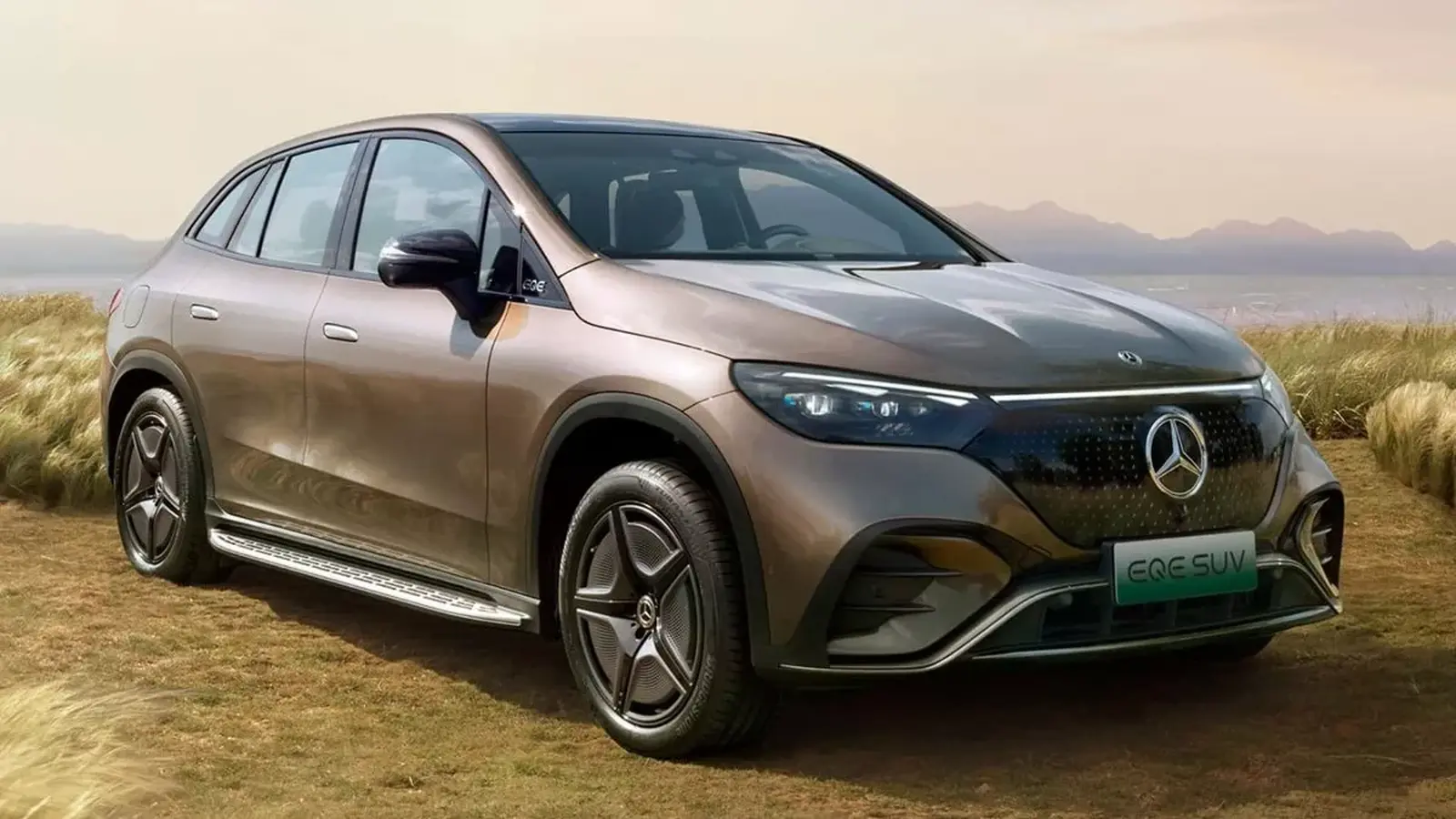
Mercedes-Benz is developing new battery cell chemistries and advancing solid-state cell testing to produce more compact, lighter battery systems that maintain or improve current performance while reducing reliance on critical raw materials.
Manganese-rich chemistries and LNMO development
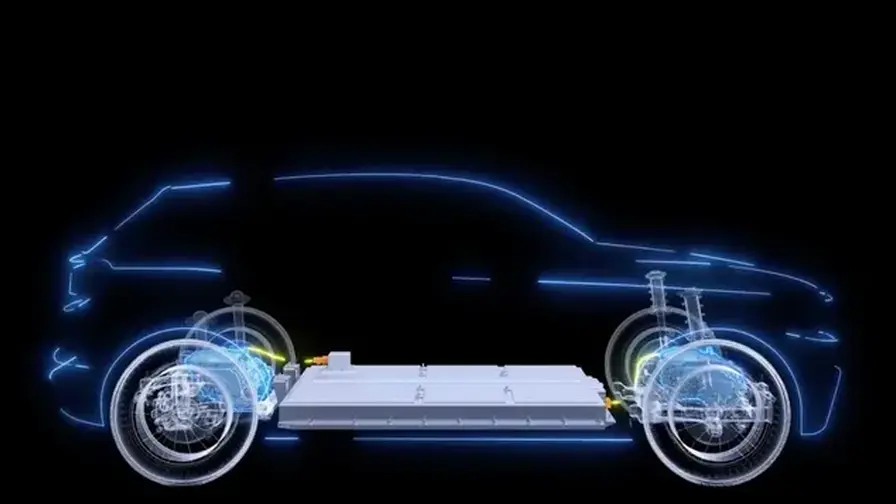
The company is investigating blends that increase manganese content by combining lithium manganese oxide (LMO) with nickel-manganese-cobalt (NMC) oxide to reduce cobalt and nickel proportions while seeking an acceptable balance between energy density and cost. Separately, Mercedes-Benz is working on lithium nickel manganese oxide cells known as LNMO. According to the company, LNMO can eliminate the need for cobalt and requires much less nickel than today’s NMC cells while retaining the potential for high energy density at competitive cost.
Mercedes-Benz highlights LNMO’s ability to operate at high voltage, up to 5 volts, and says that, compared with lithium iron phosphate (LFP) cells, LNMO could provide up to 30 percent more range at similar weight and packaging. The stated aim is to develop more compact, lighter battery systems that preserve or improve on current performance and create additional packaging freedom for vehicle and interior design. Mercedes-Benz adds that developing cell-chemistry platforms internally will help the company respond faster to changes in technology, markets, and regulation.
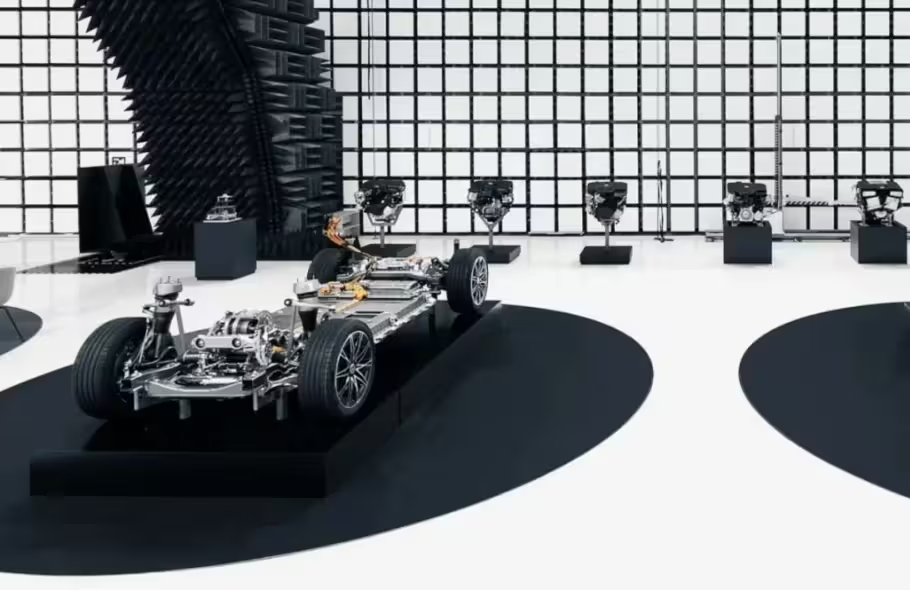
Jörg Bartels, vice president of powertrain development at Mercedes-Benz, said: "No technology influences a car's character as much as the powertrain, whether fully electric or hybrid." He added that Mercedes-Benz wants to deploy the best technologies in ways that deliver tangible value to customers, and that innovation matters when technical superiority becomes a simple, understandable driving experience and an emotional connection between driver and car.
Solid-state testing and partner programs
Mercedes-Benz is also progressing solid-state battery development with strategic partners Factorial Energy and ProLogium while testing multiple cell concepts in real-world conditions. The company previously developed a lithium-metal solid-state battery with Factorial Energy and installed it in an EQS test vehicle for on-road validation. That test vehicle completed a single-charge route from Stuttgart to Malmö covering 1,205 km, demonstrating the technology’s potential for extended range in real-world use, according to Mercedes-Benz.
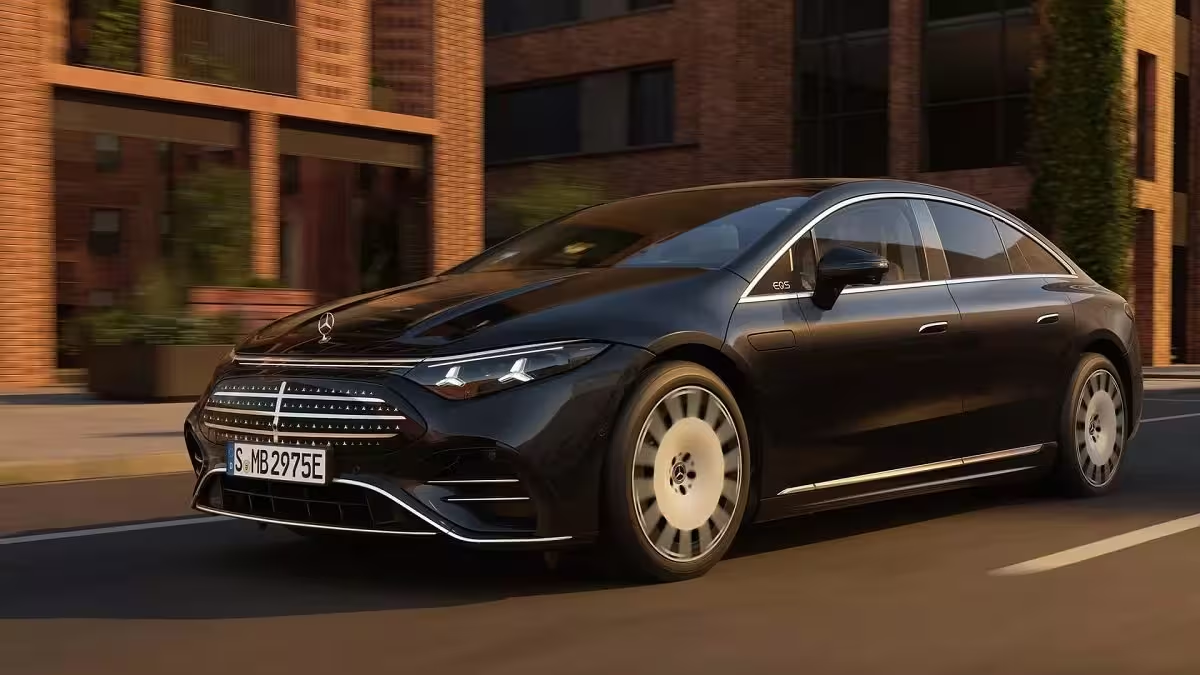
Mercedes-Benz said it is evaluating next-generation solid-state cells, including ProLogium’s Gen4 cells. Gen4 performance, safety, and thermal characteristics are undergoing extensive testing to assess suitability for future mass-production vehicles. The company is also testing other partners’ solid-state cells and internally developed prototypes and is drawing on expertise from its Mercedes-AMG Formula 1 powertrain specialists in the United Kingdom.
Testing partners and internal development efforts include:
- Factorial Energy — lithium-metal solid-state cell testing in an EQS test vehicle
- ProLogium — Gen4 solid-state cell evaluation
- Mercedes-Benz internal cell development and testing with Mercedes-AMG F1 powertrain specialists

“I cover automotive innovation, electric vehicles, and the future of mobility — where technology meets sustainability.”

Discussion
Leave a Comment
Comments
No comments yet. Be the first.