
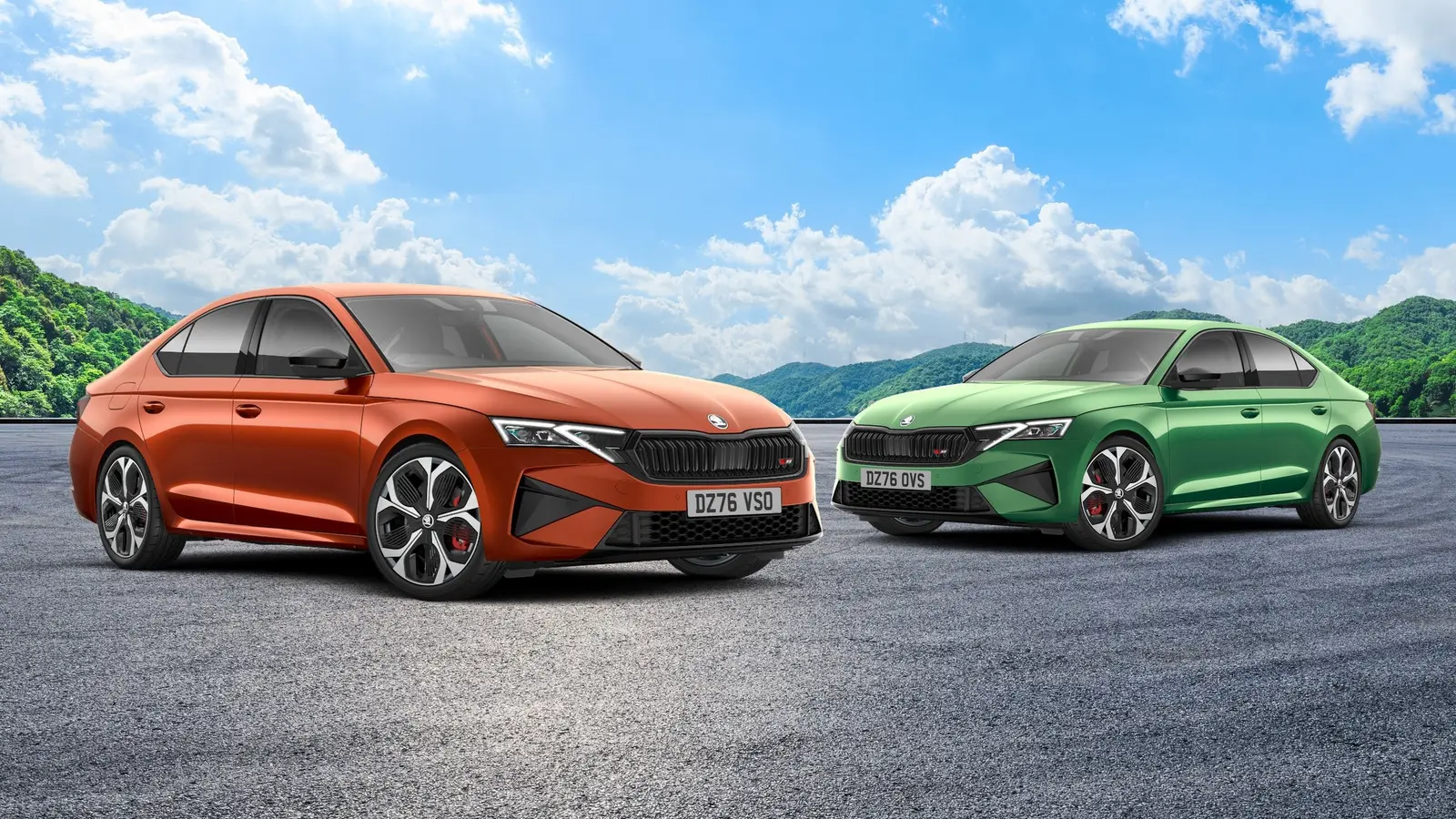
Skoda will discontinue the Octavia TDI diesel option from mid-2027, leaving gasoline and a new 1.5-liter TSI full-hybrid as the sole powertrains. The Czech marque confirmed the change to its home-market sales chief and said the hybrid will share showroom space with conventional petrol models from mid-2027.
Published 12 Nov 2026, by Mircea Panait. Jirí Malacek, head of Skoda sales in Czechia, confirmed the decision to Czech publications including Autosalon and attributed it to falling customer demand for diesel. Malacek also referenced the long-term consequences of the Volkswagen Group diesel emissions scandal as part of the wider context for diesel’s decline.
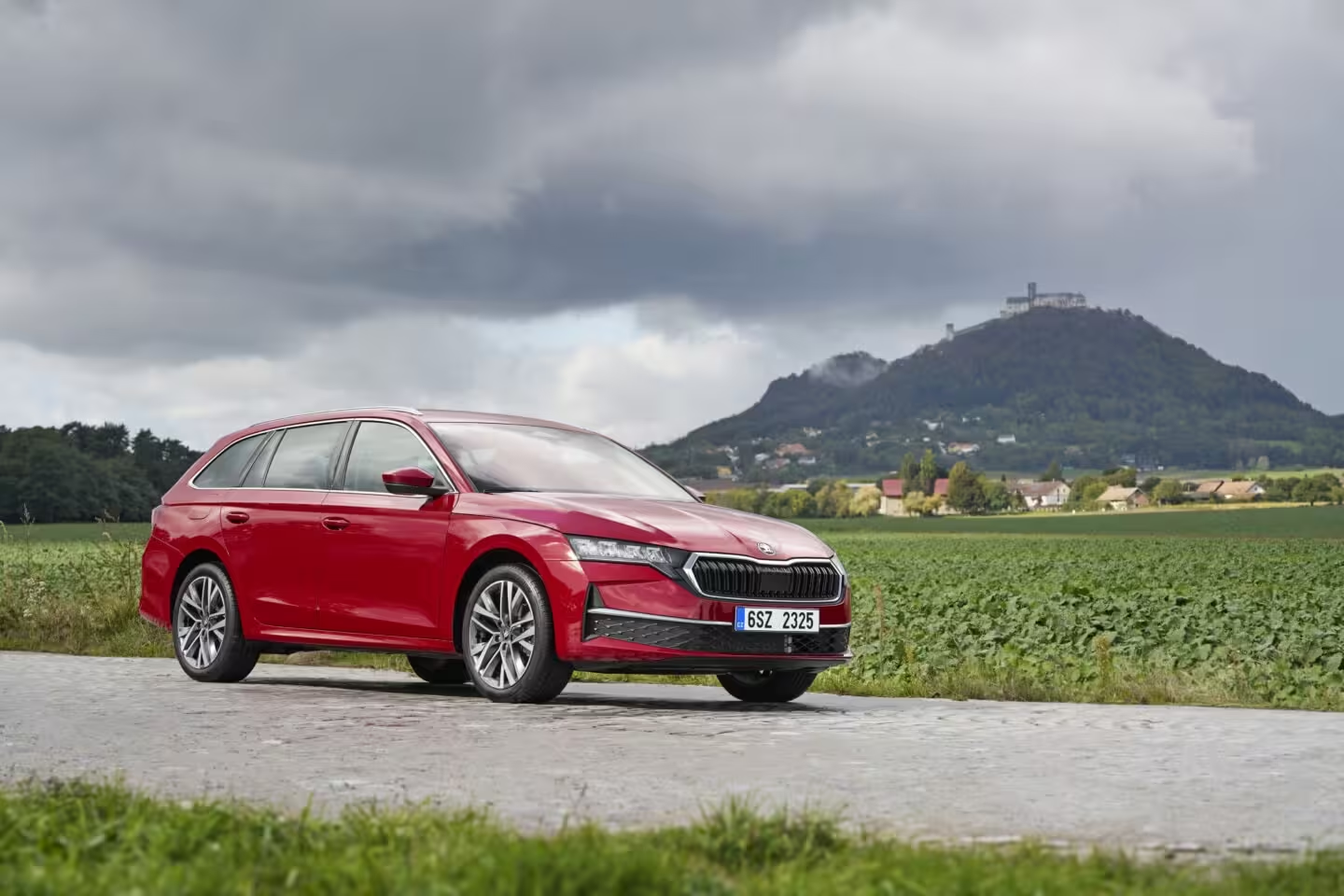
For now, diesel versions of the Octavia can still be ordered, but Skoda says there is no direct diesel replacement planned. The company expects the full-hybrid variant to be a relatively small share of sales: Malacek anticipates the hybrid will represent roughly 10 percent of Octavia sales in Czechia.
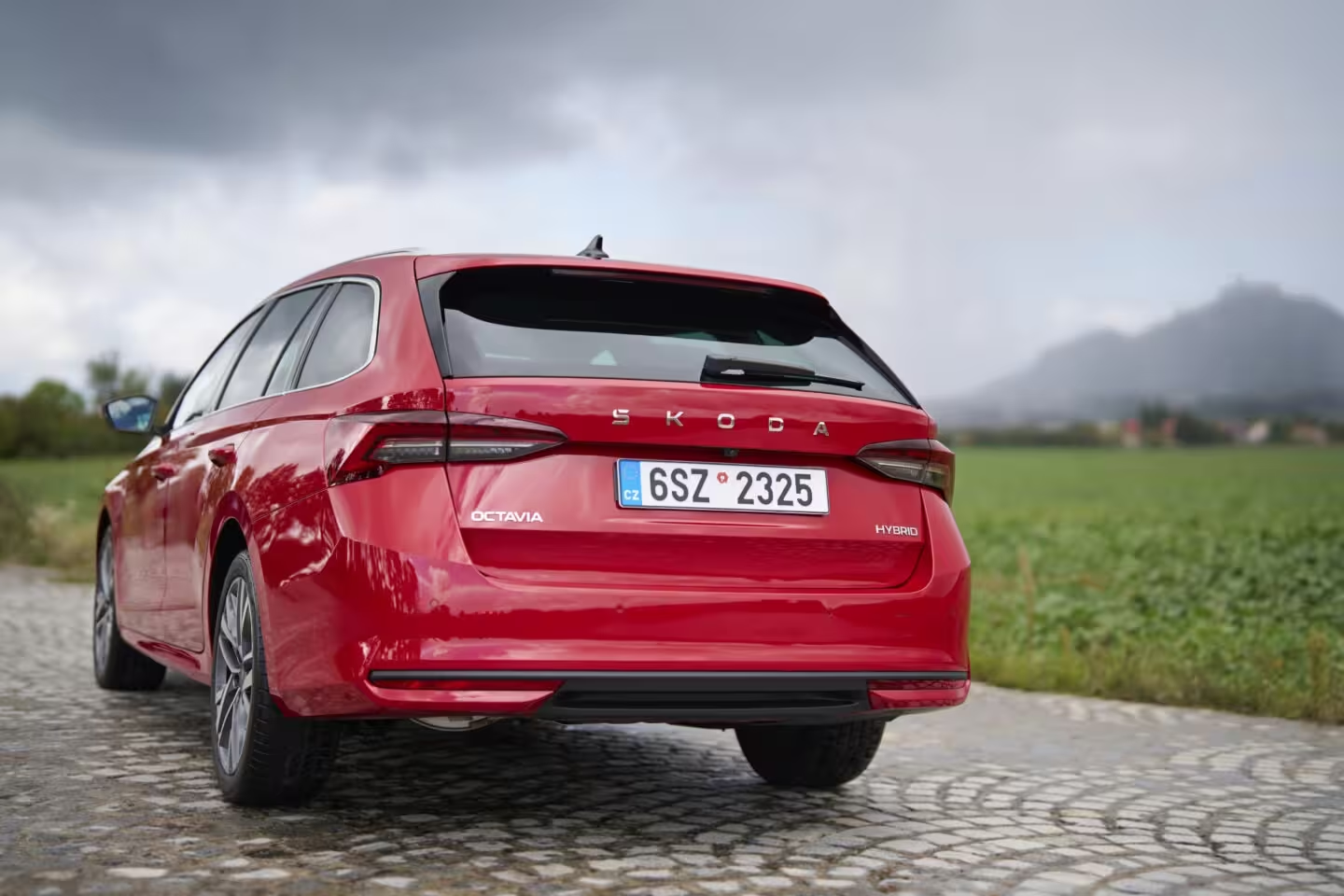
How the 1.5 TSI full-hybrid works
The new full-hybrid setup is built around the 1.5-liter TSI four-cylinder petrol engine and adds two electric motors, a single-speed gearbox and a compact battery pack. Skoda offers two system outputs: a lower-output version rated at 100 kilowatts (134 horsepower) and a stronger unit rated at 125 kilowatts (168 horsepower). The 1.5 TSI alone, without electrical assistance, produces 96 kilowatts (129 horsepower).
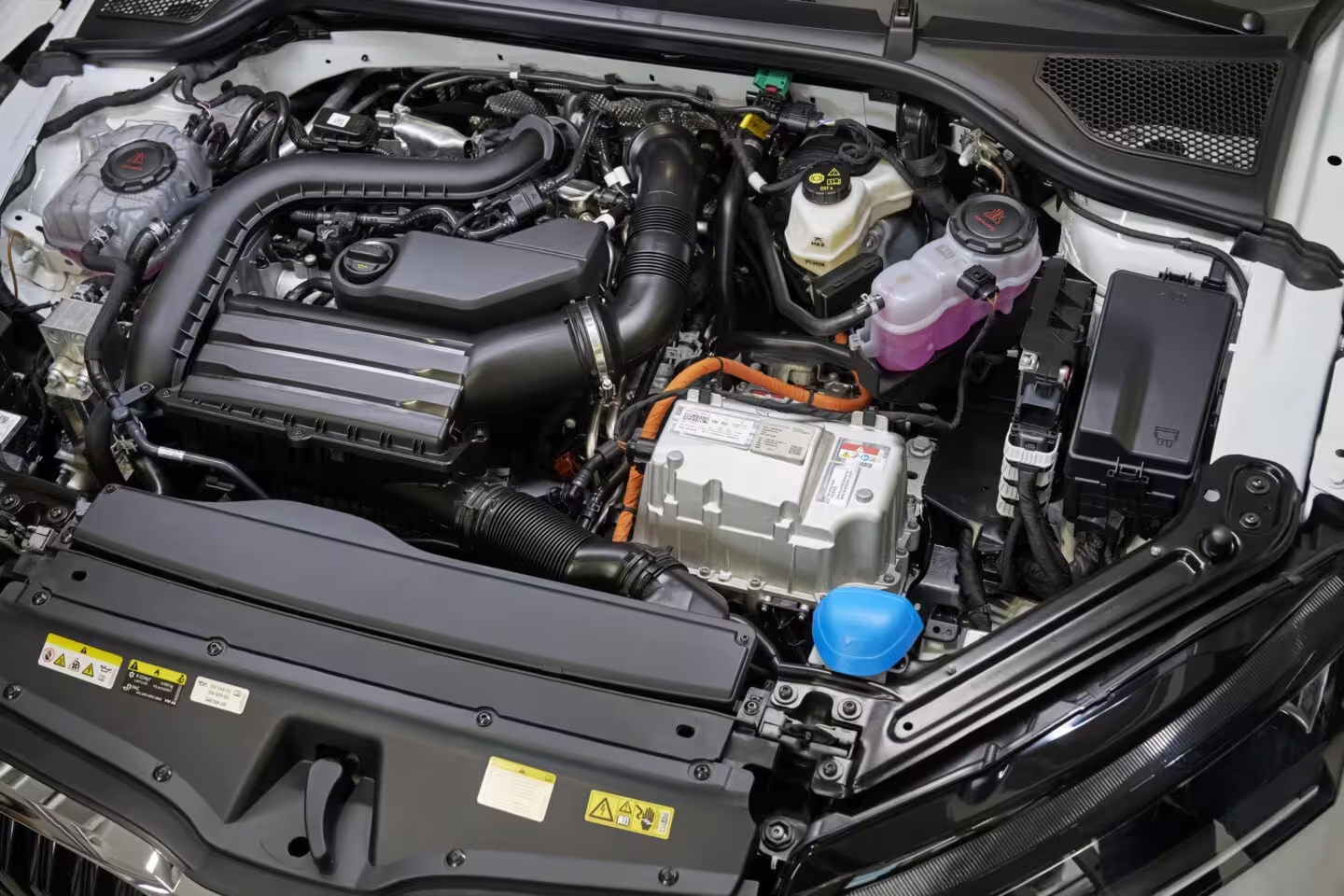
Skoda describes the system as series-parallel hybrid architecture. A traction motor can drive the front wheels directly, while a smaller electric machine starts the engine and functions as a generator. A clutch links the 1.5 TSI to the front axle when conditions favour direct internal-combustion drive. The system switches among three operating modes: an electric-only mode for short distances and low speeds using stored charge; a series-hybrid mode in which the combustion engine generates electricity for the motors, mainly used at speeds up to 60 kilometres per hour (37 miles per hour) when battery charge is low; and a parallel mode at higher speeds where the engine is mechanically connected to the wheels through a fixed gear ratio, with the traction motor providing additional torque.
Skoda positions the hybrid as an efficient alternative to diesel for urban and mixed driving, but does not expect it to replace diesel’s former dominance among taxi and fleet buyers. The firm emphasised the hybrid’s electric drive capability is limited to short distances rather than extended pure-electric range.

“I cover automotive innovation, electric vehicles, and the future of mobility — where technology meets sustainability.”

Discussion
Leave a Comment
Comments
No comments yet. Be the first.