
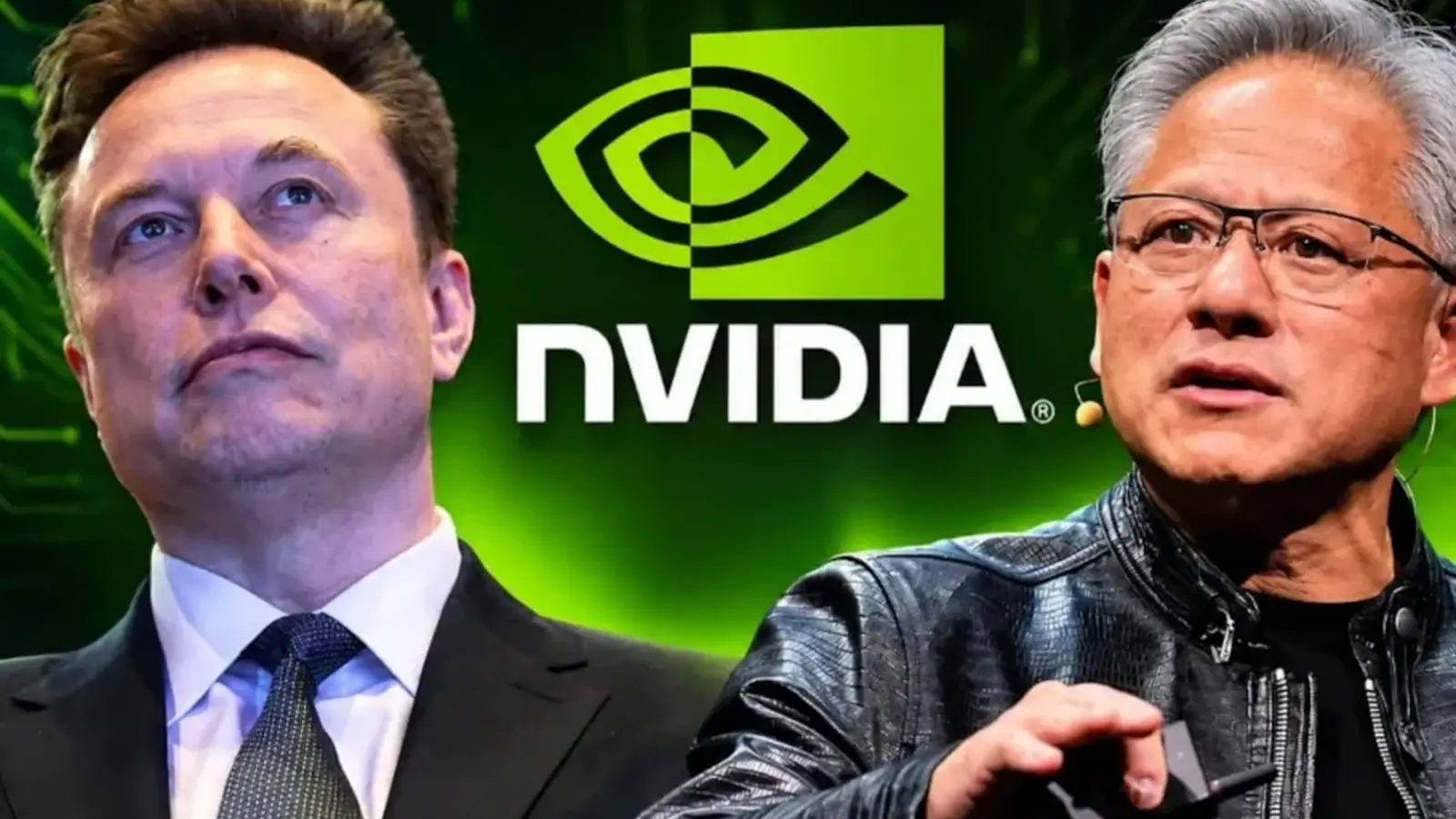
Elon Musk warned that Nvidia could lose critical supply contracts after Jensen Huang's sudden departure, arguing that many of the company's most important hardware agreements rested on personal trust rather than formal written contracts.
Musk's warning and Huang's role in Nvidia's supply chain
Musk, chief executive of Tesla and xAI, made the remarks on X in response to an interview featuring Dylan Patel of SemiAnalysis. Musk said Nvidia's operational dominance depended heavily on Huang's direct relationships across the semiconductor industry and cited his own experience procuring AI infrastructure for xAI and Tesla.
In Musk's words: "Jensen led the supply chain at Nvidia brilliantly, but many of those deals were a handshake with Jensen, not written contracts. Without Jensen, at least some of those critical contracts will be lost."
He added that Huang honored verbal commitments during urgent deployments: "If Jensen promised me delivery of compute power or I asked for faster shipment of parts, he always delivered. Of course later we would place a formal purchase order, but I wouldn't have doubted for a second that it would happen."
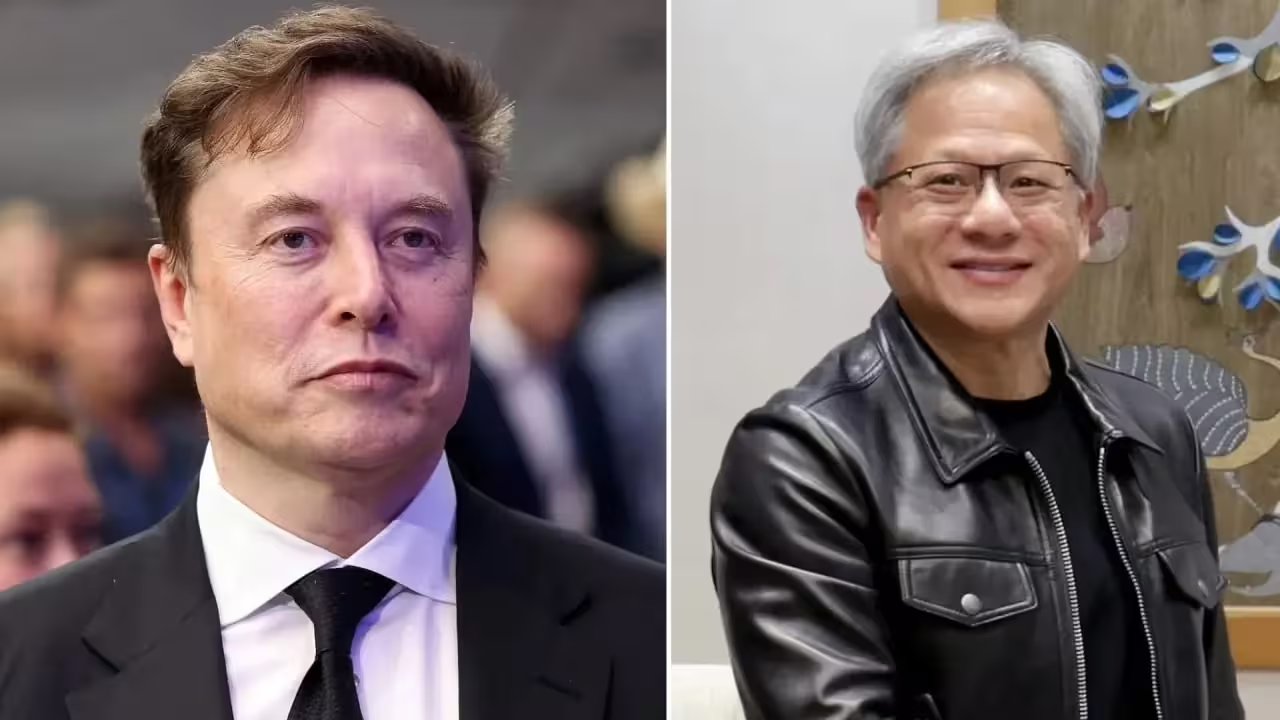
How Huang secured suppliers and what rivals are doing now
Patel told the interview that Huang systematically cultivated manufacturers of smaller but strategically important components, convincing them to devote capacity to Nvidia. Patel said Huang could see future demand and persuaded suppliers, including firms with only a few hundred million dollars in revenue, to let Nvidia buy and expand their entire supply capacity.
Patel summarized that approach: "Jensen had perfect foresight, he understood the demand and went to all these managers; even to small companies with only a few hundred million dollars revenue but making an important subcomponent. He convinced them to allow him to buy the entire supply capacity and develop everything."
According to the interview, Nvidia's lead is under pressure following Huang's resignation as rival technology companies, led by Google, are moving to capture production capacity that Nvidia had previously relied on. Patel suggested other firms may follow Google's approach to secure capacity.
Leadership change and strategic implications for Nvidia
The interview and Musk's comments come after Huang's sudden exit and the appointment of Colette Kress as interim chief executive. Observers in the interview framed the issue as how quickly Nvidia can stabilize relationships and re-establish the capacity it is reported to be losing.
During his tenure, Huang pursued aggressive commercial tactics, including cyclic financing to invest in AI startups and arrangements to absorb surplus chip inventory produced by TSMC. Those tactics included:
- providing financing to startups linked to Nvidia's ecosystem,
- securing entire production runs from small suppliers, and
- taking on excess TSMC-produced chip inventory to ensure supply.
By contrast, Colette Kress is described as adopting a more conservative approach to running the business. The interview leaves open the question of how quickly Nvidia can recover any market position affected by the leadership change and shifting supplier relationships.

“I love exploring gadgets, apps, and trends that redefine how we connect, work, and play in a digital world.”

Discussion
Leave a Comment
Comments (2)
I've seen this happen in supply chains, dont underestimate the hit when a personality leaves. Quick move to lock capacity or youll lose it
Is this even real? Handshake deals for multi-billion chips sounds risky, why no written contracts lol. If Jensen's gone, rivals will swoop fast