
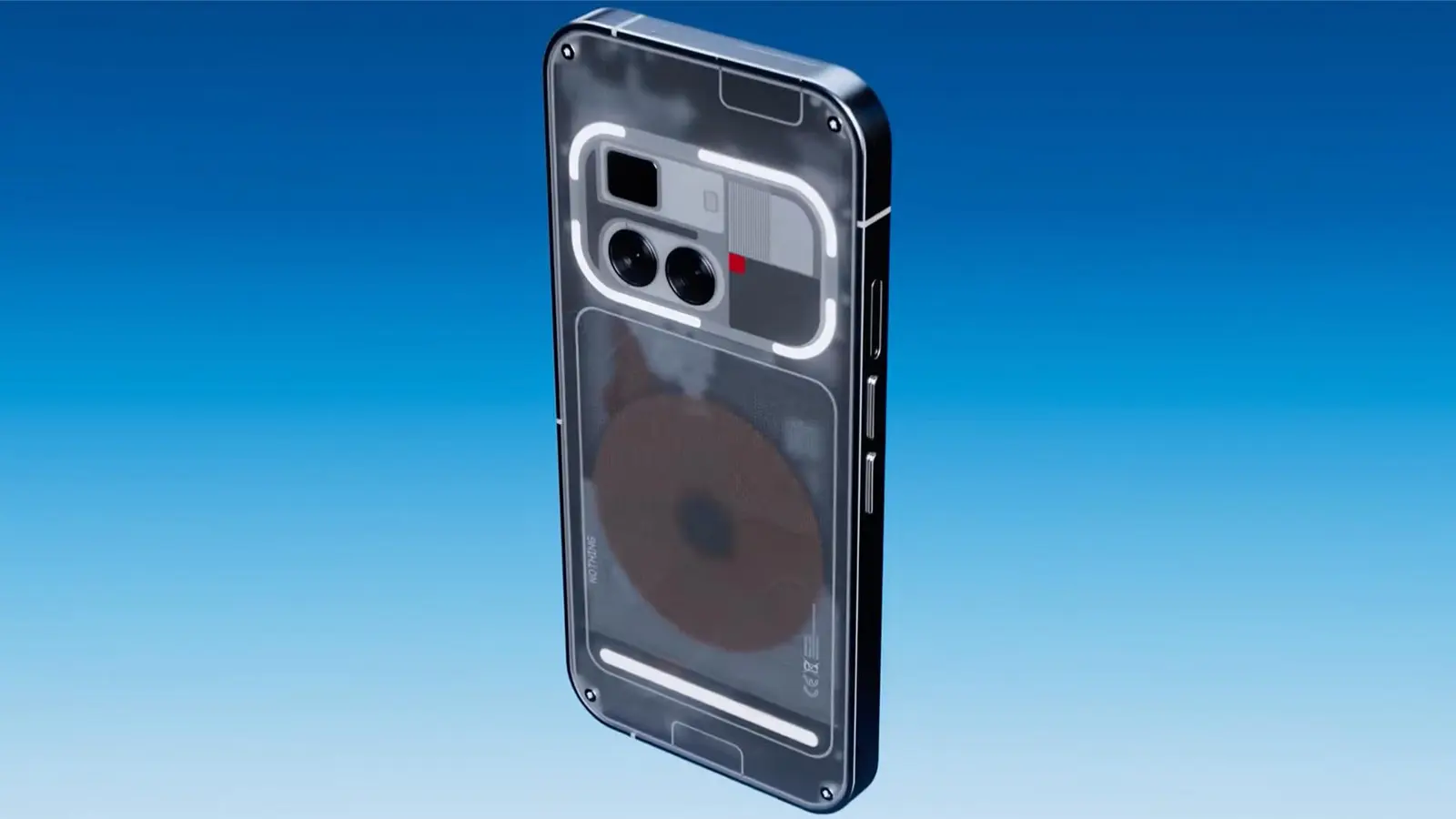
Imagine sliding a phone into your pocket and forgetting it’s there until you need it. That small, almost nostalgic pleasure is what Nothing’s latest fan-driven concept seems built to reclaim.
A tiny phone that remembers the little things
Nothing invited its community to sketch frustrations and wishes, then translated those sketches into a tidy 3D concept: a genuinely compact handset that stays under six inches, brings back the 3.5mm headphone jack and reintroduces microSD expandable storage. Simple demands, stubbornly ignored by many flagship makers. The result looks less like a marketing mood board and more like a checklist of user grievances finally being taken seriously.

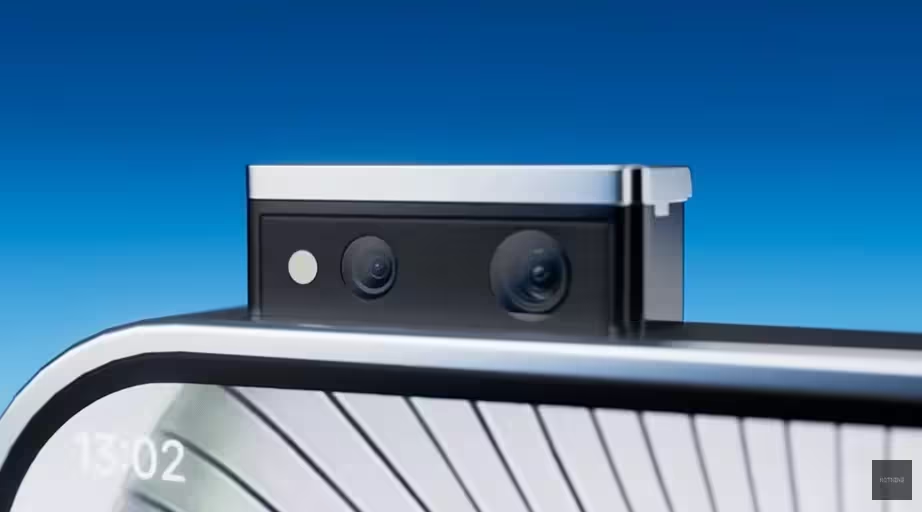
There are practical touches throughout. A pop-up selfie camera hides dual sensors to keep the front unobstructed — no notch, no punch-hole stealing pixels. The rear camera module sits nearly flush so the phone doesn’t rock when placed on a table. Small refinements, but the kind that change daily habits.
Under the skin, the concept favors Nothing OS in its lean form: no carrier cruft, no preloaded junk. Powering it is a 3,800 mAh silicon-carbon battery, an unusual material choice that hints at engineering thinking rather than mere trend-chasing. The designers clearly prioritized real-world use over spec-sheet theater.

Nothing has done community-led exercises before; the company worked with creators such as MKBHD and JerryRigEverything on similar playful explorations. This latest rendering is not slated for production. It’s presented as a creative experiment — a way to catalog what fans actually want and to nudge product teams in directions that matter.
This concept isn’t a product, it’s a map.
The map points to a few hard truths: people still crave small, pocketable devices; many want affordable ways to keep local music and photos; and some users prefer wired audio for reliability and latency. Those are not niche complaints. They are recurring refrains from buyers tired of ever-larger slabs and cloud-only storage models.
Will these ideas show up in the next Phone 3 or Phone 4? Maybe not in their entirety. But prototypes and community renderings often act like pressure valves: good ideas leak into reality. Even a single feature—restored expandable storage, say—could quietly alter the brand’s appeal for a sizeable group of buyers.
Either way, the Dream Phone shows how a company can turn listening into design fodder rather than a PR talking point. For anyone hankering for smaller, more practical phones, it’s an encouraging sign: the industry still has room for thoughtful pushback against the “bigger is better” script.


“I cover emerging technologies, digital innovation, and the intersection of tech and everyday life. My goal is to make complex trends accessible and inspiring.”

Discussion
Leave a Comment
Comments
No comments yet. Be the first.