
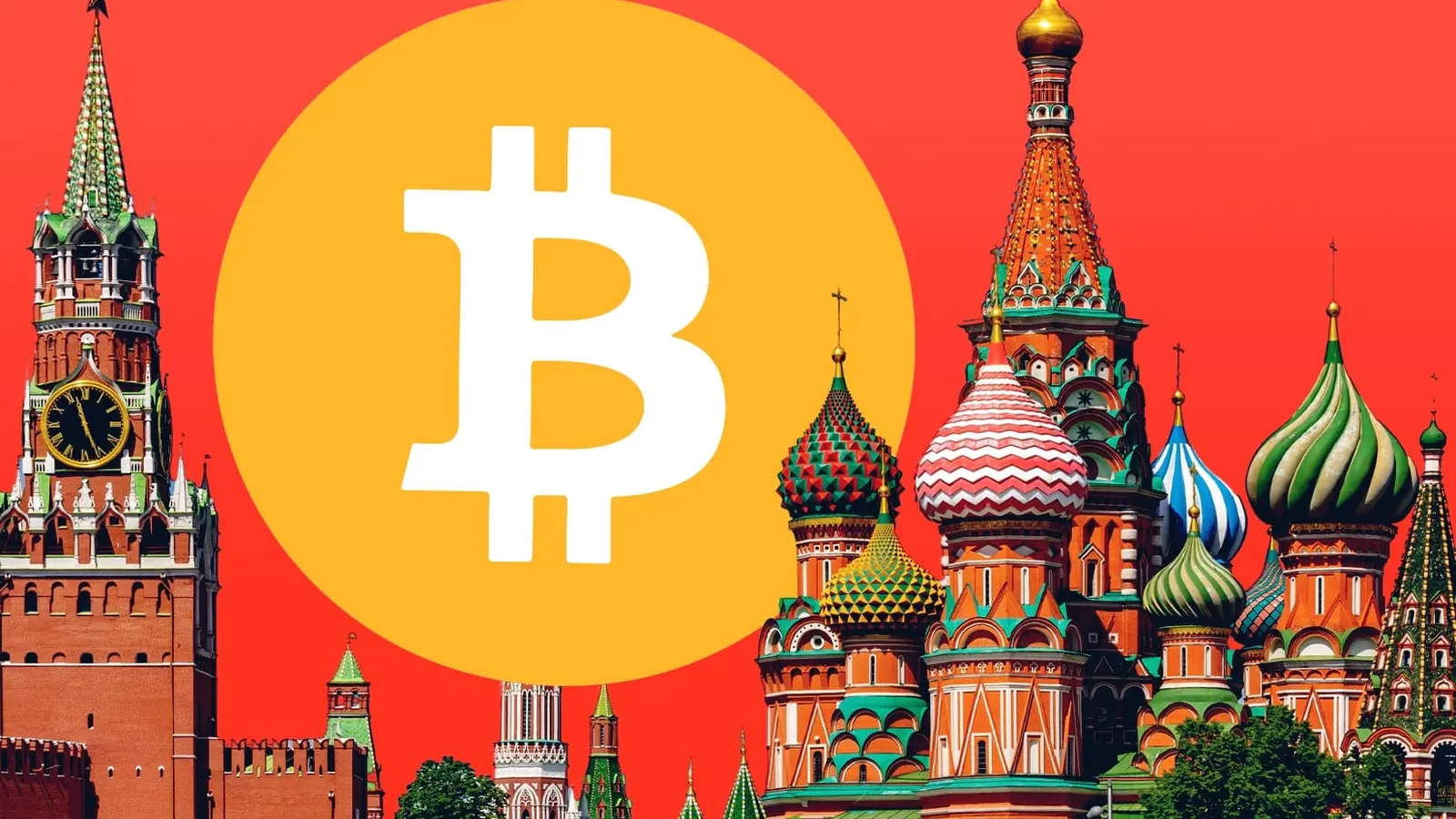
Russia will expand its regional cryptocurrency mining restrictions to include Moscow, the Moscow Region and designated territories in Kursk Region effective August 15, 2026. Government Resolution No. 936, signed by Prime Minister Mikhail Mishustin on July 25 and published July 31, amends an earlier territorial restriction order and bans both direct mining and participation in mining pools through December 31, 2032.
What the ban covers
Territories and scope
The decree adds Moscow and the entire Moscow Region as well as nine marked municipal areas in Kursk Region to the list of restricted zones. In Kursk the restriction applies to Belovsky, Bolshesoldatsky, Glushkovsky, Korenevsky, Lgovsky, Rylsky, Sudzhansky and Khomutovsky districts, plus the city of Lgov. The measure expands an existing regional framework rather than imposing a nationwide mining prohibition.
Activities prohibited
Resolution No. 936 explicitly forbids operating cryptocurrency mining facilities and participating in mining pools within the newly specified areas. The order covers both direct hash-power generation and coordinated pool operations, and requires affected miners to cease activity or relocate equipment by the August 15 implementation date.

Why the government moved to expand restrictions
Power capacity and grid stability concerns
Russian energy authorities cited risks to regional electricity systems as the driving force behind the extension. Regional officials estimate current mining demand in the Moscow power system is roughly one gigawatt. Forecasts reported to state media indicate data-center and mining-related capacity in and around Moscow could reach 3.6 gigawatts by 2032 — equivalent to about 17% of the system’s projected maximum load — highlighting potential stress on the grid if growth remains unrestricted.
Local requests and regulatory context
Moscow Region energy administrators had requested the ban to limit seasonal and year-round pressure on distribution networks. Kursk officials similarly sought limitations in the listed districts to protect local electricity infrastructure. The government’s action inserts the affected territories as entries 14–16 in the restriction order that originated under Resolution No. 1869 from December 2024.

Implementation, enforcement and timelines
Deadlines and compliance
Operators in the newly restricted regions face a shutdown or relocation deadline of August 15, 2026 — 15 days after the decree’s publication. The prohibition remains scheduled to expire on December 31, 2032 unless extended or amended by future government action. The resolution does not specify the exact volume of mining capacity or number of devices that will be impacted, leaving estimates subject to verification by regional authorities.
Registry and monitoring
The decree builds on Russia’s broader regulatory approach that legalized mining in 2024 while introducing a registry system intended to identify unregistered operations and equipment. Authorities have been developing monitoring and enforcement mechanisms to detect unauthorized miners and to encourage compliance from registered operators.
Wider policy background and potential impact
Russia has progressively widened regional restrictions since 2025, with prior year-round bans across parts of Buryatia and Zabaykalsky Krai and temporary measures affecting several North Caucasus republics. A power-industry commission backed the Moscow and Kursk proposal in May, which helped move the plan toward Cabinet approval while legislators debated penalties for unregistered mining activity.
Hash rate and market implications
Observers caution that claims the new Moscow-area ban will materially change Bitcoin’s global hash rate remain unverified. While Moscow’s mining appetite represents a measurable share of local electricity demand, the global Bitcoin network is geographically distributed. Any actual impact on hash rate will depend on how much capacity shuts down versus relocates, and whether displaced operations resume in other regions or countries.
Takeaway for miners and stakeholders

Affected miners must act quickly to comply with the August 15 deadline, whether by registering, relocating rigs to permitted zones, or halting operations. Energy planners and crypto industry participants should monitor further enforcement guidance from Russian energy and regional authorities, as well as updates to the mining registry and any subsequent amendments to Resolution No. 936. For global crypto markets, the most relevant near-term developments will be enforcement reports and any verified data on relocated hashing power and its effect on regional grid loads and the broader Bitcoin hash rate.

“With a background in economics and digital markets, I write about startups, finance, and the trends transforming the global economy.”

Discussion
Leave a Comment
Comments
No comments yet. Be the first.