
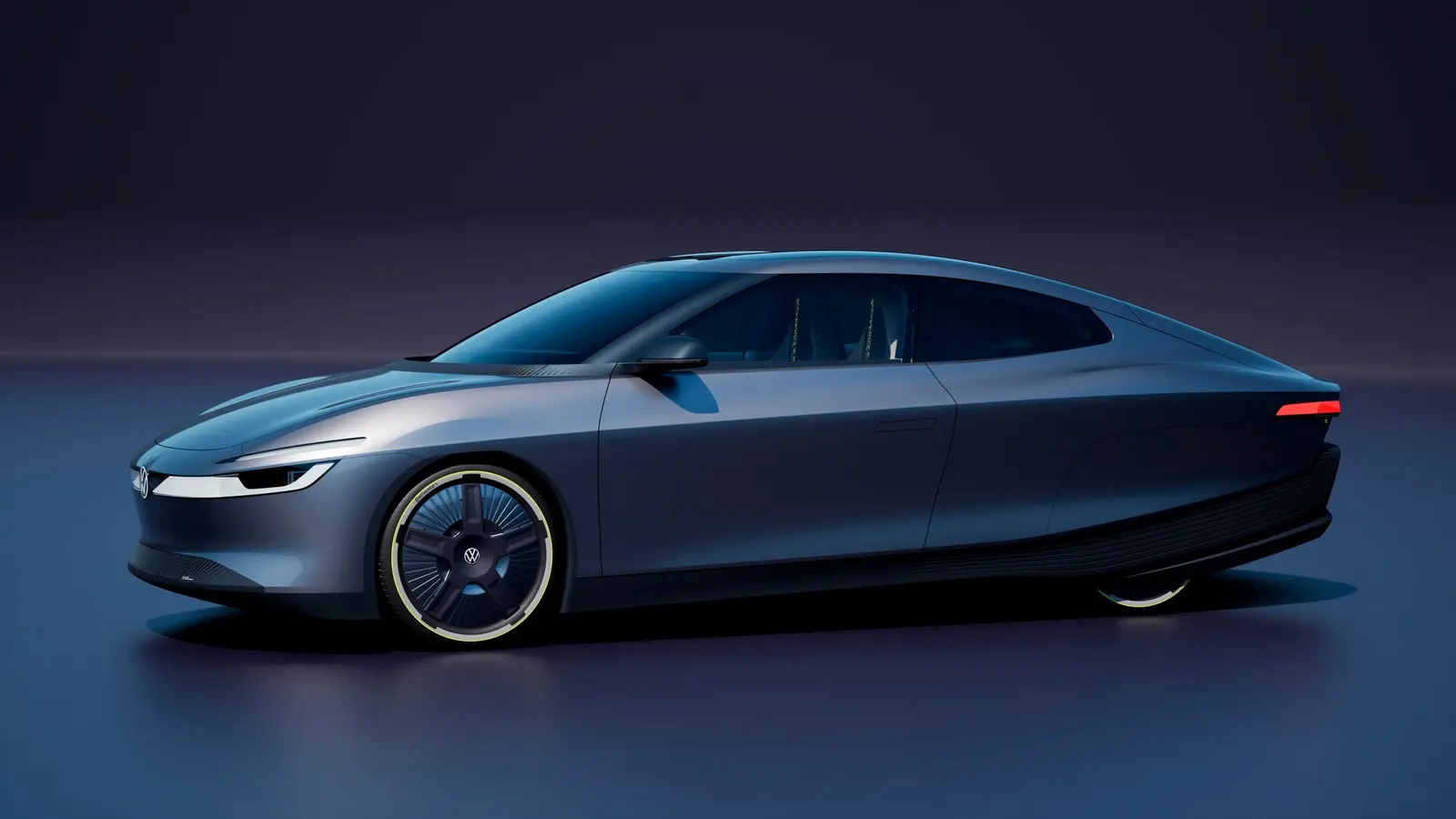
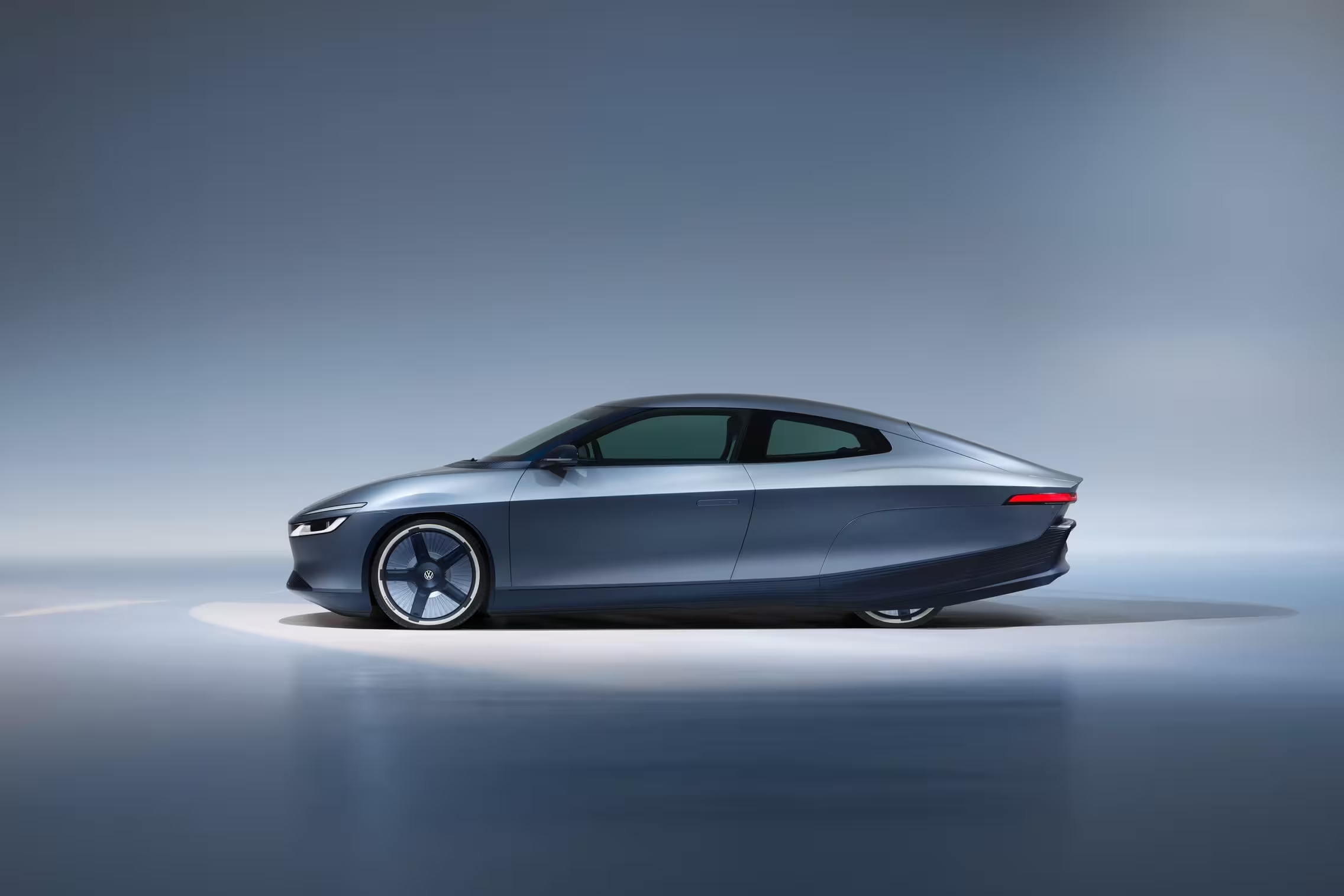
Volkswagen has unveiled Mission Efficiency, a near-production prototype the company calls "the world's most efficient near-production electric car," and has released new test data to support the claim. The prototype has already established three world records, the automaker says, led by an extraordinary drag coefficient and ultra-low energy consumption figures.
Volkswagen calls Mission Efficiency the world's most efficient near-production electric car.
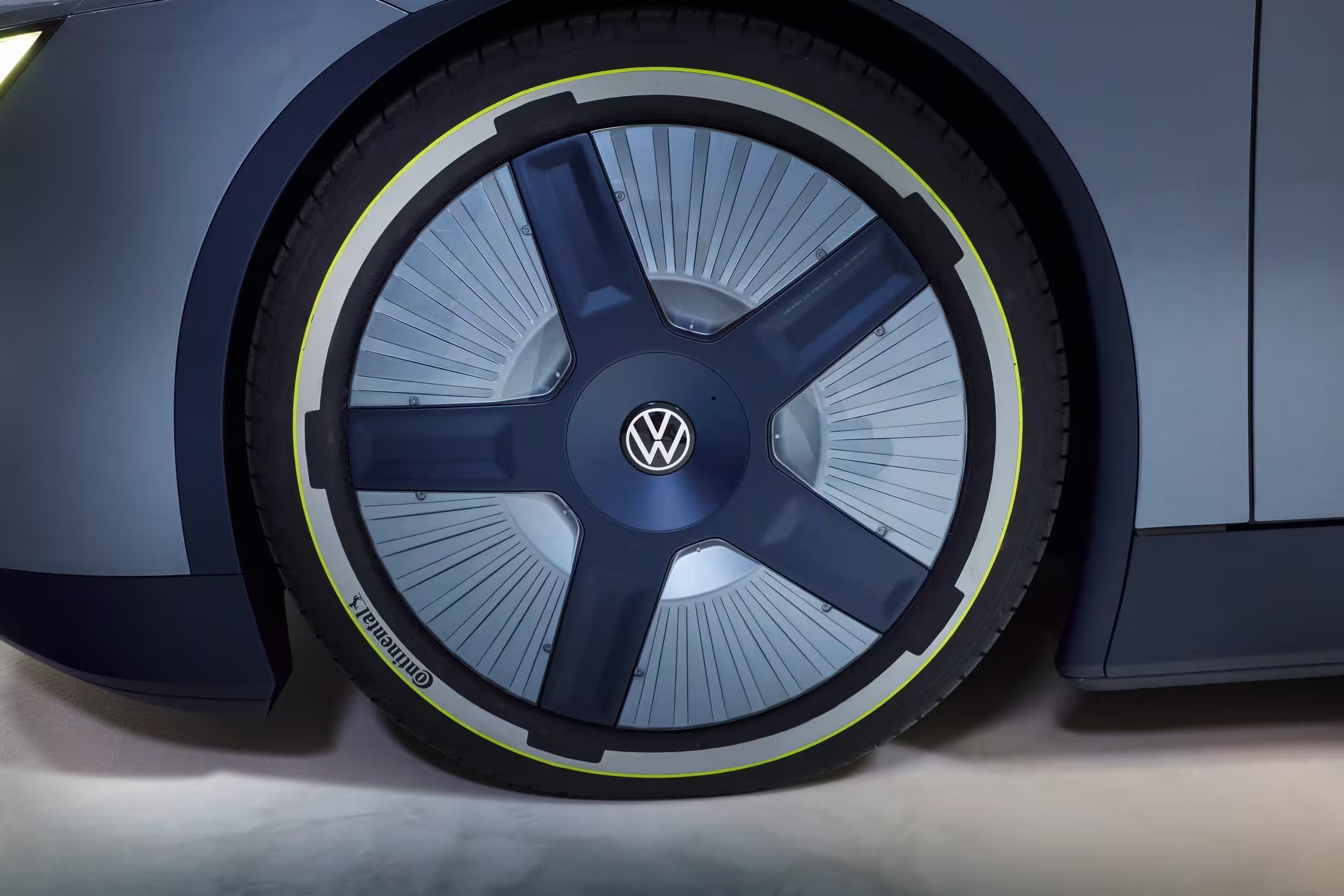
The first record is aerodynamic: a certified Cd value of 0.158, the lowest for any road-approved car, Volkswagen says. The second is an idealised consumption figure of 6.48 kWh/100 km achieved under tightly controlled conditions: a constant speed of 68 kph (42 mph), no uphill grades and all peripheral consumers, such as air conditioning, switched off. The third record combines aerodynamic and real-world testing, with a documented average consumption of 6.89 kWh/100 km (reported as 62 miles) making it the "most economical near-production electric car in its class," Volkswagen adds.
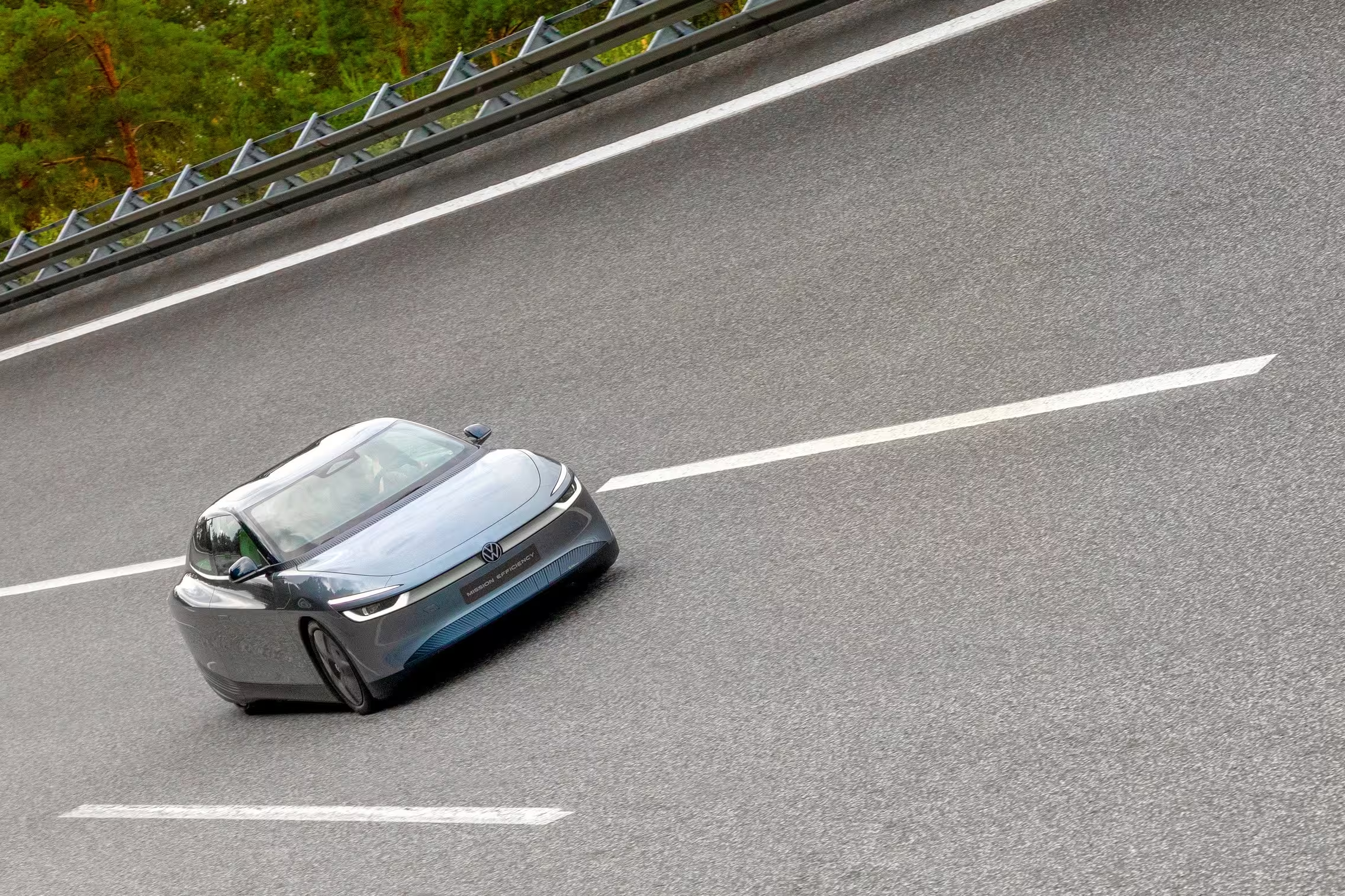
That third, more practical record came from an officially documented test drive covering 1,278 km (794 miles) from Volkswagen’s German Development Centre in Wolfsburg via Poznań in Poland and Olmütz in the Czech Republic to Vienna, Austria. On that run the prototype recorded a real-world consumption of 7.51 kWh/100 km including charging losses and 6.89 kWh/100 km without charging losses, sustained at an average speed of 68 kph and reaching a top speed of 138 kph (86 mph).
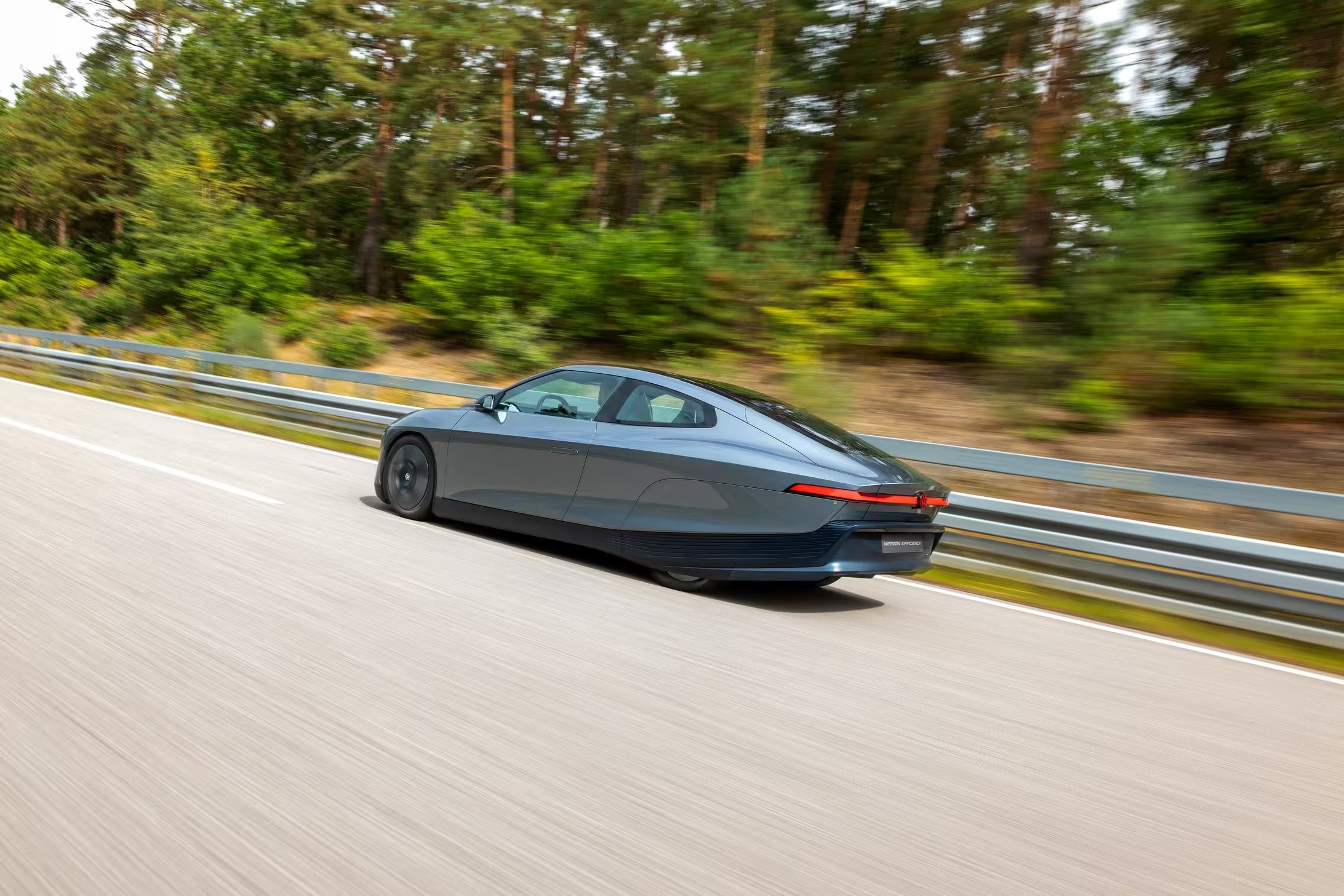
Mission Efficiency is built around familiar, production-oriented hardware rather than exotic driveline technology. The car uses the MEB+ platform in a front-wheel-drive configuration and shares components with the new ID. Polo and ID. Cross. The electric motor is rated at 99 kW (135 ps or 133 hp) and the battery is a relatively small 54.9 kWh pack. Rather than chase higher-capacity cells, Volkswagen focused on extreme aerodynamics, reduced mass and minimised energy losses to drive efficiency gains.
The prototype measures 4,775 mm long and 1,392 mm tall, and adopts a 2+2 coupe layout; rear seats are modest and appear intended for children. Luggage capacity is reported at 17 cubic feet (481 litres), with additional storage around the cabin. The streamlined silhouette and low height were central to achieving the Cd record, a lineage Volkswagen traces back to earlier aerodynamic experiments such as the XL1.
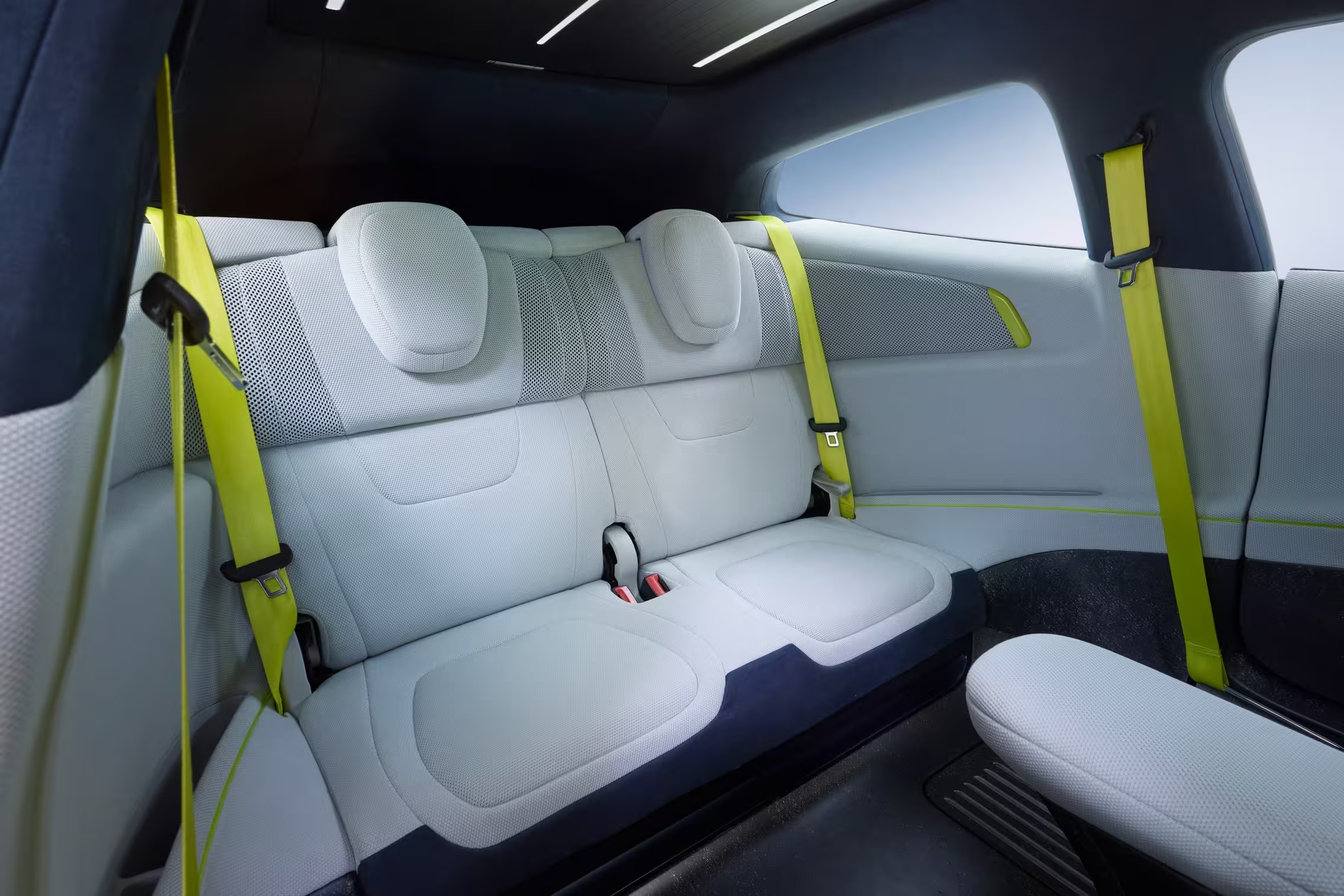
Structurally, the body integrates parts from the ID. Polo with a self-supporting aluminium structure that incorporates high-strength carbon fibre-reinforced polymer and aramid composite components. Volkswagen says the prototype has EU road approval and meets applicable safety, strength and crash requirements, underlining that Mission Efficiency is not purely a concept exercise even as it remains a near-production, one-off prototype.
The announcement arrives as Volkswagen continues to rebalance its operations amid reported production overcapacity and a workforce overhaul said to carry about 16 billion in costs. For now the company is using Mission Efficiency to demonstrate how packaging, aerodynamics and targeted weight and loss reductions can push consumption into new territory for a near-production EV.
Volkswagen supplied the performance and test-route details and attributes the records to the vehicle's aerodynamic and efficiency-focused design.

“I cover automotive innovation, electric vehicles, and the future of mobility — where technology meets sustainability.”

Discussion
Leave a Comment
Comments (2)
Wow love the aero focus and the low energy figures, actually impressive. 2+2 coupe looks tiny tho, rear seats for kids. Curious about price and range in real life…
Cd 0.158? neat number, but 6.48 kWh/100 km at 42 mph in lab is hardly normal driving. Sounds like clever PR. What about winter, AC, real loads? hmm