
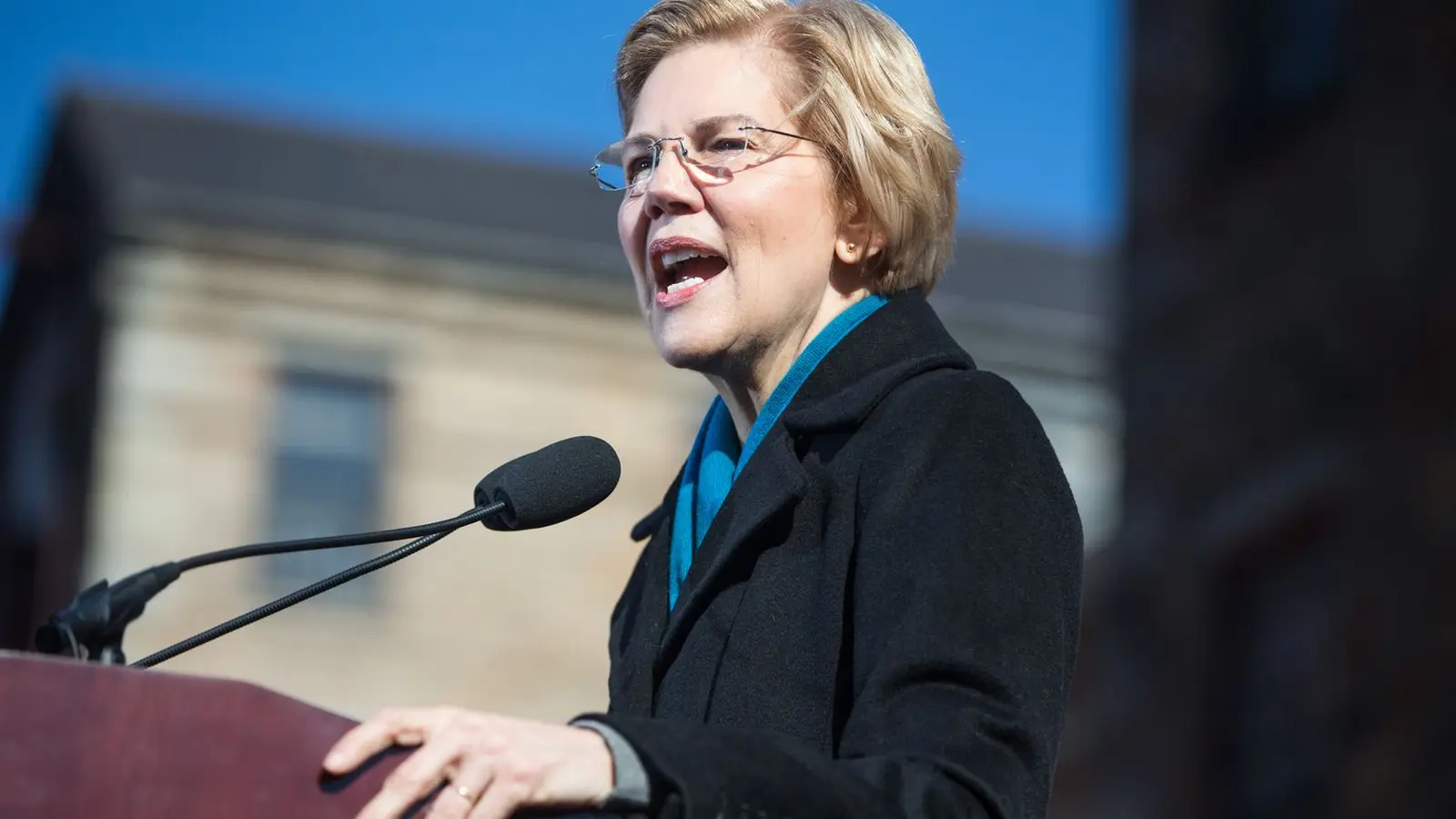
Senator Warren presses Trump for early crypto disclosure as CLARITY debate heats up
Sen. Elizabeth Warren has formally asked President Donald Trump to reveal his 2026 cryptocurrency earnings after a federal financial filing indicated roughly $1.4 billion in crypto-related income for 2025. The request — timed to influence an ongoing Senate debate over federal crypto market structure — underscores growing concerns about conflicts of interest and transparency among senior U.S. officials with substantial digital asset holdings.
What Warren asked for and why
In a letter sent Thursday, the Massachusetts Democrat requested detailed disclosure of any cryptocurrency income Trump received between Jan. 1 and July 15, 2026. Warren gave the president until July 23 to provide the information voluntarily. Her demand comes as the Senate considers the Digital Asset Market Clarity Act (CLARITY), legislation intended to create clearer rules for digital asset markets, including stablecoins and crypto trading infrastructure.
Warren argues that the filing submitted on June 30 — part of Trump’s 2025 financial disclosure under U.S. Office of Government Ethics rules — raises questions about whether elected officials are positioned to benefit financially from laws that affect crypto valuations. The reported $1.4 billion in income is tied to ventures including Official Trump (TRUMP) and World Liberty Financial, a family-associated company involved in digital assets.

Ethics concerns tied to crypto legislation
Warren warned that approving CLARITY without strong ethics safeguards could increase the value of private crypto holdings for those in power. She said that, lacking adequate guardrails, the bill "would turbocharge" conflicts of interest — language emphasizing how federal policy changes can directly affect cryptocurrency markets and investor valuations.
Her push highlights a broader debate in Washington: how to build a regulatory framework for crypto while preventing public officials and their families from profiting off those regulations. Several Democratic senators have said they will not back any market-structure bill absent explicit ethics provisions, and some have cited the president’s crypto interests when explaining their resistance.
Trump’s response and White House position
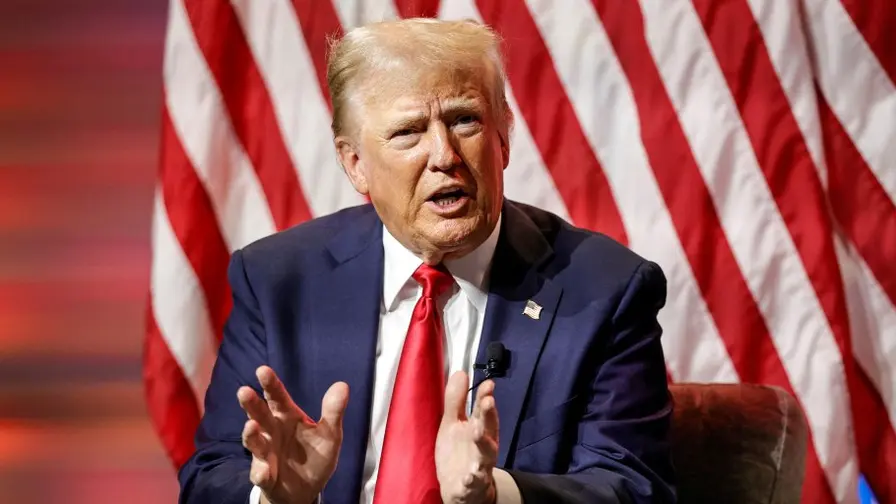
President Trump has pushed back on the notion of wrongdoing, saying during a July 2 interview that earning from crypto investments while in office is legal and acceptable. White House spokesperson Anna Kelly has also denied a conflict, stating that Trump’s assets are held in third-party discretionary accounts managed independently, denying him direct control.
Nevertheless, Warren’s request is aimed at shedding light on the timing and scale of Trump’s crypto earnings ahead of the next required annual filing, which is not due until May 2027 under current disclosure rules. Early transparency would reveal his crypto income months before the mandatory deadline.
Senate dynamics: a potential roadblock for the CLARITY Act
Senate Majority Leader John Thune has indicated the chamber will vote on the market-structure bill before senators depart for August recess. Passing the CLARITY Act requires 60 votes, meaning bipartisan support is essential. Democrats’ insistence on strong ethics language has made the vote unpredictable and could force negotiators to reconcile market rules with anti-conflict provisions.
While the House passed its version in July 2025, Senate amendments could send the bill back to the lower chamber. The House Financial Services Committee’s digital assets subcommittee recently held a field hearing in New York City as part of ongoing efforts to finalize federal crypto rules. Despite claims of bipartisanship from some House leaders, the Senate fight over ethics is likely to shape the final contours of any law covering cryptocurrencies, stablecoins, exchanges, and broker-dealer frameworks.
Implications for the crypto market
The standoff places Trump’s disclosed crypto income at the intersection of policy, politics, and market dynamics. Federal legislation that clarifies market structure, custody rules, and regulatory jurisdiction could affect token valuations and trading activity — potentially benefiting stakeholders with large crypto positions. That prospect is precisely what concerns those urging stronger disclosure and ethics measures.
For crypto investors, developers, and institutional participants, the dispute highlights the importance of regulatory clarity and the political pressures that can shape market outcomes. Whether lawmakers reach a compromise that pairs market rules with enforceable ethics provisions will likely determine both the short-term legislative trajectory and long-term policy certainty for the U.S. crypto ecosystem.
What comes next

Warren’s July 23 deadline is voluntary and carries no legal force, but a willing response would provide earlier transparency about the president’s recent crypto income. If the Senate moves forward with CLARITY without satisfying ethics-focused Democrats, the bill could face delays or fail to secure the bipartisan support necessary for passage. The outcome will be closely watched by the crypto industry, investors, and watchdogs tracking the intersection of digital assets and public office ethics.

“I cover automotive innovation, electric vehicles, and the future of mobility — where technology meets sustainability.”

Discussion
Leave a Comment
Comments (2)
seems overhyped, but she’s right to demand ethics. cant pass market rules that could line pockets, not without strict guardrails
Is this even true? 1.4B from crypto in 2025... timing feels off, who actually benefits if CLARITY passes? transparency pls