
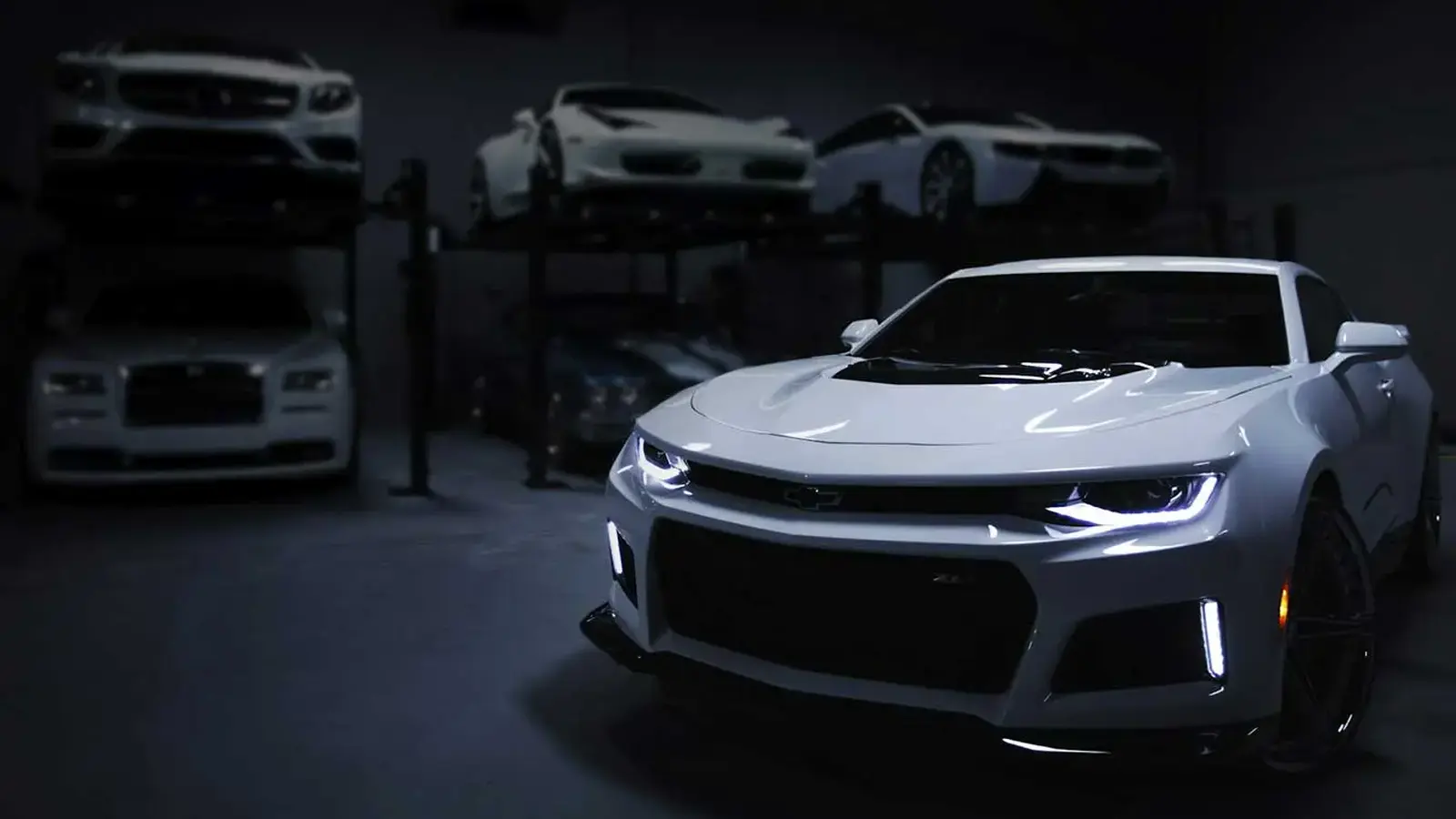
White dominates car production and sales because it is easier to apply at scale, supports stronger resale values, absorbs less solar heat than darker paints, and complements modern vehicle design.
Manufacturers favour standard white because pigments such as titanium dioxide deliver high coverage and a uniform surface, which simplifies paint lines and quality control. That said, not all white finishes are identical; pearlescent and metallic whites require additional layers and special effects and are more complex to produce than plain solid white.

Commercial fleets and work vehicles are often white because the finish is easy to clean and provides a neutral background for decals and logos. Standardising on a simple white reduces inventory and process variation on high-volume assembly lines.
In practical terms white reflects a larger share of visible light and so absorbs less heat under direct sun than dark colors, which helps keep exterior panels and cabin temperatures lower. Modern insulation, tinted glass, and climate control reduce the effect on cabin comfort, but paint colour still contributes to overall thermal management.
Buyers and used-car markets also favour white because it is neutral and widely acceptable. Bold or unusual colours can limit the pool of buyers, while neutral whites appeal across body styles from city hatchbacks to luxury SUVs, easing remarketing and resale.
The preference for white is long-standing. Early technical limits narrowed early palettes and the persistent use of white by commercial fleets has normalised the colour for private buyers. White also serves as a visual canvas that highlights sharp body lines, contrasting trim and lighting signatures on contemporary designs.
Pearlescent and metallic white finishes add production complexity and cost compared with plain solid white, which helps explain why simple white remains common despite growing interest in matte and colour-shifting paints.

“Cars are evolving faster than ever. I cover electric vehicles, smart mobility, and the future of transportation worldwide.”

Discussion
Leave a Comment
Comments
No comments yet. Be the first.