
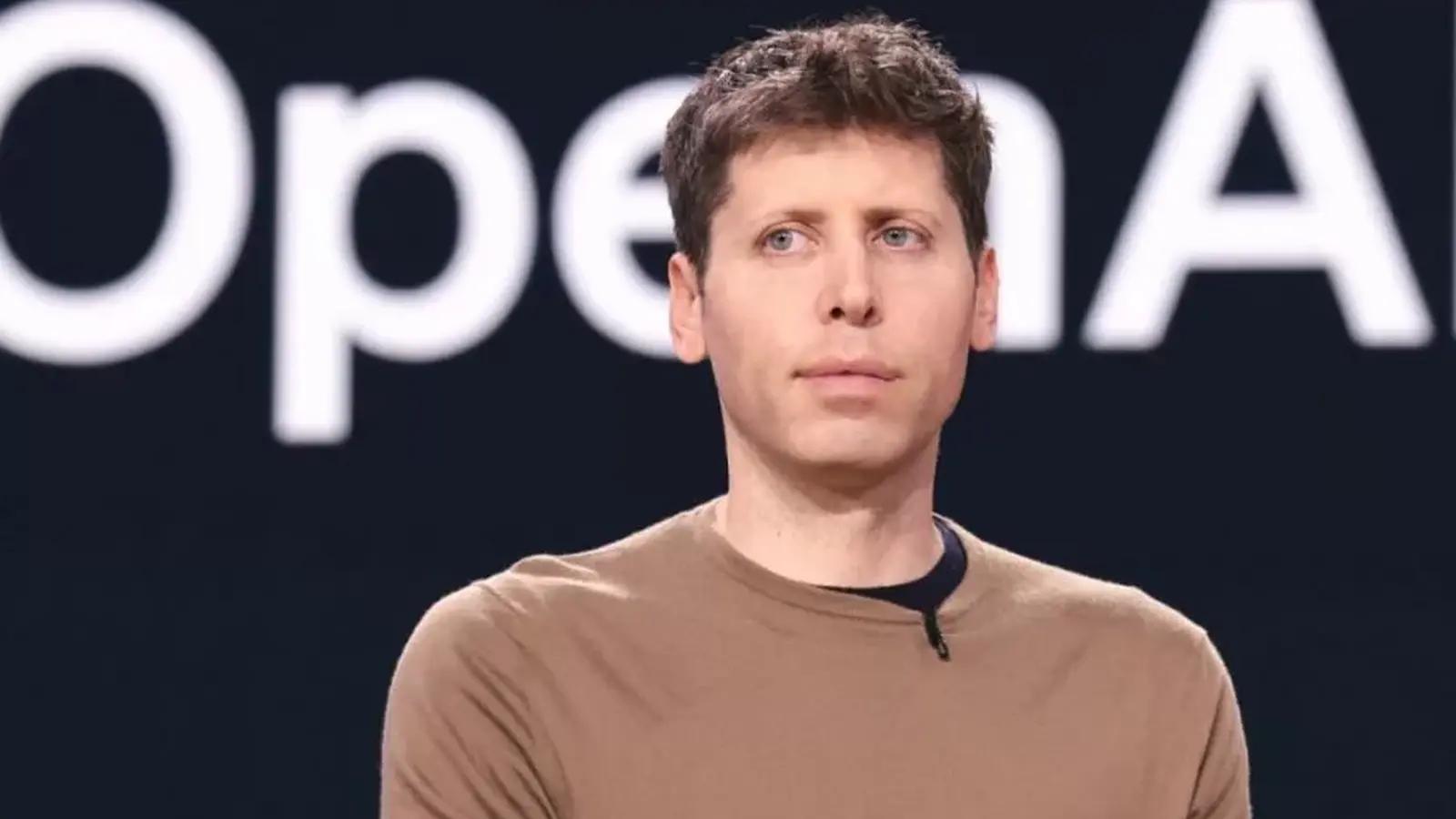
Sam Altman says Google had a real chance to crush OpenAI in 2023 — but hesitations and a slow AI pivot gave the startup time to grow. In a recent interview on the Big Technology podcast he unpacked where Google hesitated and how that opened space for ChatGPT.
Why Altman thinks Google missed its moment
Altman told the podcast that Google was cautious about weaving generative AI into core products like search. That caution, he argued, was decisive. If Google had rapidly prioritized and integrated advanced AI into search in 2023, Altman believes OpenAI might have been in serious trouble. He put it bluntly: a determined push from Google that year could have ended OpenAI.
Still, Altman acknowledges Google remains a giant with hard-to-match assets. Its massive data stores for local search, weather, maps and other verticals give it a sustained advantage even if product changes come slowly.

From OpenAI's perspective, however, a full focus on AI gives it an edge in rethinking how search and advertising could work in an AI-first world. That ambition helps explain why OpenAI is exploring monetization through ads inside ChatGPT as it chases long-term sustainability.
- ChatGPT weekly active users: about 800 million
- Paid subscribers: roughly 35 million
- OpenAI’s infrastructure investment target: about 115 billion dollars by 2029
OpenAI has not yet reached profitability, so ads inside ChatGPT could become an important revenue stream to support those infrastructure plans. But the advertising challenge is nontrivial: Google’s search ad system evolved over decades around traditional query intent, and shifting that model to AI-driven conversations will be complex.
In short, Altman frames the AI race as both strategic and timing-dependent. Google’s deep reservoirs of search data give it long-term strength, but early hesitation created the space for OpenAI to build momentum and a new model for how AI-driven search and advertising might work.


“I love exploring gadgets, apps, and trends that redefine how we connect, work, and play in a digital world.”

Discussion
Leave a Comment
Comments
No comments yet. Be the first.