
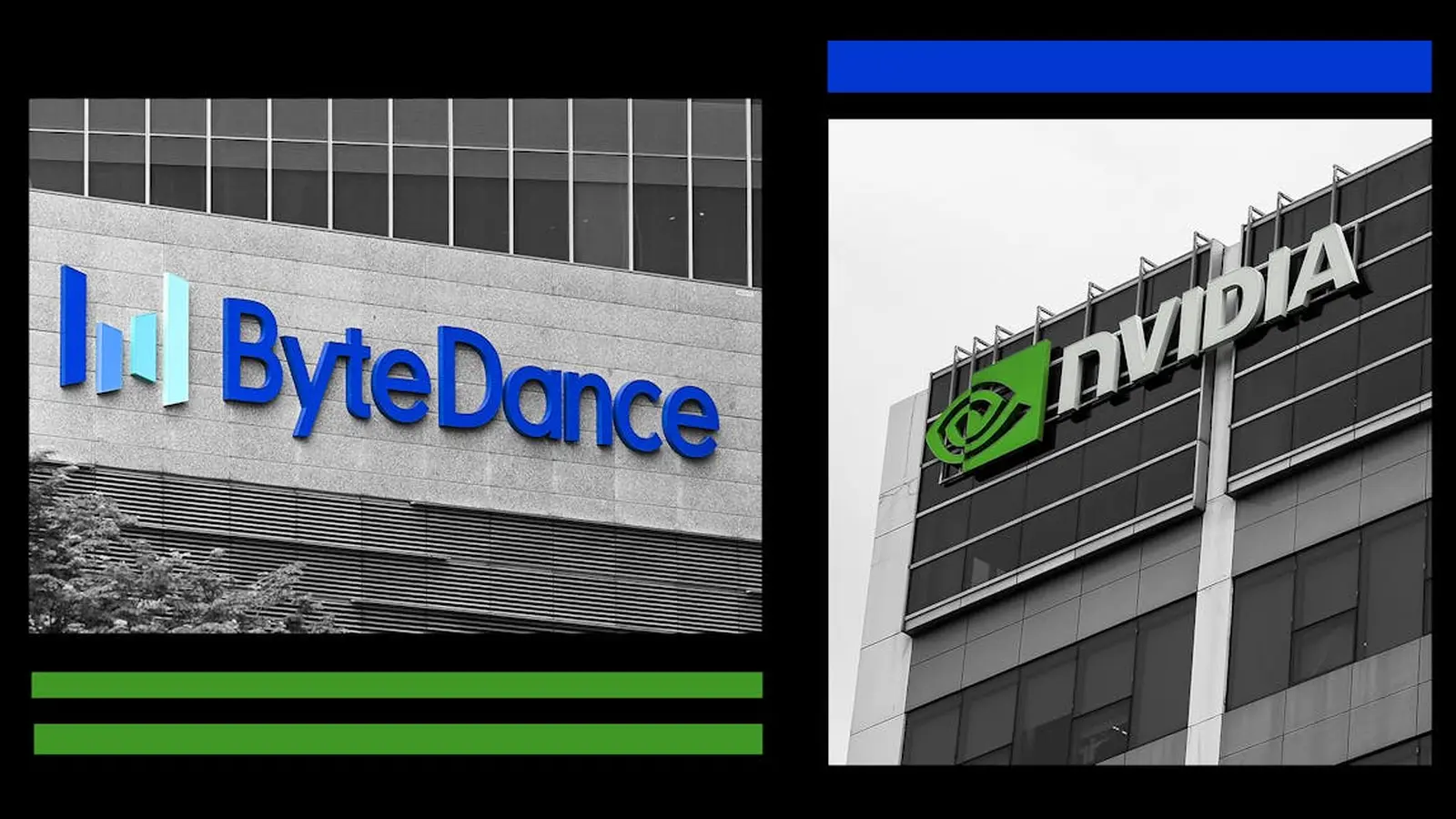
ByteDance, the Chinese owner of TikTok, is reportedly preparing a massive purchase of NVIDIA AI processors as it ramps up efforts in generative AI. The company plans to spend roughly 100 billion yuan (about $14 billion) on NVIDIA H200 GPUs in 2026, adding to an already large inventory of NVIDIA hardware.
Why NVIDIA GPUs still matter
On the surface the move looks contradictory: ByteDance is developing its own AI chips with partners like Broadcom and TSMC, yet it continues to buy foreign GPUs in bulk. The key is how different chips are used. NVIDIA’s H200 and similar GPUs are optimized for the heavy-duty training workloads that build foundation models. Native chips, by contrast, are typically tailored for inference — running those trained models at scale inside apps like TikTok.
Even with ambitious domestic designs expected to appear in 2026, in-house silicon is unlikely to replace GPUs for training large models. So ByteDance’s strategy pairs custom inference hardware with best-in-class GPUs for training: a hybrid approach that balances cost, performance and control.
The company has already shown it’s willing to spend big on external hardware. In 2025 ByteDance reportedly poured about 85 billion yuan into NVIDIA chips. With a market value near $500 billion and a product like TikTok that functions as a massive inference engine — powering content recommendations, ad delivery and content moderation — the firm needs both training and serving capacity at scale.

Politics, export rules and pragmatic workarounds
The transaction follows a change in U.S. policy: Washington recently allowed sales of NVIDIA H200 processors (based on the older Hopper architecture) to China. That opened the door for purchases that had been restricted under broader export controls. Beijing, for its part, has been cautious — holding talks with local tech firms to assess needs — while simultaneously pushing for self-reliance in datacenter technology.
ByteDance has already taken steps to mitigate geopolitical risk. About a year ago the company began renting cloud capacity outside China, a workaround aimed at keeping services and model development moving amid sanctions and restrictions.
Ultimately, ByteDance’s large-scale NVIDIA purchase is a practical response to an urgent technical need: massive, cost-effective GPU capacity to train and iterate AI models rapidly, even as the company builds out domestic inference chips and navigates a complex regulatory landscape.

“I cover emerging technologies, digital innovation, and the intersection of tech and everyday life. My goal is to make complex trends accessible and inspiring.”

Discussion
Leave a Comment
Comments
No comments yet. Be the first.