
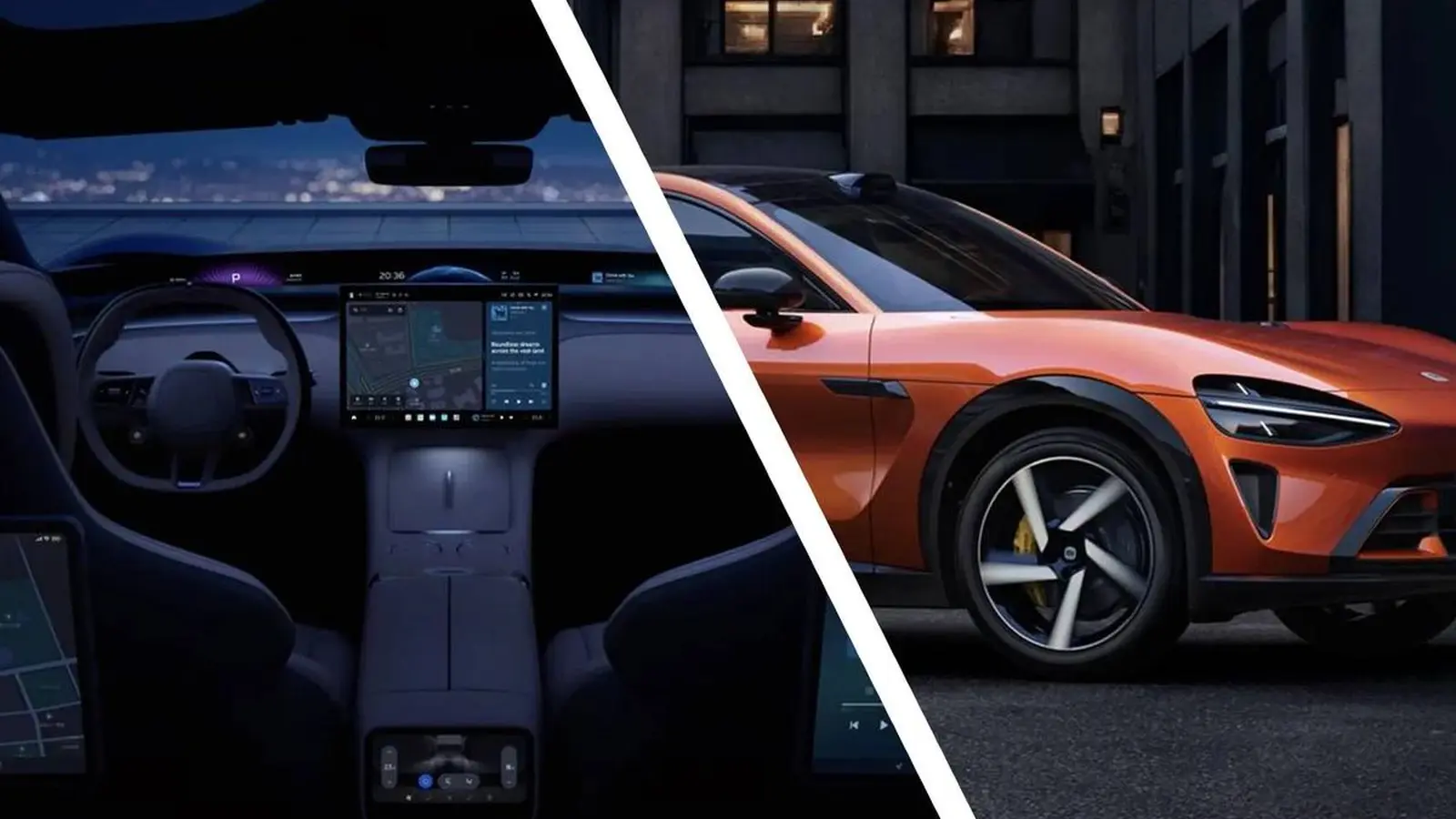
Xiaomi’s next big move in mobility isn’t just another battery-electric car—it’s a long-range electrified family SUV.
After turning heads with its first wave of electric vehicles, Xiaomi is preparing to step into the Extended Range Electric Vehicle (EREV) space with a new three-row, seven-seat SUV reportedly codenamed “Kunlun.” It’s a strategic shift that could broaden Xiaomi’s appeal beyond early adopters and tech enthusiasts, targeting buyers who want EV driving without the anxiety that still comes with long road trips.
From smartphones to electric cars—and now to EREV
Not long ago, Xiaomi was best known globally for smartphones, wearables, and smart home devices. That story has changed quickly. The brand’s push into the electric vehicle market accelerated with high-profile launches such as the Xiaomi SU7 and the YU7 crossover, signalling clear ambition to compete in the fast-evolving new energy vehicle (NEV) arena.
Now, with Kunlun, Xiaomi appears ready to diversify its powertrain strategy. Instead of focusing exclusively on full battery-electric vehicles (BEVs), it’s leaning into EREV technology—an increasingly popular solution in China’s SUV market, particularly for larger, heavier vehicles designed for families.
A Xiaomi executive, Pan Jiutang, has reportedly hinted at this direction, reinforcing the idea that the company sees extended-range EVs as a practical bridge between internal combustion and fully electric mobility.
What is an EREV, and why does it fit a 7-seat SUV?
An EREV (Extended Range Electric Vehicle) drives primarily like an electric car, but it includes a small internal combustion engine that works as a generator to recharge the battery when needed. The wheels are typically driven by electric motors, delivering the smooth, instant response associated with EVs.
For a three-row SUV—where weight, passenger load, and highway use tend to be higher—this layout can make a lot of sense.
Key advantages EREV buyers usually look for
- EV-style driving feel for daily commuting
- Longer total driving range than many pure EVs
- Faster “refueling” flexibility via gasoline when charging isn’t convenient
- A more road-trip-friendly ownership experience
In other words: Kunlun could be aimed at families who want a spacious electric SUV, but don’t want their travel plans dictated by charging stops.
Kunlun positioning: a tech-first, family-sized SUV
While Xiaomi hasn’t officially released full specifications yet, the early story around Kunlun is clear: a versatile 7-seater SUV that balances cabin space, comfort, and modern performance.
This isn’t a niche vehicle. In China and increasingly in global markets, three-row SUVs are becoming the default “do-it-all” choice—especially as buyers move from sedans to higher-riding vehicles with flexible seating and more cargo capacity.
A seven-seat EREV also places Xiaomi in a competitive sweet spot: it can attract customers who might be comparing large electrified SUVs but still worry about real-world range, charging speed, and infrastructure—particularly outside major cities.
Design: bold SUV stance with modern, clean surfacing
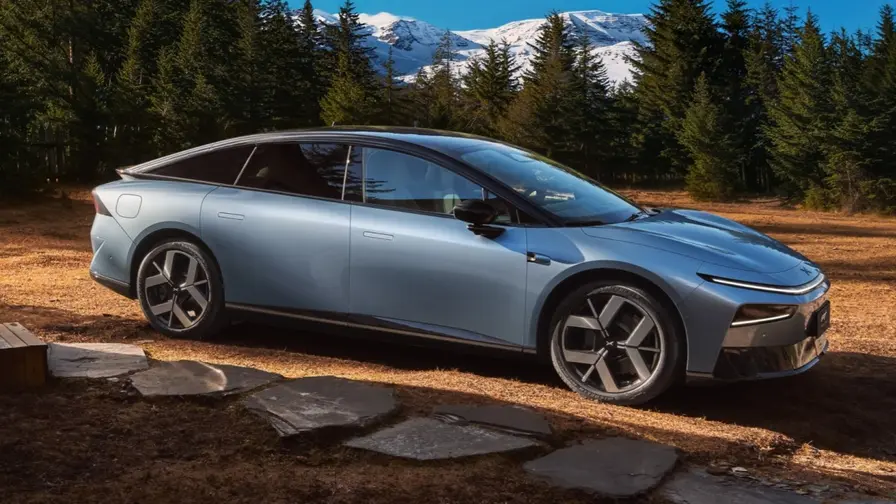
Leaks and early images suggest the Kunlun will feature an imposing road presence, with an assertive front fascia and a silhouette consistent with today’s popular premium SUVs. Expect a design approach that blends clean, tech-forward surfaces with practical proportions—exactly what family buyers tend to appreciate.
Xiaomi’s likely goal is a “dual personality” exterior:
- Premium and sleek enough to feel modern and aspirational
- Rugged and substantial enough to communicate utility and space
If Xiaomi applies the same visual discipline it uses in consumer electronics, Kunlun could end up looking more minimalist and refined than many rivals—without sacrificing the muscular cues SUV shoppers want.
Tech and cabin experience: where Xiaomi can stand out
Where Kunlun may truly differentiate itself is inside the cabin and across the software layer. Xiaomi’s brand identity is built on connectivity, user experience, and ecosystem thinking—advantages that can translate directly into infotainment, voice control, app integration, and over-the-air updates.
Expected highlights (based on Xiaomi’s trajectory)
- Next-generation infotainment with deep connectivity features
- Advanced driver assistance systems (ADAS) aimed at safer highway and urban driving
- A more “smart device” style interface philosophy than traditional automakers
As one industry observer put it, “The winners in the EV era won’t just sell cars—they’ll sell a digital experience on wheels.” Kunlun seems designed for exactly that battlefield.
Market impact: why Xiaomi is betting on extended-range now
Xiaomi’s pivot toward EREV isn’t just a product decision—it’s a market positioning play.
Consumer interest in sustainability is rising, but buyers also want convenience. EREV powertrains have gained momentum because they reduce tailpipe emissions during daily driving while maintaining the freedom of long-distance travel. For many households, especially those with one main vehicle, that flexibility can outweigh the purity of an all-electric setup.
Kunlun could become Xiaomi’s answer to the growing demand for “low-emissions practicality”—especially in the hotly contested family SUV segment.
What to watch next
With an official reveal expected in the coming months, attention will shift to the details that matter most in the 7-seat SUV category:
- Real-world electric range and total combined range
- Interior packaging, third-row comfort, and cargo space
- Charging capability and battery size
- Performance figures and ride/handling balance
- Pricing strategy versus other electrified SUVs
If Xiaomi gets the fundamentals right—and couples them with a strong software experience—Kunlun could quickly become one of the most talked-about new energy SUVs to watch in the next product cycle.

“Blockchain and fintech are reshaping finance. I break down market trends, regulations, and innovations for a global audience.”

Discussion
Leave a Comment
Comments (2)
Wow didnt see Xiaomi going family SUV route, kinda hyped! If they nail the software and range this could change the game, price pls be sane
Is this even real? EREV for a 7-seater sounds practical, but where’s the real-world EV range and third-row comfort data... feels like hype