
3 Minutes
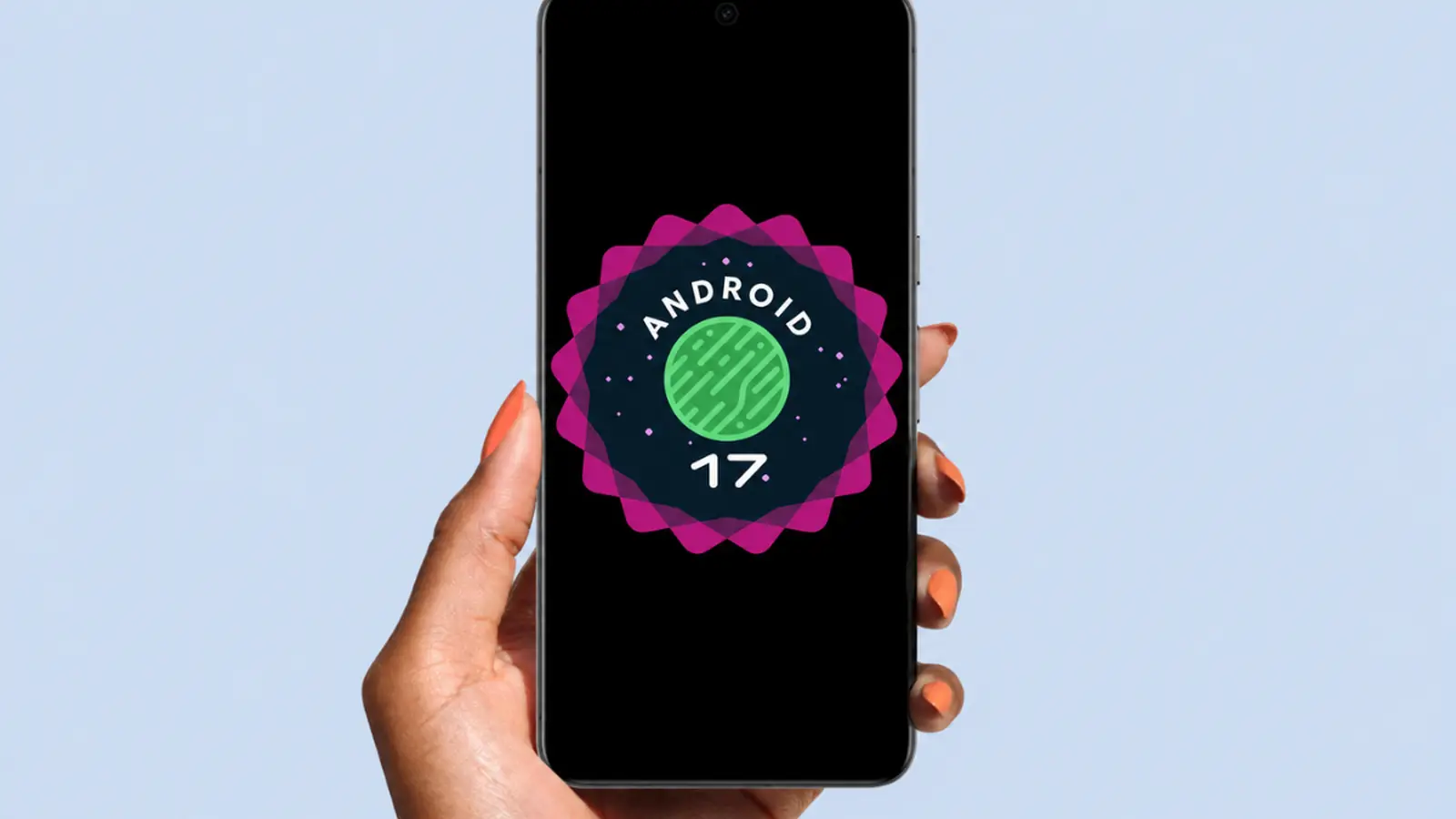
You tap Settings, then System, then Software update. A familiar thrill—will today be the day? For many Pixel owners that simple gesture will now end in a shrug: Android 17 is arriving, but not for every Pixel.
Think of Android 17 as more than a polish job. Google has folded Gemini Intelligence deeper into the OS, pushed multitasking forward, and tightened privacy controls in ways that feel like a new chapter rather than a yearly tweak. That ambition comes with a cut-off: only Pixel 6 and newer models qualify for the upgrade.
Where Google drew the line
Hardware age and promised update windows meet reality. To run the richer AI features and background services reliably, Google says the build and firmware on older Pixels can’t keep pace. Translation: if you own a Pixel 5 or anything earlier, you’re out of luck.
- Pixel 5
- Pixel 5a 5G
- Pixel 4
- Pixel 4 XL
- Pixel 4a
- Pixel 4a 5G
- Pixel 3
- Pixel 3 XL
- Pixel 3a
- Pixel 3a XL
- Pixel 2
- Pixel 2 XL
- Pixel
- Pixel XL

That list reads like a quick history of Pixel hardware. Some of those phones still work fine for daily tasks. But Android 17 leans into on-device AI, more aggressive multitasking, and UI features that demand newer silicon and updated drivers.
So what exactly arrives with Android 17? Expect Gemini to behave less like an app and more like an assistant that nudges workflows, generates small assets on demand, and powers smart widgets such as goal trackers or countdown timers. Multitasking gets smarter: bubbles expand across apps, letting you float multiple tools while staying in full-screen mode. Privacy sees real wins with a native app lock and one-time or tightly scoped contact access for apps. You’ll also find separate toggles for Wi-Fi and mobile data, among other refinements.
For owners of ineligible Pixels, the message is practical: an older phone can still serve, but it won’t receive these new capabilities. Software support policies and hardware limits are the usual culprits. Google’s commitment to multi-year updates still has a boundary, defined by what the company can reliably deliver without fragmenting the experience.
Owning a Pixel that won’t get Android 17 poses a choice. Keep your current device and accept a steady feature gap. Or upgrade and step into a system where AI, privacy, and multitasking are more tightly woven into daily use. Which matters more depends on how much you value the new features versus saving for another year.
Either way, Android 17 changes the roadmap. It shows how AI-first mobile features drive where update support ends and where new purchases begin.
Source: gizmochina



Leave a Comment