
5 Minutes
Picture a Porsche showroom where the scent of new leather competes with a different kind of anxiety: buyers asking for what the company once sold best. That question—what happens when your cash cows age while you chase the future—has started to define Stuttgart.
Where Porsche misread its bestsellers
Porsche built its modern empire the old-fashioned way: one brilliant product after another, and then a pragmatic expansion. The 911 remains its beating heart, but the rise of the Cayenne and the Macan turned Porsche from a specialist into a high-volume premium brand. Sales climbed from roughly 50,000 cars in the early 2000s to more than 320,000 in 2023. Success looked durable. Then strategy shifted.

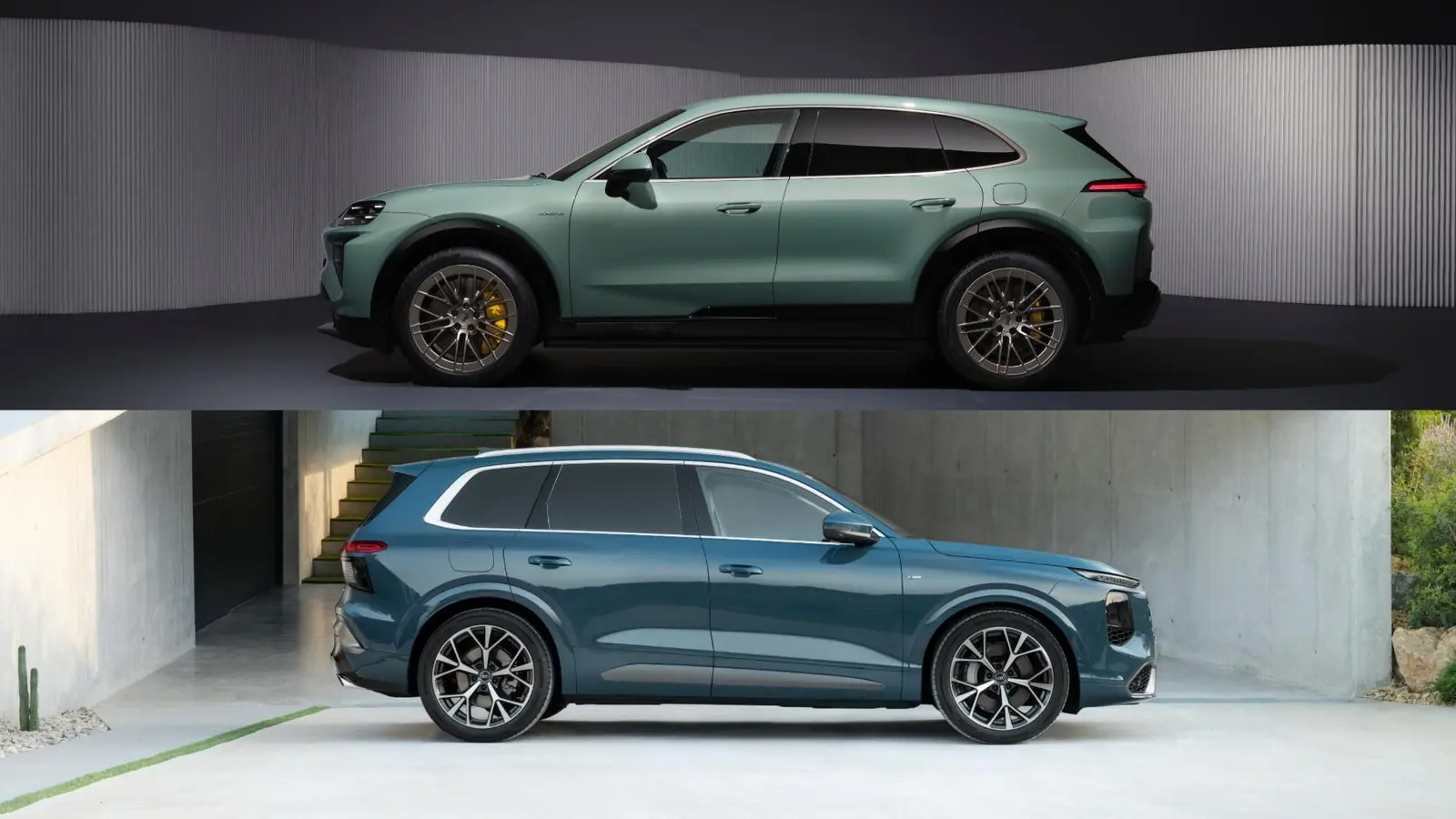
Oliver Blume’s push to electrify was sincere, well funded and aligned with broader Volkswagen Group goals. Yet timing matters. The combustion Macan—Porsche’s best-selling model for years—rode an Audi Q5 platform that was already aging when it debuted in 2014. Instead of refreshing that momentum with a full generational update, Porsche kept cobbling improvements onto the old architecture. The nameplate sold well despite lagging tech. Waiting lists showed loyalty. And then the company pivoted: an electric Macan arrived in 2024 and the combustion Macan limped on only until 2026.

Why did that matter? Because buyers who loved the Macan for its blend of performance and premium feel found newer Audi cousins offering more modern running gear for less money. Platform stagnation left Porsche competing on reputation rather than on product. The result was a small miracle—people still bought—but also a growing vulnerability: a flagship that had gradually become outdated, selling on goodwill rather than engineering advantage.

The Cayenne tells a similar tale. The third-generation combustion Cayenne arrived in 2017 and received facelifts, but no fundamental platform overhaul. Porsche added full-electric Cayenne variants in 2025, built on dedicated EV architecture, while the ICE model soldiered on. Meanwhile Audi moved forward with its latest Q7 platform. The upshot? Porsche ended up chasing two races at once: keeping an aging internal-combustion SUV relevant while pushing electrification as the future.

There are reasons for the missteps: Group politics, regulatory pressure and a desire to capture Chinese EV growth all played roles. Still, the cost of sidelining the Macan and Cayenne’s combustion life cycle was clear. These models funded Porsche’s halo cars. They paid for the R&D that kept the 911 sharp. Shifting too many resources to electric-only projects like the Taycan exposed another problem: resale values and depreciation took a hit. The Taycan’s rapid depreciation should have been a warning signal that electrification comes with tradeoffs buyers and the market don’t always reward immediately.
The company now has a new CEO in 2026, Michael Leiters, and a narrow window to act. The simplest, fastest lever is platform-sharing inside the Volkswagen Group. If Porsche can rapidly adapt Audi’s recent Q5 architecture for a new ICE Macan and use the Q7’s underpinning for a refreshed combustion Cayenne, it buys time. Time to stabilize sales. Time to reallocate resources more sensibly. Time to plan an EV transition without abandoning what pays the bills.

Porsche must re-embrace Audi’s combustion platforms or risk shrinking to a boutique maker selling only a few thousand high-ticket 911s and supercars every year.
Is that plan realistic? It depends on speed and will. EU regulations aim to sharply curtail combustion sales by 2035. Some forecasts suggest only ten percent of a brand’s sales might be allowed to be ICE by mid-decade. That makes the next three years critical. Porsche can either sprint to reintroduce competitive ICE Macan and Cayenne models or accept a managed decline into exclusivity.
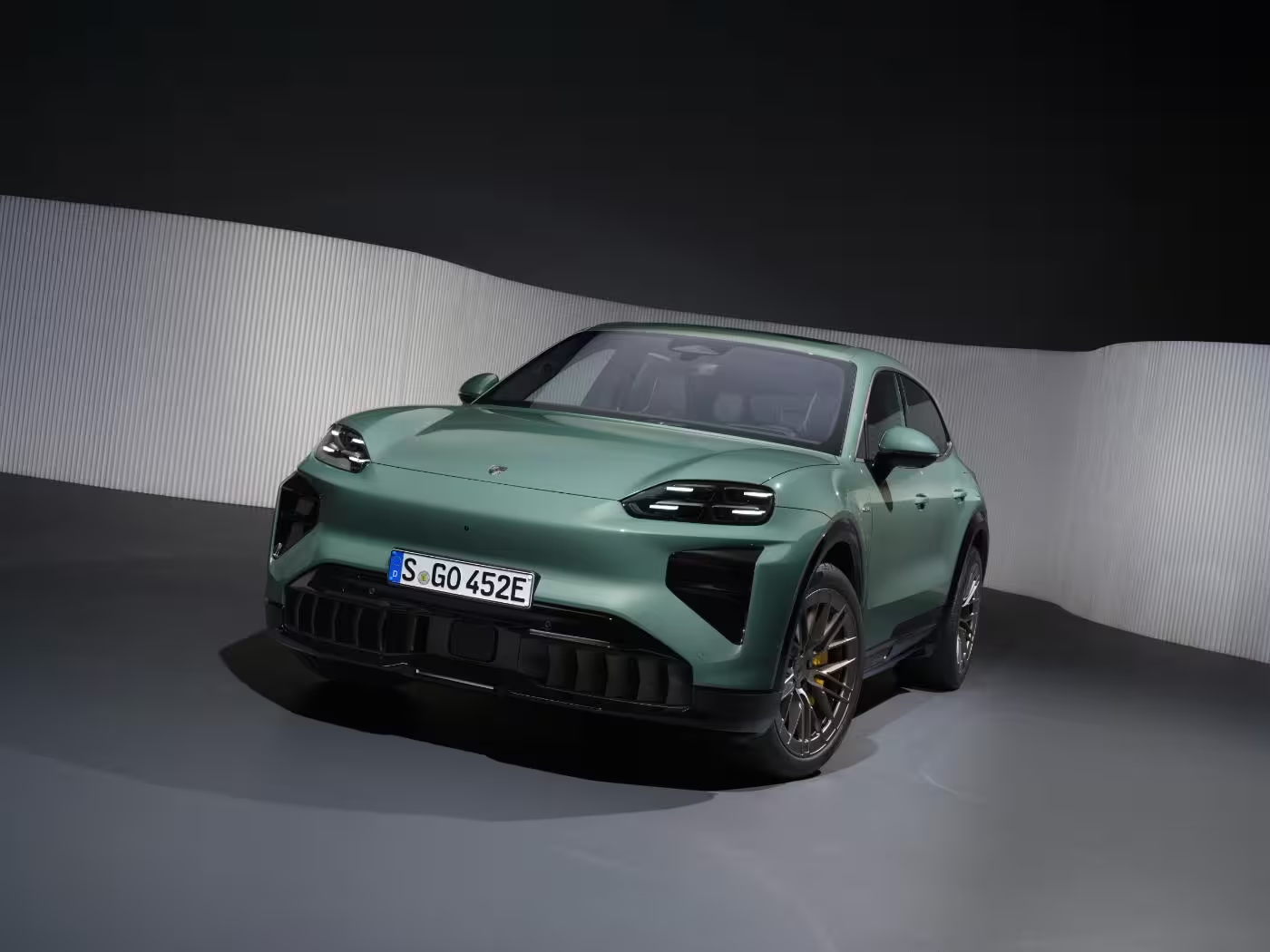
Neither choice is easy. Reintroducing combustion variants means negotiating platform access, engineering swaps and a marketing reset—fast. Doubling down on EVs means solving residual-value issues, convincing buyers to pay premiums for electric performance and accepting short-term profit hits while scaling technology. Both strategies require clarity, not ambivalence.
Observers will watch Michael Leiters closely. The path he chooses will determine whether Porsche remains a high-volume premium powerhouse or reverts to a narrower, more boutique profile. The good news is that parts of the solution already exist inside the Group. The bad news is that time is not. Porsche’s best hope may be the pragmatic one: use Audi’s combustion know-how now, stabilize the business, then drive the EV transition from strength rather than desperation.
Source: autoevolution



Leave a Comment