
4 Minutes
Imagine swapping soda and sweets for a strict, sugar-free low-fat menu and expecting only gains. Instead, a surprising twist: metabolic trouble without the extra pounds. New experimental work presented at ENDO 2026 in Chicago suggests that removing sucrose entirely from a low-fat diet can ripple through the gut microbiome and provoke inflammation and insulin resistance in mice.
What the researchers did and what they found
Scientists from the Dasman Diabetes Institute tracked two groups of mice for 16 weeks. One group ate a typical low-fat diet containing sucrose. The other group consumed an otherwise identical diet but with sucrose removed. The team then tested glucose tolerance, insulin sensitivity, circulating metabolic hormones, gut microbial composition, and markers of inflammation in the colon and liver.
The result was striking. Mice on the sugar-free low-fat diet did not gain more weight than controls, yet they developed poorer glucose regulation, measurable insulin resistance, shifts in gut bacteria, and signs consistent with early fatty liver disease. In short: weight alone did not predict metabolic health.
Rasheed Ahmad, the study lead, cautioned that complete sucrose elimination may upset gut-immune balance. The investigators argue these outcomes highlight how blunt dietary rules can have unintended biological consequences.

Why the gut microbiome changes everything
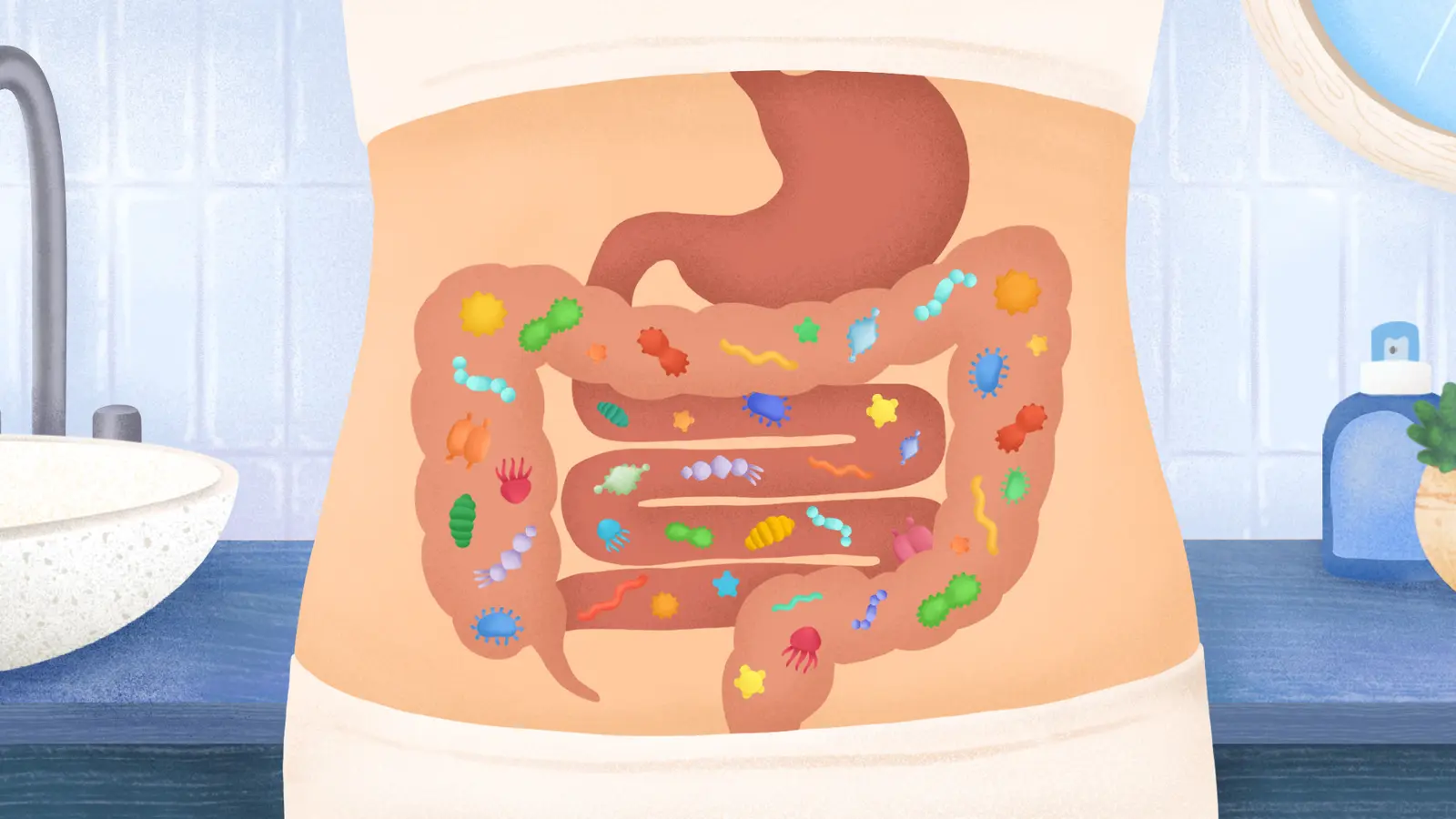
Think of the gut as a rainforest. Remove a single species and the ecosystem can reconfigure in unpredictable ways. Dietary sugars are one of many inputs that shape which microbes flourish, which decline, and how the immune system responds. When the microbial community shifts, so do the metabolites those microbes produce. Some of those compounds signal inflammation or alter the liver's handling of fat and glucose.
That chain of events helps explain why the sugar-free mice showed inflammation in intestinal tissue and metabolic signs that often precede chronic disease. The findings underscore a larger theme in nutrition science: context matters. Macronutrient balance, food quality, and the host microbiome interact in ways a simple calorie or sugar headline cannot capture.
Complete elimination of sucrose from a low-fat diet may harm gut and metabolic health rather than improve it.
Importantly, this is a controlled animal study. Translating mouse data to humans requires caution. Still, the research raises practical questions for clinicians and public-health policymakers: should dietary guidance focus more on preserving microbial diversity and metabolic resilience rather than exclusively demonizing single nutrients?
Implications and next steps
The authors suggest follow-up studies in humans and experiments that test whether modest, diverse carbohydrate sources can sustain a healthier microbiome while still limiting added sugars. If replicated, these results could nudge dietary recommendations toward nuanced carbohydrate patterns that support gut and immune homeostasis while managing caloric intake.
Faisal Hamed Al-Refaei of the Dasman Diabetes Institute framed the study as part of the institute's mission to build evidence that informs prevention strategies for metabolic disease. The message is pragmatic: balance beats elimination, and the gut often holds clues to how diet will play out in the long run.
For now, the takeaway is not that sugar is harmless. Rather, it is that wholesale removal of sucrose from a low-fat diet may not guarantee better metabolic outcomes. Food choices interact with our biology. That complexity deserves attention before setting one-size-fits-all rules.
Source: scitechdaily


Comments
bioNix
wow didnt expect this. I went low sugar years ago, thought it was all gains, but gut shifts causing inflammation? scary and curious, tbh

Leave a Comment