
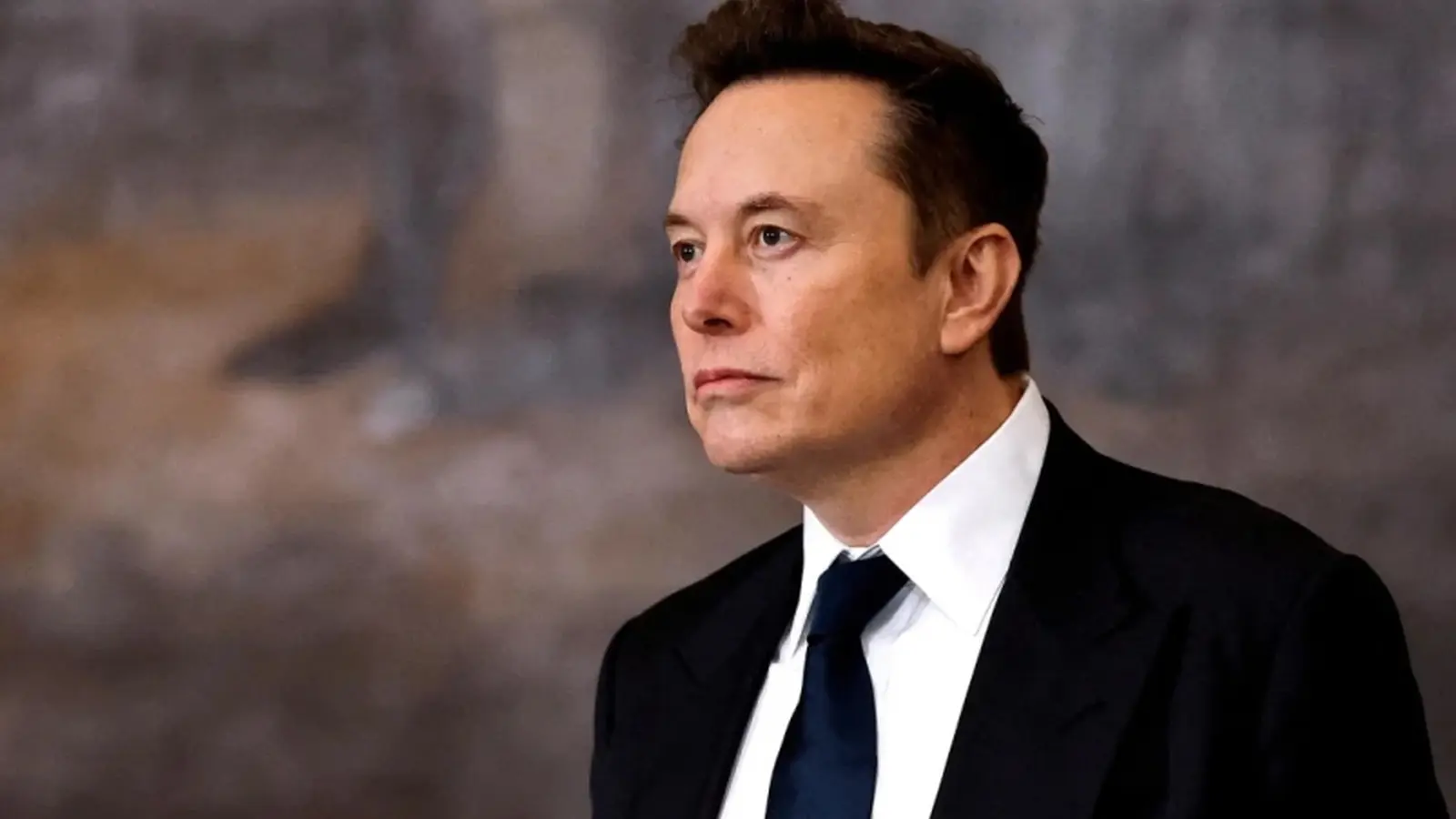
Elon Musk has issued a stark warning about how fast artificial intelligence could remake the labor market. In a recent conversation he compared AI to a 'supersonic tsunami' that will wash away many office-based roles — and he thinks this shift is closer than most expect.
Why Musk says office work is most at risk
Speaking on the Joe Rogan podcast, Musk traced the fate of clerical jobs back to a pre-computer era when people did calculations by hand. He argued that while there will still be demand for work, the nature of those jobs will change dramatically. "I think there will be lots of demand for things to do, but they won't necessarily be the same jobs as today," he said.
Musk draws a sharp distinction between digital and physical labor. Anything that can be performed on a computer, he warned, is vulnerable. "If you're sitting behind a computer doing digital work, AI will take those jobs like lightning," he said. By contrast, hands-on professions such as cooking, farming, and roles requiring deep human interaction are likely to persist longer.
From universal basic income to universal high income
Despite the disruptive forecast, Musk is surprisingly upbeat about the long-term potential of AI and robotics. He envisions a future where abundance replaces scarcity — a world that goes beyond universal basic income (UBI). Instead, he proposes the idea of a universal high income, where the productivity gains from AI and robots make wealth broadly available.
"Eventually, working will be optional because you'll have robots and AI," Musk told Tesla shareholders, suggesting that humanoid robots like Tesla's Optimus could play a major role in eliminating poverty. He also claimed that AI and robotics are essential tools for resolving national debt crises and avoiding economic collapse.
What this could mean for workers and companies
- Rapid automation of routine digital tasks, from data entry to basic analysis.
- Stronger demand for human-centered skills: creativity, empathy, complex manual trades.
- Pressure on policymakers to design safety nets and new distribution models for AI-driven wealth.
- Accelerating investment in humanoid robots and industrial automation across sectors.
Imagine a workplace where many back-office roles disappear within a decade, while roles that require human judgment and physical presence gain new value. That is the scenario Musk paints — unsettling for millions, promising for others.
Whether you view Musk as alarmist or prophetic, his comments highlight a critical conversation unfolding across governments, companies, and communities: how to share the gains of automation while protecting people whose jobs are vulnerable. As AI capabilities grow, that debate is no longer hypothetical — it is urgent.

“I love exploring gadgets, apps, and trends that redefine how we connect, work, and play in a digital world.”

Discussion
Leave a Comment
Comments
No comments yet. Be the first.