
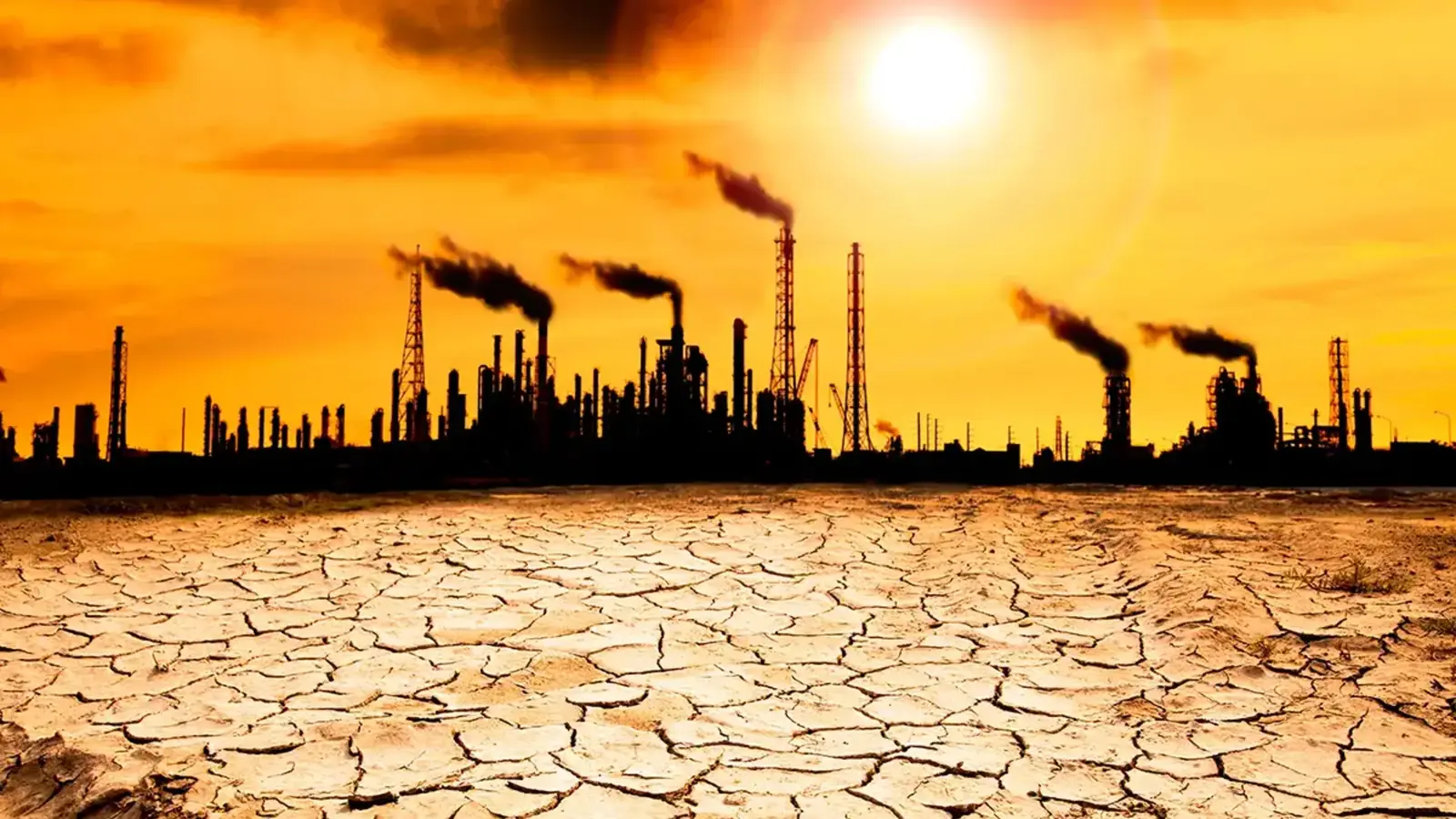
Year-to-date data show 2025 as the second-warmest year on record, with a string of deadly heatwaves, unprecedented storms, and accelerating ice loss. New climate records and an emissions spike signal that warming trends continue despite natural cooling in the Pacific.
What happened in 2025 — record heat and extreme impacts
According to the Copernicus Climate Change Service (C3S), the global average temperature for 2025 so far is about 1.48 °C above pre-industrial levels — the same anomaly recorded in 2023 and second only to 2024 (about 1.6 °C). Many regions endured extraordinary weather: Europe experienced summer heatwaves that researchers estimate caused roughly 16,500 excess deaths, while Hurricane Melissa — the strongest storm to hit Jamaica on record — killed more than 80 people and caused an estimated $8.8 billion in damage. Studies link climate change to roughly a 16% increase in Melissa’s rainfall and about a 7% increase in peak wind speeds.
In late 2025 a sequence of tornadoes and severe storms swept across Sri Lanka, Indonesia, Thailand, Malaysia and Vietnam, triggering landslides and floods that claimed over 1,600 lives. Arctic sea-ice extent reached its lowest level for this time of year on record, and Antarctic sea ice also remained well below normal.
Climate drivers: La Niña, emissions, and the stubborn trend upward
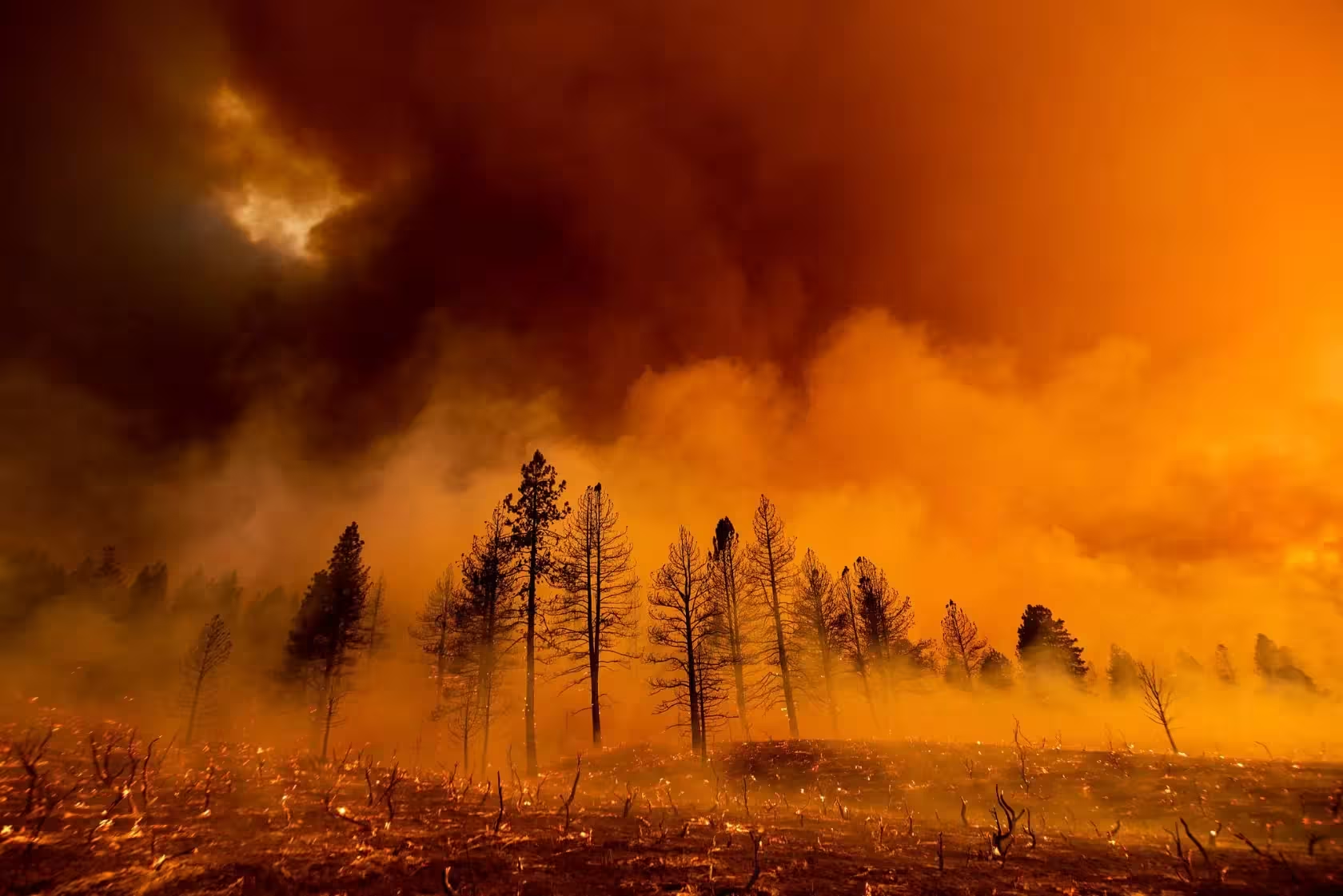
Natural variability and human emissions both shape yearly climate patterns. After a strong El Niño in 2024 that boosted global temperatures, the Pacific shifted to La Niña in 2025 — a phase usually associated with temporary global cooling because of colder surface waters in the tropical Pacific. Yet 2025 still ranked exceptionally warm. Why? Fossil-fuel CO2 emissions set a new record in 2025, overwhelming the moderating influence of La Niña and keeping the long-term warming trend on track.
In practical terms, a warmer atmosphere holds more moisture and fuels more intense storms, while higher baseline temperatures raise the odds of extreme heat events. "The reality is that unusual events are what affect people's lives, communities and ecosystems," says Samantha Burgess of C3S. "In a warmer world, both the frequency and severity of those events increase. Storms get stronger because the atmosphere can hold more moisture."

Scientific context and looming thresholds
C3S reports that the current three-year running average of global temperature is on a trajectory to cross 1.5 °C above pre-industrial levels. Models and observations suggest this threshold could be exceeded on average by 2029 if current emissions and trends continue. Crossing 1.5 °C does not represent a single instant when the world changes, but it raises the probability of more frequent and severe extremes and increases the risk of tipping points.
Some of these tipping points are already alarming. An October assessment indicated that mass, irreversible die-off of some tropical coral reefs has already occurred. Other high-risk thresholds include large-scale forest dieback (such as parts of the Amazon), collapse of major ice sheets in Greenland or West Antarctica, and substantial long-term declines in Antarctic sea ice — all of which would amplify global sea-level rise and alter climate patterns.
Impacts for communities and infrastructure
Heatwaves, stronger storms and changing precipitation patterns stress public health systems, threaten food and water security, and damage infrastructure. Coastal and island nations are particularly vulnerable to storm surges and accelerating sea-level rise. Emergency responses and adaptation measures are becoming more costly as events grow larger and more frequent.
Expert Insight
Dr. Leila Morgan, a climate scientist at a university research center, notes: "The data for 2025 underlines an uncomfortable truth — temporary shifts like La Niña can’t erase the long-term warming caused by greenhouse gases. What we’re seeing is compounding: higher baseline temperatures plus more energy and moisture in the atmosphere. That combination amplifies extremes and narrows the window for effective adaptation."

Addressing these risks requires rapid emissions reductions, investment in climate resilience, and improved monitoring of emerging tipping points. Science can inform where to prioritize protection — for example, protecting vulnerable coral refugia, strengthening flood defenses, and shifting agricultural practices to withstand new climate normals.

“The cosmos has always fascinated me. I write about space missions, astronomy, and the technologies pushing humanity beyond Earth.”

Discussion
Leave a Comment
Comments (2)
hmm is this for real? 1.48C same as 2023, but worse storms, are the models solid or is there bias here? idk, i want more...
wow this is terrifying. 1.5C soon, reefs dying, storms worse, ppl will suffer. Can't keep kickin this down the road, need real emissions cuts now, like yday