
There’s a familiar hum in Taipei this year — a slow, electric buzz that says something big is coming, even if it isn’t the kind of headline-grabbing revolution some hoped for. Computex always loves a surprise, but AMD’s play this time looks more like careful layering than a single, seismic drop.
A quiet refresh, not a revolution
Expect product rollouts that polish and extend, rather than rewrite, AMD’s roadmap. The company rarely retires a platform overnight; it updates and expands it. In practical terms that means refreshed Zen 5 chips for laptops and desktops are the likeliest arrivals. Think incremental clock bumps, tuned power profiles, and new SKUs that sit between existing generations.

On the laptop front, the Gorgon Halo family is already in motion. Its flagship, the Ryzen AI Max+ 495, nudges boost clocks higher than its predecessor and signals AMD’s focus on mobile AI workloads. More models in this series could appear, giving OEMs fresher thermal and performance points to design around.
Desktop rumors point to a new X3D part too. Word on the street suggests AMD might rebrand a chip as Ryzen 7 7700X3D, slotting it into the Ryzen 7000 lineup rather than the newer 9000 series. Specs being whispered include a 4.0 gigahertz base clock and a 4.5 gigahertz boost. Eight cores, 16 threads, and 96 megabytes of L3 cache — essentially a slightly lower-clocked sibling to the 7800X3D. Useful. Practical. Exactly what you’d expect from a mid-cycle refresh.
The Medusa rumor mill grows louder
Now for the part that makes you look twice. Zen 6 whispers are getting bolder. AMD may tease or even show early Zen 6 silicon, but if you’re waiting for a full desktop rollout, patience will likely be required. Mobile Zen 6 chips could arrive first.

The code names being tossed around — Medusa Point and Medusa Halo — hint at a big jump in core density. Reports suggest an ability to pack up to 12 cores into a single chiplet, a big leap from the current eight-core limit per CCD. That opens the door to higher core counts in mainstream parts without the need for exotic multi-chip designs.
Medusa Halo appears to be the halo product in the truest sense: large, power-hungry, and designed for maximum throughput. Expect integrated graphics based on RDNA 5 and support for LPDDR6 memory, a combination that promises substantial memory bandwidth increases. The rumored flagship could top out at 24 cores and 48 threads with up to 96 megabytes of L3 cache. If even half of that pans out, OEMs and enthusiasts will have a new set of trade-offs to weigh.
- Zen 5 refresh: tuned clocks and new laptop/desktop SKUs
- Ryzen 7 7700X3D: possible 4.0 GHz base, 4.5 GHz boost, 96 MB L3
- Medusa Point/Halo: Zen 6 mobile-first, up to 12 cores per CCD
- Medusa Halo flagship: up to 24 cores, RDNA 5 iGPU, LPDDR6 support
AMD’s strategy feels layered: keep the current product family fresh while seeding the market with hints of the next architecture. It’s pragmatic. It’s less about fireworks and more about ensuring partners have parts they can ship now and designs they can prepare for later.
Graphics-wise, don’t hold your breath for a shiny new discrete RDNA 5 GPU at Computex. A refresh of the RX 9000 series or extensions to that family is far more plausible. RX 10000 and a broad RDNA 5 desktop launch at this show seem unlikely.

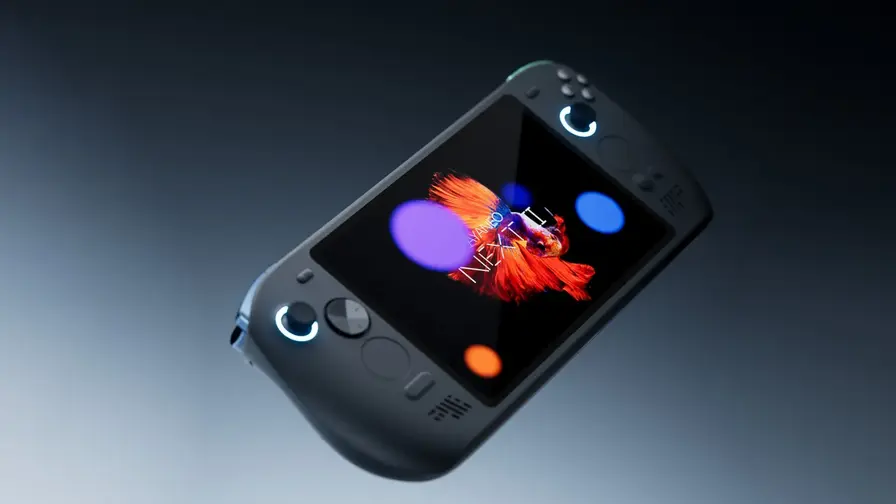
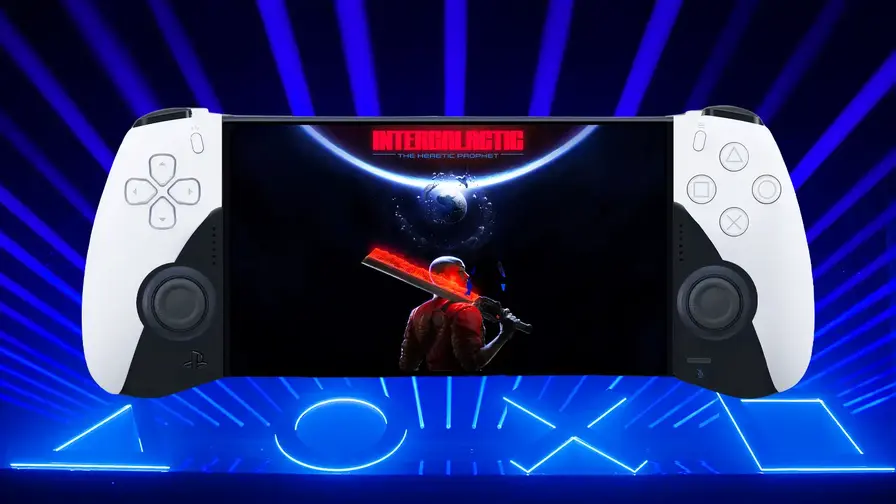
Handheld gaming, however, could be where the drama shifts. Intel is pushing Arc G3 variants into that market, and several handheld makers are testing Panther Lake silicon. AMD still dominates many handheld designs, but its Ryzen Z2 line currently struggles to match chips like Arc G3 Extreme on some fronts. High-end handhelds built on Strix Halo-class silicon exist, but they’re rare and priced well out of reach for most buyers.
Bottom line: Computex 2026 will be about evolution, not upheaval. AMD looks set to tune, expand, and tease — keeping the engine running while quietly preparing a new generation under the hood.

“I love exploring gadgets, apps, and trends that redefine how we connect, work, and play in a digital world.”

Discussion
Leave a Comment
Comments (2)
Feels like AMD is playing chess not fireworks, kinda pumped tho, but also nervous about price and battery life we'll see.
If Medusa really packs 12 cores per chiplet, that's wild... but is it power effecient? sounds too good to be true, tbh