
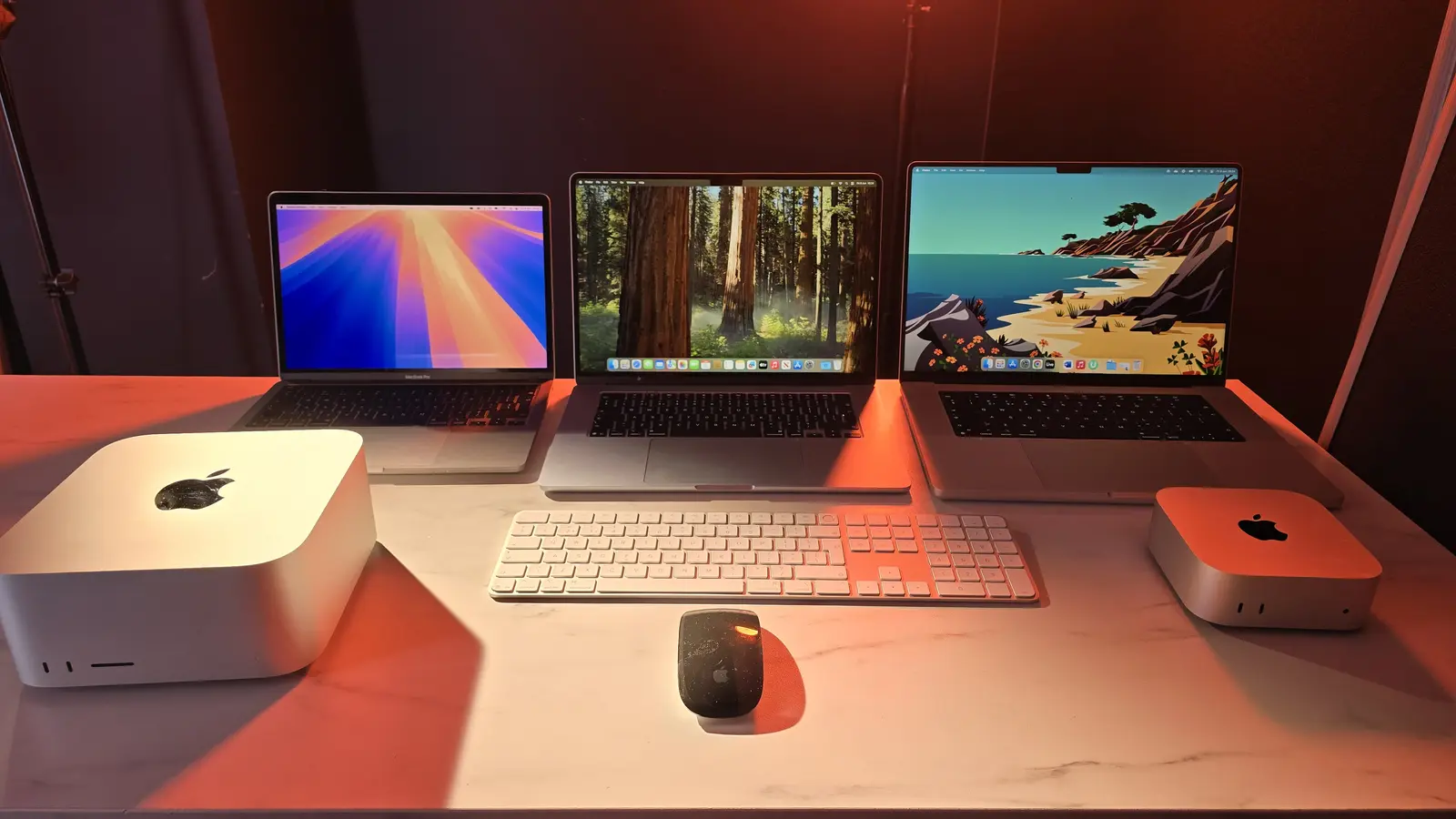
Walk into a store and the Mac display reads like a quiet success story: cleaner layouts, steady foot traffic, and laptops that people linger around. That subtle confidence shows up in the numbers. Apple was the rare bright spot in a shrinking PC market during Q2 2026.
Numbers that tell a story
According to IDC, Apple shipped 6.7 million Macs in the quarter, lifting its market share to 9.9 percent from 8.5 percent a year earlier. A 10.1 percent rise in shipments is not just good timing; it’s market momentum. Meanwhile, the Windows PC landscape cooled. Lenovo stayed in first place but saw shipments dip to 16.6 million units from 17 million, leaving it with roughly 24.4 percent market share. HP slipped to about 13 million shipments and a 19.1 percent share. Dell’s volumes also eased, landing at 9.3 million.

Asus held nearly steady, shipping around 5 million devices. Its shipment growth was almost flat, yet because the total market shrank, Asus nudged its share up slightly to 7.4 percent. The quartet of major vendors all felt pressure, but Apple alone managed to expand.
The whole market contracted to 68.2 million units, down from 71.7 million a year earlier. That 4.9 percent decline has a familiar culprit: component inflation. Memory and SSD costs have pushed prices up, and when components get expensive, buyers pause. Does anyone really want to buy at peak component-priced inventory? Often the answer is no.
IDC expects a sharp slowdown in growth rates in the second half of 2026 and warns vendors are bracing for more price increases into 2027. Those forecasts matter because they shape channel inventory, promotional cycles, and what vendors push into stores as the year rolls on.

So why did Apple buck the trend? Timing helped. Apple’s broad price adjustments landed at the end of June, which barely affected quarter-to-quarter demand. More influential was product strength: the MacBook Neo showed strong uptake among buyers looking for a mix of performance and battery life. In short: a desirable product arriving before a meaningful price hike is a powerful combination.
Will that edge hold in Q3 once the price increases fully ripple through retail? Watch shipments, and watch promotions. If memory and storage costs keep climbing, the market could stagnate further, and buyers may defer upgrades. For now, Apple has a lead. It’s a thin one, and the next quarter will tell whether it’s sustainable.


“I cover emerging technologies, digital innovation, and the intersection of tech and everyday life. My goal is to make complex trends accessible and inspiring.”

Discussion
Leave a Comment
Comments
No comments yet. Be the first.