
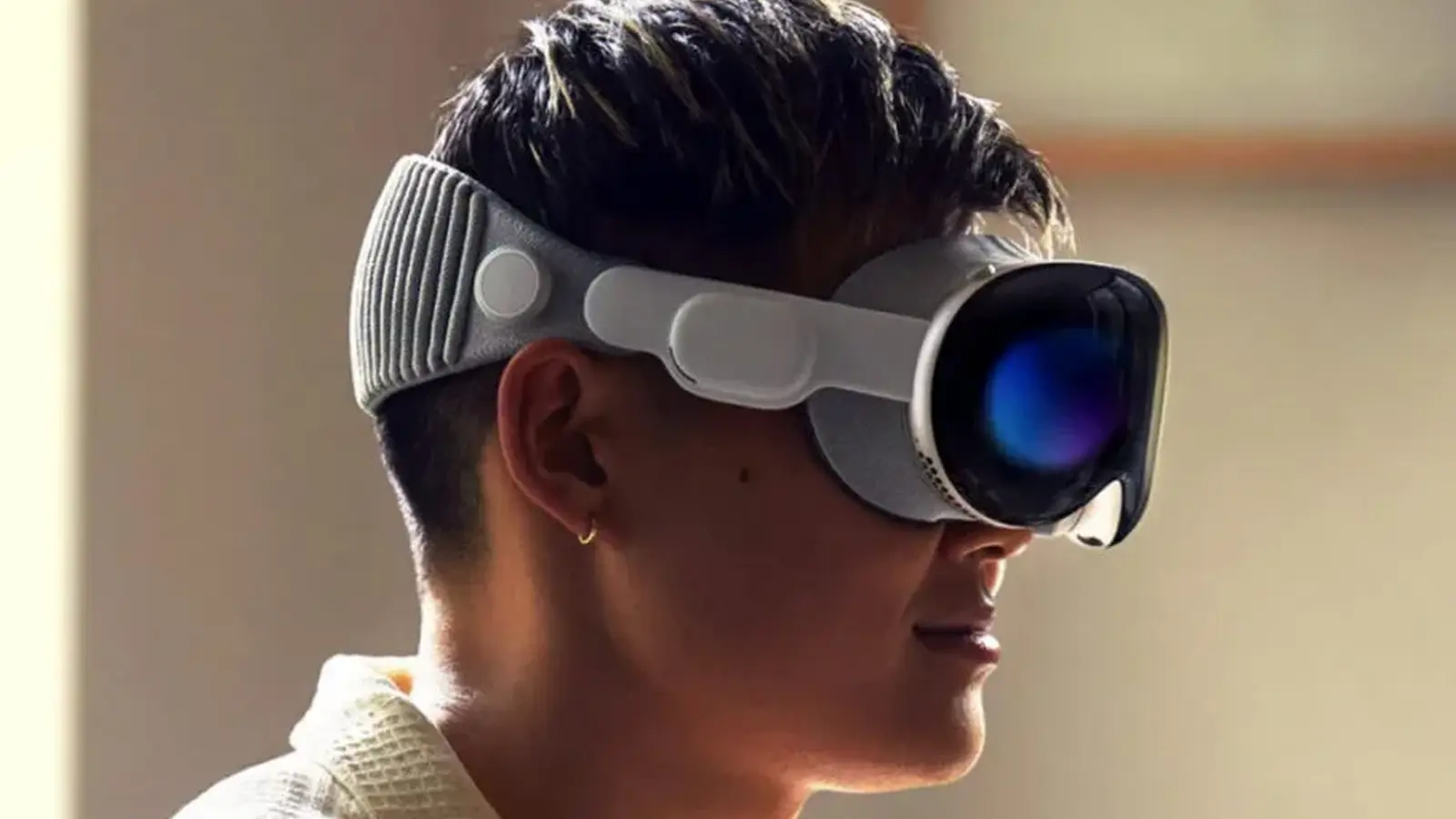
They almost called it Reality Pro. For months inside Apple, engineers and product teams referred to the mixed-reality headset by that name, a label that left faint fingerprints across development builds and internal logs.
Hints surfaced publicly too. Kosutami, a known insider source, pointed to an early internal string reading realityprorealityosdev. Mark Gurman at Bloomberg wrote in September 2022 that Apple was likely to market the headset as Apple Reality Pro. Even earlier, in August 2022, trademark applications for Reality One, Reality Pro and Reality Processor appeared in the United States and several other markets. Those filings were routed through a shell company called Immersive Health Solutions LLC, a tactic Apple has used before to keep new product names private.
Why the name changed and why it matters
Apple ultimately revealed the device at WWDC 2023 as Vision Pro, and its operating system took the name visionOS. The Reality label quietly vanished from public branding, though traces remained in beta firmware and internal code. Why the shift? Part of it was simple polish: Vision Pro sounded like the end product Apple wanted to present. Part of it was legal and strategic. Apple had already used third-party shells for prior trademark filings, but the firm also kept ownership of Reality Pro and Reality One registrations, a move that suggests contingency planning.
Legal chess played a role on another front. In China, Huawei holds an exclusive 10-year license to the Vision Pro trademark through 2031. That arrangement narrows Apple's naming options in one of the world's largest markets and explains why preserving alternative trademarks could be smart insurance. If commercial or regulatory obstacles had emerged, Apple would have a ready fallback in Reality Pro.

There is a technical backstory too. References to realityOS first appeared as early as December 2021, when another shell company, Realityo Systems LLC, filed for the trademark. Developers later spotted realityOS strings inside App Store logs and Apple’s internal packages. Through mid-2023, other filings with names like xrOS, xrProOS and realOS were tracked—names that never made it to the keynote but left artifacts in code. Those artifacts are why legacy names keep cropping up in firmware dumps and developer builds.
Apple didn’t just pivot a brand; it left fingerprints in the software that take time to erase.
The headset reached customers in February 2024 priced at about €3,220 in the United States market. Reception was mixed: many praised the technical ambition, while others questioned price and use cases. Behind the scenes, Apple has also been reshaping the team responsible for the Vision product family. Recent reports say roughly 100 members of that group were laid off and that investments in gaming and immersive video production tied to the headset were scaled back. Stories from inside Apple suggest development on a redesigned Vision Pro 2 and a lower-cost Vision Air were paused as priorities shifted toward lighter smart-glass projects.
What does this all add up to? Names are never just labels for Apple. They reflect strategy, legal reality and market calculus. Vision Pro won the stage. Reality Pro stayed in the wings, a reserved option and a reminder that even in a tightly controlled launch, traces of earlier plans can linger in code and paperwork. The headset’s journey from internal moniker to public brand is a small window into how big tech navigates trademarks, markets and messaging when stakes are high.

“I cover emerging technologies, digital innovation, and the intersection of tech and everyday life. My goal is to make complex trends accessible and inspiring.”

Discussion
Leave a Comment
Comments
No comments yet. Be the first.