
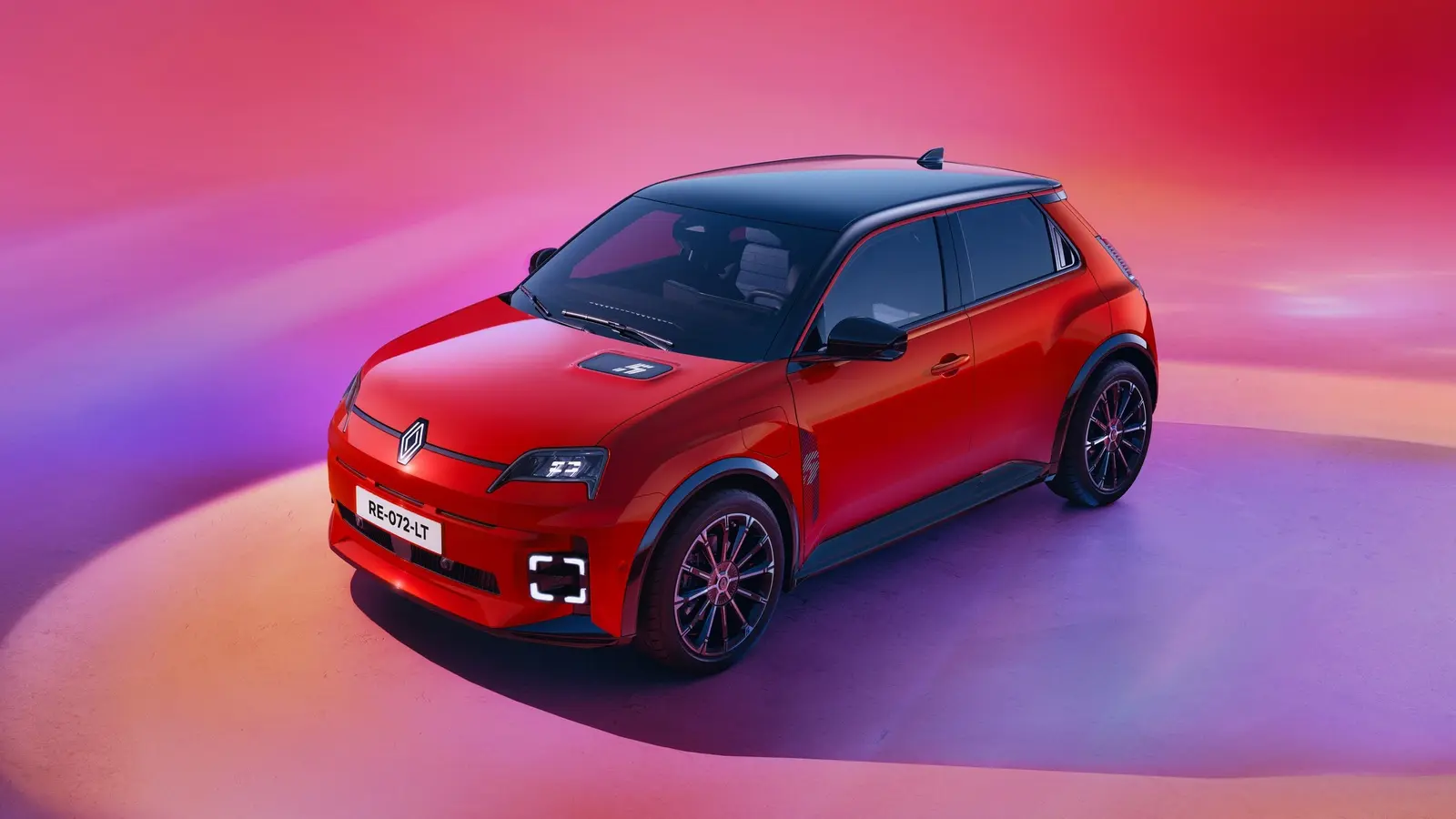
Battery-electric vehicles accounted for 33 percent of new car registrations across 12 major European countries in September 2026, a milestone that highlights a clear shift in buyer choice.
Registrations in that 12-country sample jumped 62 percent in September 2026, and the trend reflects buying decisions made weeks earlier rather than a single moment of sentiment change. Full continent-wide figures are due in the latter part of October 2026, but the available national data show a consistent pattern.
Germany was a major contributor to the surge. BEVs took 34.5 percent of registrations there in September, nearly double the 19 percent share from a year earlier and up from 29 percent in July and 32 percent in August. Cited by Automotive News, a survey from German insurer Huk-Coburg found that a record 12 percent of drivers replaced an internal-combustion car with a battery-electric model in the second quarter of 2026, more than twice the rate from the first quarter.
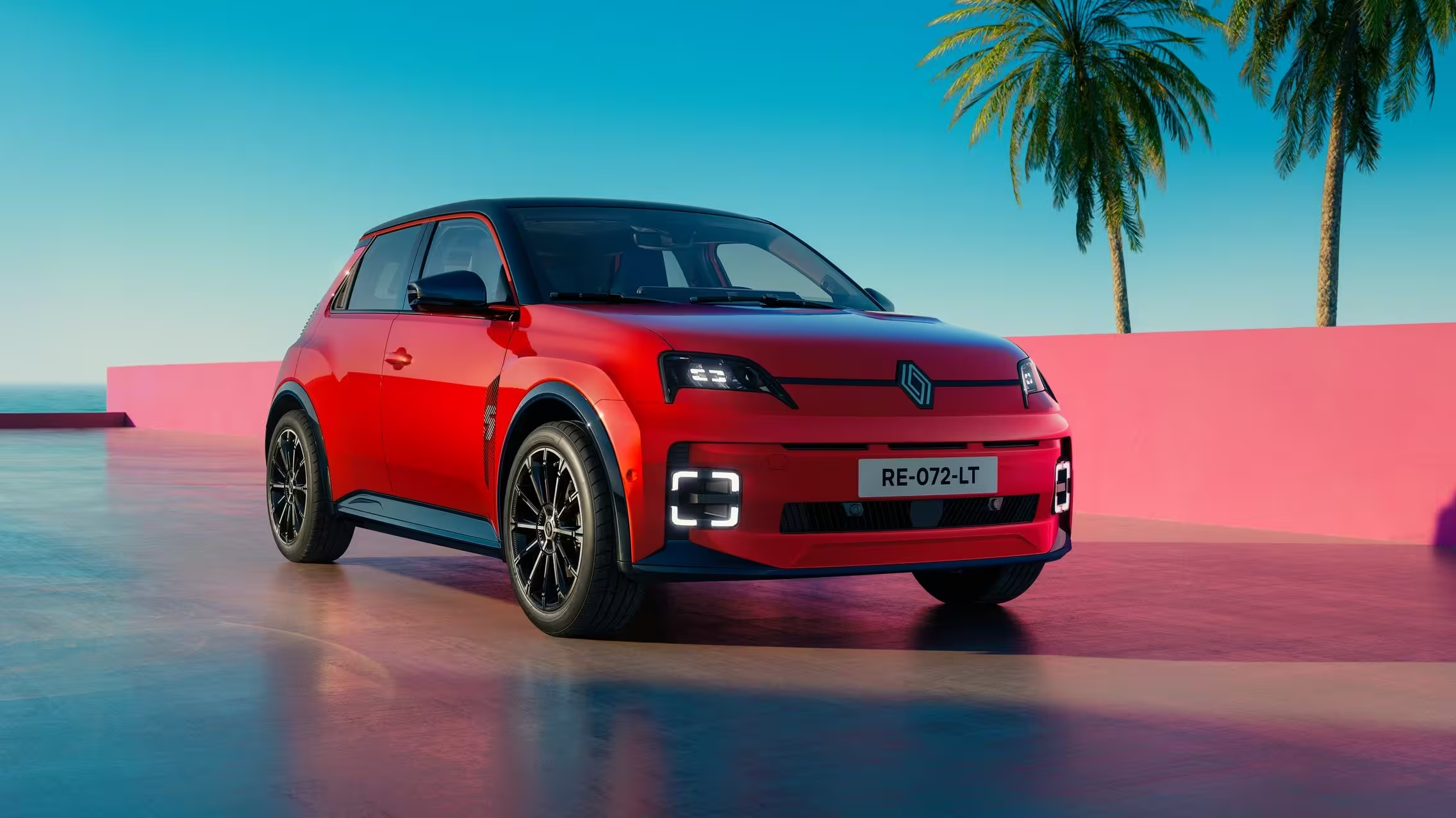
France ran even hotter: 65,246 BEV registrations in September 2026 translated to a 41.7 percent share, following 35 percent in July and 38 percent in August. French electric cars also spend roughly half as long on dealer lots as conventional models, a sign of accelerating turnover among available inventory.
Price and battery technology
Price is the dominant pull. The market is seeing a faster rollout of lithium-iron-phosphate battery packs at the expense of nickel-manganese-cobalt chemistries, and that shift is lowering entry prices. Western automakers are increasingly offering LFP-powered models, and the segment below 25,000 euros is becoming crowded.
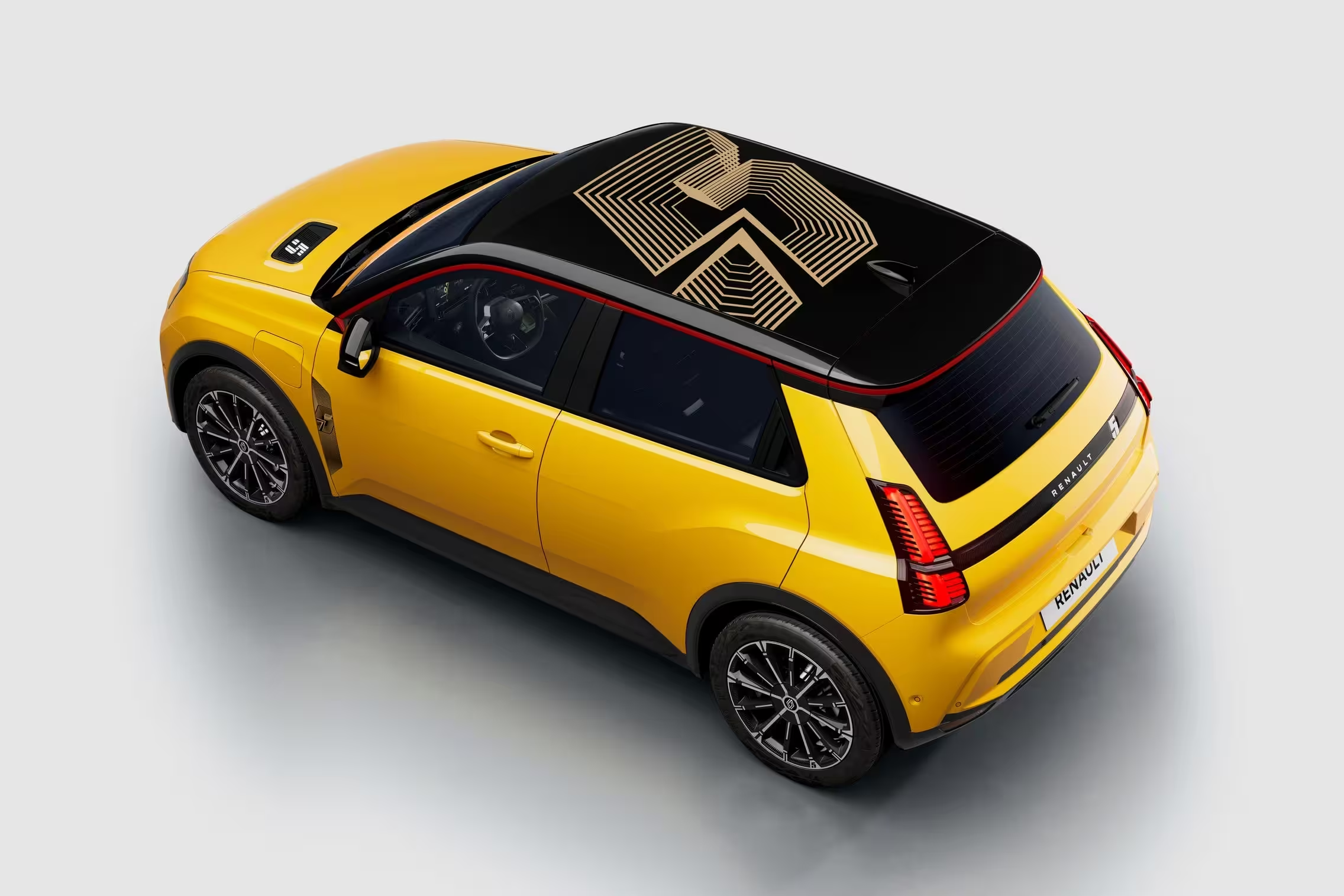
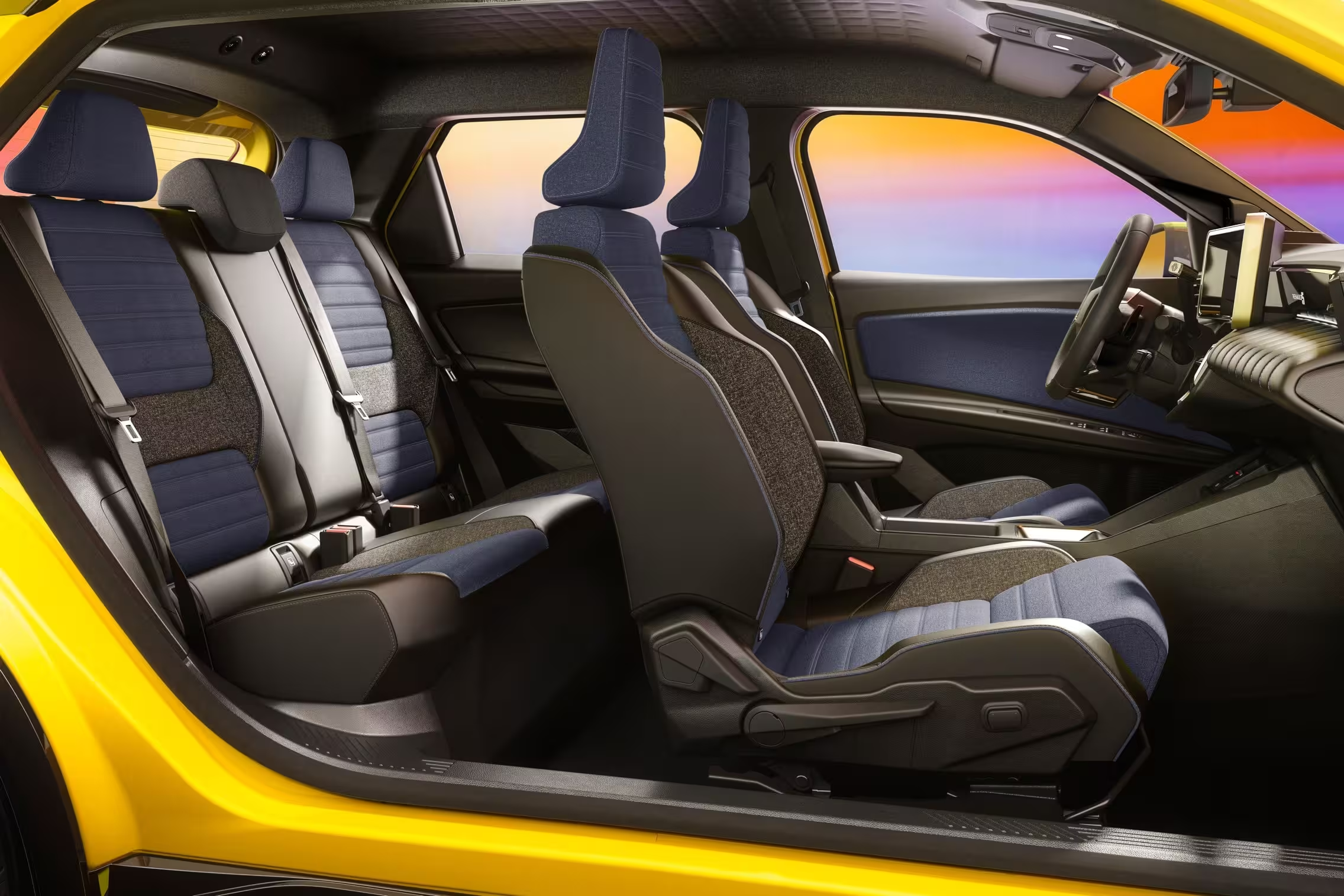
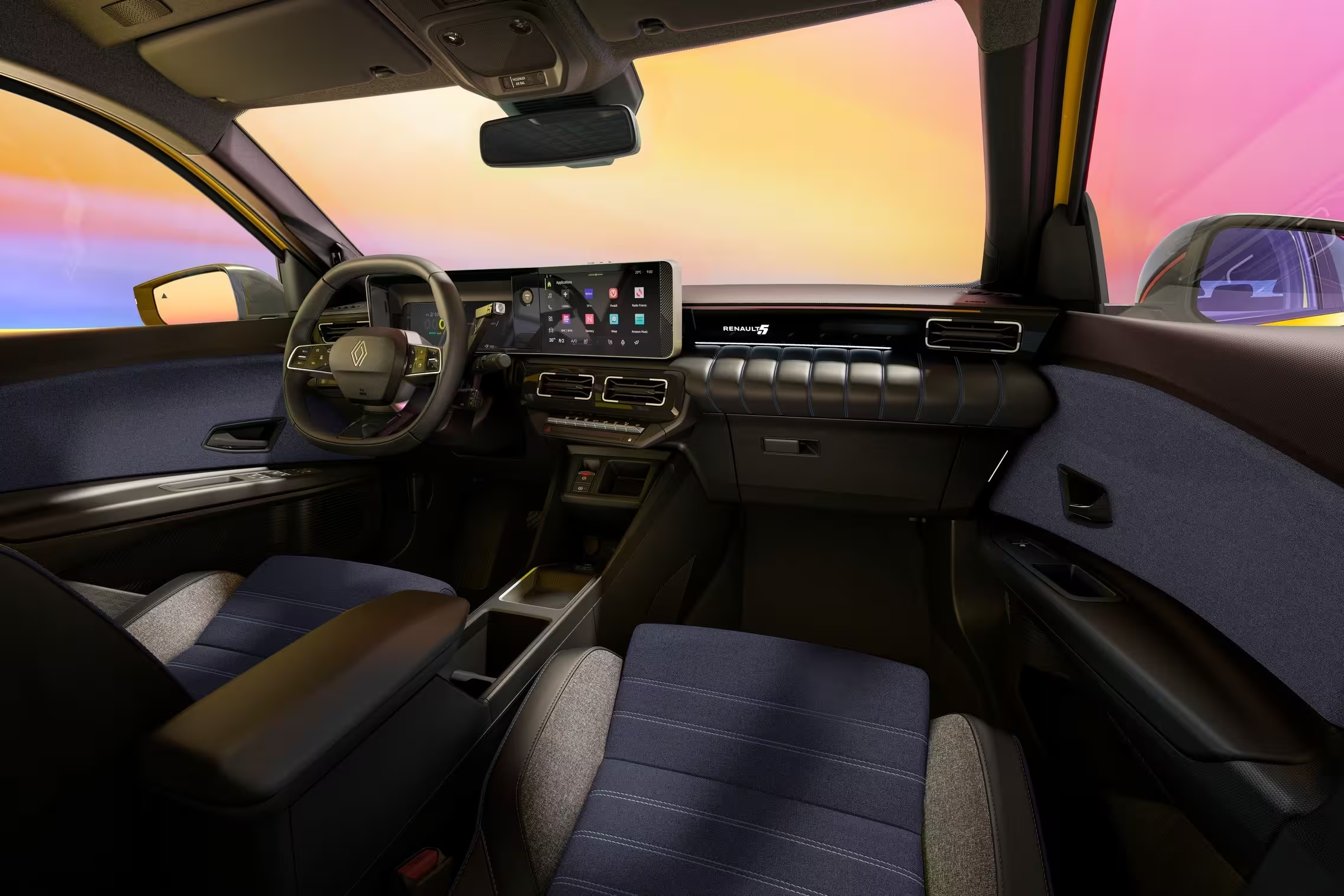
Popular small BEVs include the Renault 5, the all-new Twingo, the Kia EV2, and Volkswagen Group models tied to the ID. Polo platform such as the Cupra Raval. Renault sold a little under 60,000 examples of the Renault 5 through August 2026. Pricing shows the effect of the LFP and low-cost push: the Renault 5 E-Tech electrique starts at 24,870 euros, while the smaller Twingo E-Tech electrique begins at 15,870 euros.
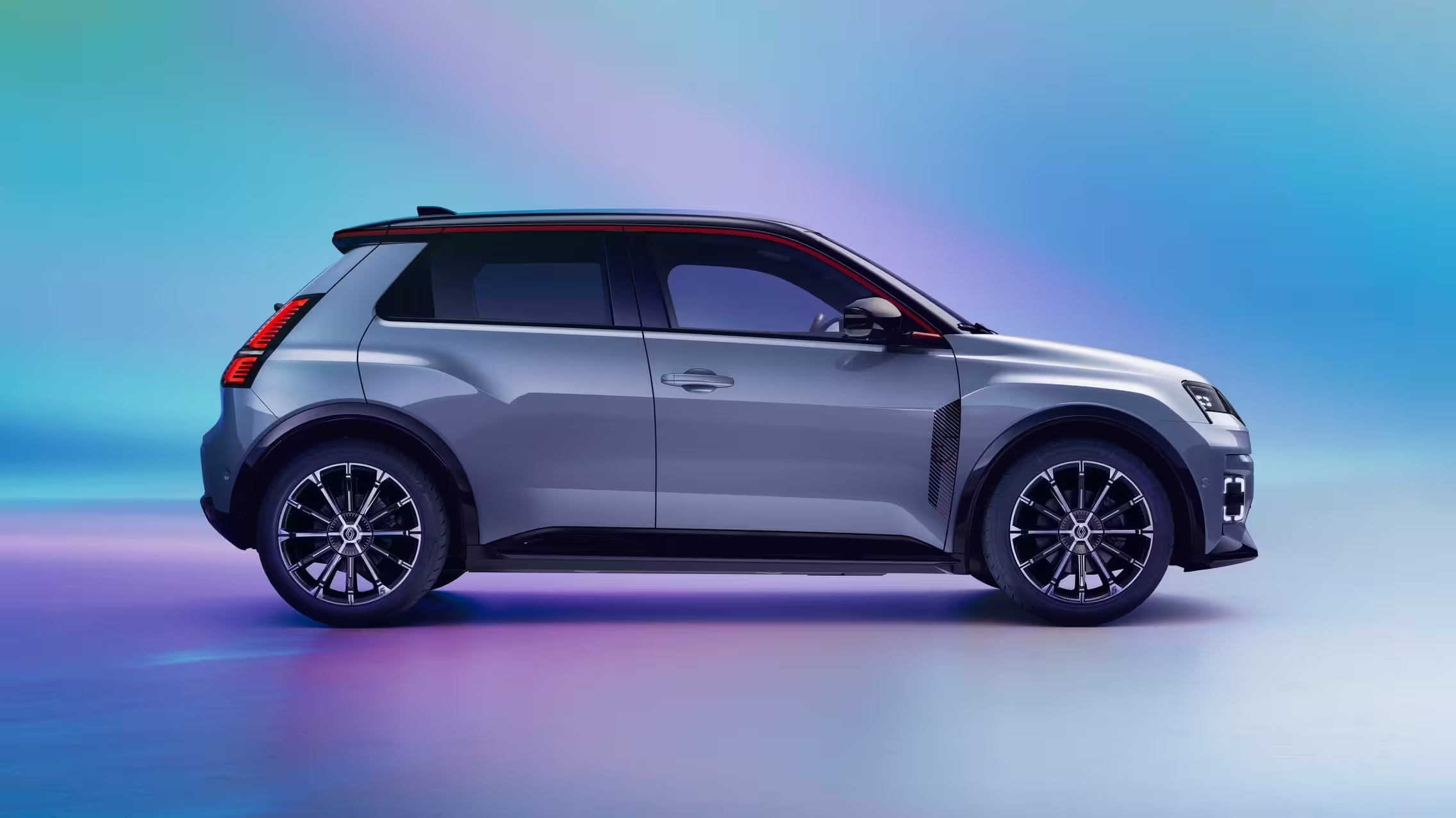
Other incentives and taxation rules are also at work. Spain recorded an 18.5 percent BEV share in September, up from 12 percent a year earlier. Recent European Union incentive programs and Belgium’s company-car tax treatment have supported fleet and retail uptake. In several smaller markets electric cars are closing on or exceeding outright majorities: 53 percent in the Netherlands, 51 percent in Belgium, and 49 percent in Sweden.
The United Kingdom reached a 28 percent BEV share in the same month, five percentage points higher than last September. Italy remains the exception among large Western markets, at about 8 percent, a figure observers link to the waning effect of the stimulus program introduced the prior year.
Analysts caution that defining a single tipping point for electrification is premature; such thresholds are inherently difficult to pinpoint. Still, the combination of higher fuel prices earlier in the year, cheaper battery-electric models and EV-friendly incentives has produced a compounding effect that is clearly visible in recent registration data.
Europe’s headline numbers for the full market will be published later in October 2026, and those final totals will show whether the pattern recorded across these 12 countries is representative of the whole continent.

“Cars are evolving faster than ever. I cover electric vehicles, smart mobility, and the future of transportation worldwide.”

Discussion
Leave a Comment
Comments
No comments yet. Be the first.