Read MoreNora Schmidt2026-02-102Moderate Caffeine Intake Linked to Lower Dementia RiskA long-term study of nearly 132,000 people finds moderate caffeinated coffee or tea intake linked to an 18% lower dementia risk. Results are associative, not causal, and benefits plateau beyond moderate consumption.
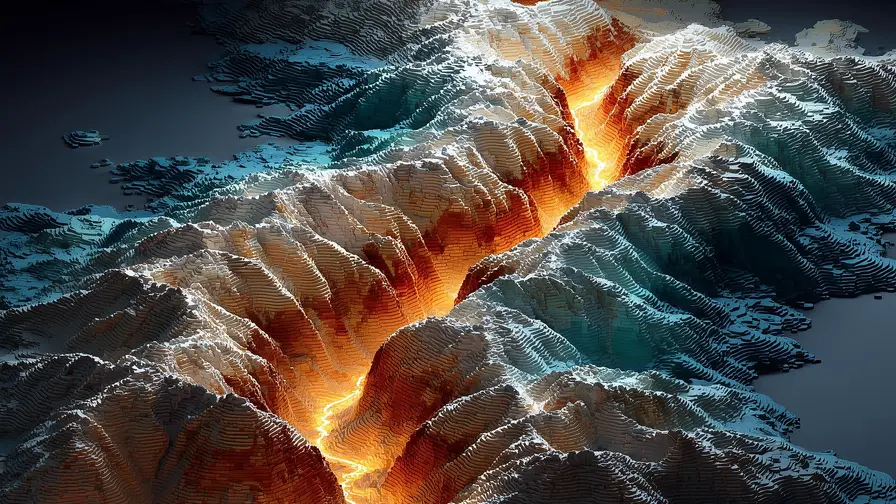
Read MoreOliver Hayes2026-02-102Hidden Faults Under Marmara Sea Could Trigger Istanbul QuakeScientists created the first 3D electromagnetic resistivity model beneath the Marmara Sea. The map highlights weak, fluid-rich zones and locked blocks along the North Anatolian Fault, refining where major earthquakes could start near Istanbul.
Read MoreNora Schmidt2026-02-102Why Some Children Struggle with Math Mistakes, Not NumbersStanford researchers find that some children’s math difficulties stem from trouble updating strategies after mistakes rather than from poor number sense, pointing to new directions for intervention.
Read MoreOliver Hayes2026-02-102When You Eat Matters: Fasting Eases Crohn’s SymptomsA 12-week randomized trial found that time-restricted feeding — eating within an 8-hour daily window — reduced Crohn’s disease activity by 40%, cut abdominal pain, and improved inflammatory markers without changing calorie intake.
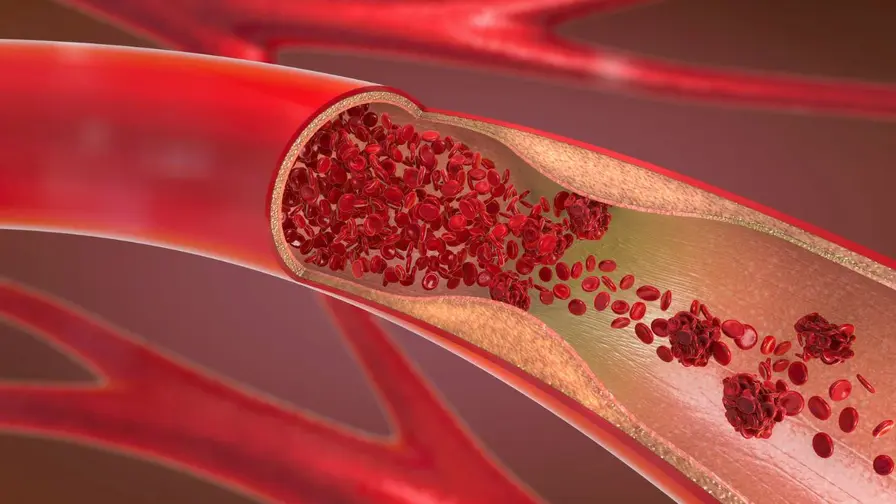
Read MoreNora Schmidt2026-02-092New Oral Drug Slashes Remnant Cholesterol by 60% in TrialTLC-2716, an oral liver- and gut-targeted LXRα modulator, reduced triglycerides by ~38% and remnant cholesterol by up to 61% in a 14-day phase 1 trial. Early results support further testing for hypertriglyceridemia and MASLD.
Read MoreOliver Hayes2026-02-092Why Your 40s Feel So Exhausting — And How to Fix ItMidlife often feels uniquely exhausting because modest biological changes—muscle loss, mitochondrial decline, sleep fragmentation and hormone variability—coincide with peak life demands. This article explains why and what to do.
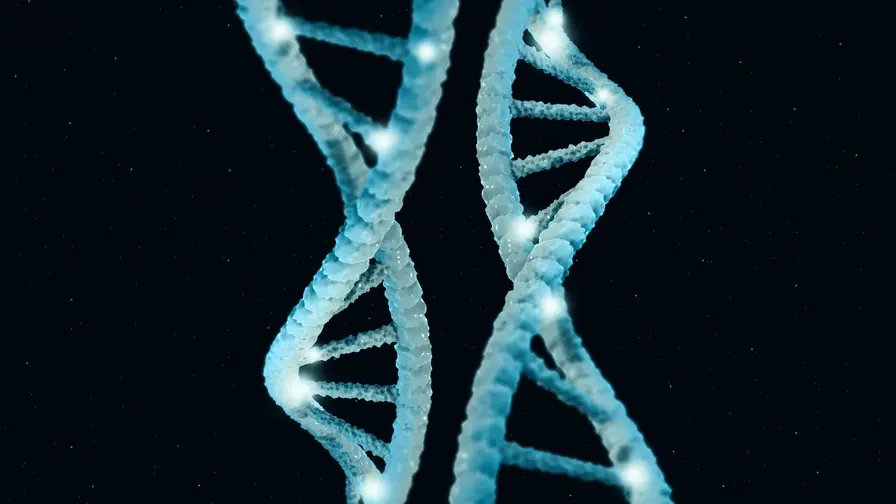
Read MoreOliver Hayes2026-02-092Why Genes May Account for Half of Human Lifespan NowA new twin-based analysis suggests genetics may explain roughly half of lifespan variation in low-risk populations, but heritability depends on context. Learn why genes, environment and disease mix to shape longevity.
Read MoreNora Schmidt2026-02-092Musk's Pivot: SpaceX Aims to Build a City on the MoonElon Musk has announced SpaceX will prioritize building a self-sustaining city on the Moon, citing frequent travel windows and faster logistics than Mars. The shift reframes near-term goals while keeping Mars aspirations alive.
Read MoreNora Schmidt2026-02-083Runaway Black Holes Aren't Myth: Cosmic Fugitives NowAstronomers increasingly accept that 'runaway' black holes exist: mergers can kick resulting black holes at thousands of km/s, leaving stellar contrails that recent JWST and galaxy observations appear to reveal.
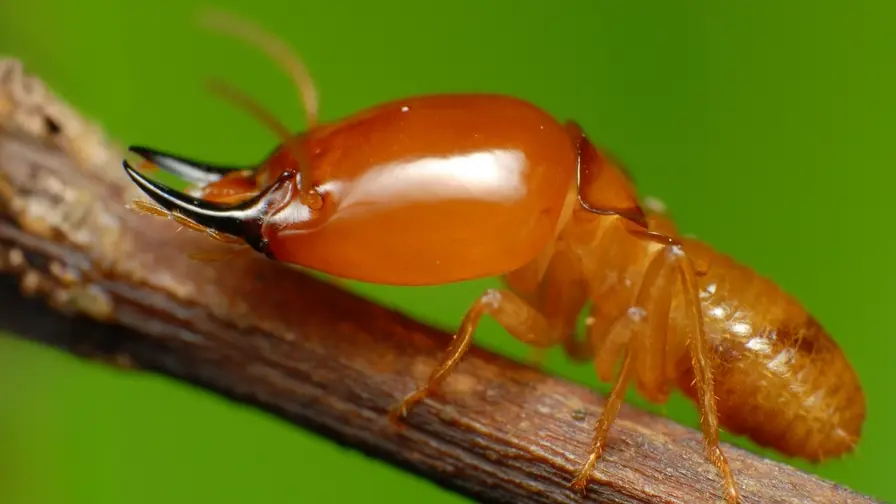
Read MoreNora Schmidt2026-02-082When Monogamy Silenced Termite Sperm: The Genetic CostTermites lost sperm tails and associated genes after ancestral monogamy removed sexual competition. Comparative genomics shows diet, kinship and developmental feeding shaped caste fate and streamlined termite genomes.
Read MoreNora Schmidt2026-02-083When Earth's Magnetic Poles Took Tens of Thousands of YearsNew analysis of Eocene seafloor cores shows some geomagnetic reversals unfolded over tens of thousands of years, reshaping how scientists view the geodynamo, atmospheric effects, and biological impacts.
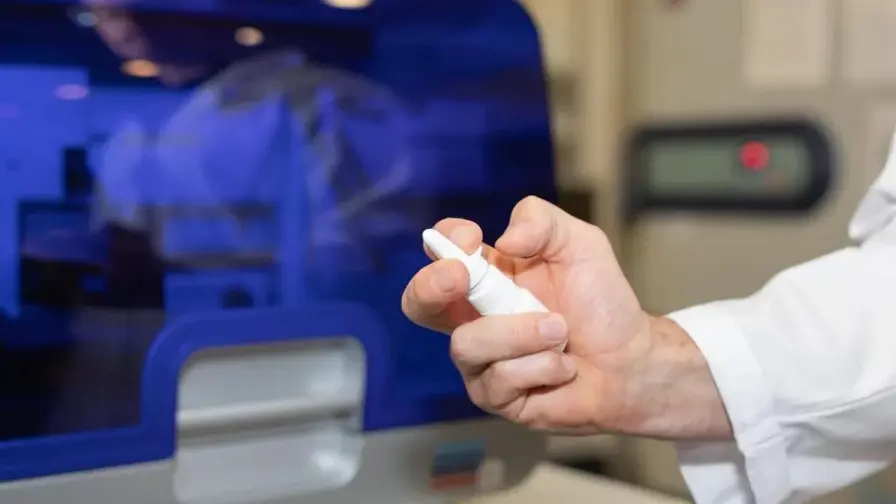
Read MoreOliver Hayes2026-02-082A Nasal Spray That Neutralizes Multiple Influenza StrainsHarvard researchers report an intranasal antibody spray, CR9114, that targets influenza at the nasal mucosa. Early human and macaque trials show safe, short-term local protection against multiple A and B strains.
Read MoreNora Schmidt2026-02-08Meditation Alters Brain Dynamics, But Not Always for GoodNew research finds experienced meditators can show similar brain dynamics in meditation and rest, revealing complex neural changes and underreported risks like anxiety and derealization.
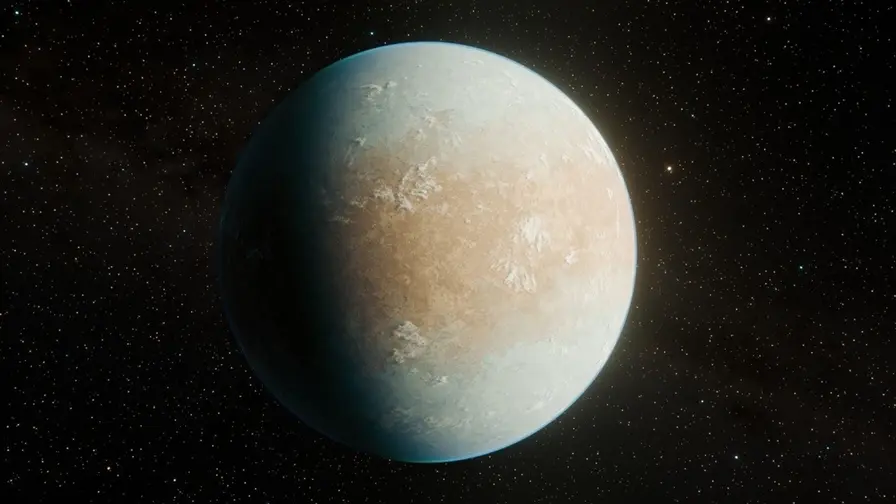
Read MoreOliver Hayes2026-02-072An Ice-Cold Earth Candidate Found 150 Light-Years AwayScientists have identified HD 137010 b, an Earth-sized exoplanet candidate about 150 light-years away. It orbits a long-lived K dwarf in roughly one year and may be a frozen ‘snowball’ or, with the right atmosphere, retain liquid water.
Read MoreOliver Hayes2026-02-072Did Trees Anticipate an Eclipse - Or Just the Storm?A reanalysis challenges claims that Norway spruce synchronized electrical signals to anticipate a partial solar eclipse, suggesting storm-driven temperature drops and lightning better explain the data.
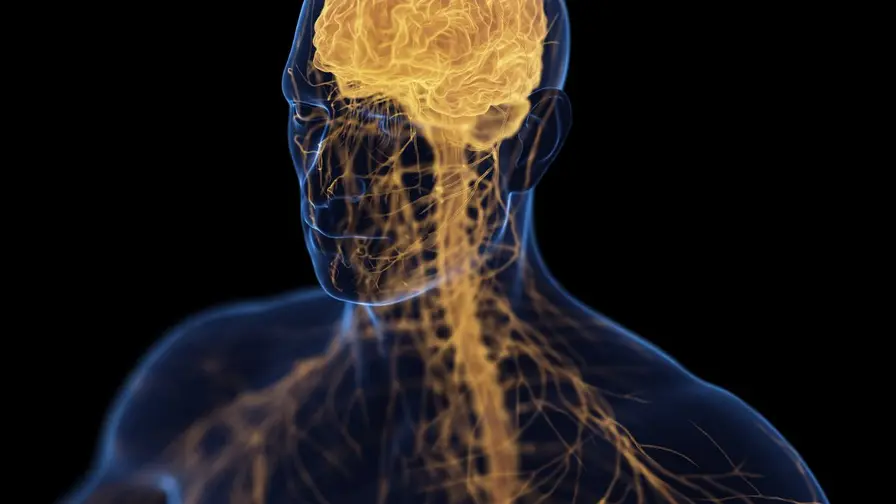
Read MoreNora Schmidt2026-02-07How the Bone-Brain Axis Links Depression and OsteoporosisEmerging science reveals a two‑way bone‑brain axis linking depression and osteoporosis. Studies propose exercise, neuromodulation, and drugs targeting bone signals as new routes for treatment.
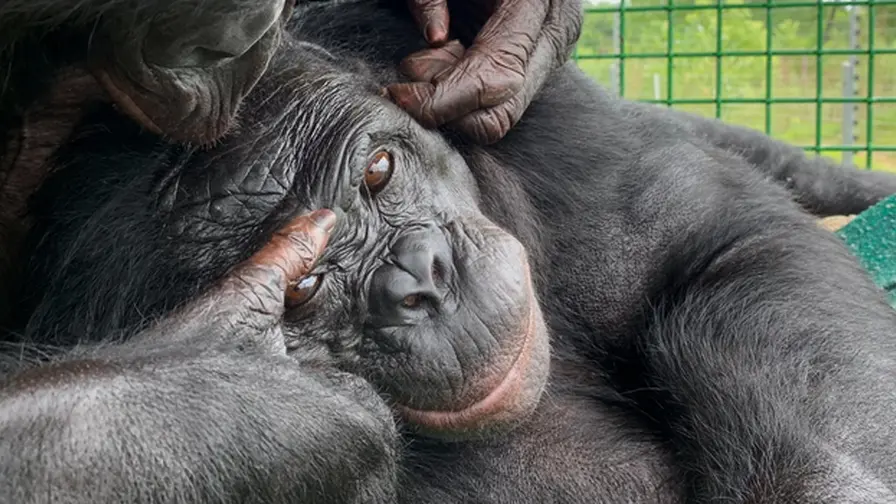
Read MoreNora Schmidt2026-02-062When a Bonobo Hosted a Tea Party: Did Kanzi Imagine Juice?Researchers adapted child-development experiments for a bonobo, Kanzi, whose responses to pretend and real juice suggest apes may possess elements of imagination. The study provokes fresh questions about animal minds and evolutionary cognition.
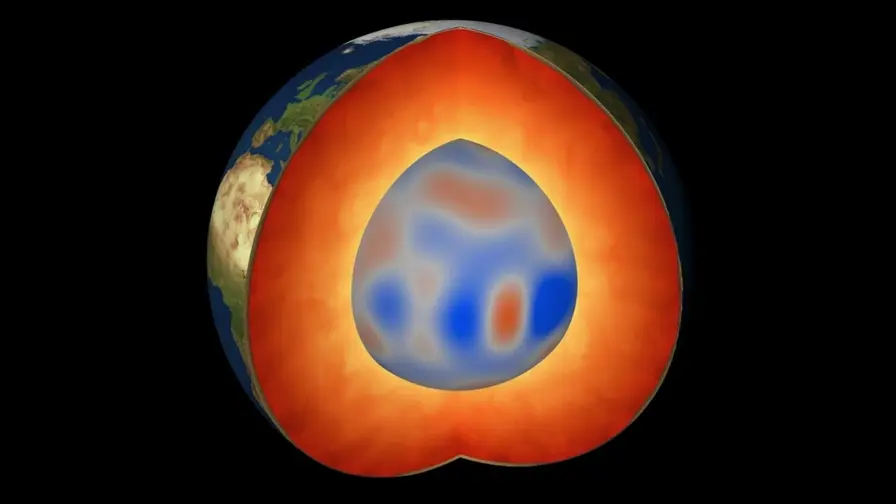
Read MoreOliver Hayes2026-02-063Hidden Blobs Beneath Earth Stabilize Our Magnetic ShieldSeismic ‘Blobs’ deep in the lower mantle appear to insulate parts of the core, altering heat flow and helping stabilize Earth’s magnetic field; new models connect mantle heterogeneity with paleomagnetic records.
Read MoreOliver Hayes2026-02-062Largest Object Seen as a Quantum Wave Shatters RecordsA University of Vienna and Duisburg-Essen experiment revealed interference from 8 nm sodium clusters weighing over 170,000 amu, showing quantum superposition applies to surprisingly large objects and challenging where decoherence sets in.
Read MoreOliver Hayes2026-02-063Wildfire Smoke Kills Tens of Thousands Annually in U.S.A Science Advances study links long-term exposure to wildfire PM2.5 with roughly 24,100 U.S. deaths per year (2006–2020), highlighting health risks, methodological approach, and policy implications.