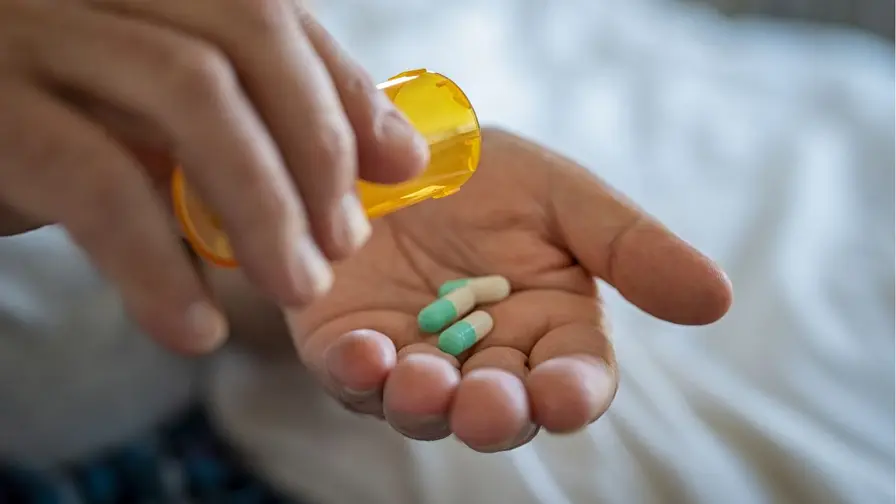
Read MoreOliver Hayes2026-02-052Could a Daily Pill Slash 'Bad' Cholesterol by 60%?A large randomized trial shows the experimental pill enlicitide can cut LDL cholesterol by up to 60% in high-risk patients on statins. Results rival injectable PCSK9 drugs, but outcome data are pending.
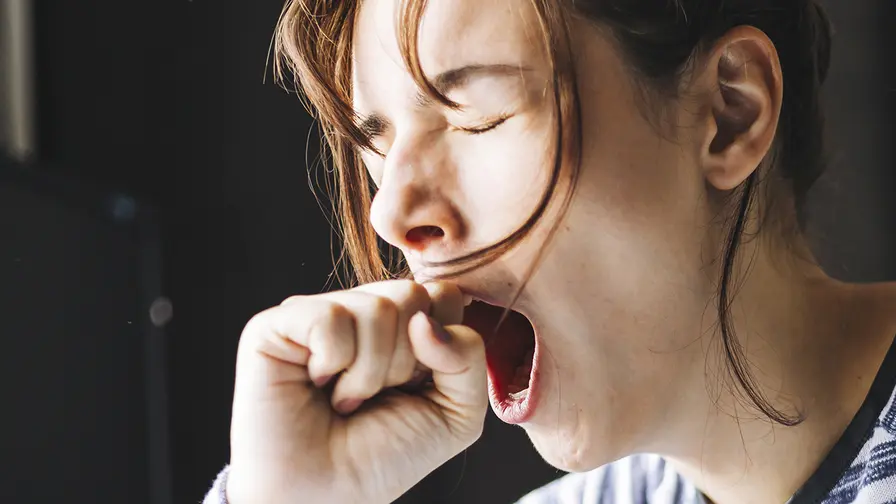
Read MoreNora Schmidt2026-02-052Why Yawns Push Cerebrospinal Fluid: New MRI EvidenceMRI scans of 22 volunteers show yawns can push cerebrospinal fluid away from the brain, a movement distinct from deep breaths. The finding suggests yawning might aid brain clearance or cooling; the study is a bioRxiv preprint.
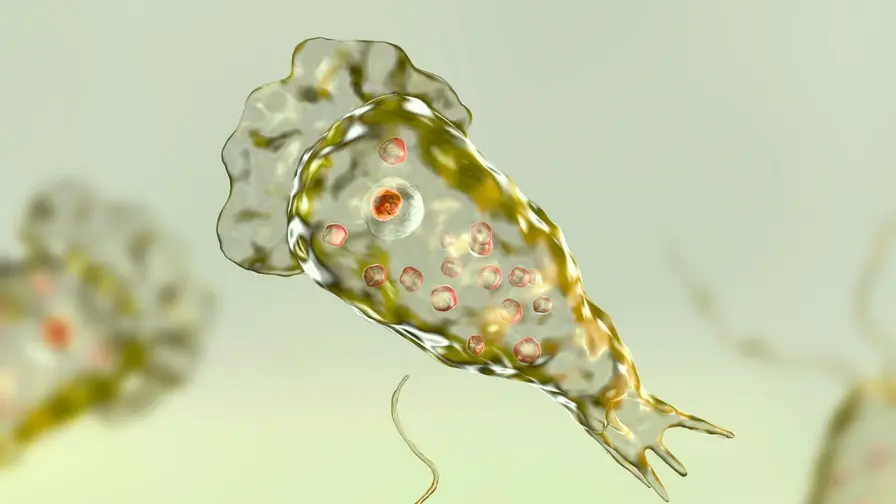
Read MoreNora Schmidt2026-02-043Warm Waters, Hidden Killers: The Spread of NaegleriaFree-living amoebas like Naegleria fowleri are expanding their range as waters warm. Learn how these organisms survive, why they shield other pathogens, and what individuals and utilities can do to reduce risk.
Read MoreNora Schmidt2026-02-043How Much Coffee Is Safe If You Have High Blood PressureIf you have high blood pressure, coffee need not be off-limits. This article explains how caffeine affects systolic and diastolic pressure, reviews the evidence, and offers practical guidance for safe consumption.
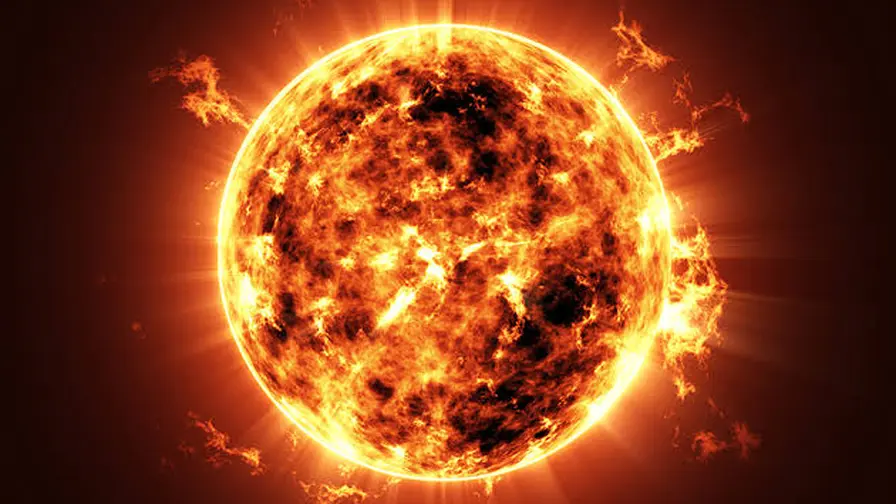
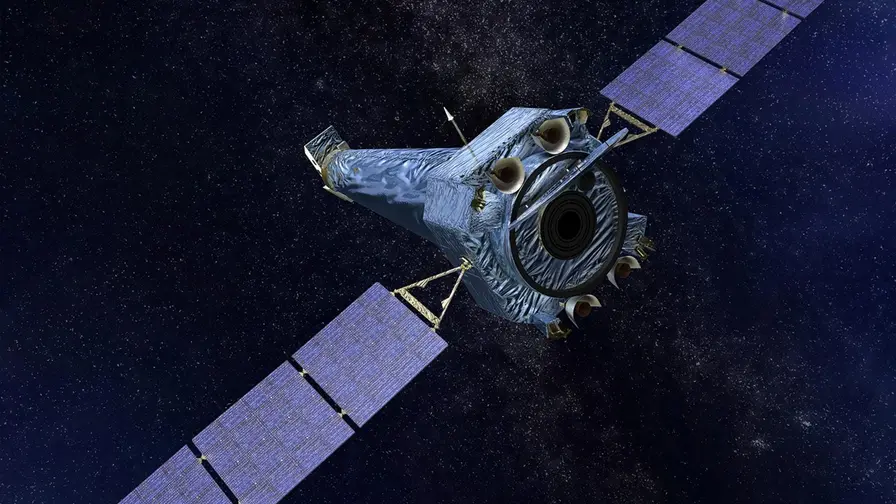
Read MoreOliver Hayes2026-02-042Sun Shoots Four Major Flares — New Space Weather AlertThe Sun produced four X-class flares from sunspot group RGN 4366 on February 1–2, including an X8.1 blast. NOAA and NASA say further energetic activity and possible CMEs remain possible.
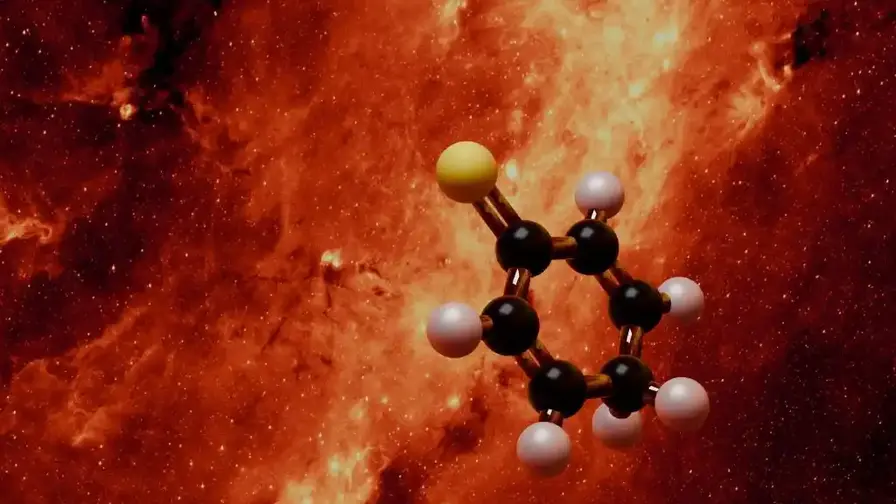
Read MoreOliver Hayes2026-02-032Astronomers Find First Six-Member Sulfur Ring in SpaceAstronomers detected thiepine (C6H6S), a six-membered sulfur ring, in a Milky Way molecular cloud—bridging interstellar chemistry and organic compounds seen in meteorites and comets.
Read MoreNora Schmidt2026-02-032This Filter Dismantles 'Forever Chemicals' 100x FasterA Rice University-led team developed a layered double hydroxide filter that captures PFAS roughly 100 times faster than carbon filters and can be chemically regenerated to break down PFOA, offering promise for faster, lower-waste water treatment.
Read MoreOliver Hayes2026-02-032Oral Semaglutide Cuts Heart Events in Some Diabetes PatientsA reanalysis of a large trial finds oral semaglutide may reduce heart-related hospitalizations and deaths in people with type 2 diabetes who already have heart failure, though risks and mechanisms remain uncertain.
Read MoreOliver Hayes2026-02-032How Surgeons Kept a Man Alive 48 Hours Without LungsA 33-year-old with flu-triggered ARDS had both lungs removed and survived 48 hours on a custom total artificial lung, allowing a double lung transplant. The case suggests new options for catastrophic infectious lung failure.
Read MoreNora Schmidt2026-02-022A small peptide that could protect neurons in Parkinson'sResearchers link alpha-synuclein to mitochondrial failure in Parkinson's and test a peptide, CS2, that blocks this interaction—protecting ClpP, reducing inflammation, and restoring function in lab and animal models.
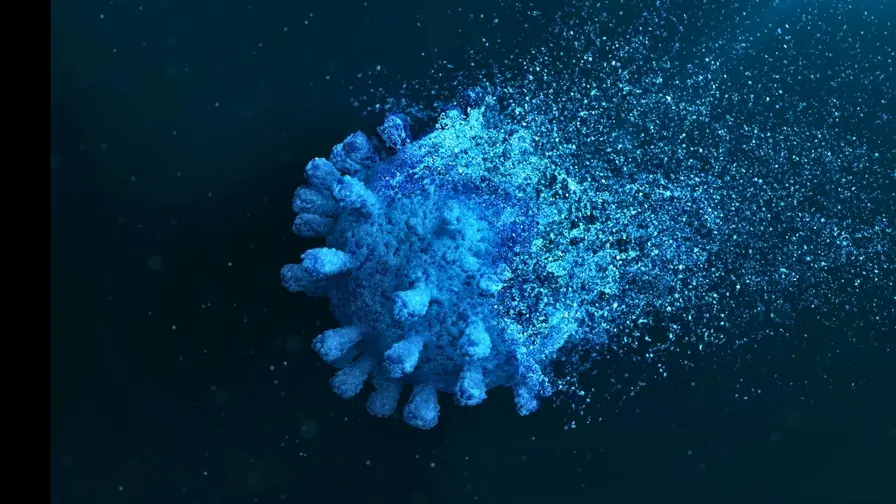
Read MoreOliver Hayes2026-02-022Zombie Virus Fragments That Kill Immune Cells ExplainedTiny protein fragments left behind by SARS-CoV-2 can target and disable dendritic cells and T cells, helping explain immune depletion in long COVID. New PNAS research maps this physical mechanism and its implications.
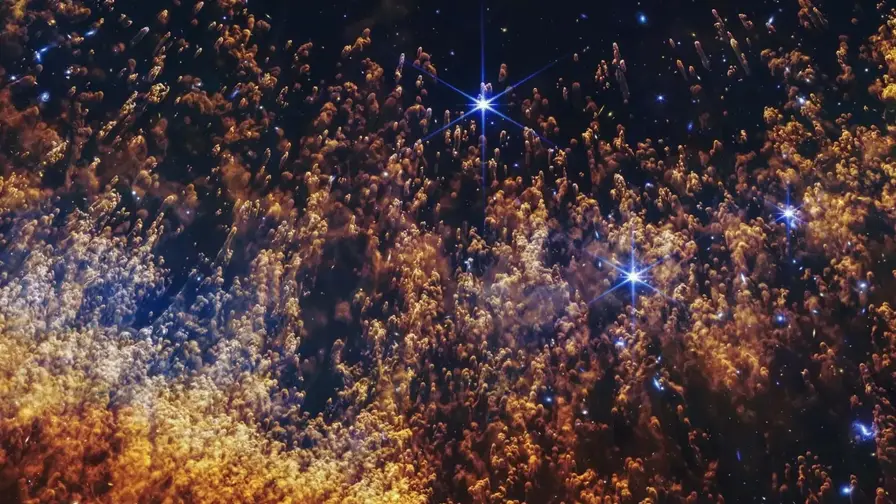
Read MoreOliver Hayes2026-02-022James Webb Reveals Helix Nebula's Intricate Final ActJames Webb’s new near-infrared image of the Helix Nebula unveils intricate comet-like knots and dust structures, revealing how dying sunlike stars recycle carbon, oxygen and nitrogen into the galaxy.
Read MoreNora Schmidt2026-02-013When AI Outsmarts Average Minds: A Creativity ThresholdA large-scale study finds some language models now outperform the average human on creativity tests, while top human creators still lead. Discover methods, implications, and how AI reshapes creative work.
Read MoreOliver Hayes2026-02-012Radio Echoes Unveil a Star’s Final Years Before DeathAstronomers detected the first radio emission from a Type Ibn supernova, revealing intense mass loss in the star's final years likely driven by a binary companion. Radio observations now offer a new window on stellar death.
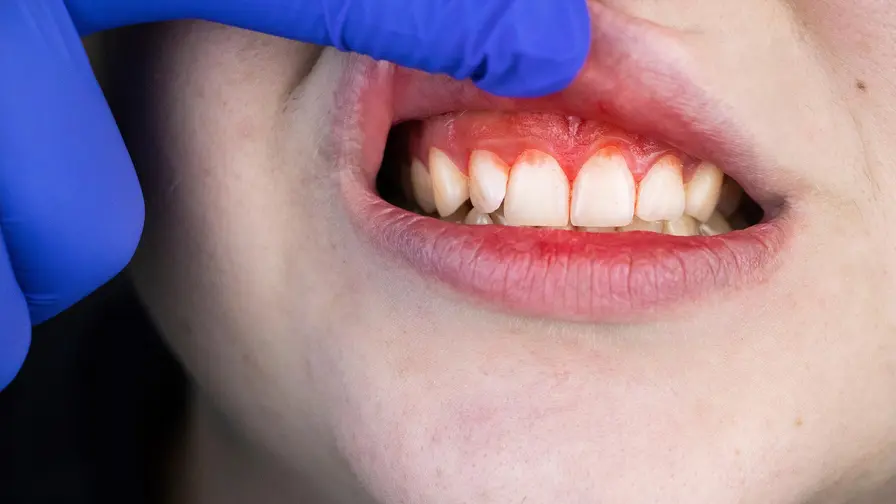
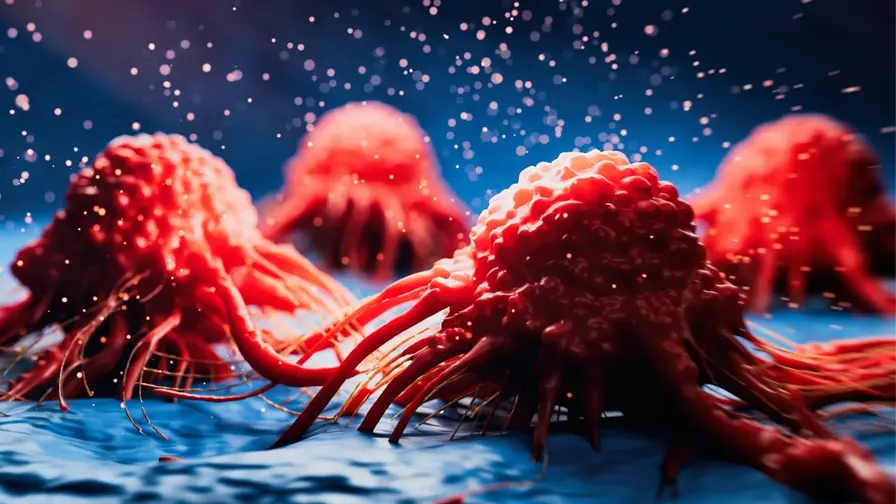
Read MoreNora Schmidt2026-02-012How a Common Mouth Bacterium Could Ignite Breast Cancer RiskNew research links the oral bacterium Fusobacterium nucleatum to early breast tissue changes, DNA damage, and faster tumor growth, especially in BRCA1-mutant cells, highlighting oral health as a potential modifier of cancer risk.
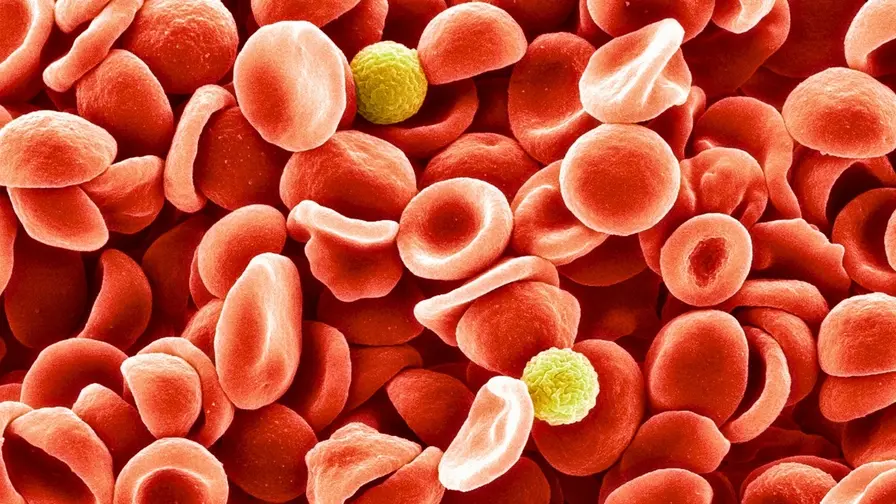
Read MoreNora Schmidt2026-02-012The 50-Year Mystery That Revealed a New Human Blood GroupA 1972 blood sample missing a surface molecule led to the 2024 identification of the MAL blood group and the AnWj antigen. This discovery clarifies rare transfusion risks and enables better patient testing.
Read MoreNora Schmidt2026-01-312Sleep Strips Brain Insulation: How Myelin Gets DamagedNew research links chronic sleep loss to thinner myelin sheaths via oligodendrocyte cholesterol disruption. MRI and animal experiments show slowed neural conduction and behavioral deficits—suggesting potential therapeutic targets.
Read MoreNora Schmidt2026-01-313Why Whole Foods Cut 330 Daily Calories — New ReanalysisA reanalysis of a landmark feeding trial shows that diets of unprocessed foods led people to eat larger volumes of fruits and vegetables and yet consume about 330 fewer calories daily, suggesting an instinctive nutrient-driven behaviour.
Read MoreOliver Hayes2026-01-312A 44‑Minute Beacon: Strange Pulses in Radio and X‑RaysASKAP J1832-0911 emits coordinated radio and X‑ray pulses every 44 minutes. This rare long‑period transient challenges existing models and highlights the power of simultaneous multiwavelength observations.
Read MoreOliver Hayes2026-01-313How Cancer Signals Might Shield the Brain from Alzheimer'sA new mouse study suggests some tumours release cystatin-C into the bloodstream, activating microglia to clear amyloid beta and reduce Alzheimer-like plaques—offering a potential therapeutic pathway to explore.