Read MoreOliver Hayes2025-12-113Snack Smart: Flavanols That Protect Your Blood VesselsA University of Birmingham trial shows that high-flavanol foods—cocoa, tea, berries—can prevent short-term declines in blood-vessel function during two hours of uninterrupted sitting, offering a dietary way to support vascular health.
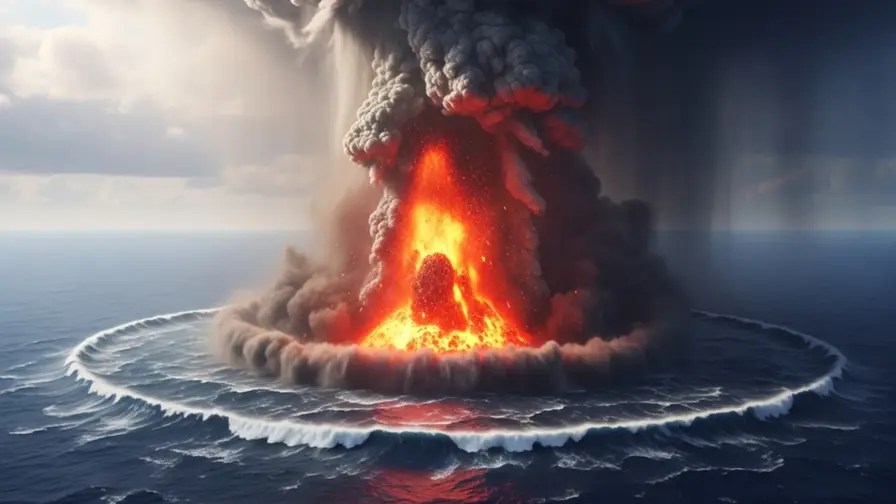
Read MoreOliver Hayes2025-12-113Which Event Produced the Loudest Sound in History?A detailed look at the loudest sounds on record—from Krakatoa and Tunguska to the modern Hunga Tonga eruption—explaining how scientists measure extreme pressure waves, what decibel numbers mean, and why definitions matter.
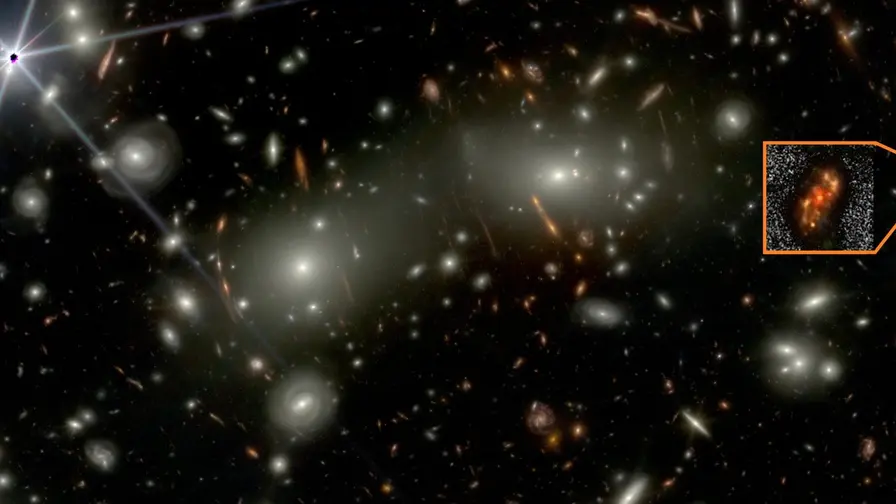
Read MoreNora Schmidt2025-12-102JWST Detects Earliest Supernova from Cosmic Dawn EraA gamma-ray burst detected by SVOM and followed up by JWST revealed the earliest known supernova at redshift 7.3, 720 million years after the Big Bang. The explosion appears similar to modern core-collapse supernovae, with implications for early stars and reionization.
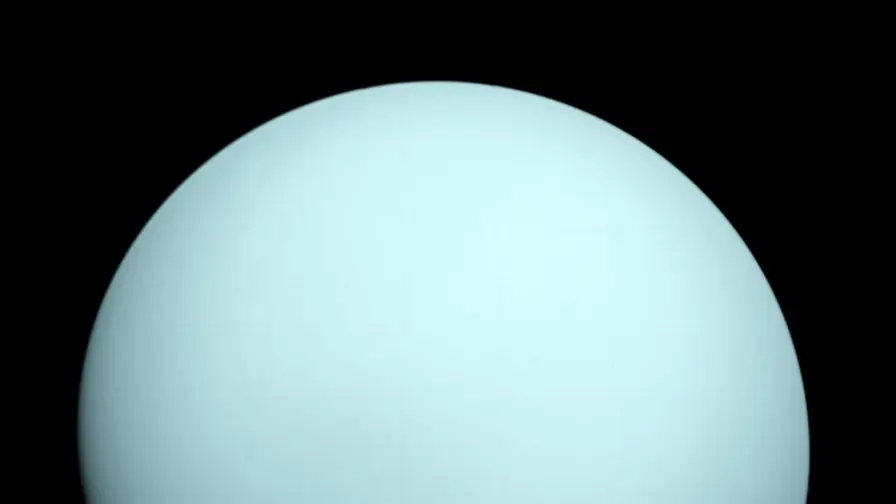
Read MoreOliver Hayes2025-12-102Voyager 2 Flyby: Solar Wind Likely Charged Uranus BeltsNew analysis suggests Voyager 2’s intense electron readings at Uranus in 1986 resulted from a transient solar wind event. Reinterpreting the flyby changes how we model radiation belts and motivates a dedicated Uranus mission.
Read MoreNora Schmidt2025-12-102Cancer Deaths Could Nearly Double by 2050 — Act NowGlobal projections show cancer diagnoses and deaths could nearly double by 2050, with the largest increases in low- and middle-income countries. Prevention, diagnosis, and health-system investment can change the trajectory.
Read MoreNora Schmidt2025-12-103Exascale Simulations Reveal Realistic Black Hole AccretionExascale simulations now model black hole accretion with full general relativity and radiation physics, matching observed spectra and revealing disk, wind, and jet dynamics for stellar-mass systems.
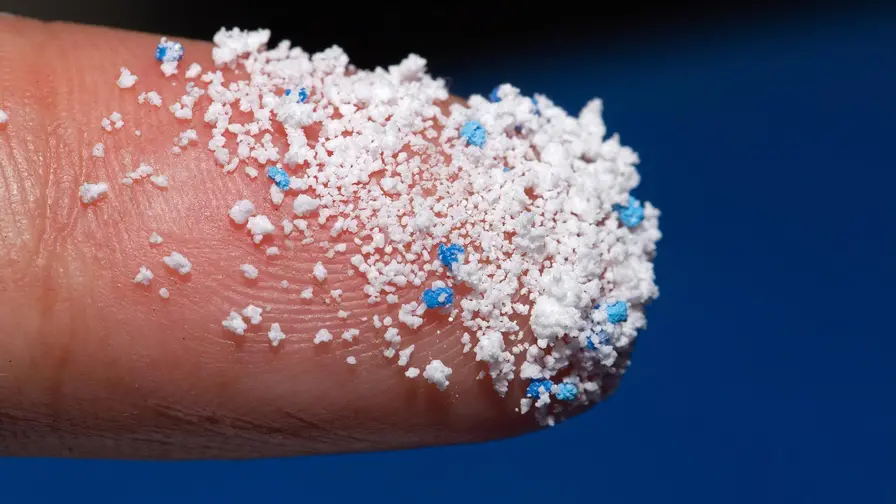
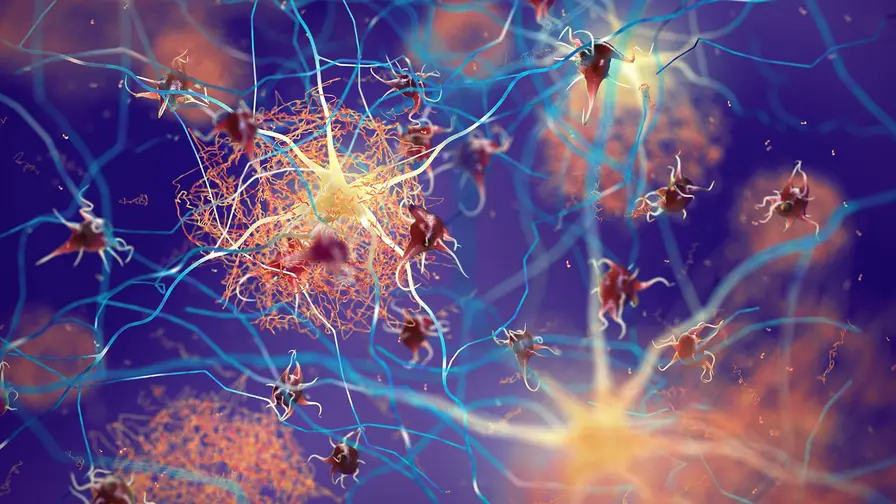
Read MoreNora Schmidt2025-12-092How Microplastics May Worsen Alzheimer’s and Parkinson’sNew review maps five biological pathways by which microplastics may inflame and damage the brain, potentially worsening Alzheimer’s and Parkinson’s. Learn sources of exposure and practical ways to reduce risk.
Read MoreNora Schmidt2025-12-092Milky Way's Two Chemical Tracks Explained by SimulationsSimulations from the Auriga project show the Milky Way's two-track chemical signature can arise from starbursts, changing gas inflows and metal-poor circumgalactic gas — not only from a single past collision.
Read MoreOliver Hayes2025-12-093Russia's Soyuz Launch Pad Collapse Grounds MissionsA post-launch collapse of a heavy maintenance cabin at Baikonur's Site 31/6 has sidelined Russia's Soyuz crew and cargo launch capability, delaying ISS missions and affecting space and crypto-related payload plans.
Read MoreOliver Hayes2025-12-083Milky Way Twin Found 1.5 Billion Years After Big Bang, RevealedJWST and gravitational lensing revealed Alaknanda, a grand-design spiral galaxy that formed just 1.5 billion years after the Big Bang, forcing astronomers to rethink early galaxy assembly and rapid disk formation.
Read MoreNora Schmidt2025-12-084Shingles Vaccine Linked to 20% Lower Dementia RiskA Stanford analysis of Wales' shingles vaccine rollout found a 20% lower dementia risk over seven years among vaccinated seniors, suggesting antiviral vaccination may prevent or slow cognitive decline.
Read MoreNora Schmidt2025-12-082Light’s Hidden Magnetism: Rethinking the Faraday EffectNew research shows light's magnetic field contributes substantially to the Faraday effect, overturning a 180-year assumption and opening paths for optical spin control in spintronics and quantum technologies.
Read MoreNora Schmidt2025-12-082New Study Finds Human Frailty Tipping Point at 75 YearsA Dalhousie-led analysis of 12,000+ people suggests the human body crosses a frailty tipping point around age 75, when recovery slows, health deficits accumulate faster, and mortality risk rises sharply.
Read MoreNora Schmidt2025-12-072Nitrous Oxide Offers Rapid Relief for Severe DepressionA review finds that controlled nitrous oxide (laughing gas) can reduce depressive symptoms quickly, including in treatment‑resistant cases, but effects are short‑lived and require more trials on dosing and safety.
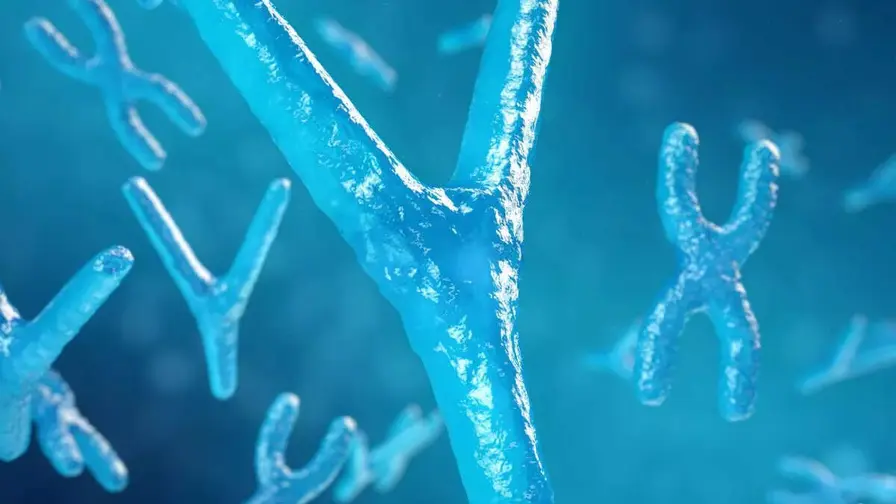
Read MoreNora Schmidt2025-12-073Is the Y Chromosome Doomed? How Men’s Genes Might EvolveThe human Y chromosome has lost most ancestral genes, prompting debate: will it disappear or stabilize? This article reviews evidence, mechanisms, species examples, and implications for health and evolution.
Read MoreOliver Hayes2025-12-072Eating Vitamin C Boosts Skin Collagen and Renewal FastNew University of Otago research shows dietary vitamin C—two SunGold kiwifruit daily—raises blood and skin vitamin C, increasing collagen, skin thickness, and epidermal renewal within weeks.
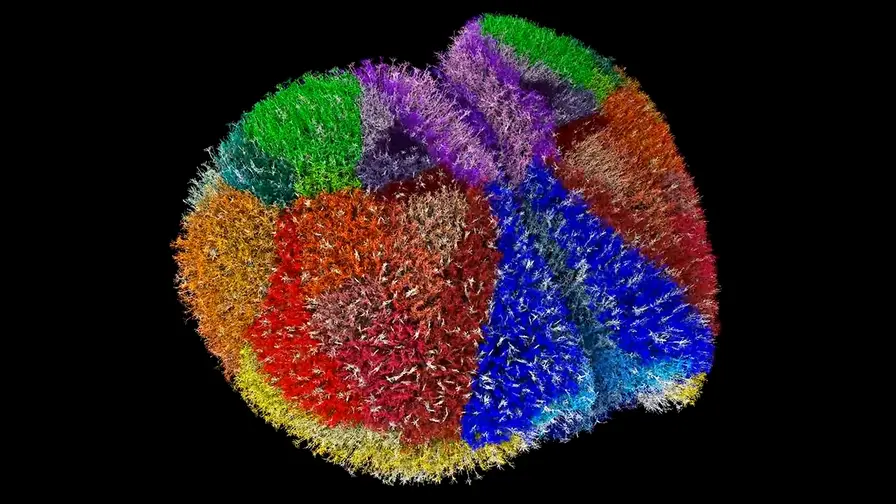
Read MoreOliver Hayes2025-12-072Supercomputer Builds One of the Most Realistic BrainsA detailed virtual mouse cortex built on Japan’s Fugaku supercomputer recreates millions of neurons and billions of synapses, enabling noninvasive studies of seizures, brain waves and disease mechanisms.
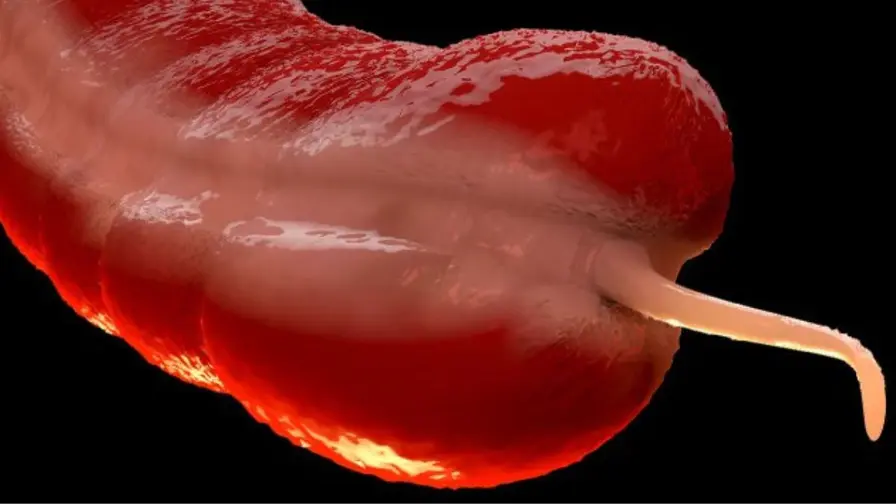
Read MoreOliver Hayes2025-12-062Appendix Cancer Is Rising Sharply Among Young AdultsAppendiceal cancer diagnoses are rising sharply in Gen X and Millennial cohorts. New studies document 3–4x increases for some birth cohorts and researchers are probing diet, environment and genetics.
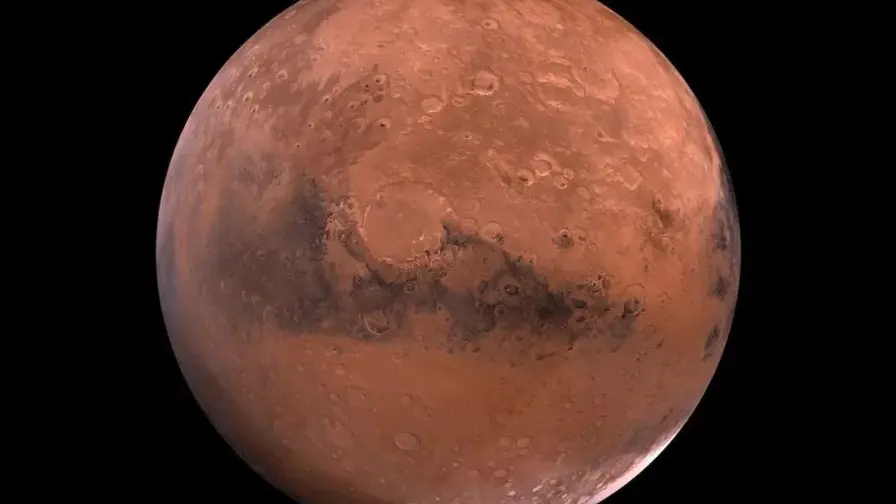
Read MoreNora Schmidt2025-12-062Einstein Confirmed: Time Passes Faster on Mars, NIST FindsNIST calculations confirm Einstein’s general relativity: time on Mars runs about 477 microseconds per day faster than on Earth. This small difference poses major challenges for Martian navigation and interplanetary communications.
Read MoreOliver Hayes2025-12-054Shingles Vaccine Linked to Lower Dementia Risk and MortalityAnalysis of a Welsh shingles vaccination rollout links zoster immunization to fewer new dementia cases, slower decline, and lower dementia-related mortality, suggesting potential prevention and therapeutic roles.