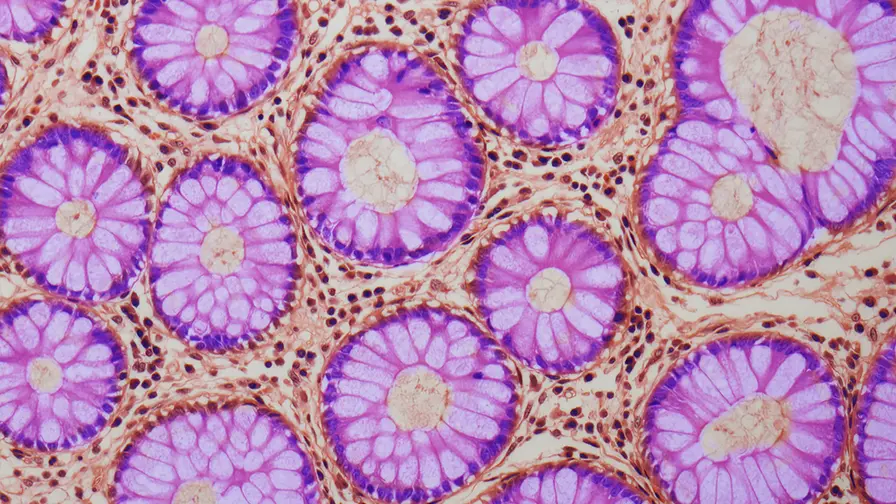
Read MoreNora Schmidt2026-01-262Hidden Epigenetic Drift in Gut Raises Colon Cancer RiskA new study identifies ACCA epigenetic drift in gut stem cells — fueled by inflammation, low iron and weakened growth signals — that silences tumor-suppressor genes and expands cancer risk with age.
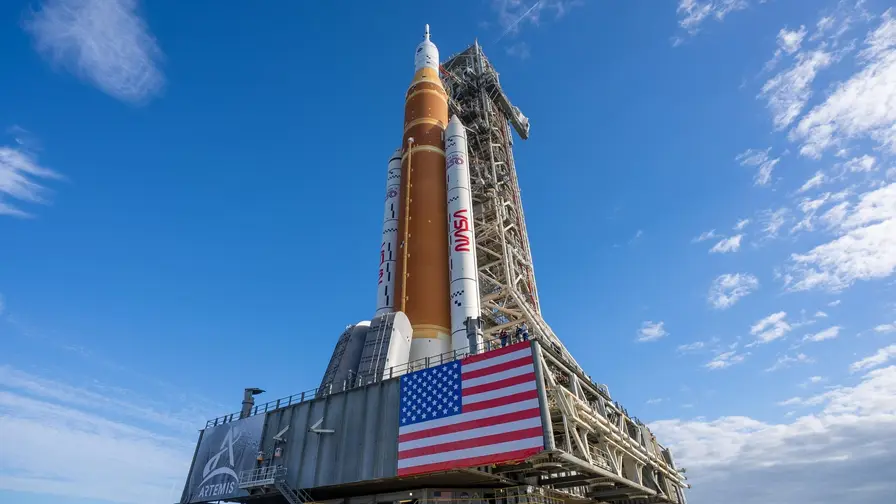
Read MoreOliver Hayes2026-01-252Artemis II: NASA Returns to Lunar Orbit After 50 YearsArtemis II will send astronauts into lunar orbit for the first time in over 50 years. This article explains mission goals, technology like SLS and Orion, program context, timelines, and the role of international partnerships.
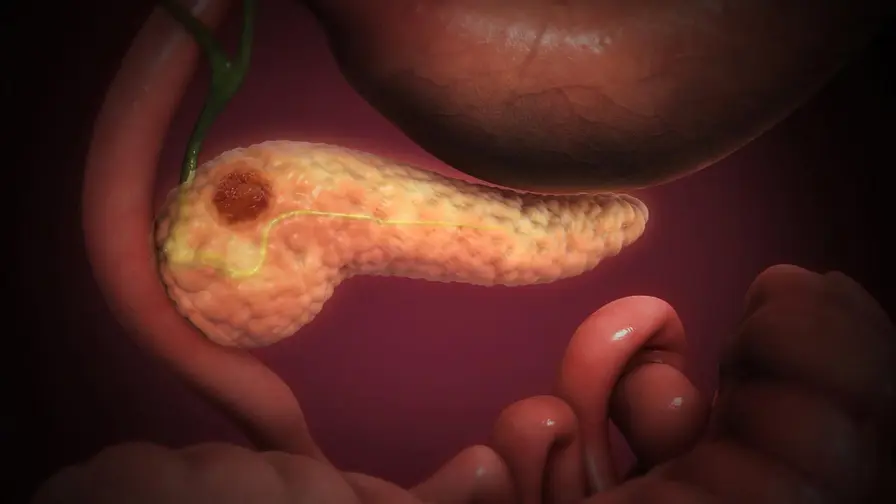
Read MoreOliver Hayes2026-01-253How Pancreatic Tumors Use Periostin to Invade NervesBrazilian researchers show how periostin from pancreatic stellate cells remodels tissue and enables nerve invasion, explaining pancreatic cancer's aggressiveness and pointing to new therapeutic targets.
Read MoreOliver Hayes2026-01-252Why Your Cat’s Purr Identifies It Better Than MeowsNew research shows a cat’s purr contains consistent acoustic fingerprints that identify individuals more reliably than variable meows—an insight shaped by domestication and revealed with speech-recognition tools.
Read MoreNora Schmidt2026-01-243Why We Get 'Hangry': How Hunger Shapes Mood and ChoicesNew research shows that feeling hungry, not low blood glucose alone, predicts irritability. Interoceptive accuracy — how well people sense internal signals — moderates hangry mood swings.
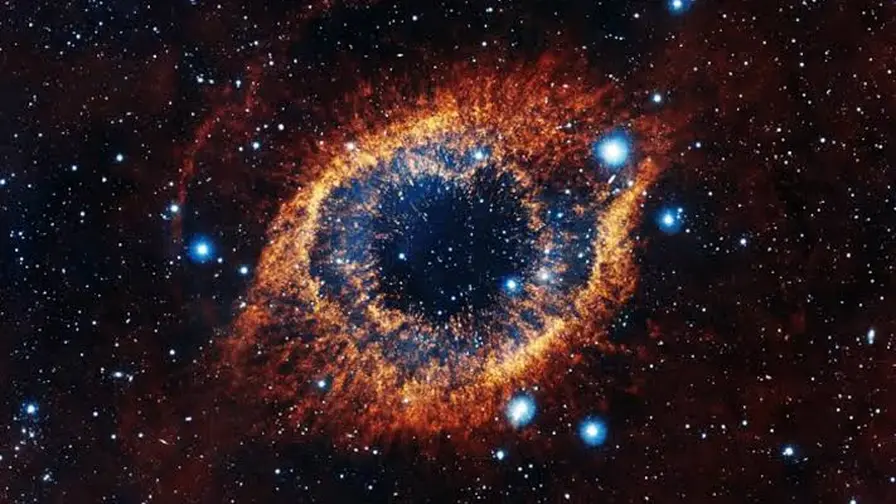
Read MoreOliver Hayes2026-01-243JWST Zooms into the Helix Nebula: Inside the Eye Up CloseJWST's NIRCam has captured an unprecedented infrared close‑up of the Helix Nebula, revealing thousands of cometary knots and new details about how Sun‑like stars die and seed the galaxy.
Read MoreNora Schmidt2026-01-242Post-Meal Glucose Spikes Raise Alzheimer's Risk 69%A UK genetic study links higher 2-hour post-meal blood glucose spikes to a 69% increased Alzheimer’s risk, highlighting postprandial glucose control as a potential prevention target—but findings need replication.
Read MoreOliver Hayes2026-01-242Seismic Sensors Track Sonic Booms from Space Junk ReentriesSeismic networks can detect sonic booms from reentering space debris. Analysis of the Shenzhou‑15 module shows seismoacoustic methods can reconstruct speed, altitude, fragmentation and likely fall zones.
Read MoreOliver Hayes2026-01-092Three Nights of Binge Drinking Can Rapidly Damage the GutNew mouse research finds that three consecutive nights of binge drinking cause rapid intestinal injury, immune activation and a leaky gut that may expose the liver to harmful bacterial products.
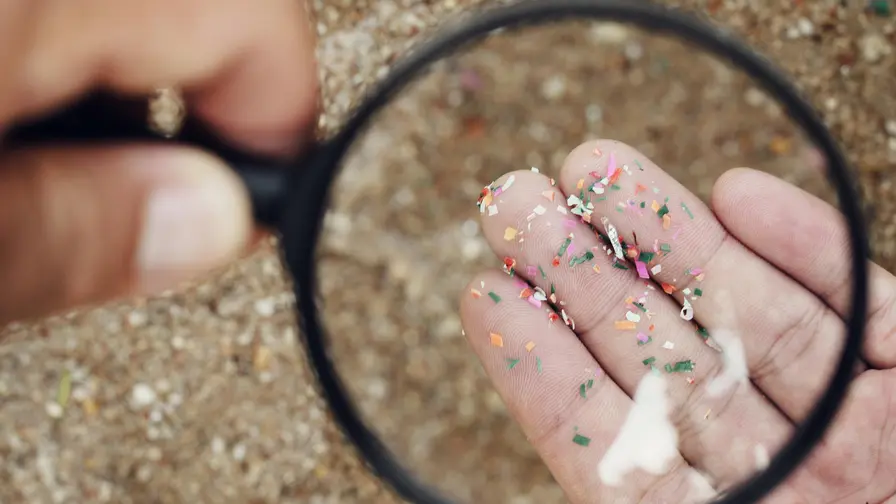
Read MoreNora Schmidt2026-01-083Five Unseen Sources of Microplastics in Your Daily DietMicroplastics turn up in unexpected foods — from chewing gum and salt to tea and produce. Learn five surprising dietary sources, the science behind contamination, and practical steps to lower exposure.
Read MoreOliver Hayes2026-01-082Hidden Plastic Clouds: Cities Are Breathing MicroplasticsNew semi‑automated measurements reveal cities carry far more airborne microplastics and nanoplastics than earlier methods detected, with implications for air quality, health, and climate.
Read MoreNora Schmidt2026-01-083Cloud-9: Dark-Matter Relic of a Failed Galaxy Near M94Cloud-9, a starless hydrogen cloud near M94, may be a dark-matter–dominated relic (RELHIC). Deep radio and Hubble observations suggest a massive dark halo with little to no stars, shedding light on failed galaxy formation.
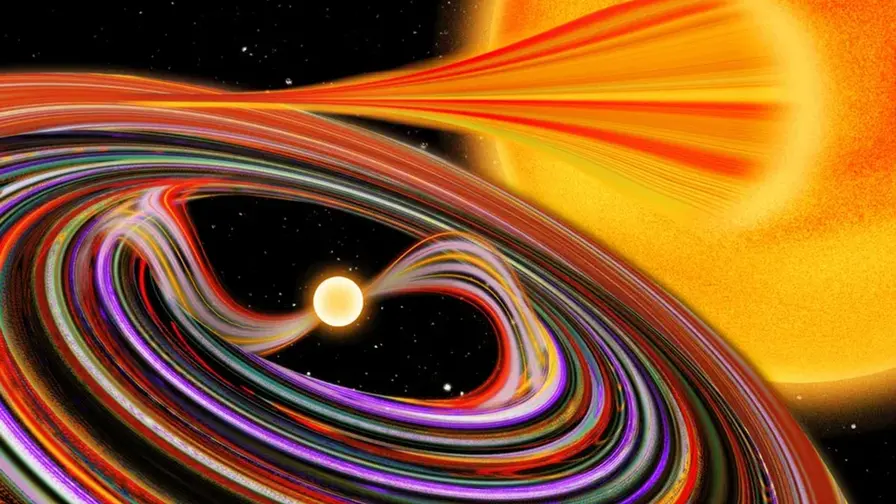
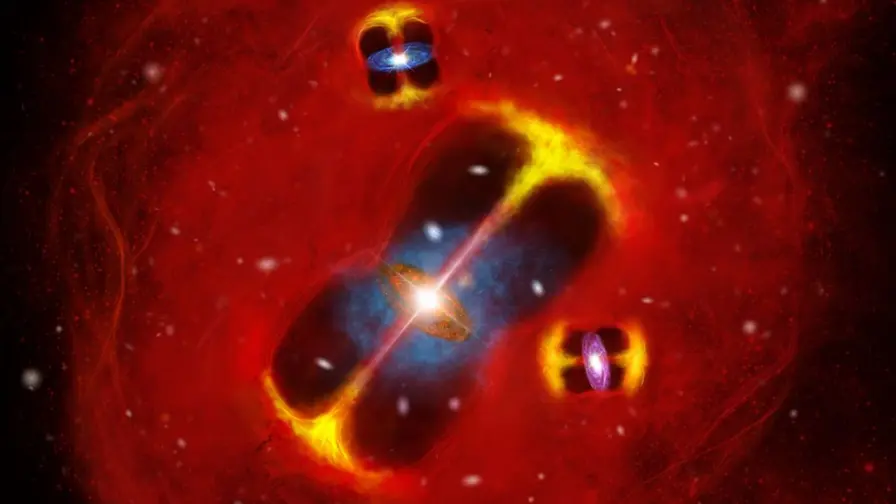
Read MoreNora Schmidt2026-01-082Dead Star Awakens: IXPE Reveals White Dwarf Drama NowIXPE used X-ray polarimetry to map EX Hydrae's accretion column around a white dwarf, estimating a ~2,000-mile column height and revealing how magnetism and gravity shape high-energy emission.
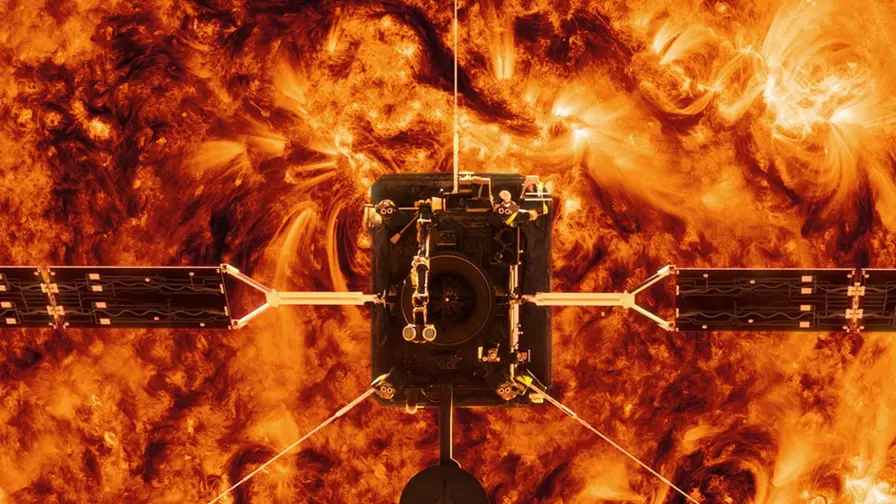
Read MoreNora Schmidt2026-01-072Researchers Tracked a Superactive Solar Region 94 DaysBy combining Solar Orbiter and SDO data, scientists tracked superactive region NOAA 13664 for 94 days, mapping its magnetic evolution and linking complexity to major geomagnetic storms that affected Earth.
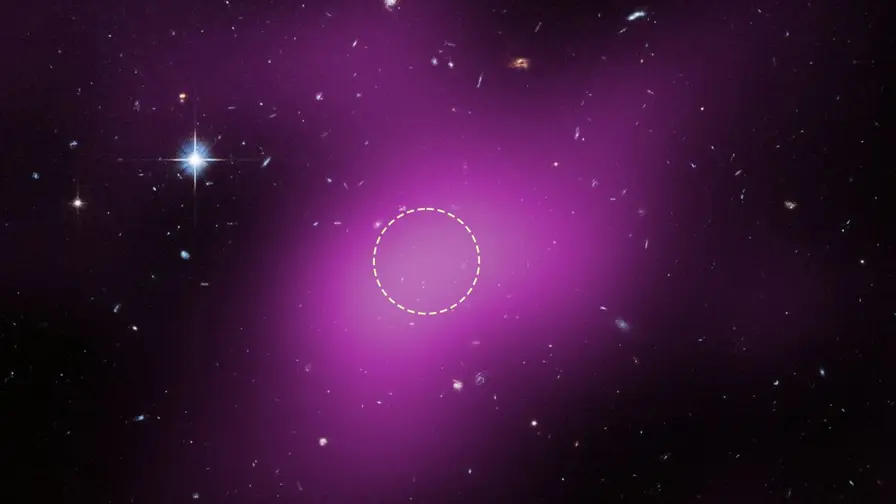
Read MoreOliver Hayes2026-01-072Impossibly Hot Cluster Found 1.4 Gyr After Big BangALMA observations of galaxy cluster SPT2349-56, seen 1.4 billion years after the Big Bang, reveal intracluster gas far hotter than models predict — pointing to early, powerful black-hole feedback.
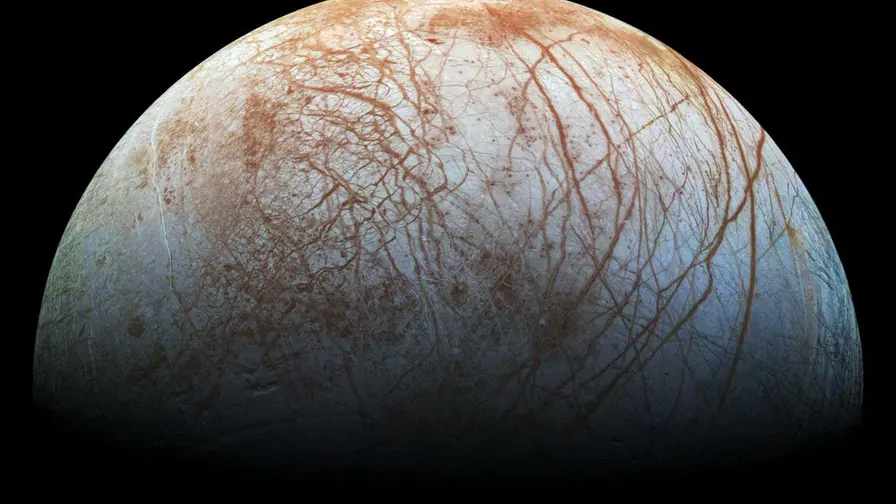
Read MoreOliver Hayes2026-01-073Quiet Depths: Could Europa’s Ocean Be Lifeless Today?New research argues Europa's subsurface ocean may lack the seafloor activity needed to power life. Models suggest weak tidal heating and a cooled interior could leave the seafloor geologically quiet today.
Read MoreNora Schmidt2026-01-063Nightmares May Signal Higher Dementia Risk in Later LifeNew analysis links frequent nightmares in middle and older age to higher risk of cognitive decline and dementia, especially in men. Treatable nightmares could offer an early, actionable signal for brain health.
Read MoreNora Schmidt2026-01-063Marathon Running and Heart Health: Stress, Not DamageA decade-long study finds transient post-race heart changes in marathon runners but no lasting damage for most recreational athletes. Learn what troponin rises mean and when symptoms warrant urgent review.
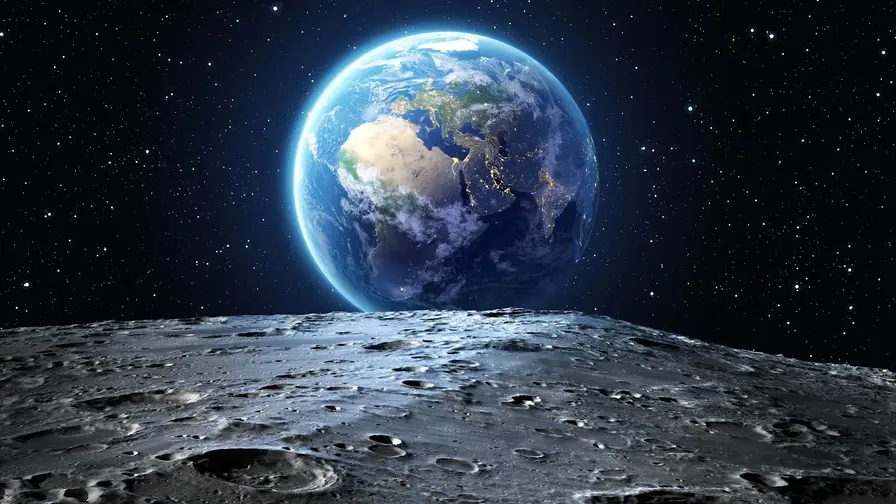
Read MoreOliver Hayes2026-01-053Earth's Magnetic Field Funnels Atmosphere to the MoonNew research shows Earth's magnetic field can guide charged atmospheric particles along field lines to the Moon. Lunar soil may record Earth's atmospheric history and offer usable volatiles for future explorers.
Read MoreNora Schmidt2026-01-052Rush-Hour Traffic Amplifies Urban Atmospheric Electric FieldA Tel Aviv study shows rush-hour traffic and vehicle emissions measurably alter the atmospheric electric field near ground level. NOx causes immediate effects; PM2.5 produces delayed responses, suggesting new monitoring opportunities.