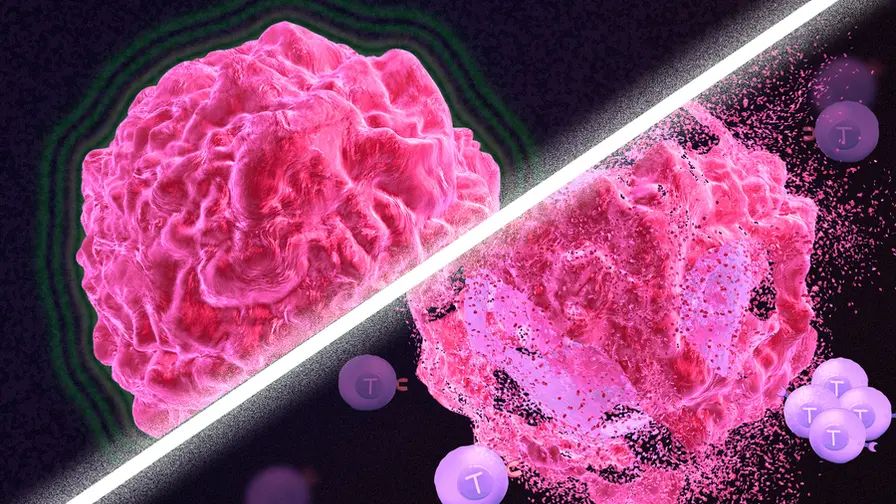
Read MoreNora Schmidt2025-10-13LED-Activated Tin Nanoflakes Kill Skin Cancer CellsResearchers at UT Austin and the University of Porto report an LED-activated photothermal therapy using SnOx nanoflakes that killed up to 92% of skin cancer cells in vitro while sparing healthy skin cells.
Read MoreOliver Hayes2025-10-09Dietary RNA Triggers Mild Stress to Extend HealthspanUniversity of Basel researchers found that dietary double-stranded RNAs in C. elegans trigger a mild stress response that activates autophagy, reduces protein aggregation and extends healthspan—suggesting diet can shape aging.
Read MoreNora Schmidt2025-10-09Study: Fitness Reduces Daily Heartbeats, Extends LifeAn Australian study shows fitter people have fewer daily heartbeats than inactive individuals, overturning the myth that exercise depletes a finite heartbeat supply and highlighting cardiovascular benefits of regular activity.
Read MoreOliver Hayes2025-10-09Mathematical Model Proposes Brain and AI Need Seven SensesA Skoltech mathematical model suggests memory capacity peaks when concepts are encoded in seven feature dimensions—equivalent to seven senses—offering implications for AI, robotics, and neuroscience.
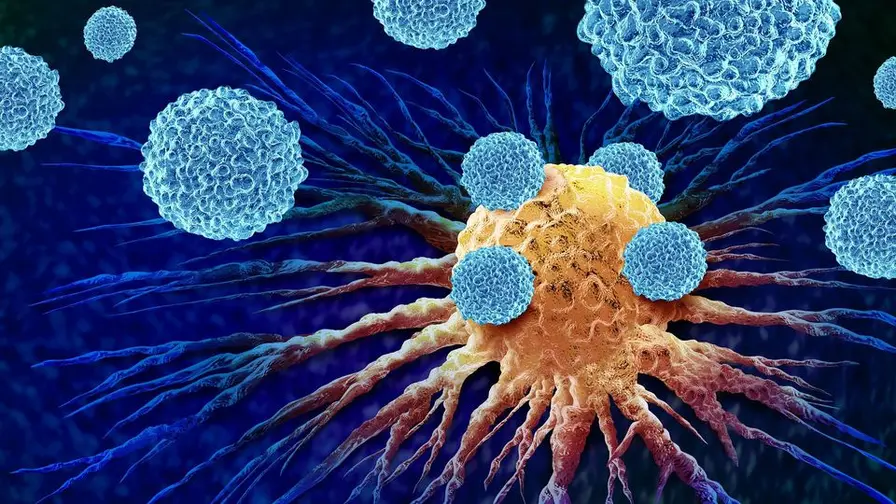
Read MoreNora Schmidt2025-10-07Regulatory T Cells and Immune Tolerance: 2025 Nobel PrizeThree scientists won the 2025 Nobel Prize for discovering regulatory T cells and FoxP3, revealing how the immune system prevents self-attack and opening new therapies for autoimmunity, transplantation, and cancer.
Read MoreOliver Hayes2025-10-065Long Commutes and Small Homes Raise Tokyo InsomniaA study from Osaka Metropolitan University links longer commuting times and smaller housing in Tokyo to higher rates of insomnia and daytime sleepiness, suggesting urban planning can improve sleep health.
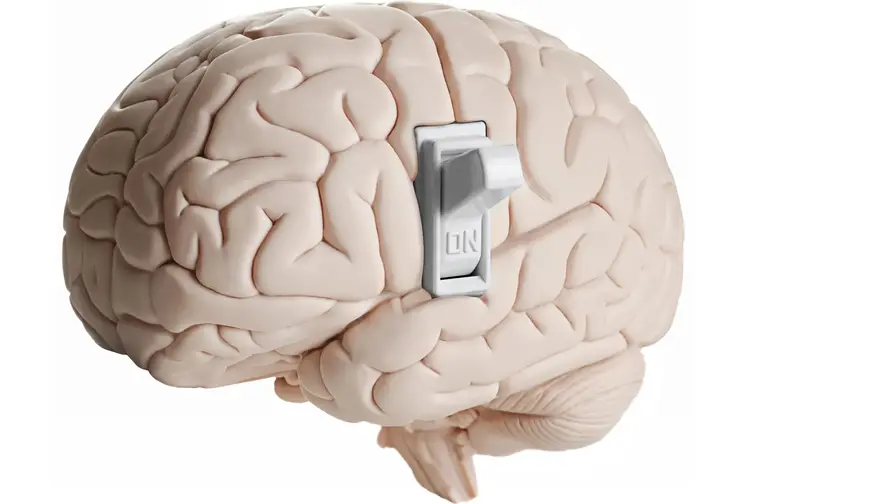
Read MoreNora Schmidt2025-10-05Hidden MRAP2 Protein Reveals Brain's Hunger Off-SwitchResearchers reveal MRAP2 as a regulator that moves MC4R to the cell surface, strengthening appetite-suppressing signals and offering new obesity treatment routes.