Read MoreOliver Hayes2026-02-092Why Your 40s Feel So Exhausting — And How to Fix ItMidlife often feels uniquely exhausting because modest biological changes—muscle loss, mitochondrial decline, sleep fragmentation and hormone variability—coincide with peak life demands. This article explains why and what to do.
Read MoreOliver Hayes2026-02-092Why Genes May Account for Half of Human Lifespan NowA new twin-based analysis suggests genetics may explain roughly half of lifespan variation in low-risk populations, but heritability depends on context. Learn why genes, environment and disease mix to shape longevity.
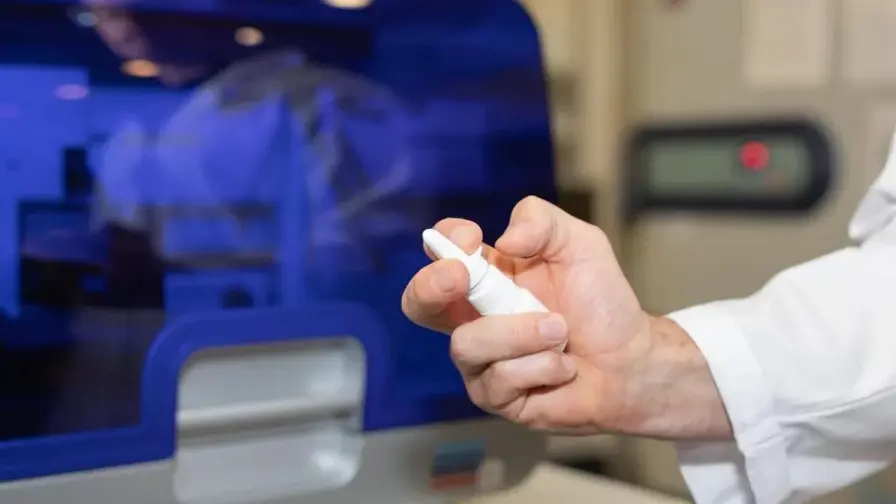
Read MoreOliver Hayes2026-02-082A Nasal Spray That Neutralizes Multiple Influenza StrainsHarvard researchers report an intranasal antibody spray, CR9114, that targets influenza at the nasal mucosa. Early human and macaque trials show safe, short-term local protection against multiple A and B strains.
Read MoreNora Schmidt2026-02-08Meditation Alters Brain Dynamics, But Not Always for GoodNew research finds experienced meditators can show similar brain dynamics in meditation and rest, revealing complex neural changes and underreported risks like anxiety and derealization.
Read MoreNora Schmidt2026-02-07How the Bone-Brain Axis Links Depression and OsteoporosisEmerging science reveals a two‑way bone‑brain axis linking depression and osteoporosis. Studies propose exercise, neuromodulation, and drugs targeting bone signals as new routes for treatment.
Read MoreOliver Hayes2026-02-063Wildfire Smoke Kills Tens of Thousands Annually in U.S.A Science Advances study links long-term exposure to wildfire PM2.5 with roughly 24,100 U.S. deaths per year (2006–2020), highlighting health risks, methodological approach, and policy implications.
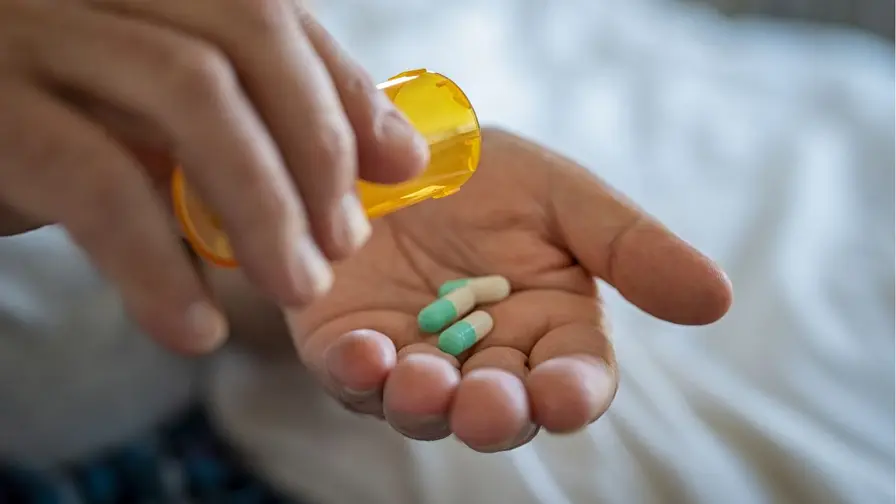
Read MoreOliver Hayes2026-02-052Could a Daily Pill Slash 'Bad' Cholesterol by 60%?A large randomized trial shows the experimental pill enlicitide can cut LDL cholesterol by up to 60% in high-risk patients on statins. Results rival injectable PCSK9 drugs, but outcome data are pending.
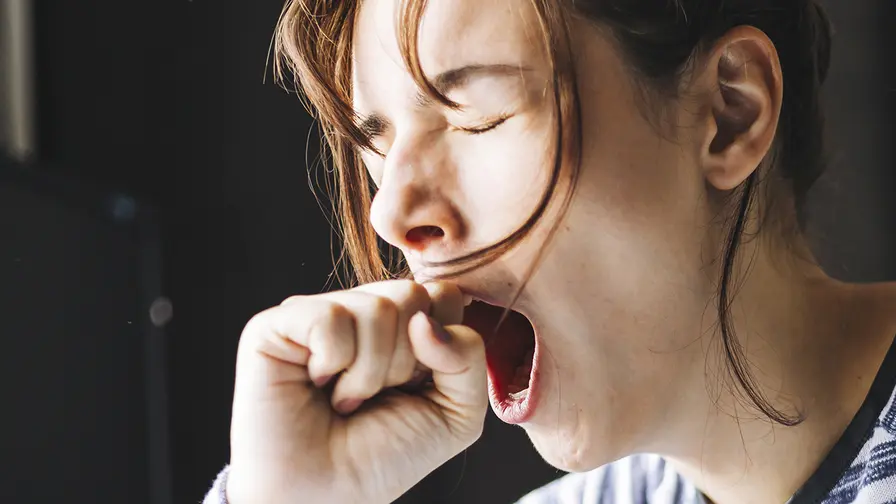
Read MoreNora Schmidt2026-02-052Why Yawns Push Cerebrospinal Fluid: New MRI EvidenceMRI scans of 22 volunteers show yawns can push cerebrospinal fluid away from the brain, a movement distinct from deep breaths. The finding suggests yawning might aid brain clearance or cooling; the study is a bioRxiv preprint.
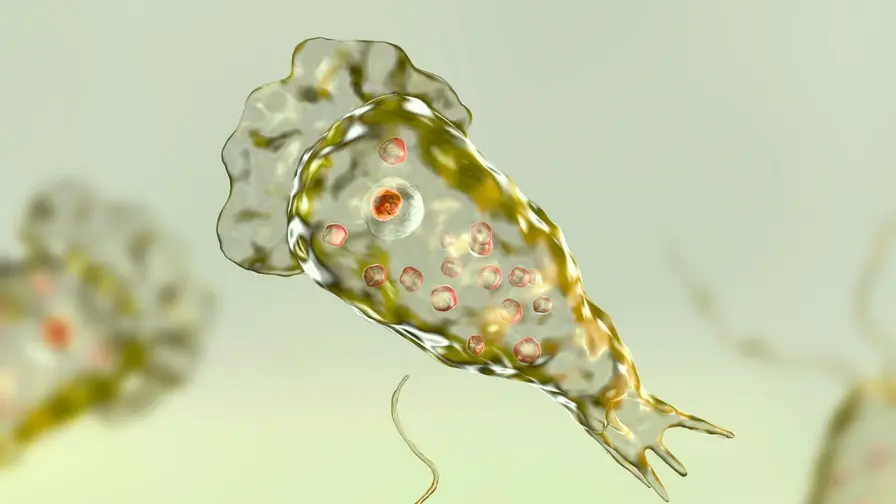
Read MoreNora Schmidt2026-02-043Warm Waters, Hidden Killers: The Spread of NaegleriaFree-living amoebas like Naegleria fowleri are expanding their range as waters warm. Learn how these organisms survive, why they shield other pathogens, and what individuals and utilities can do to reduce risk.
Read MoreNora Schmidt2026-02-043How Much Coffee Is Safe If You Have High Blood PressureIf you have high blood pressure, coffee need not be off-limits. This article explains how caffeine affects systolic and diastolic pressure, reviews the evidence, and offers practical guidance for safe consumption.
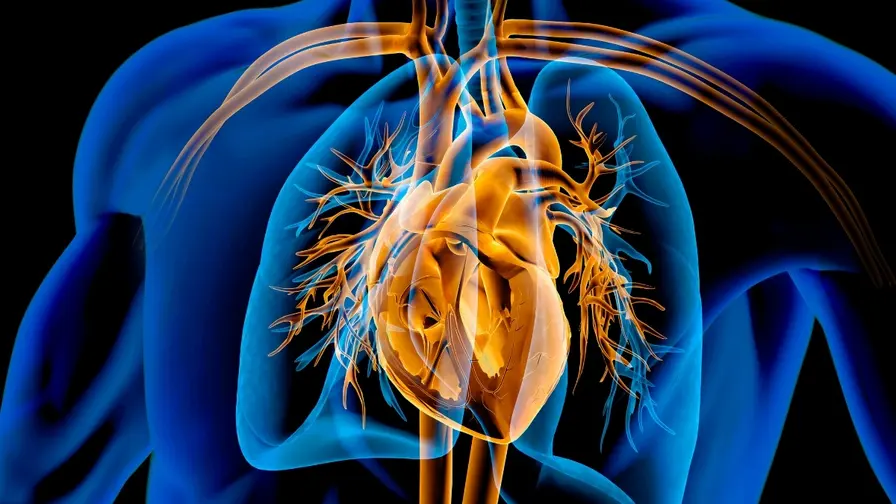
Read MoreOliver Hayes2026-02-032Oral Semaglutide Cuts Heart Events in Some Diabetes PatientsA reanalysis of a large trial finds oral semaglutide may reduce heart-related hospitalizations and deaths in people with type 2 diabetes who already have heart failure, though risks and mechanisms remain uncertain.
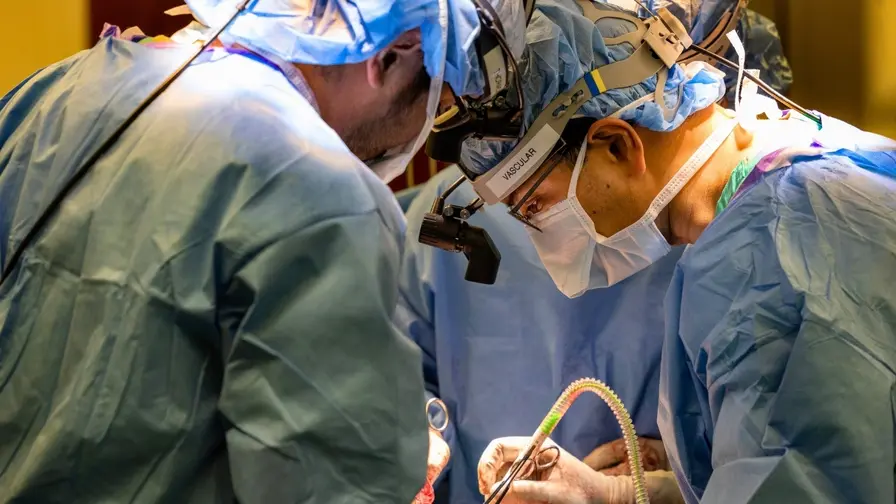
Read MoreOliver Hayes2026-02-032How Surgeons Kept a Man Alive 48 Hours Without LungsA 33-year-old with flu-triggered ARDS had both lungs removed and survived 48 hours on a custom total artificial lung, allowing a double lung transplant. The case suggests new options for catastrophic infectious lung failure.
Read MoreNora Schmidt2026-02-022A small peptide that could protect neurons in Parkinson'sResearchers link alpha-synuclein to mitochondrial failure in Parkinson's and test a peptide, CS2, that blocks this interaction—protecting ClpP, reducing inflammation, and restoring function in lab and animal models.
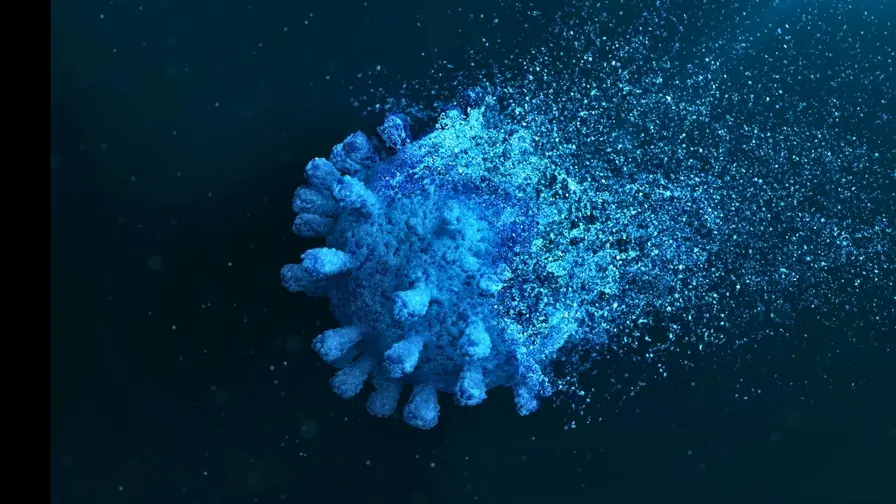
Read MoreOliver Hayes2026-02-022Zombie Virus Fragments That Kill Immune Cells ExplainedTiny protein fragments left behind by SARS-CoV-2 can target and disable dendritic cells and T cells, helping explain immune depletion in long COVID. New PNAS research maps this physical mechanism and its implications.
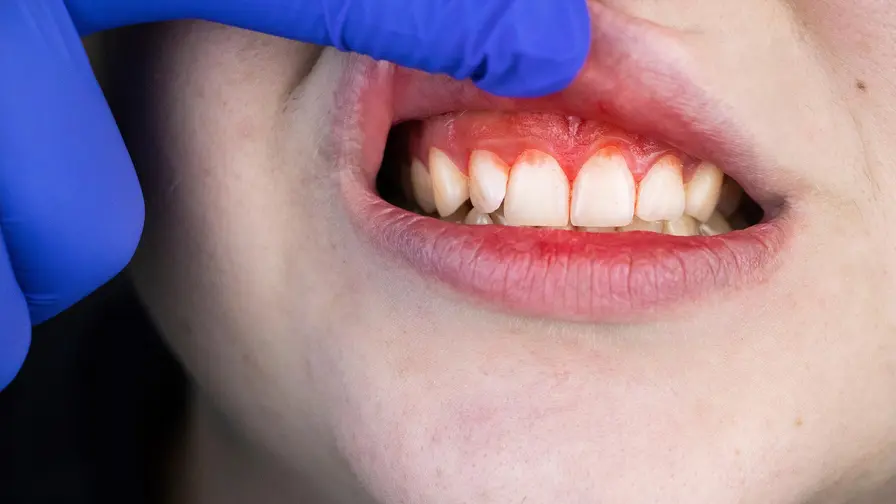
Read MoreNora Schmidt2026-02-012How a Common Mouth Bacterium Could Ignite Breast Cancer RiskNew research links the oral bacterium Fusobacterium nucleatum to early breast tissue changes, DNA damage, and faster tumor growth, especially in BRCA1-mutant cells, highlighting oral health as a potential modifier of cancer risk.
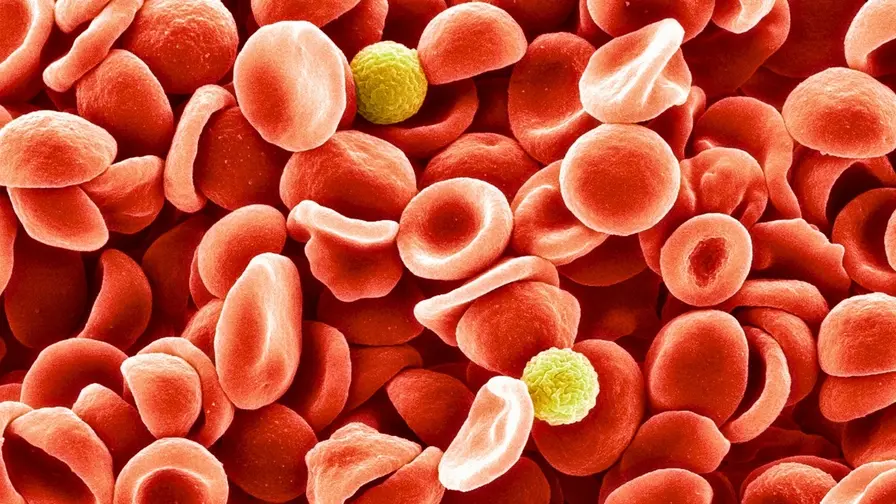
Read MoreNora Schmidt2026-02-012The 50-Year Mystery That Revealed a New Human Blood GroupA 1972 blood sample missing a surface molecule led to the 2024 identification of the MAL blood group and the AnWj antigen. This discovery clarifies rare transfusion risks and enables better patient testing.
Read MoreNora Schmidt2026-01-312Sleep Strips Brain Insulation: How Myelin Gets DamagedNew research links chronic sleep loss to thinner myelin sheaths via oligodendrocyte cholesterol disruption. MRI and animal experiments show slowed neural conduction and behavioral deficits—suggesting potential therapeutic targets.
Read MoreNora Schmidt2026-01-313Why Whole Foods Cut 330 Daily Calories — New ReanalysisA reanalysis of a landmark feeding trial shows that diets of unprocessed foods led people to eat larger volumes of fruits and vegetables and yet consume about 330 fewer calories daily, suggesting an instinctive nutrient-driven behaviour.
Read MoreOliver Hayes2026-01-313How Cancer Signals Might Shield the Brain from Alzheimer'sA new mouse study suggests some tumours release cystatin-C into the bloodstream, activating microglia to clear amyloid beta and reduce Alzheimer-like plaques—offering a potential therapeutic pathway to explore.
Read MoreOliver Hayes2026-01-302US Life Expectancy Hits 79 in 2024 — Recovery ContinuesUS life expectancy rose to 79 years in 2024, the highest on record, driven by declines in heart disease, overdoses and COVID-19 deaths. Preliminary 2025 figures suggest continued improvement amid persistent gaps with other nations.