Read MoreNora Schmidt2025-12-044GPS Driving Patterns: Early Detection of Cognitive DeclineGPS-recorded shifts in older adults' driving — fewer trips, simpler routes, reduced speeding — combined with cognitive tests may detect mild cognitive impairment earlier, aiding safety and care planning.
Read MoreNora Schmidt2025-12-04Teens, Smartphones and Health: Stress, Brain, ActivityA Pediatrics study finds adolescent smartphone use links to higher stress, distraction, brain changes, and reduced physical activity — risks that may increase obesity and affect teen mental health.
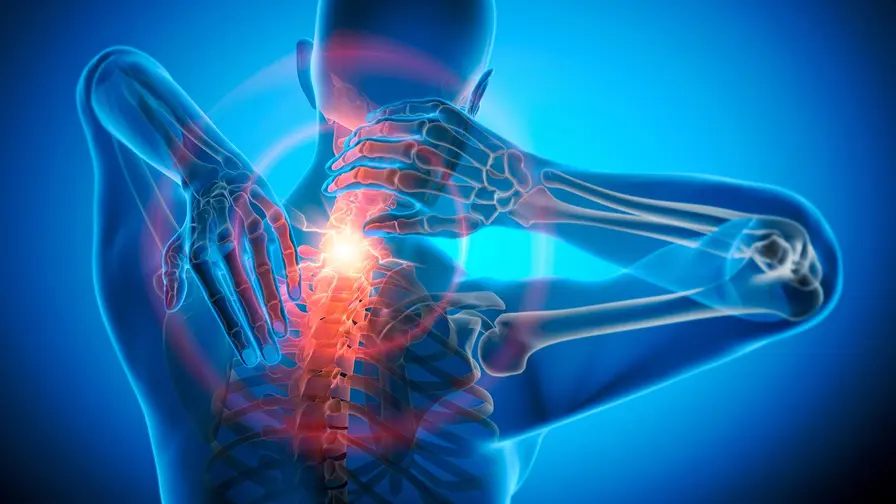
Read MoreNora Schmidt2025-12-033Chronic Pain Fuels Higher Risk of High Blood PressureA large UK Biobank analysis links chronic, widespread pain to a higher risk of developing high blood pressure. Depression and inflammation explain part of the connection, highlighting the need for integrated pain and cardiovascular care.
Read MoreNora Schmidt2025-12-012Semaglutide Shows No Cognitive Benefit in Early Alzheimer'sLarge randomized trials show semaglutide (Rybelsus) does not slow cognitive decline in mild cognitive impairment or early Alzheimer's, despite some biomarker changes and preclinical promise.
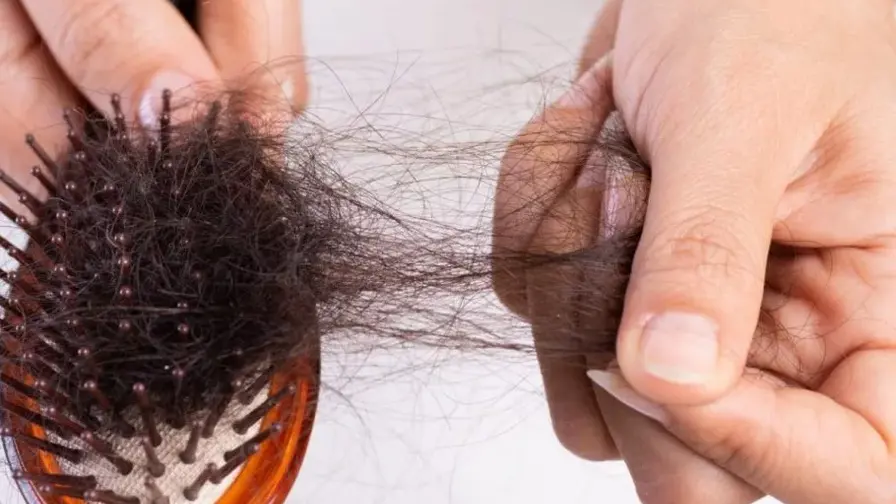
Read MoreNora Schmidt2025-12-012Single Stress Event Can Trigger Long-Term Hair LossHarvard researchers show a single acute stress event can reprogram immune cells to attack hair follicles, explaining how stress may trigger recurrent alopecia. The study reveals a neural-to-immune cascade and highlights new treatment targets.
Read MoreNora Schmidt2025-11-303What Your Poop Schedule Reveals About Your Health TodayA 1,425-person study links bowel movement frequency to gut microbes, blood metabolites and organ markers. Daily stools (1–2/day) align with healthier microbial and metabolic profiles.
Read MoreOliver Hayes2025-11-292Tai Chi Rivals CBT-I for Long-Term Insomnia ReliefA Hong Kong trial finds tai chi can deliver long-term improvements in chronic insomnia comparable to CBT-I, highlighting accessibility and sustained practice as drivers of lasting sleep benefits.
Read MoreNora Schmidt2025-11-282Rejuvenating Aging Blood Stem Cells by Resetting LysosomesScientists found that calming lysosomal hyperactivity in aged hematopoietic stem cells restores their regenerative capacity in mice, suggesting a new route to treat age-related blood and immune decline.
Read MoreOliver Hayes2025-11-102Music Listening Tied to 39% Lower Dementia Risk in SeniorsA large Australian study found that older adults who regularly listen to or play music had significantly lower dementia risk, better memory scores, and potential protective cognitive benefits.
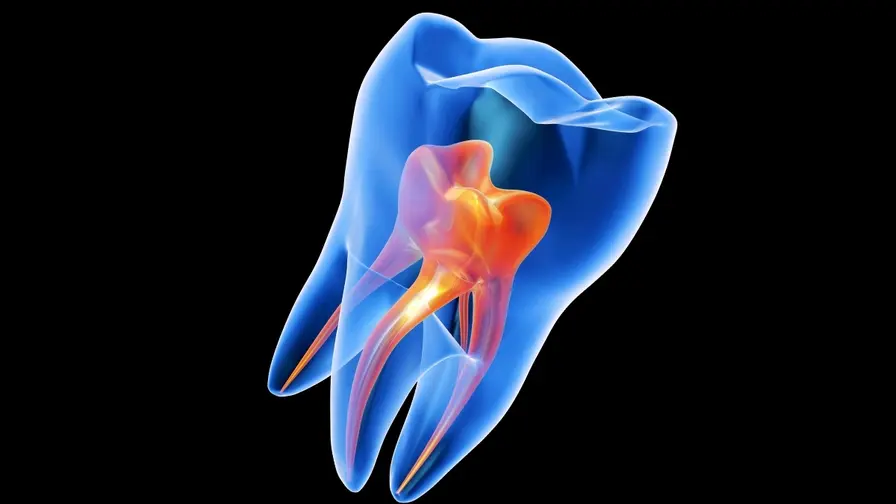
Read MoreNora Schmidt2025-11-092Dentists Could Regrow Tooth Enamel with Simple GelA University of Nottingham-led team has developed a protein-based gel that rebuilds tooth enamel by guiding crystal growth. Lab tests show restored enamel strength and alignment, but human trials are still needed.
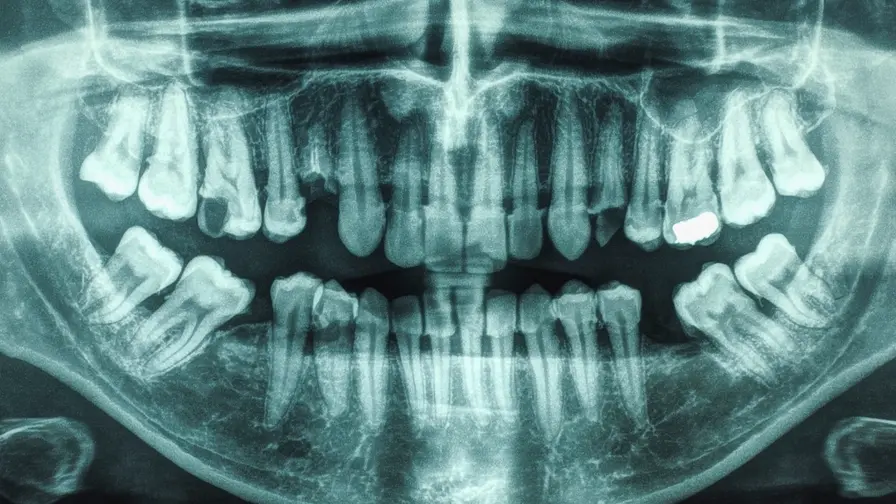
Read MoreNora Schmidt2025-11-072Gum Disease and Cavities Linked to Higher Stroke RiskA 21-year study finds people with both gum disease and tooth cavities face a substantially higher risk of ischemic stroke and major cardiovascular events, highlighting oral health as a potential factor in stroke prevention.
Read MoreNora Schmidt2025-11-032Can Music Lower Dementia Risk in Older Adults? New StudyA Monash-led analysis of 10,893 adults 70+ finds regular music listening and instrument playing linked to substantially lower dementia risk and better memory, suggesting music as an accessible tool for cognitive health.
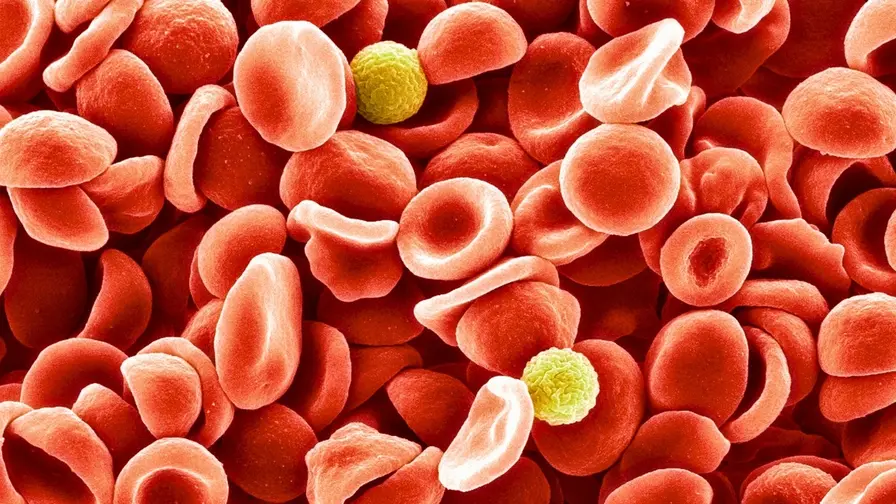
Read MoreNora Schmidt2025-11-022Fifty-Year Mystery Solved: Discovery of MAL Blood GroupResearchers solved a 50-year mystery by identifying the MAL blood group and the AnWj antigen. The discovery clarifies a rare transfusion risk and enables genetic testing to protect patients with this unusual blood type.
Read MoreOliver Hayes2025-10-282Why Gray Hair Could Be a Built-In Cancer Defense, New StudyNew mouse research suggests gray hair can result from a stem-cell fail-safe that eliminates DNA-damaged pigment cells, trading color for a lower melanoma risk. Study highlights p53, SCF, KIT signaling.
Read MoreOliver Hayes2025-10-272Drug Combo Extended Lifespan of Male Mice by 73% in StudyUC Berkeley researchers report a 73% lifespan increase in frail male mice after combined oxytocin and Alk5 inhibitor treatment, revealing sex-specific anti-aging effects and translational challenges.
Read MoreNora Schmidt2025-10-273Does the Full Moon Really Disrupt Sleep? The Science ExplainedResearch shows the full Moon can modestly shorten sleep and delay sleep onset by altering evening light cues, but its effects on mental health are inconsistent. Learn what studies say and practical tips to protect sleep.
Read MoreOliver Hayes2025-10-232COVID mRNA Vaccines May Boost Immunotherapy SuccessNew analysis and lab research indicate COVID-19 mRNA vaccines may enhance the effectiveness of immune checkpoint inhibitors, potentially converting immunologically "cold" tumors into "hot" ones and improving survival in cancer patients.
Read MoreNora Schmidt2025-10-204Supercharged Vitamin K: New Analogues May Reverse AlzheimerResearchers created hybrid vitamin K–retinoic acid compounds that boost neuronal differentiation threefold, bind mGluR1, cross the blood-brain barrier and raise active MK-4 in the brain — a promising lead for Alzheimer’s therapies.
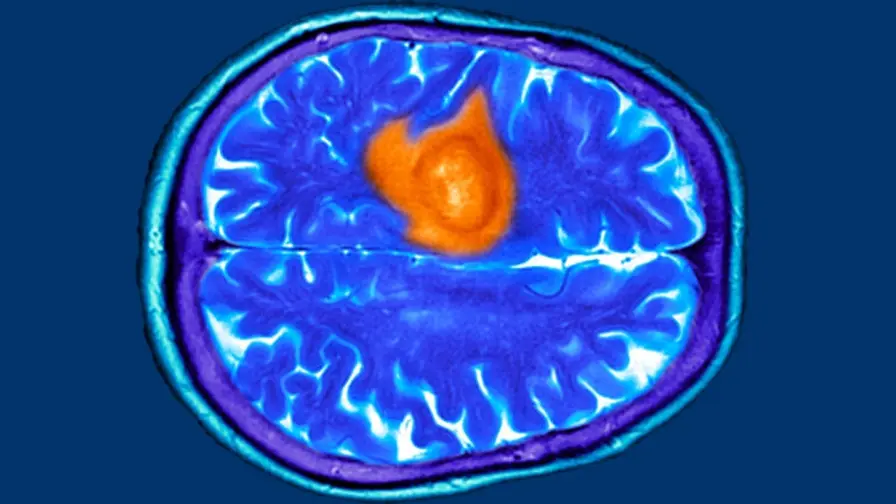
Read MoreNora Schmidt2025-10-203Seven Subtle Warning Signs of Brain Tumours to Watch ForSubtle changes—like word-finding difficulty, lasting brain fog, one-sided numbness or odd visual distortions—can sometimes signal a brain tumour. Learn which seven warning signs patients often miss and when to seek urgent assessment.
Read MoreOliver Hayes2025-10-14Brain Shape Changes May Predict Future Dementia RiskNew UC Irvine and University of La Laguna research shows that specific 3D changes in brain shape, not just volume loss, correlate with cognitive decline and may help predict dementia risk, highlighting the entorhinal cortex's vulnerability.