Read MoreOliver Hayes2025-12-22Musk: Starship Could Be One of History's Major EventsElon Musk says SpaceX's Starship could rank among history's major milestones due to its full rapid reusability. The article explains design, test setbacks, and what success would mean for Moon and Mars missions.
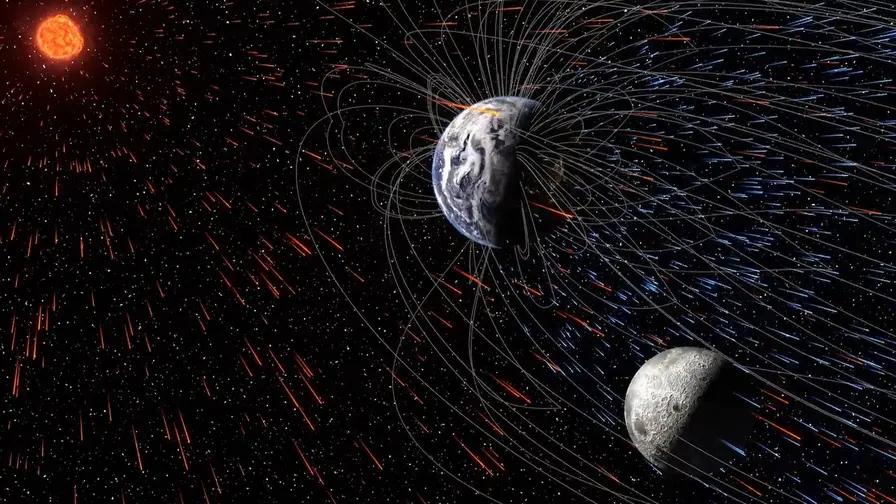
Read MoreOliver Hayes2025-12-222Earth's Magnetic Tail Pumps Atmosphere onto the MoonSimulations show Earth's magnetotail can channel atmospheric ions to the Moon, explaining volatile deposits in lunar soil and suggesting the regolith may archive Earth's atmospheric history over billions of years.
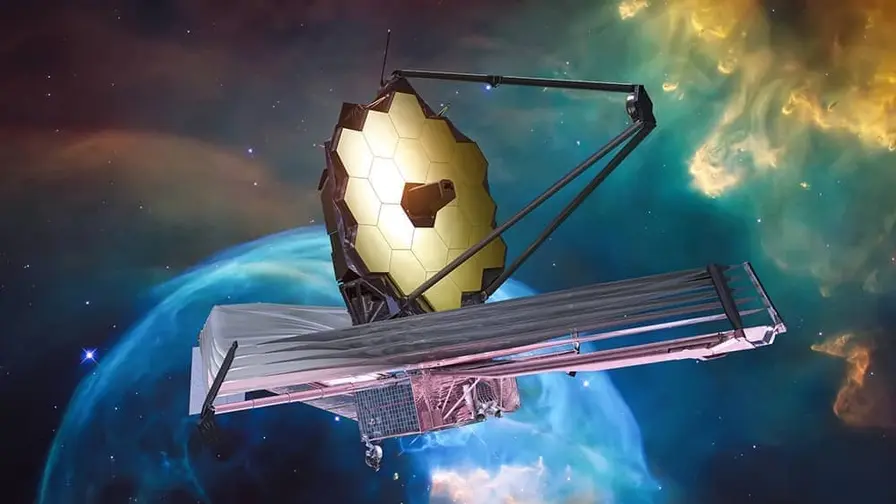
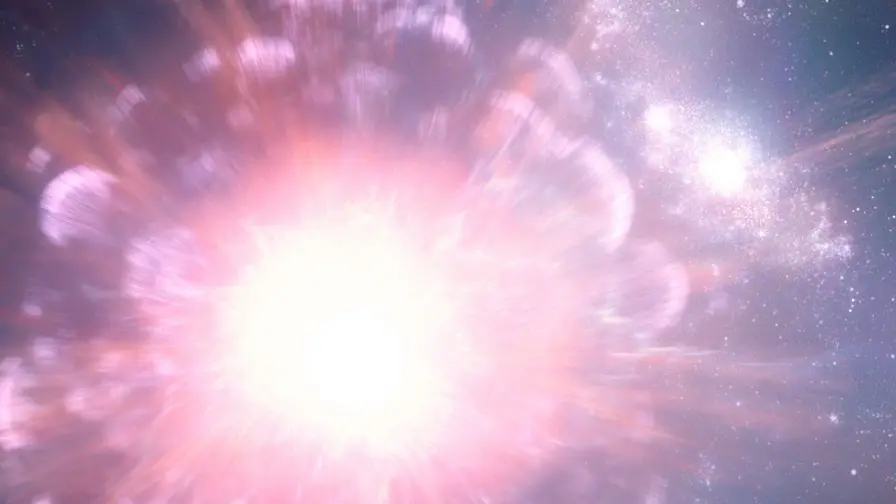
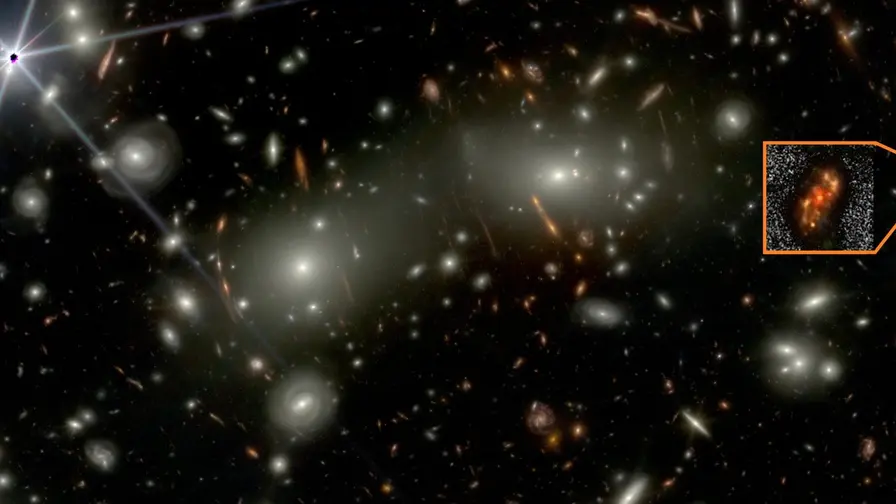
Read MoreNora Schmidt2025-12-212Webb Detects Most Distant Supernova: A Cosmic FirstUsing JWST, astronomers identified the most distant supernova yet—linked to GRB 250314A—when the universe was ~730 million years old, offering new insight into massive-star deaths during reionisation.
Read MoreOliver Hayes2025-12-20Building Robust Timekeeping for Moon and Mars MissionsAs lunar and Mars missions multiply, researchers urge building scalable, autonomous timekeeping systems. Precise interplanetary synchronization will enable navigation, communications, and safe surface operations for future explorers.
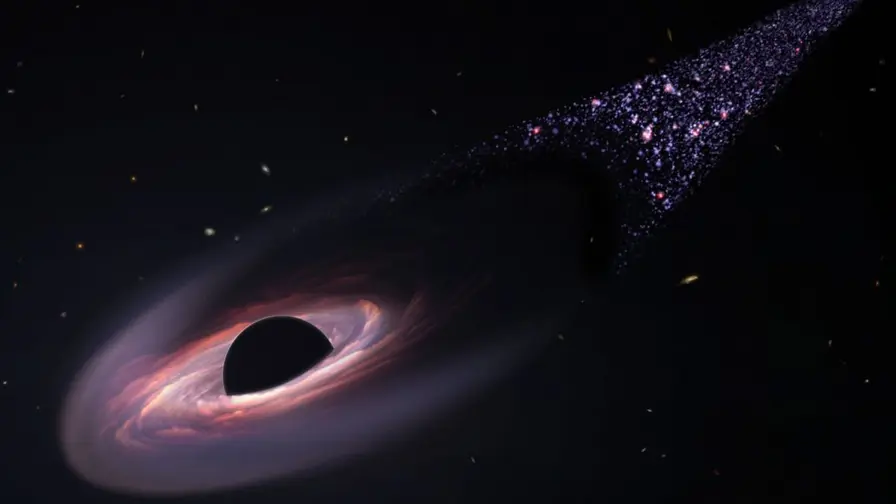
Read MoreNora Schmidt2025-12-19Runaway Supermassive Black Hole RBH‑1 Escapes Its GalaxyAstronomers have identified RBH-1, the first confirmed runaway supermassive black hole. New measurements favor a recoil from a merged black hole following a galaxy merger, matching theoretical models.
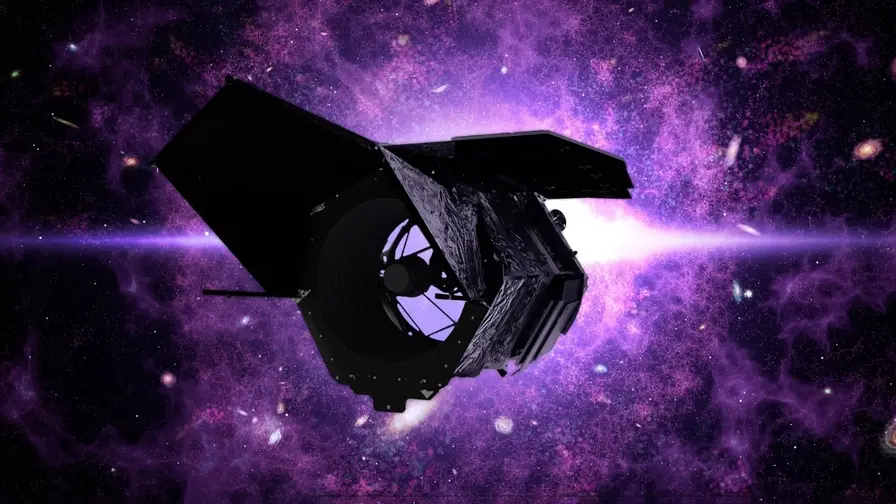
Read MoreNora Schmidt2025-12-194Roman Telescope Nears Launch, Set to Reveal ExoplanetsNASA’s Nancy Grace Roman Telescope has completed assembly and is entering final tests. With a wide-field infrared camera and a pioneering coronagraph, Roman will map dark energy, find thousands of exoplanets, and demonstrate technologies for direct imaging.
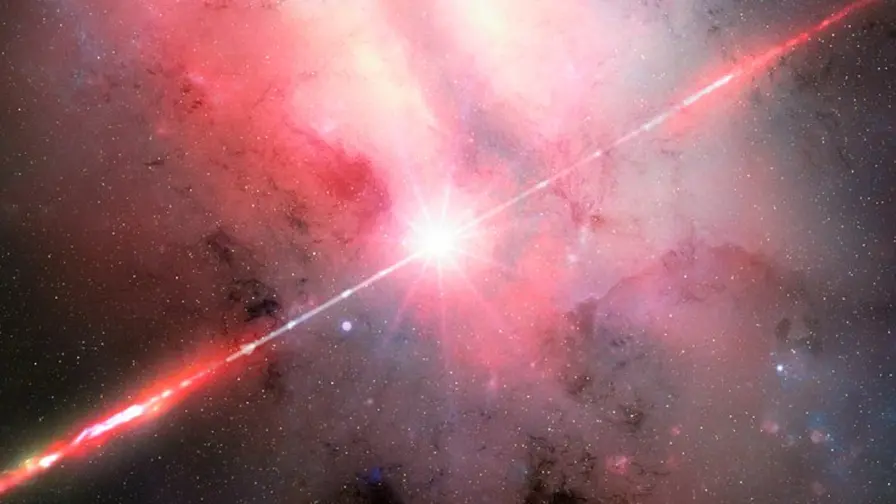
Read MoreNora Schmidt2025-12-184Seven-Hour Cosmic Blast: Inside GRB 250702B’s MysteryAstronomers tracked GRB 250702B, the longest gamma-ray burst observed, lasting over seven hours from a dust-rich host galaxy. Multiwavelength data suggest a relativistic jet in a dense environment and several exotic origin scenarios.
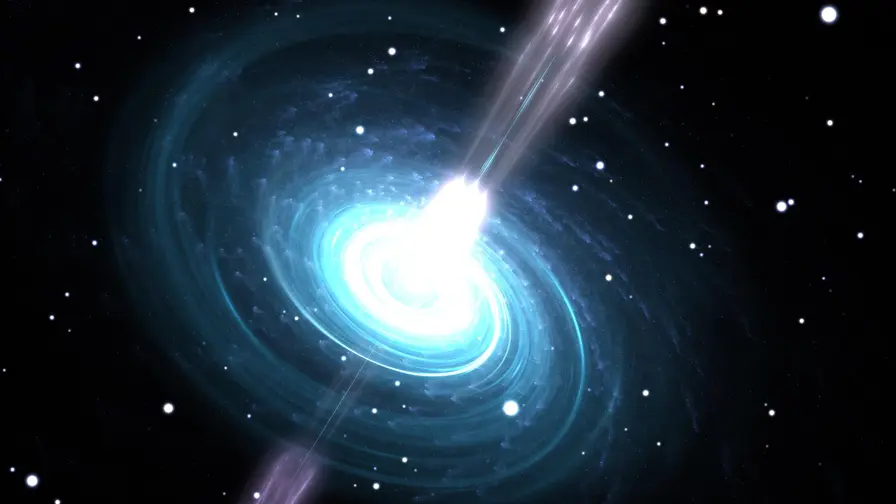
Read MoreOliver Hayes2025-12-172P13 Neutron Star Reawakens: 100x X-ray Surge Sheds LightThe neutron star NGC 7793 P13 brightened by over 100× in X-rays between 2021 and 2024. New analysis links this rebrightening to increased spin-up and changing accretion-column height, shedding light on supercritical accretion.
Read MoreOliver Hayes2025-12-173How Earth's Deep Mantle Hid Water from the Magma OceanNew experiments reveal bridgmanite in Earth’s deep mantle could have trapped vast amounts of water during the magma ocean phase, helping the planet retain volatiles and become habitable.
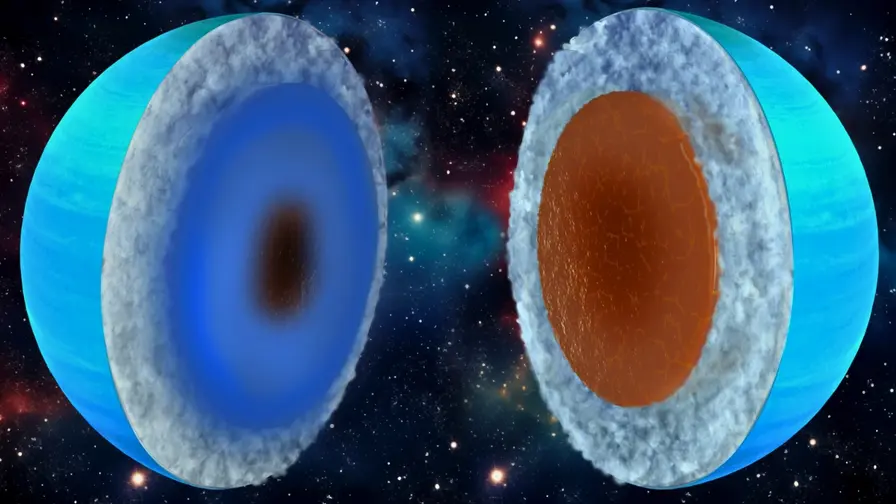
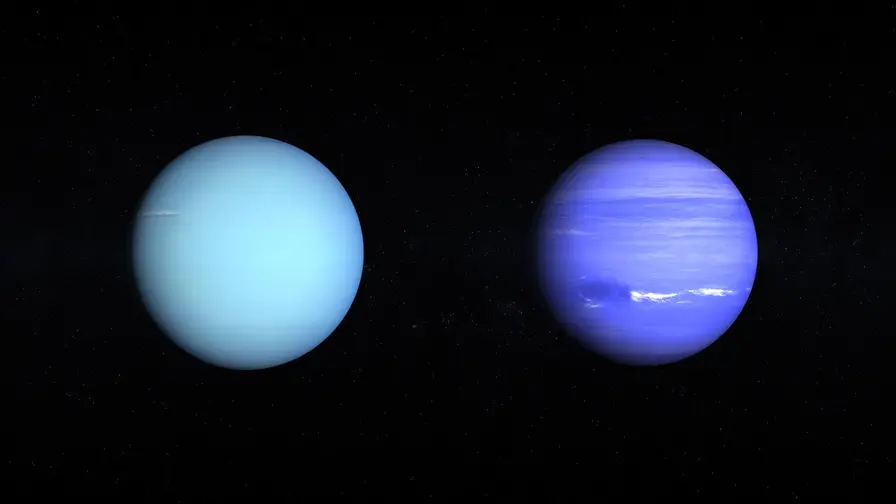
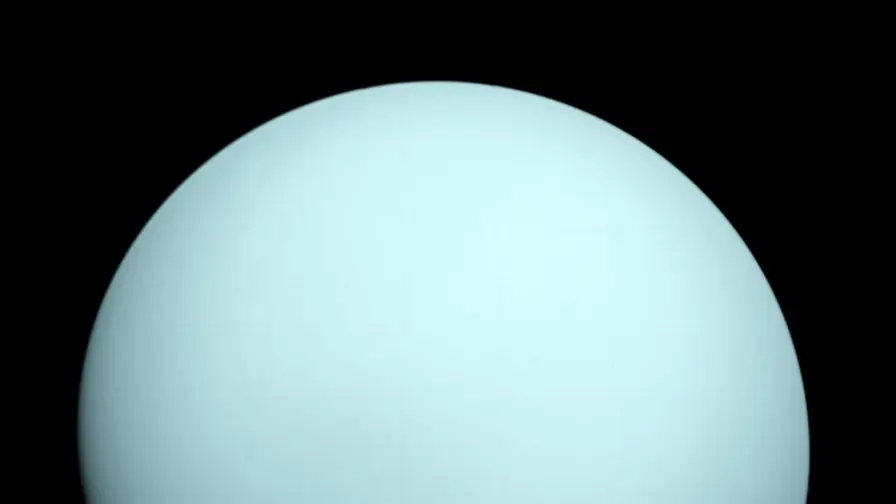
Read MoreOliver Hayes2025-12-172Uranus and Neptune Reimagined: Could They Be Rock Giants?New models from University of Zurich researchers suggest Uranus and Neptune may be rock-rich and convective rather than classic 'ice giants', offering fresh explanations for their odd magnetic fields and urging new missions.
Read MoreNora Schmidt2025-12-142Uranus and Neptune: Could They Be Rocky Giants, Not Icy?New models from the University of Zurich show Uranus and Neptune could be far rockier than assumed. The research broadens interior scenarios, links ionic water layers to odd magnetic fields, and argues for dedicated missions.
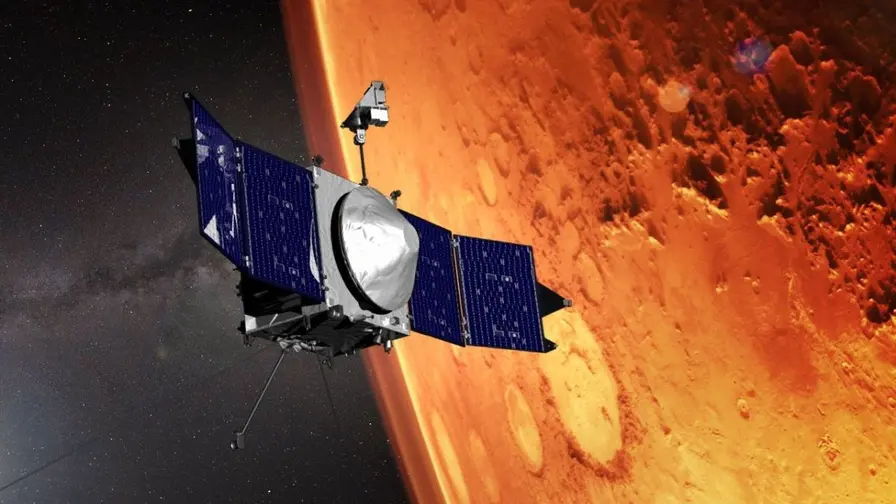
Read MoreNora Schmidt2025-12-12NASA Loses Contact With MAVEN Orbiter Passing MarsNASA reports loss of contact with MAVEN, a Mars orbiter that has studied atmospheric escape since 2014. Engineers are searching for a signal while the agency investigates causes and mission impacts.
Read MoreNora Schmidt2025-12-113Gravitational Lensing Adds Weight to the Hubble TensionTime-delay measurements of gravitationally lensed quasars provide an independent Hubble constant estimate that aligns with late-universe values, deepening the Hubble tension and hinting at possible new cosmological physics.
Read MoreNora Schmidt2025-12-102JWST Detects Earliest Supernova from Cosmic Dawn EraA gamma-ray burst detected by SVOM and followed up by JWST revealed the earliest known supernova at redshift 7.3, 720 million years after the Big Bang. The explosion appears similar to modern core-collapse supernovae, with implications for early stars and reionization.
Read MoreOliver Hayes2025-12-102Voyager 2 Flyby: Solar Wind Likely Charged Uranus BeltsNew analysis suggests Voyager 2’s intense electron readings at Uranus in 1986 resulted from a transient solar wind event. Reinterpreting the flyby changes how we model radiation belts and motivates a dedicated Uranus mission.
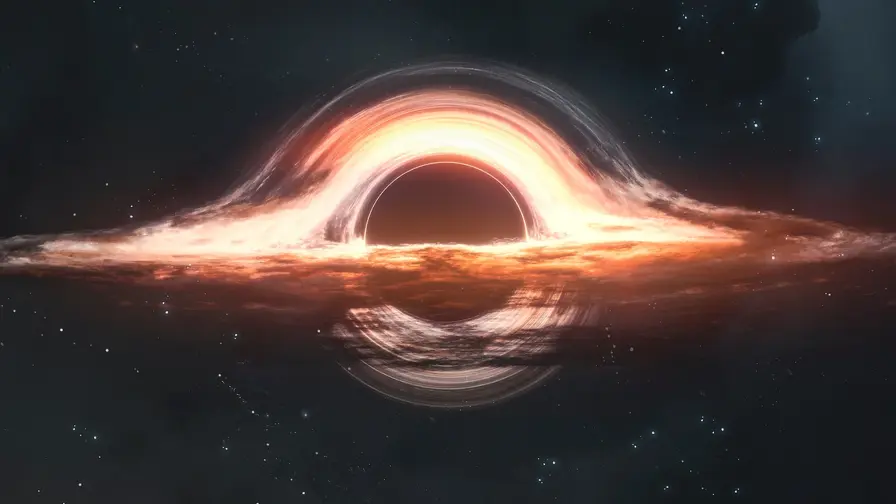
Read MoreNora Schmidt2025-12-103Exascale Simulations Reveal Realistic Black Hole AccretionExascale simulations now model black hole accretion with full general relativity and radiation physics, matching observed spectra and revealing disk, wind, and jet dynamics for stellar-mass systems.
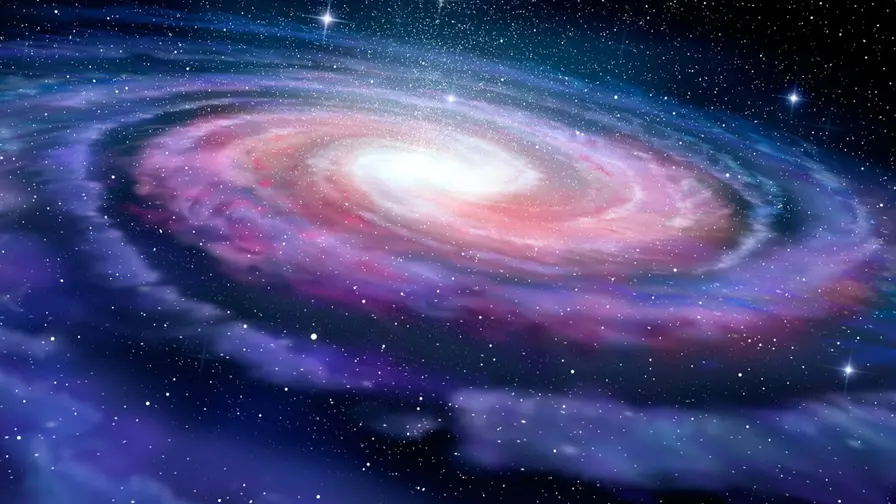
Read MoreNora Schmidt2025-12-092Milky Way's Two Chemical Tracks Explained by SimulationsSimulations from the Auriga project show the Milky Way's two-track chemical signature can arise from starbursts, changing gas inflows and metal-poor circumgalactic gas — not only from a single past collision.
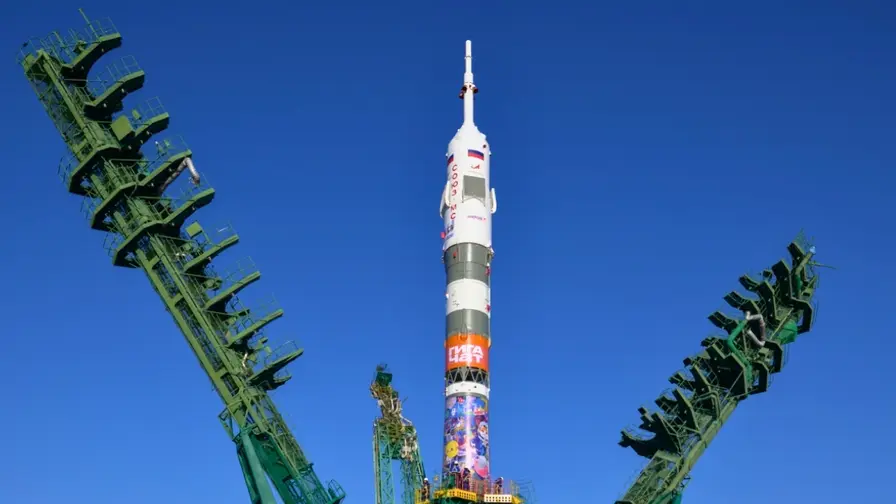
Read MoreOliver Hayes2025-12-093Russia's Soyuz Launch Pad Collapse Grounds MissionsA post-launch collapse of a heavy maintenance cabin at Baikonur's Site 31/6 has sidelined Russia's Soyuz crew and cargo launch capability, delaying ISS missions and affecting space and crypto-related payload plans.
Read MoreOliver Hayes2025-12-083Milky Way Twin Found 1.5 Billion Years After Big Bang, RevealedJWST and gravitational lensing revealed Alaknanda, a grand-design spiral galaxy that formed just 1.5 billion years after the Big Bang, forcing astronomers to rethink early galaxy assembly and rapid disk formation.
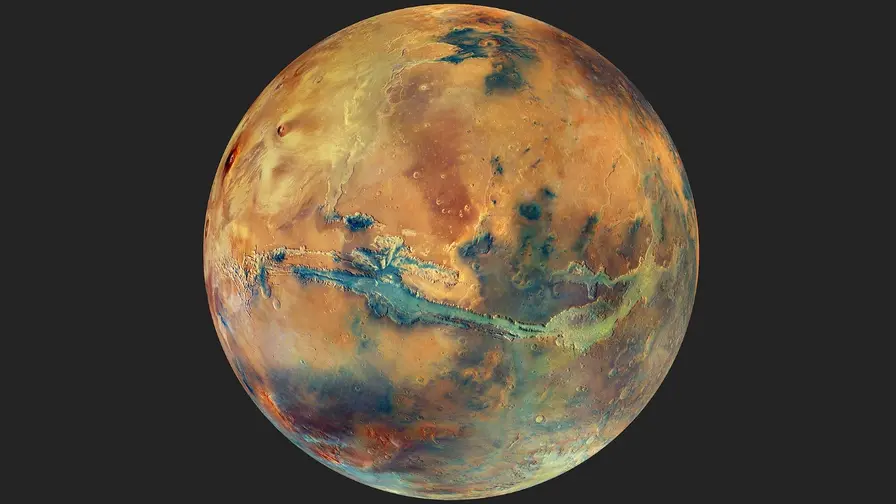
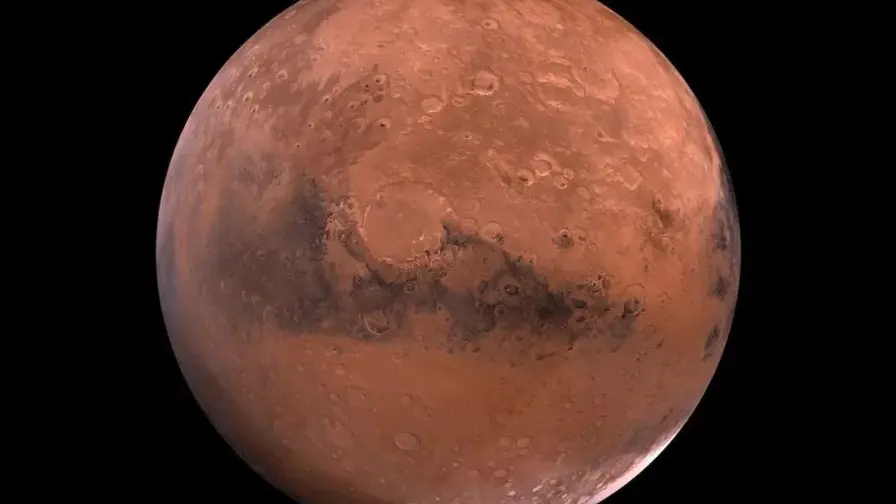
Read MoreNora Schmidt2025-12-062Einstein Confirmed: Time Passes Faster on Mars, NIST FindsNIST calculations confirm Einstein’s general relativity: time on Mars runs about 477 microseconds per day faster than on Earth. This small difference poses major challenges for Martian navigation and interplanetary communications.