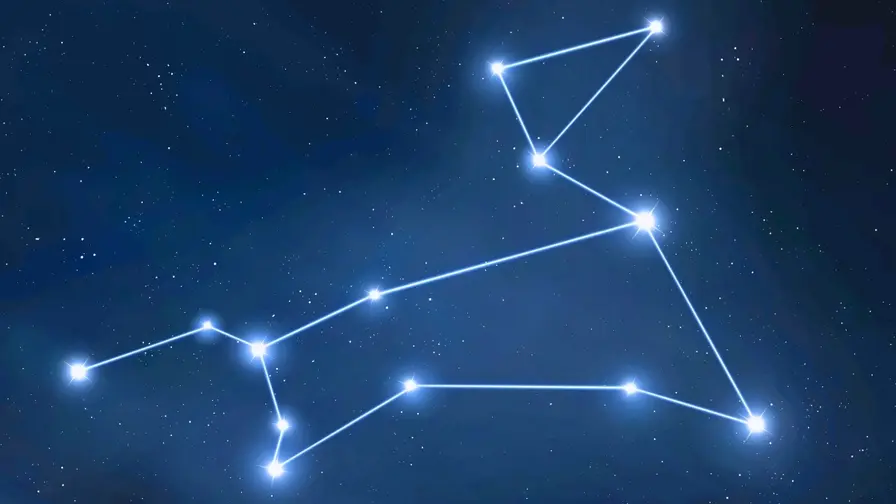
Read MoreOliver Hayes2025-12-042Cosmic Dog Passed Within 32 Light-Years: Lasting EffectsNew simulations suggest two B-type stars in Canis Major passed within 32 light-years some 4.5 million years ago, their ultraviolet light ionizing local interstellar clouds and leaving measurable signatures today.
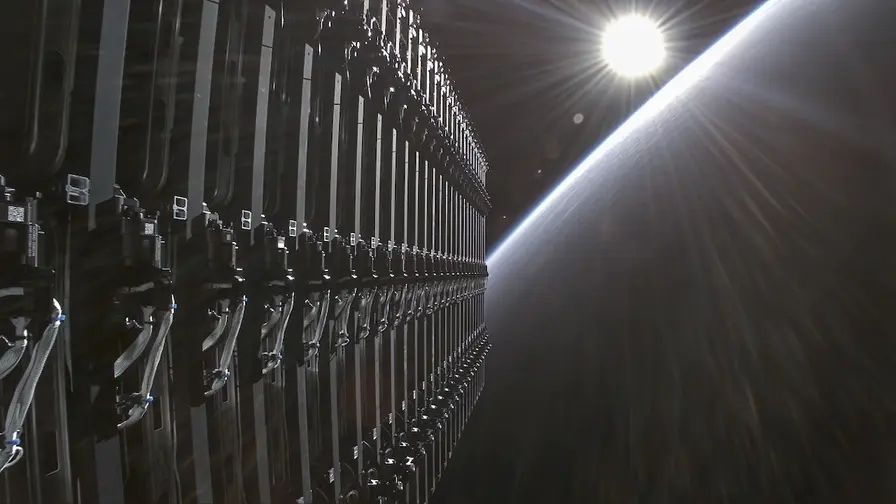
Read MoreOliver Hayes2025-12-042Half a Million Satellites Threaten Space Telescope ImagesA Nature study warns that up to 560,000 planned satellites could spoil nearly all images from telescopes in low-Earth orbit, jeopardizing astronomical surveys and asteroid detection unless operators, regulators, and scientists coordinate mitigation.
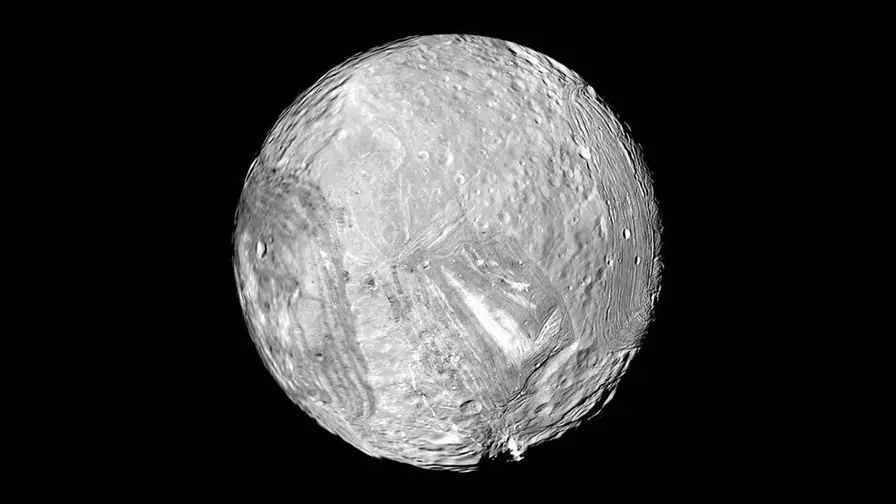
Read MoreOliver Hayes2025-12-022Boiling Seas Beneath Ice: Violent Geology of Small MoonsNew modeling shows how thinning ice shells on small moons like Enceladus and Mimas can drop pressure enough to boil subsurface oceans, producing surface features observed by Cassini and Voyager.
Read MoreNora Schmidt2025-12-022Ancient Air Made Life’s Building Blocks: Sulfur on Early EarthLaboratory simulations show early Earth’s atmosphere could create sulfur-based biomolecules like cysteine from simple gases and light, reshaping ideas about where life’s building blocks originated.
Read MoreNora Schmidt2025-11-254Dark Eternity: How the Universe Could Fade Away — ForecastA clear, evidence-based look at how the Universe may evolve: declining star formation, galaxy mergers, and accelerated expansion driven by dark energy could lead to a long, dim 'dark eternity'.
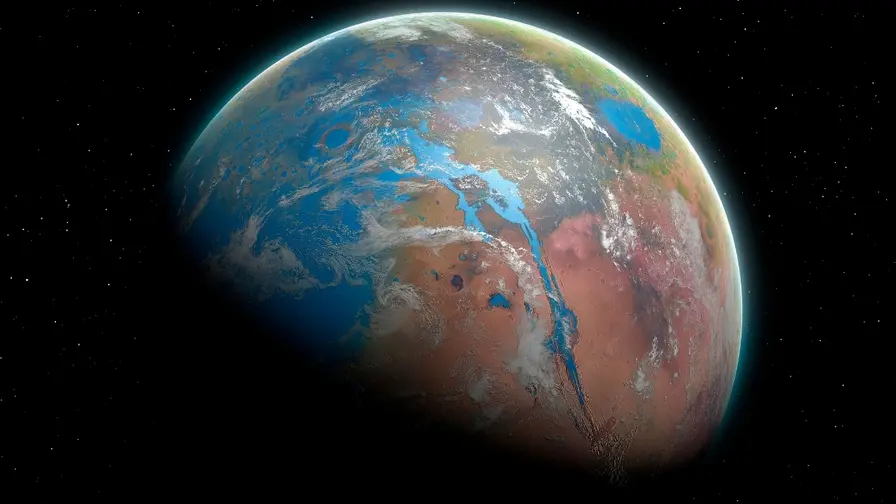
Read MoreNora Schmidt2025-11-252Mars Stayed Habitable Much Longer Than Previously ThoughtReanalysis of Curiosity rover data shows Mars' dune deposits in Gale Crater were cemented by groundwater, extending the planet's habitable period and highlighting prime targets for life detection missions.
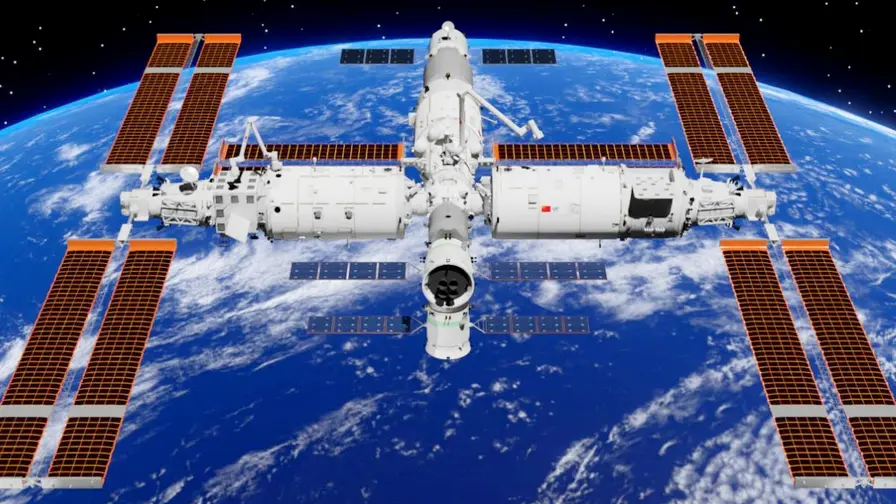
Read MoreNora Schmidt2025-11-212Three Chinese Astronauts Temporarily Stranded in OrbitThree Chinese astronauts aboard Tiangong are temporarily stranded after their return craft was struck by orbital debris. CMSA plans a replacement launch; officials and engineers are racing to ensure a safe return.
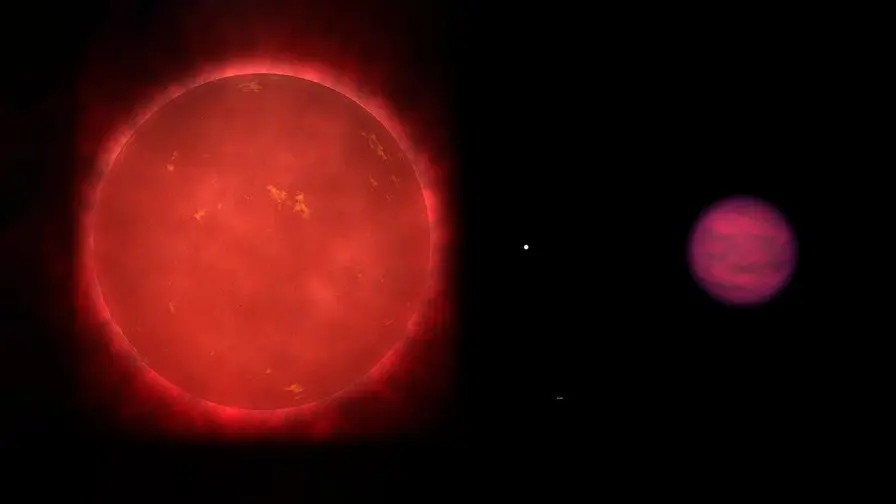
Read MoreNora Schmidt2025-11-213JWST Finds Phosphine on Ancient Brown Dwarf Wolf 1130CJWST detects phosphine in the atmosphere of ancient brown dwarf Wolf 1130C, matching theoretical predictions and prompting fresh study of phosphorus chemistry, atmospheric models, and biosignature interpretation.
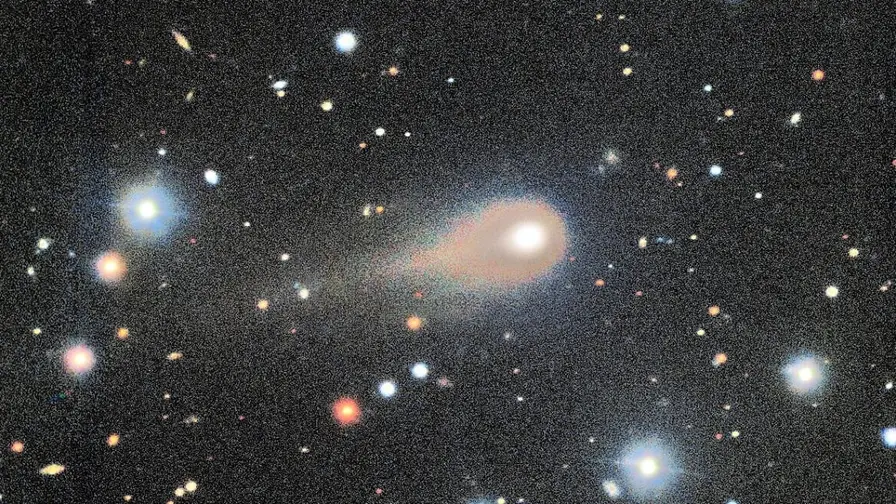
Read MoreNora Schmidt2025-11-212NASA’s Closest Views Yet of Interstellar Comet 3I - ATLASNASA has released the closest observations yet of interstellar comet 3I/ATLAS, combining Mars-based images, solar observatories and ground photos to study its composition, activity, and scientific implications.
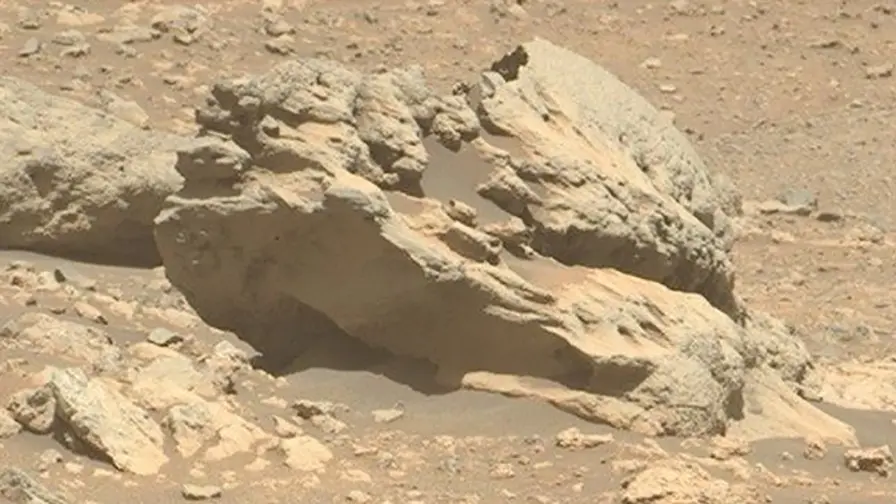
Read MoreOliver Hayes2025-11-192Mars Rock Phippsaksla: A Meteorite Mystery in JezeroPerseverance photographed an unusual 80 cm rock in Jezero Crater named Phippsaksla. Spectroscopic readings suggest iron-nickel composition, raising the possibility it’s a metallic meteorite and a target for future sample-return missions.
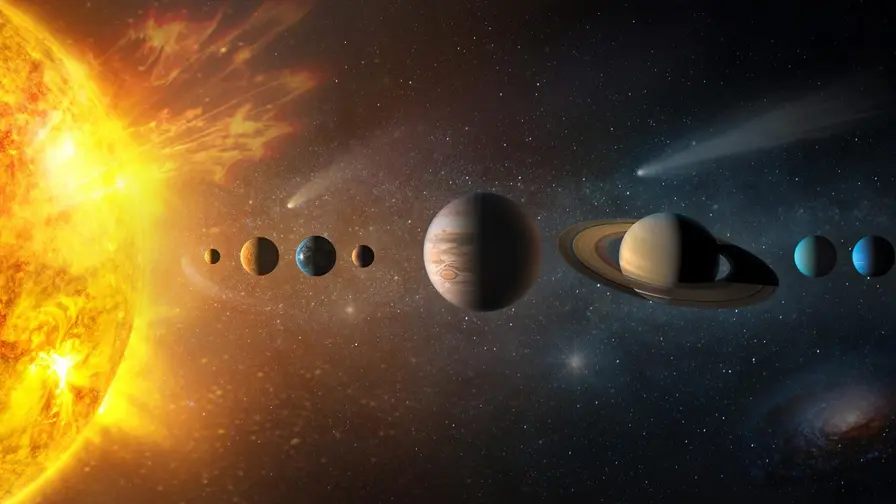
Read MoreOliver Hayes2025-11-172Our Solar System Is Moving Three Times Faster Than ExpectedRadio-galaxy counts from LOFAR and other surveys reveal a dipole three times larger than expected, implying our solar system may be moving far faster or the universe is less uniform than assumed.
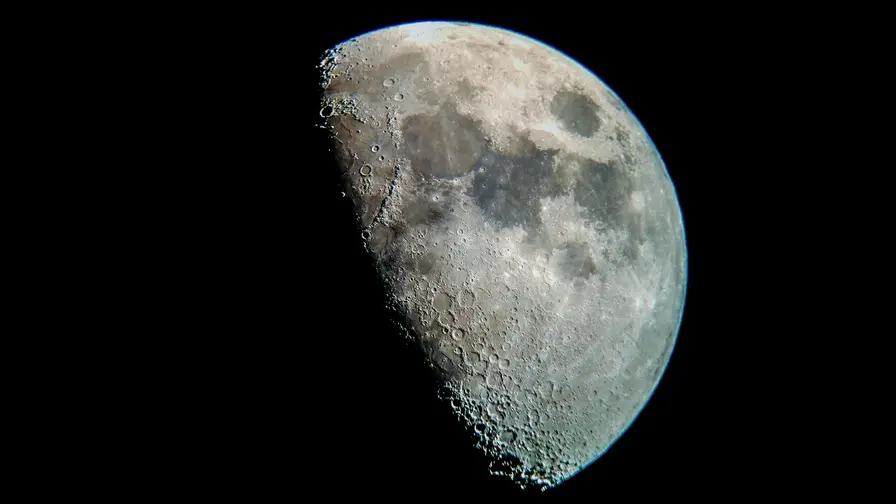
Read MoreNora Schmidt2025-11-153Scientists Confirm the Moon Has an Earth-Like Solid CoreNew analysis confirms the Moon has a solid, iron-rich inner core beneath a liquid outer layer. Models match spacecraft and lunar laser-ranging data and imply mantle overturn and a dynamo-driven early magnetic field.
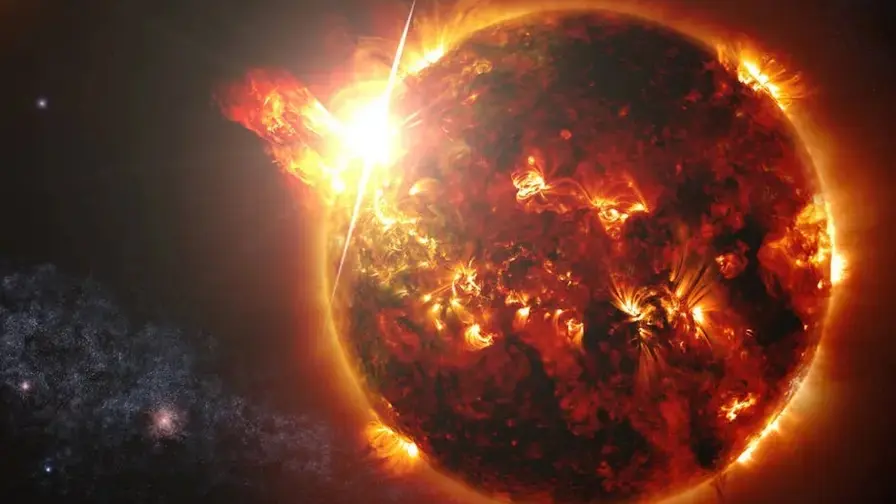
Read MoreOliver Hayes2025-11-132First Detection of a Monster CME on Another Star RevealedAstronomers using LOFAR recorded the first radio-detected coronal mass ejection from a star beyond the Sun — a monster stellar storm that could strip exoplanet atmospheres and reshape habitability studies.
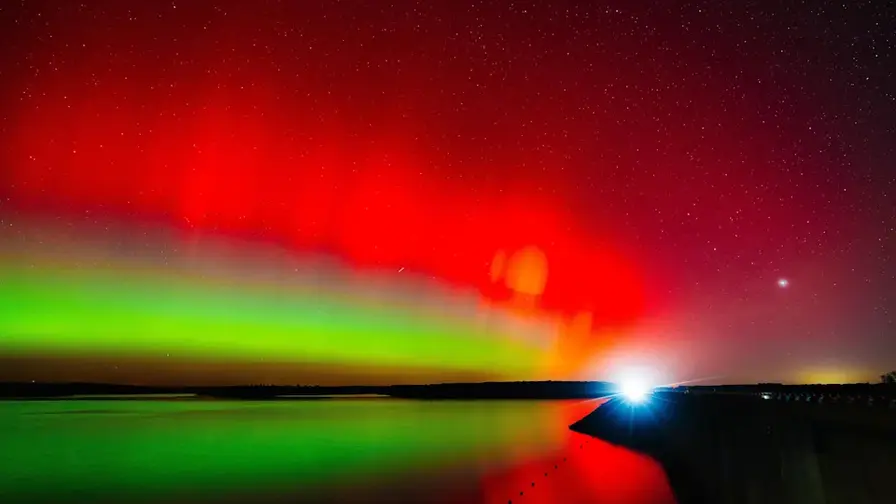
Read MoreNora Schmidt2025-11-13Triple 'Cannibal' Solar Storms: A Spectacle Headed Our WayA triplet of faster CMEs is expected to merge into a powerful 'cannibal' storm near Earth, potentially producing vivid auroras. Models compare this event to the May 2024 G5 geomagnetic storm.
Read MoreNora Schmidt2025-11-123New Evidence: Is the Universe Already Slowing Down?Yonsei University researchers say corrected type Ia supernova data indicate dark energy may be weakening and the Universe could already be entering a phase of decelerated expansion, reshaping cosmology and the Hubble tension debate.
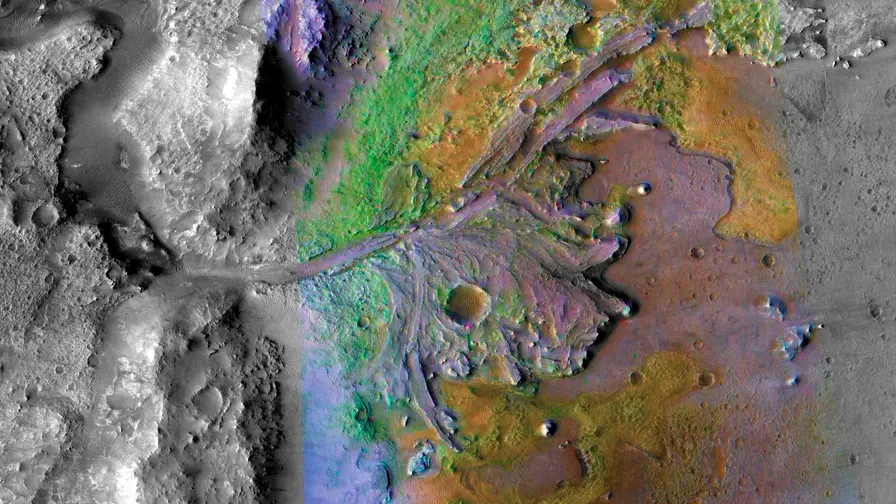
Read MoreOliver Hayes2025-11-093Jezero Minerals Reveal Multiple Wet Eras on Ancient MarsPerseverance and the MIST algorithm mapped 24 minerals in Jezero Crater, revealing multiple wet periods that shifted Mars from acidic and hot to neutral and alkaline — increasingly favorable for life.
Read MoreOliver Hayes2025-11-074Are Alien Von Neumann Probes Hiding in Our Solar System?Could self-replicating 'von Neumann' probes from extraterrestrial civilizations already be in our Solar System? Professor Alex Ellery argues the Moon, asteroids, and Kuiper Belt are prime search sites for technosignatures.
Read MoreOliver Hayes2025-11-052Don't Miss the Beaver Supermoon: Largest Full Moon 2025On Nov. 5, 2025 the Beaver Supermoon will be the biggest and brightest full supermoon of the year, coming within 356,980 km of Earth. Learn why it looks larger, when to watch, and tips for astrophotography.
Read MoreOliver Hayes2025-11-05Tiny Alfven Waves: Unraveling Solar Wind Power and HeatScientists have detected small torsional Alfven waves in the solar corona that likely contribute to coronal heating and the acceleration of the solar wind—findings that could improve space weather forecasts.
Read MoreNora Schmidt2025-11-042Universe Twice as Hot 7 Billion Years Ago: New MeasurementA Keio University team used ALMA archival data to measure the CMB temperature seven billion years ago at 5.13 K ±0.06 K, confirming the Big Bang prediction that the Universe was hotter in the past.