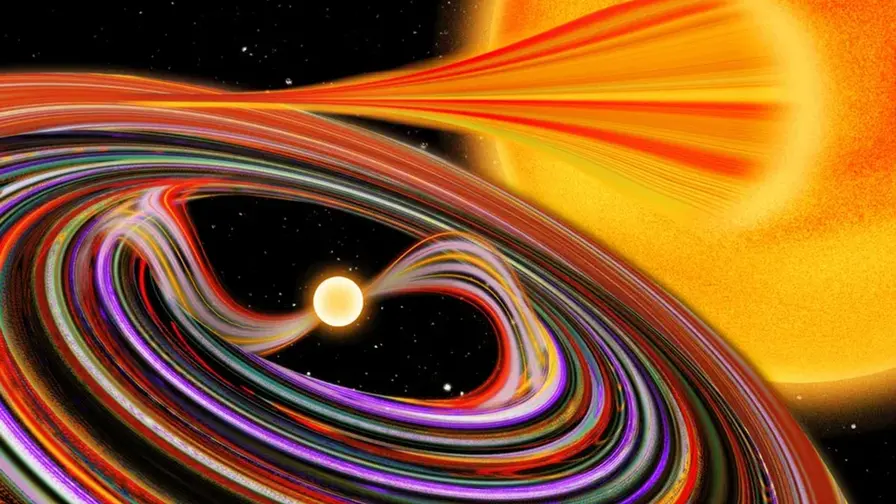
Read MoreNora Schmidt2026-01-082Dead Star Awakens: IXPE Reveals White Dwarf Drama NowIXPE used X-ray polarimetry to map EX Hydrae's accretion column around a white dwarf, estimating a ~2,000-mile column height and revealing how magnetism and gravity shape high-energy emission.
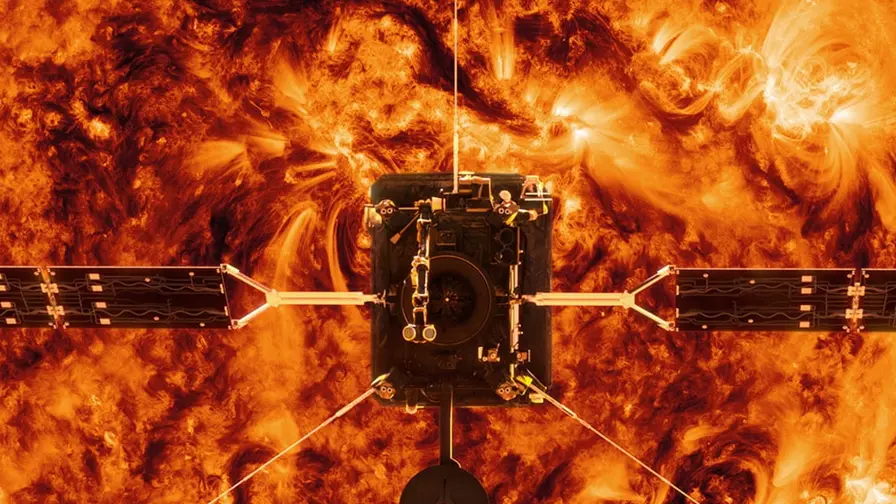
Read MoreNora Schmidt2026-01-072Researchers Tracked a Superactive Solar Region 94 DaysBy combining Solar Orbiter and SDO data, scientists tracked superactive region NOAA 13664 for 94 days, mapping its magnetic evolution and linking complexity to major geomagnetic storms that affected Earth.
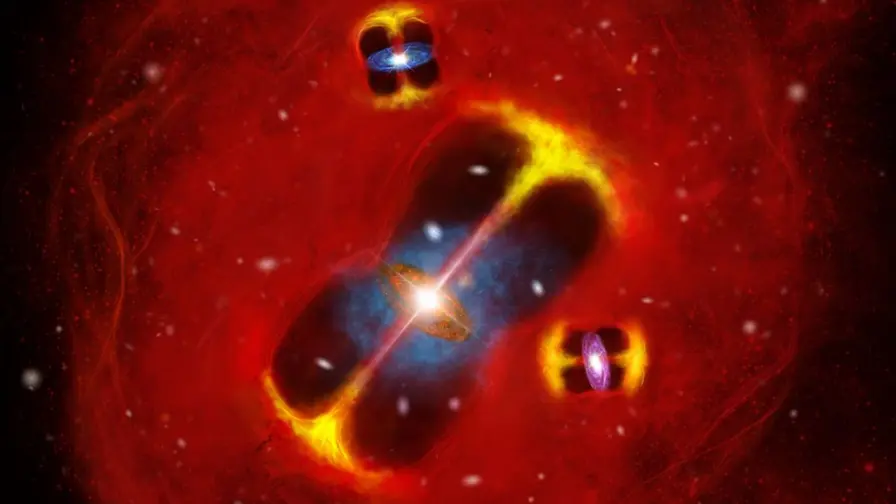
Read MoreOliver Hayes2026-01-072Impossibly Hot Cluster Found 1.4 Gyr After Big BangALMA observations of galaxy cluster SPT2349-56, seen 1.4 billion years after the Big Bang, reveal intracluster gas far hotter than models predict — pointing to early, powerful black-hole feedback.
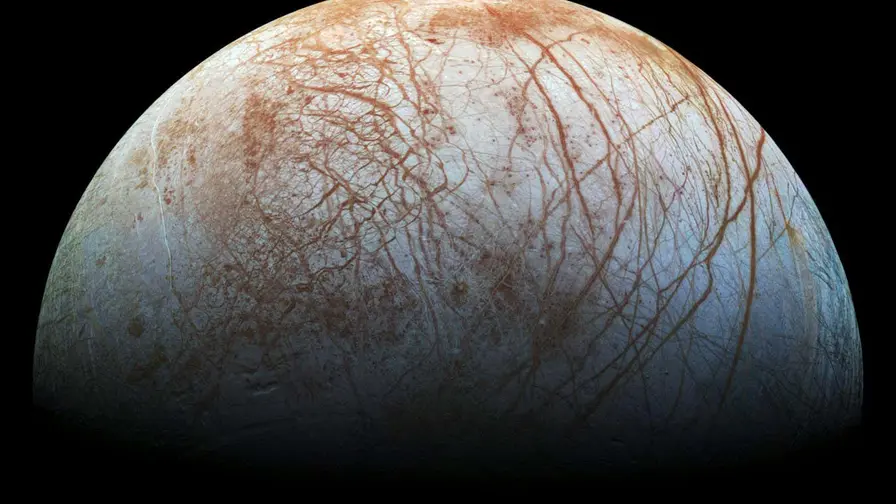
Read MoreOliver Hayes2026-01-073Quiet Depths: Could Europa’s Ocean Be Lifeless Today?New research argues Europa's subsurface ocean may lack the seafloor activity needed to power life. Models suggest weak tidal heating and a cooled interior could leave the seafloor geologically quiet today.
Read MoreOliver Hayes2026-01-053Earth's Magnetic Field Funnels Atmosphere to the MoonNew research shows Earth's magnetic field can guide charged atmospheric particles along field lines to the Moon. Lunar soil may record Earth's atmospheric history and offer usable volatiles for future explorers.
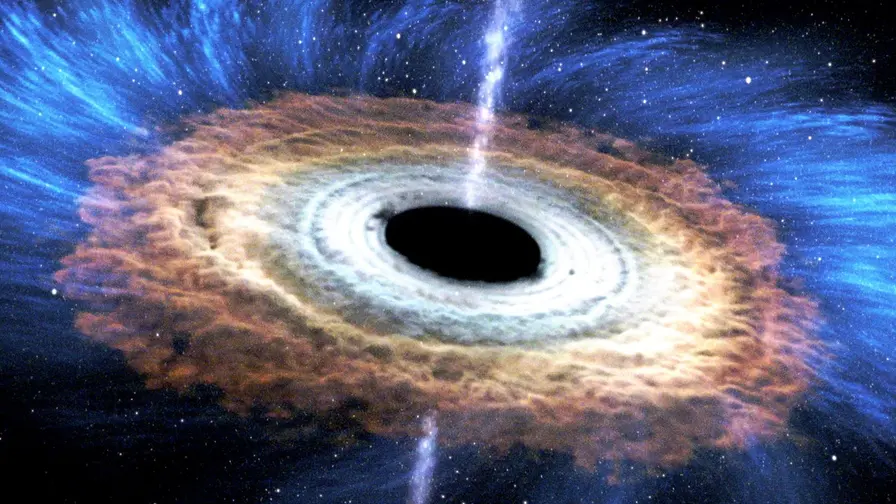
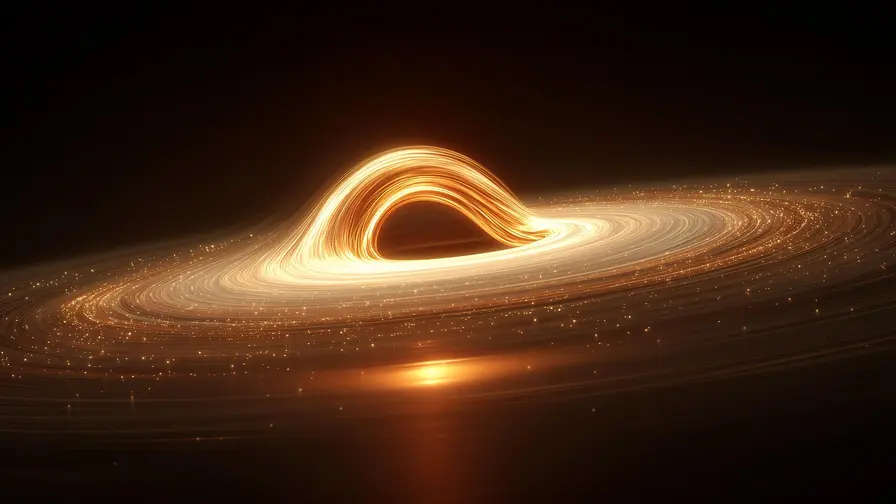
Read MoreOliver Hayes2026-01-042Black Hole Twists Spacetime: Evidence for Frame-DraggingAstronomers observed a tidal disruption event (AT2020afhd) where a spinning black hole twisted spacetime, producing a 20-day wobble in both the accretion disk and relativistic jet — direct evidence of frame-dragging.
Read MoreOliver Hayes2026-01-042January's Rare Wolf Supermoon: A Triple Brightness BoostThe Wolf Supermoon on 3 January 2026 will be brighter and slightly larger than usual due to lunar perigee, Earth's perihelion, and clearer winter skies—making this a rare triple-boost lunar event.
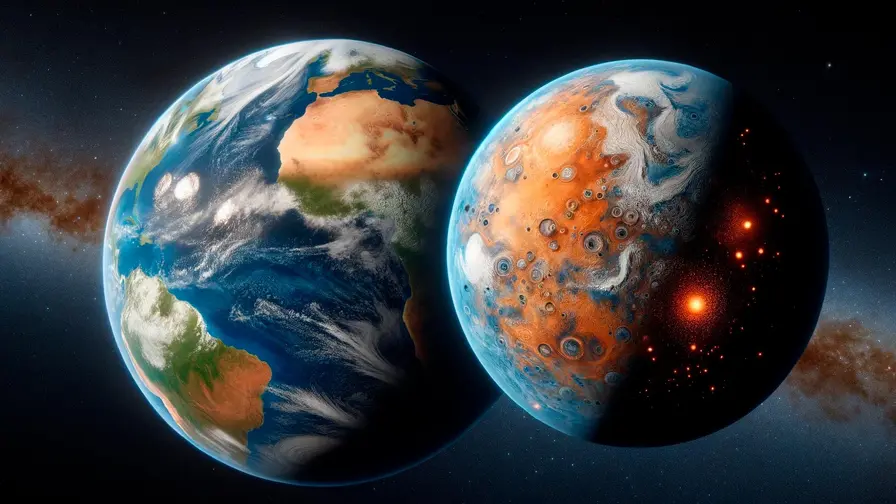
Read MoreOliver Hayes2026-01-034Webb Finds Thick Atmosphere on Scorching Super-EarthJWST NIRSpec observations indicate the ultra-hot super-Earth TOI-561 b retains a thick, volatile-rich atmosphere above a global magma ocean, challenging models of atmospheric loss on small, irradiated planets.
Read MoreNora Schmidt2026-01-032Rogue Planet Weighed: Saturn-Mass World Drifting AloneAstronomers measured the mass and distance of a Saturn-mass rogue planet using simultaneous Earth- and space-based microlensing. The result illuminates how planets get ejected and what future surveys may reveal.
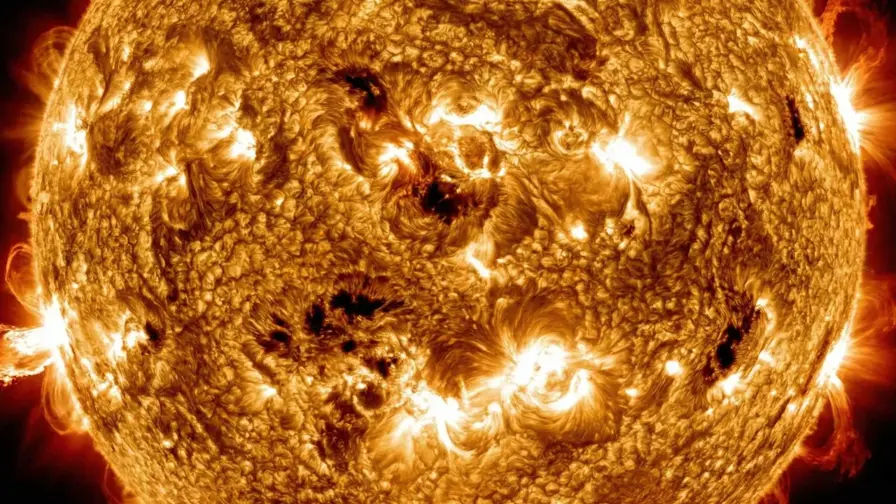
Read MoreNora Schmidt2026-01-022Why Astronomers Call the Sun a 'Dwarf' Star — Here's WhyWhy do astronomers call the Sun a "dwarf" despite its huge size? This article explains the G2V classification, spectral type, why the Sun appears yellow from Earth, and how solar evolution will turn it into a red giant.
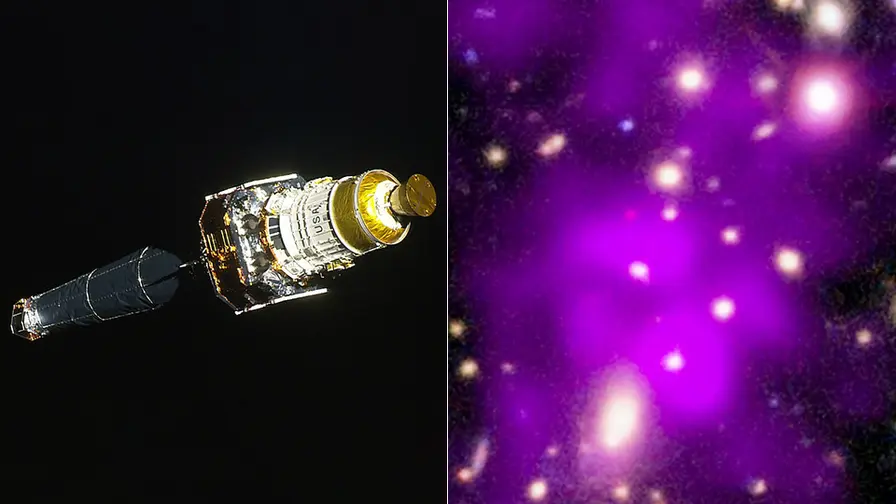
Read MoreNora Schmidt2026-01-012Champagne Cluster: Cosmic Collision Reveals Dark MatterThe Champagne Cluster — two galaxy clusters colliding — offers rare insight into hot gas dynamics and dark matter. Composite Chandra X-ray and optical images reveal merger geometry and timelines.
Read MoreOliver Hayes2025-12-313NASA Outsources Space Communications to Private SatellitesNASA is replacing the decades-old TDRS relay with commercial satellite constellations from Amazon, SpaceX, SES, Telesat and Viasat, accelerating laser comms, inter-satellite links and Artemis support.
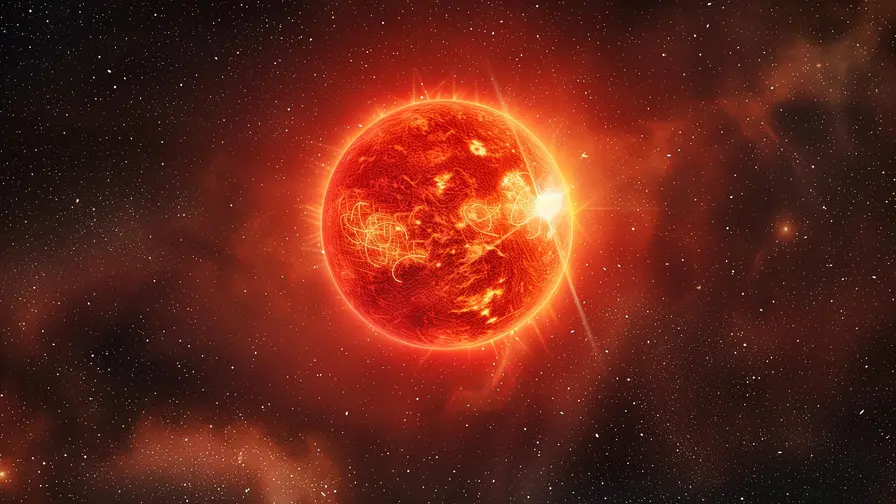
Read MoreNora Schmidt2025-12-303Red Giant R Doradus: Starlight Fails to Drive Dust WindsHigh-resolution observations of red giant R Doradus show dust grains too small for starlight alone to launch stellar winds, forcing scientists to explore convective motion, pulsations and episodic dust formation.
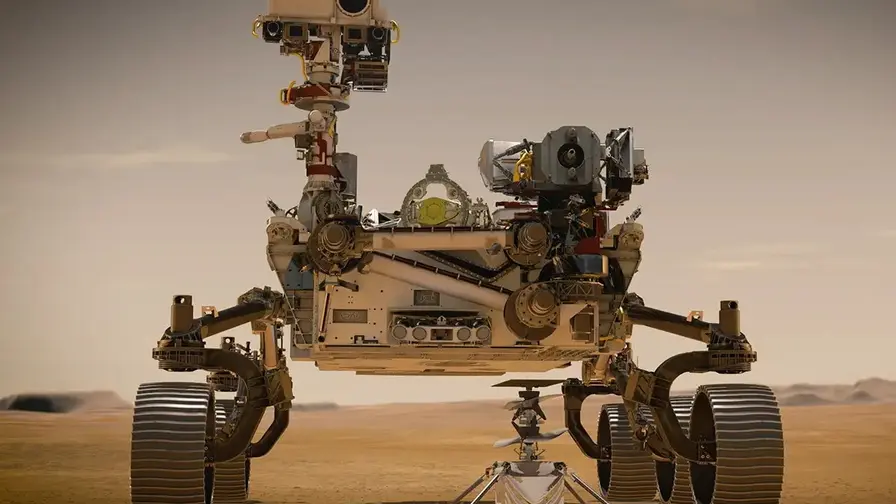
Read MoreNora Schmidt2025-12-283Perseverance Rover Built Like a Tank, Active to 2031Built like a tank and driven by advanced autonomy, NASA’s Perseverance rover has clocked nearly 25 miles on Mars. Tests using its Earth twin indicate at least 60 km more range and operational life into 2031.
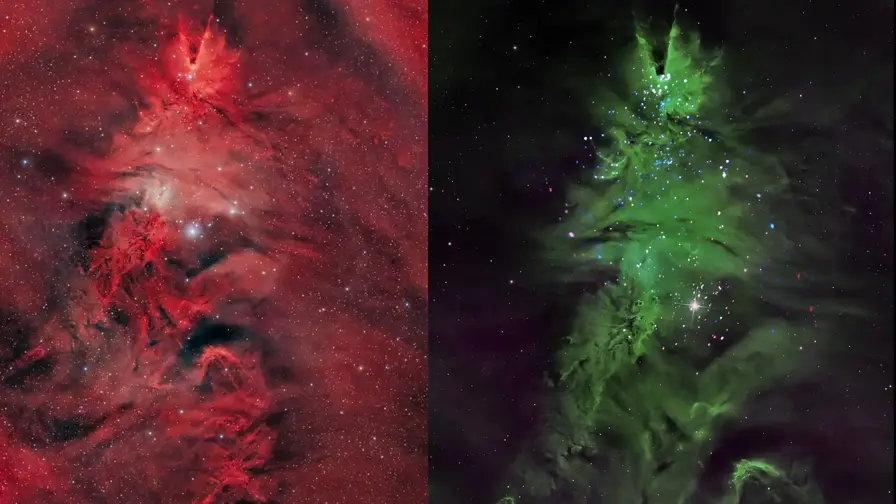
Read MoreNora Schmidt2025-12-262Cosmic Christmas Tree: NGC 2264 Lights the Milky WayNGC 2264 — the Christmas Tree Cluster with the Cone and Fox Fur nebulae — is a 2,700-light-year star-forming complex. Learn how young stars light gas and dust, its scale, and how to observe it.
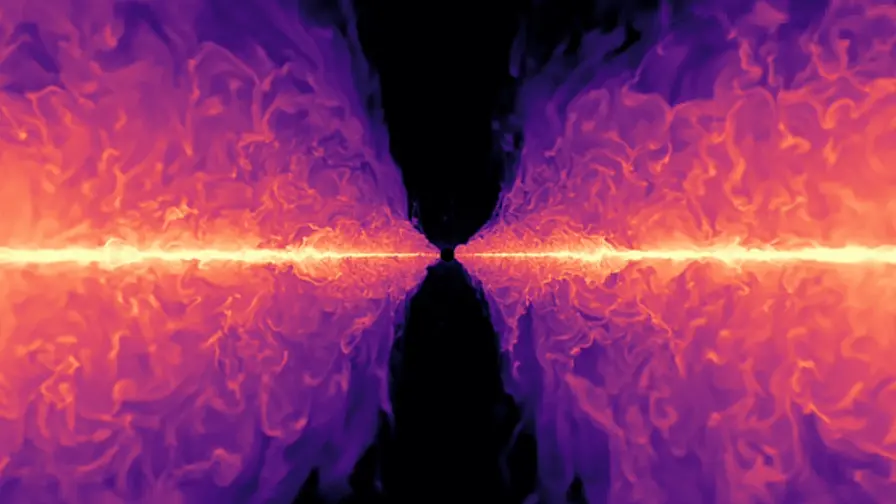
Read MoreOliver Hayes2025-12-252Supercomputers Reveal How Black Holes Feed and Fling MatterHigh-resolution supercomputer simulations show how stellar-mass black holes form dense disks, funnel material into narrow beams, and launch winds and jets. Findings link magnetic fields, radiation and relativity to observed behaviors.
Read MoreNora Schmidt2025-12-253Star’s Destruction Reveals Black Hole Twisting SpacetimeA 2024 tidal disruption event in LEDA 145386 provided the strongest observational evidence yet that a spinning black hole twists spacetime. Synchronous X-ray and radio oscillations reveal disk-and-jet precession driven by frame-dragging.
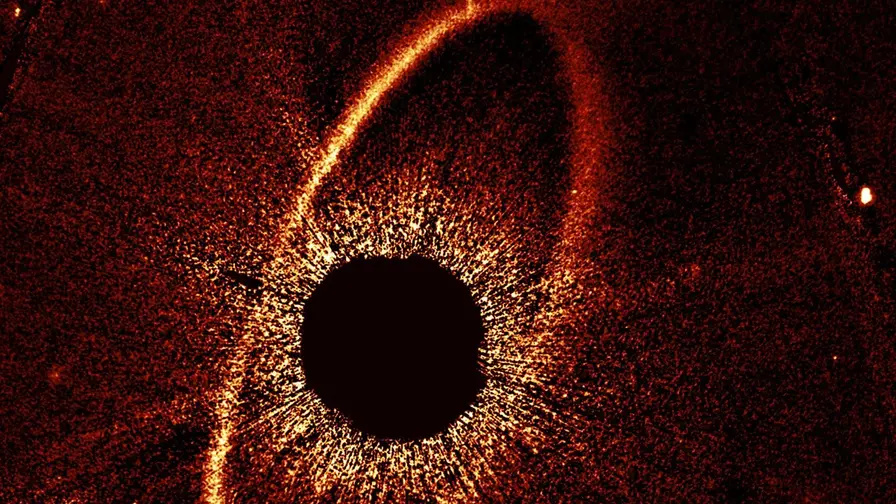
Read MoreOliver Hayes2025-12-243Asteroid Smash at Fomalhaut: Dust Clouds Reveal Planet BirthHubble spotted a new dust cloud at Fomalhaut, likely from a 60 km asteroid collision. This second event in two decades reveals frequent impacts in the debris disk and offers clues about planet formation.
Read MoreOliver Hayes2025-12-243NASA's Carruthers Will Film Earth's Faint Hydrogen HaloNASA’s Carruthers Geocorona Observatory will record continuous ultraviolet movies of Earth’s geocorona from L1, mapping hydrogen escape and improving space weather forecasts and planetary habitability models.
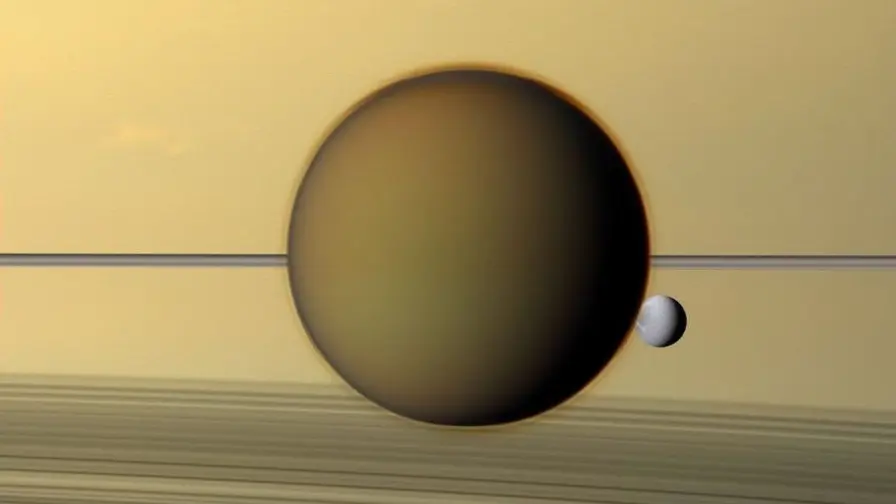
Read MoreOliver Hayes2025-12-232Titan May Lack a Global Ocean — New Cassini ReanalysisReanalysis of Cassini Doppler data suggests Titan may lack a continuous subsurface ocean, favoring a slushy interior with localized warm water pockets that could transport nutrients and affect habitability.

.webp "Earth's Magnetic Field Funnels Atmosphere to the Moon")
.webp "NASA Outsources Space Communications to Private Satellites")