
You tell your assistant once that you prefer black coffee and it remembers. Simple. Human. A small detail, but it changes everything.
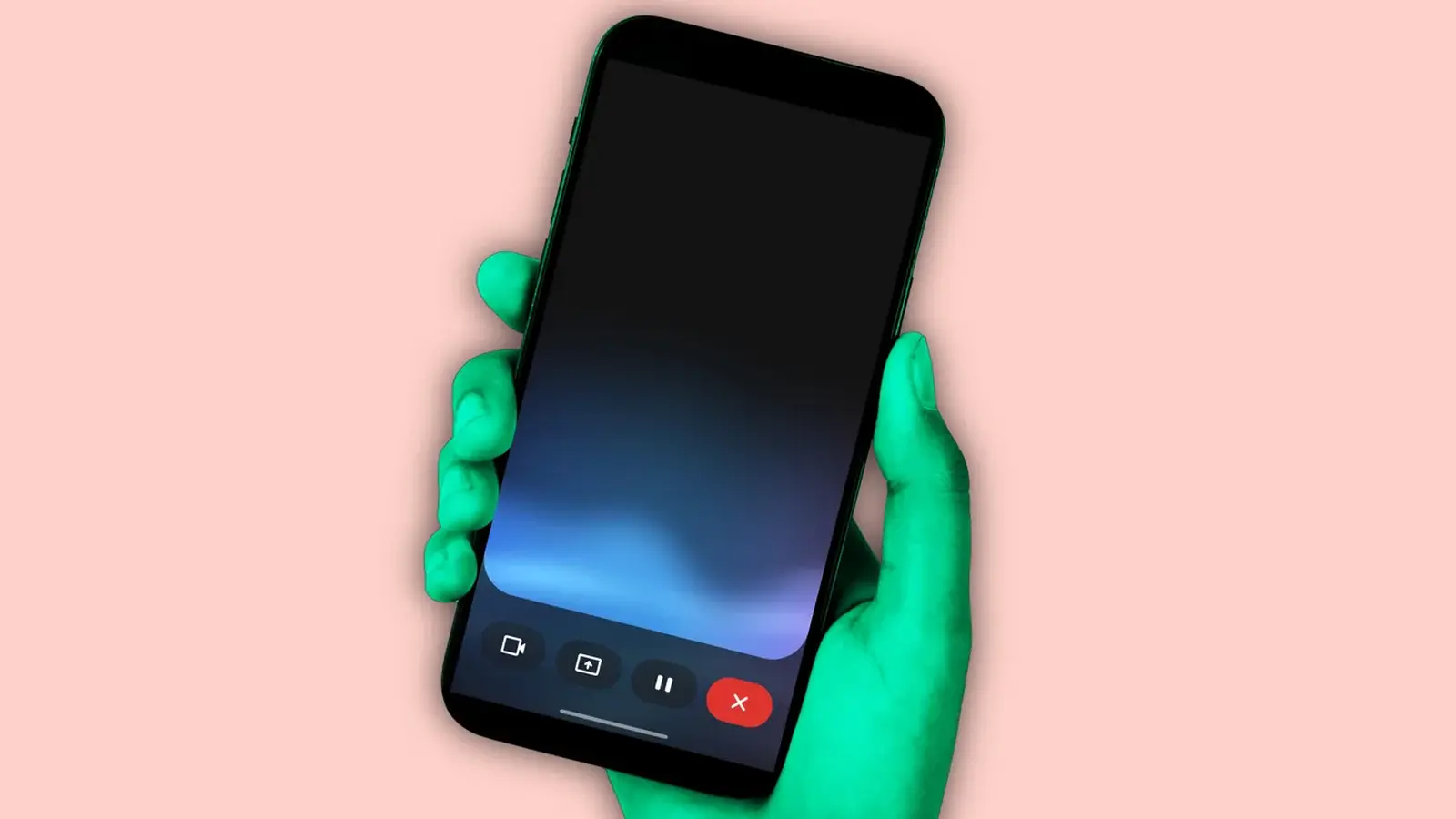
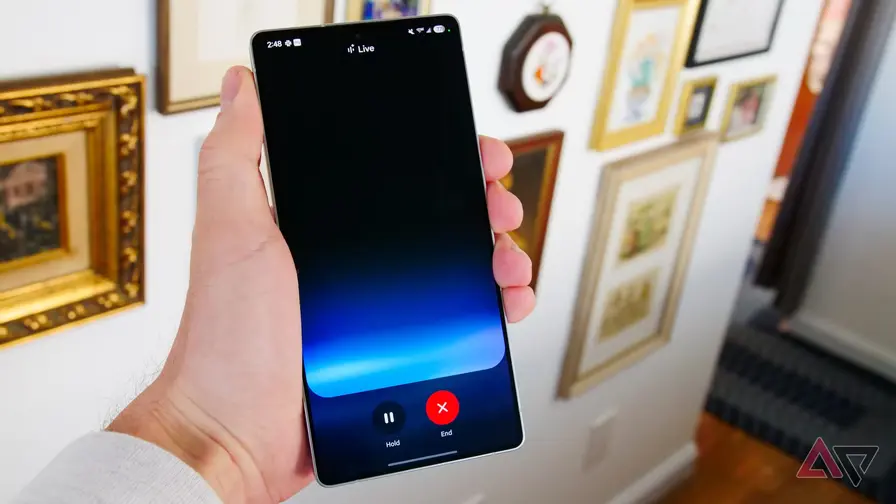
Google has quietly added a long-requested memory feature to Gemini Live, the company’s voice-enabled AI assistant. Reported first by 9to5Google, the update lets the assistant retain details from past conversations and weave them into future replies. That means users no longer have to repeat personal preferences, family dates, or routine details every time they start a new voice session.
What this actually does for you
Think of memory as the distinction between a clerk who resets after each call and a companion who remembers context. Gemini Live can now recall things like dietary preferences, important birthdays, or travel plans you mentioned before. It can also draw on data from linked apps to give more targeted answers — a meeting time pulled from your calendar, or a delivery update from a connected shopping app.
The functionality has been present in Gemini’s text mode for more than a year. Voice users, until now, experienced each session as a fresh start. That gap has just narrowed. The trade-off is a staged rollout: at present the feature is live only for English-speaking users in the United States, and parts of the Android settings for Personal Intelligence still show the memory control as "coming soon," which suggests a gradual deployment rather than an instant switch for everyone.

Privacy questions will follow. Rightly so. Memory in an assistant raises obvious questions about what is stored, for how long, and how you can control or erase it. Google’s existing Personal Intelligence controls are where users will likely manage that, but the patchwork rollout means some people will see those options before others.
This is more than a convenience upgrade. Memory transforms how useful a voice assistant can be day to day. It moves the interaction from transactional to contextual. Short commands become part of an ongoing thread rather than isolated requests. The difference shows up in tiny moments — fewer repetitions, fewer clarifying questions, and answers that feel tailored rather than templated.
Will it change the competitive landscape for voice AI? Possibly. Many rival assistants already offer contextual memory to varying degrees. Adding the capability to Gemini Live narrows a critical gap and signals Google’s intent to make conversational AI genuinely personal, not just conversational. Expect Google to expand language support and a broader rollout in the coming months, following the same phased approach used for the text version.
For now, if you live in the U.S. and use Gemini Live in English, try mentioning a small personal detail and see whether the assistant brings it up later. It’s a modest test. But real-world usefulness is built from modest tests repeated every day.

“I love exploring gadgets, apps, and trends that redefine how we connect, work, and play in a digital world.”

Discussion
Leave a Comment
Comments (2)
Makes sense tbh. Less repetition is a win, but hope privacy controls are actually obvious and easy to use.
Wait so it keeps personal stuff? sounds handy but is google storing my weird grocery list forever? seems risky...