
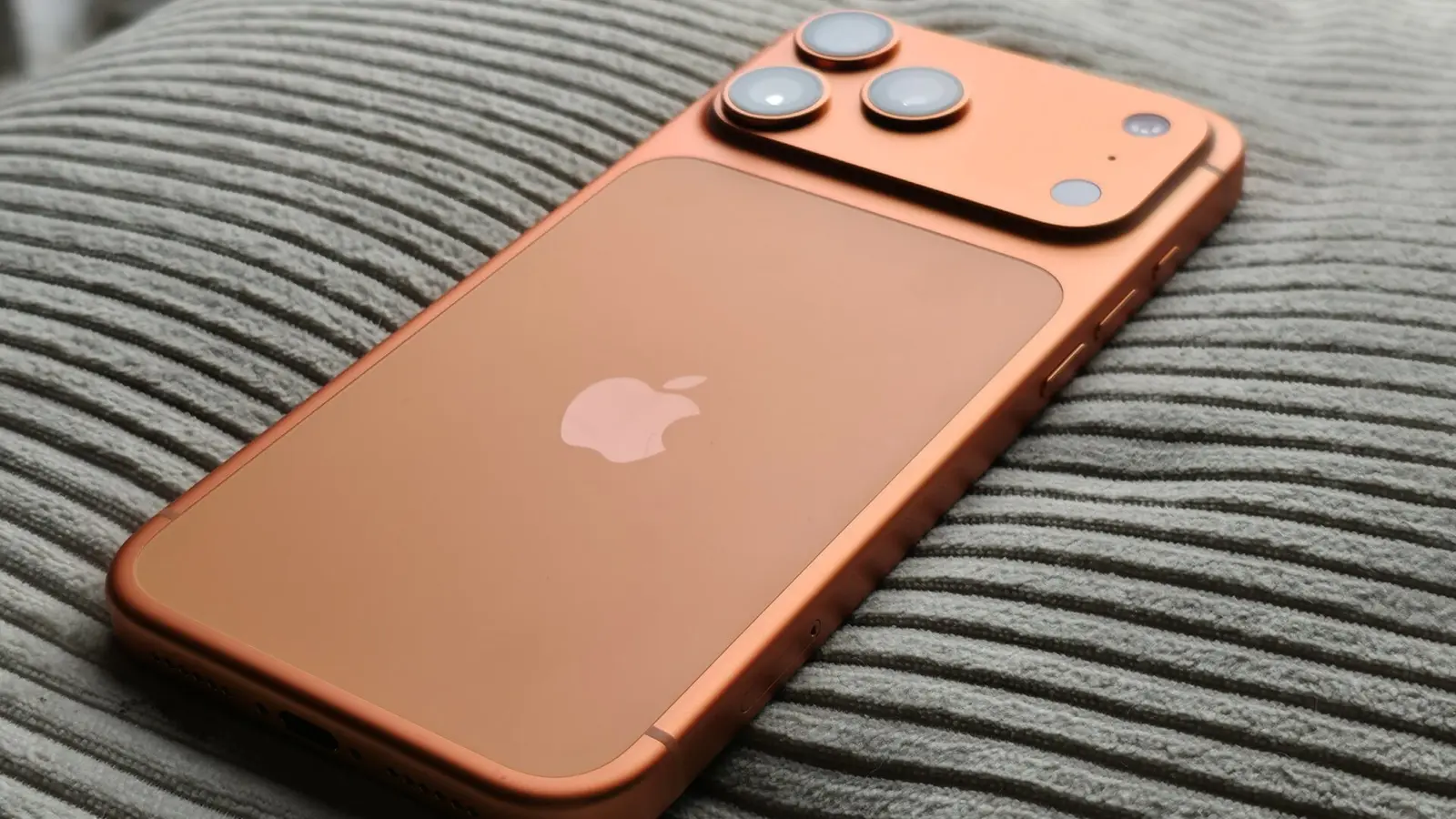
Walk into a dim café at dusk and you can already picture it: iPhone photographers angling for that perfect, shallow-depth shot, confident their phone will pull off something that used to need a mirrorless camera and a pricey lens. That confidence might get a hardware boost this fall.
When size becomes a feature
Leaked dummies and supply chain chatter point to one obvious change on the iPhone 18 Pro and Pro Max: a noticeably larger camera plateau. Think of it as more than cosmetic bravado. The island looks to gain roughly 2 millimeters in total thickness, with the full assembly growing from about 12.92 millimeters to near 13.77 millimeters. Why? To make room for two big shifts: a larger 48MP 1/1.12-inch main sensor and a mechanical variable aperture on the main lens.
That variable aperture is the headline. Current Pro models use a fixed f/1.78 opening. A lens that can close down or open wider gives photographers real, physical control. Close down in bright light and you get crisper detail and tighter depth of field. Open up in low light and the optics gather more photons without asking the software to work overtime.

Supply chain analyst Ming-Chi Kuo has signaled this is not a cheap tweak. The new aperture module may cost Apple roughly 50 percent more than the present lens assembly, and production is reportedly already underway. Tipsters such as Fixed Focus Digital and Digital Chat Station have surfaced mockups that back up those claims, and the consistency across sources makes the change feel tangible, not theoretical.
Hardware first, then software. Apple is rarely satisfied with raw specs alone. A bigger sensor plus a moving aperture expands what computational photography can do rather than replaces it. Imagine improved natural bokeh, more accurate tone rolloff in highlights, and cleaner low-light base frames to feed into Apple’s algorithms. That combination could close gaps with some top Android flagships that have chased sensor size and mechanical tricks for years.
The payoff could be creative control that feels almost DSLR-like in certain scenarios. Want a portrait with more separation from the background? The camera could choose a tighter aperture. Shooting under streetlights? It can open wide and let light flood in first, then let software finish the polish.
But nothing is free. Adding moving parts on top of a larger, physically thicker sensor complicates lens design. iPhones have sometimes struggled with close-focus performance on the main camera. Introducing a mechanical aperture changes focus mechanics, optical stack tolerances, and image stabilization trade-offs. How Apple balances those engineering headaches will determine whether the bump is a leap forward or a neat but flawed novelty.
- Potential gains: richer low-light capture, better native depth control, more nuanced bokeh
- Possible downsides: increased complexity, heavier modules, tighter tolerances for close focusing
With launch season approaching in a few months, dummy units and parts are circulating widely enough that design and core specs look locked. That does not mean surprise features are impossible, but it does make the camera story feel real: a deliberate move to marry stronger hardware with the software that made iPhones household photography tools.
If the leaks hold true, this could be one of Apple’s most tangible camera upgrades in years. The rest is on Apple to make those extra millimeters matter in everyday use, not just on spec sheets. Will the new aperture give photographers something they can feel and see, or will it mainly be a bragging point for reviewers? Expect to find out when the phones arrive later this year.

“I love exploring gadgets, apps, and trends that redefine how we connect, work, and play in a digital world.”

Discussion
Leave a Comment
Comments (2)
Nice on paper, but 2mm thicker? feels like reviewers will gush while real users dont notice. hope it actually improves night shots.
So they're adding a moving aperture and bigger sensor? Sounds promising but is this real or just leak hype... if that's true close-focus could still suck tho