
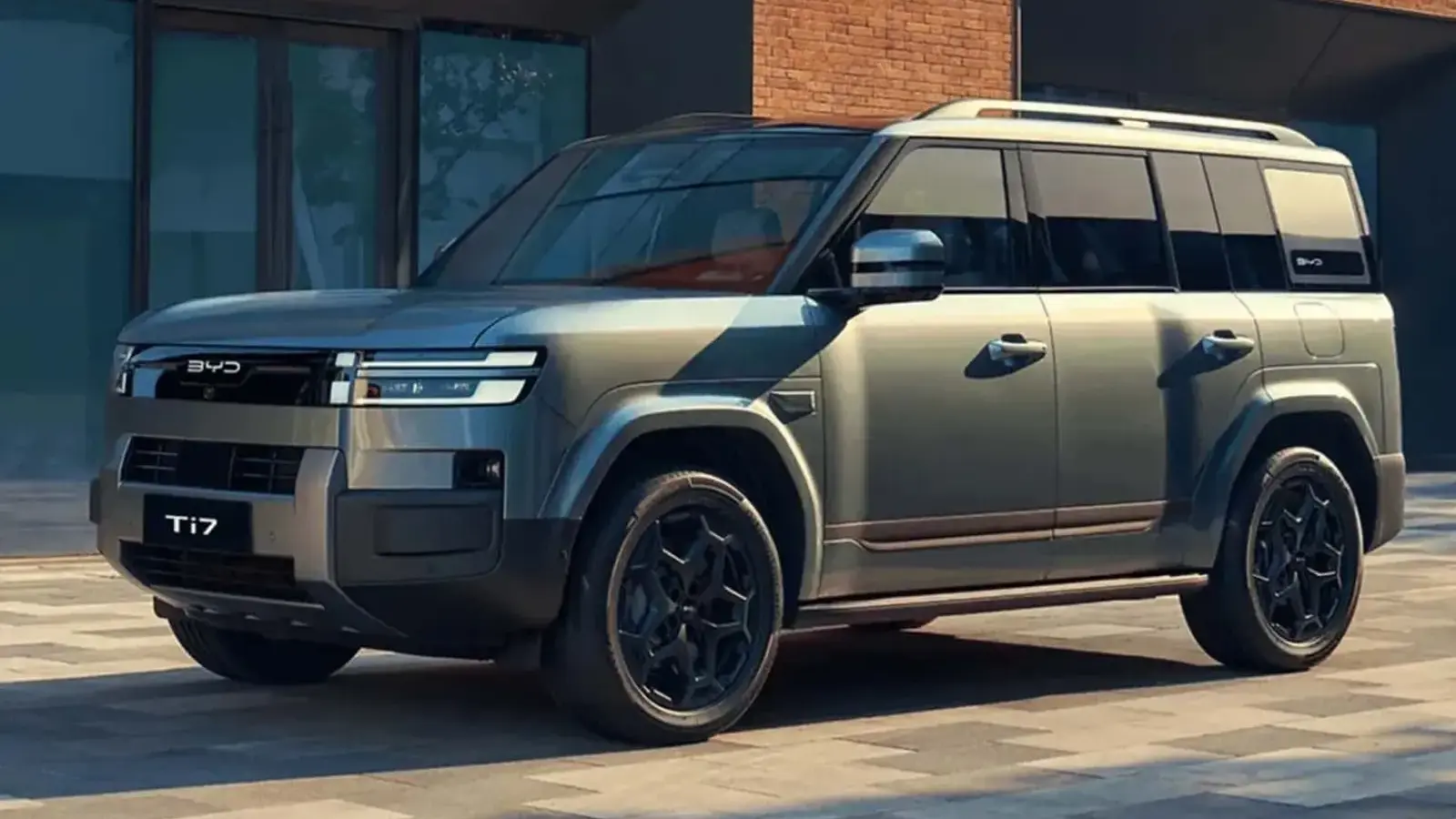
Jaguar Land Rover has taken legal action against Chinese manufacturer BYD, accusing the company of reverse engineering the Land Rover Defender to develop the boxy Ti7 plug-in hybrid. According to The Guardian, JLR alleges BYD dismantled a Defender to study components and copy technologies used in the Ti7.
Court action, evidence seizure and procedural dispute
Court officers in the Netherlands, acting on a judge's order, visited BYD offices in Schiedam and Hoofddorp and seized digital records that JLR says are relevant to its claim. JLR says the step was intended to prevent potential wiping or destruction of technical documents. BYD's lawyers objected to the volume of data seized and described the action as a pretext, while JLR's legal team accused BYD of obstructing the process. A JLR spokesperson declined to comment on ongoing legal proceedings.
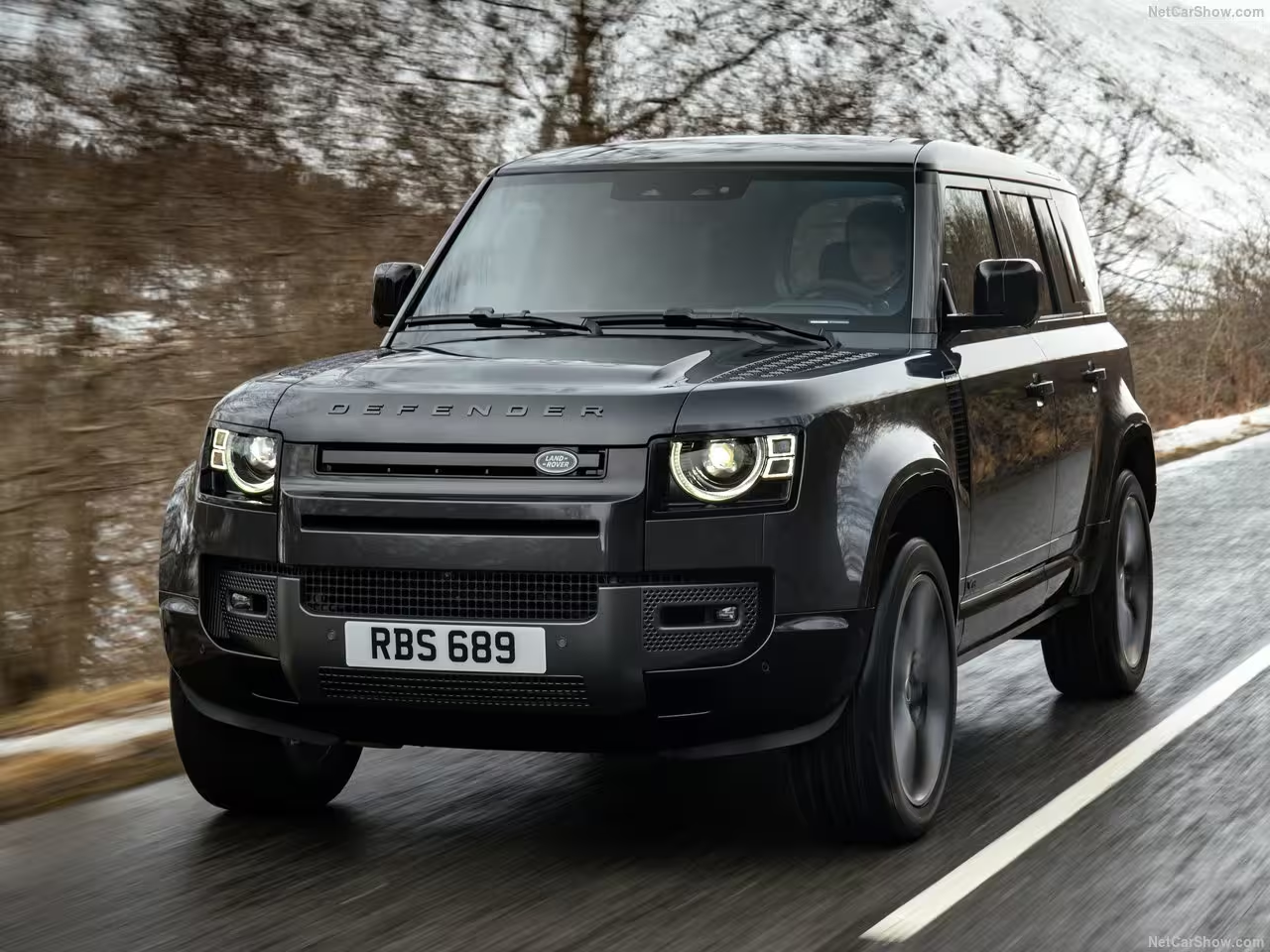
The Hague court is scheduled to issue an initial ruling on Wednesday about whether it has jurisdiction to hear JLR's intellectual property infringement claim. The vehicle at the center of the dispute is identified in filings as the Fengchengbao Ti7, a boxy SUV that JLR says resembles the British off-roader. The Ti7 has been sold in China since 2025.
JLR's complaint specifically alleges that BYD disassembled a Defender and used reverse engineering to transfer technology into the Ti7. Reverse engineering in this context refers to taking a finished vehicle apart to examine its components and design with a view to reproducing or adapting the underlying technology.

BYD plans to introduce a plug-in hybrid version of the Ti7 to the United Kingdom market in December with a stated base price of £47,995. By comparison, JLR's seven-seat Defender 110 carries a listed base price of £68,465, a gap of more than £20,000 that JLR says increases concern about potential market impact on its flagship model.

“Cars are evolving faster than ever. I cover electric vehicles, smart mobility, and the future of transportation worldwide.”

Discussion
Leave a Comment
Comments
No comments yet. Be the first.