
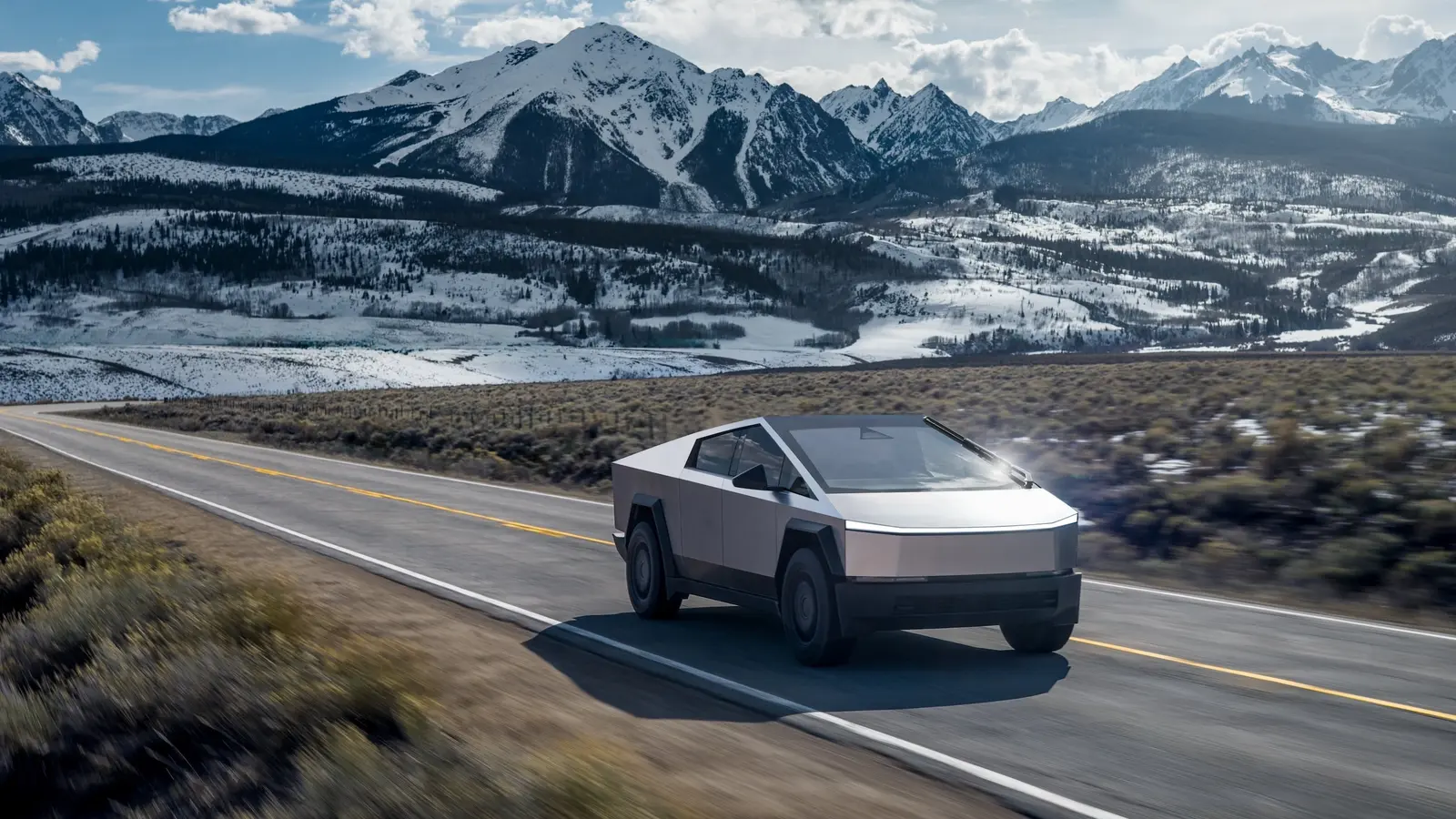
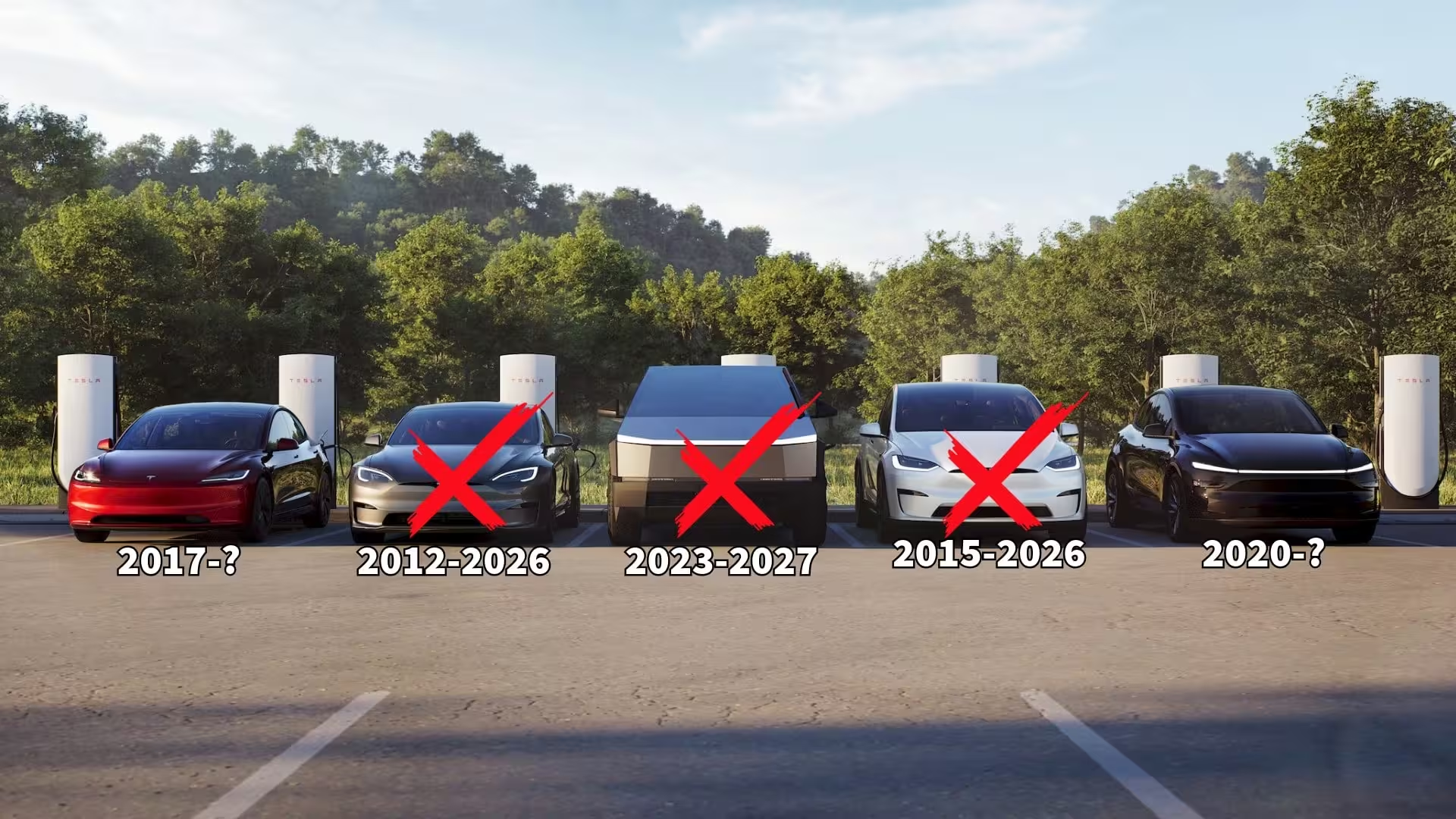
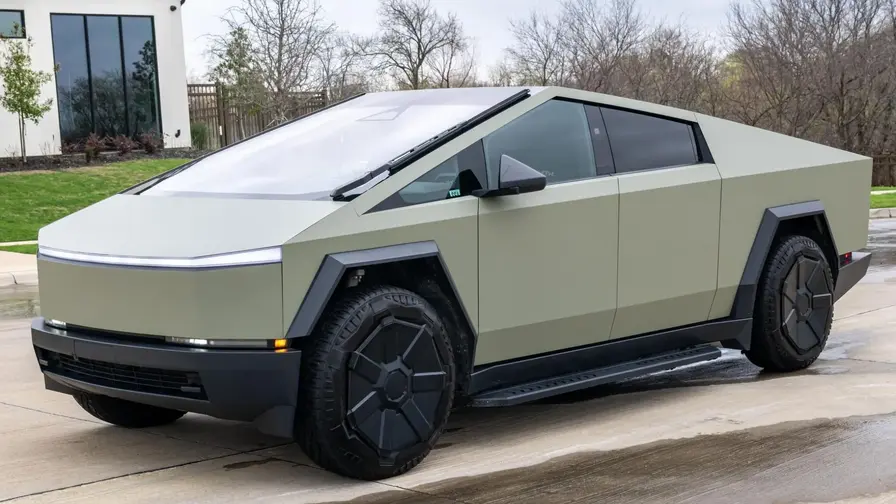
Tesla has confirmed it will discontinue the Model S, Model X and the Cybertruck, leaving no new mass-market models in its production pipeline.
Elon Musk announced in January, during Tesla's Q4 2025 earnings call, that the Model S and Model X would be retired, and the company has since confirmed the Cybertruck will not proceed to full-volume production. Tesla notified reservation holders in Australia and New Zealand in October that the right-hand-drive Cybertruck variant was canceled, a step that preceded the broader discontinuation.
Strategic shift and the pipeline
Tesla's retreat from multiple nameplates follows a longer strategic pivot toward artificial intelligence, robotics and autonomous-vehicle programs that the company and its CEO have increasingly emphasized. The Gen-3 compact project, codenamed Project Redwood, was effectively shelved after Tesla moved planned production from Mexico to Texas in December 2023; the company instead introduced lower-cost variants of the existing Model 3 and Model Y to hit more affordable price points.
The company's pivot is tied to a series of corporate moves: the article notes that in February SpaceX provided financial support to xAI, and that staffing and budget cuts at Tesla accelerated after sales softened from 2022 peaks. Tesla executives including Drew Baglino and Martin Viecha left in that period, and some managers who resisted deep cuts were dismissed, the reporting says.
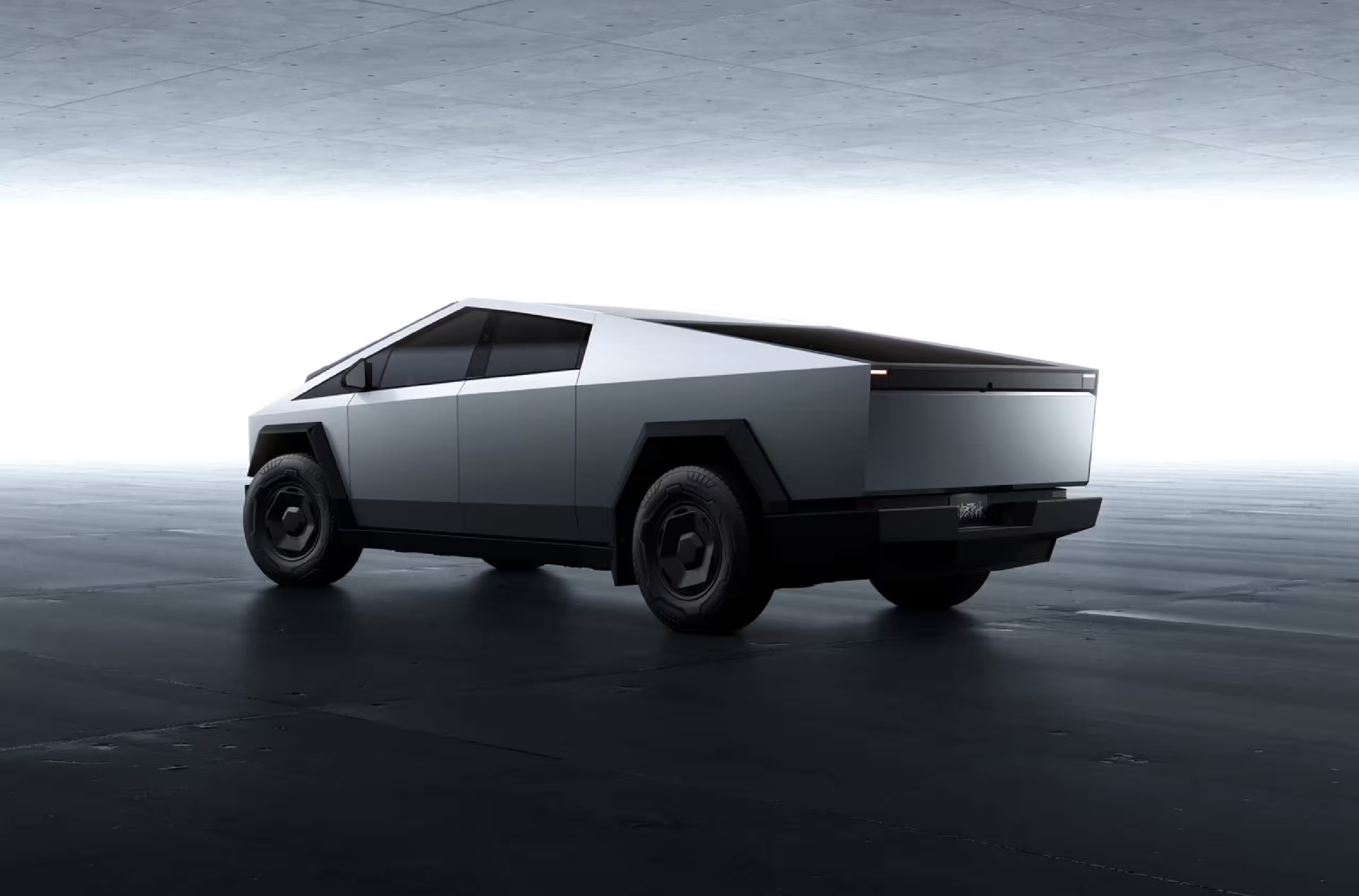
Lower-priced Model 3 and Model Y variants helped revive deliveries in 2026 as fuel prices climbed, but the market for higher-priced $80k vehicles weakened. The Model S, Model X and Cybertruck had been grouped in Tesla's "Other Vehicles" category and that segment contracted quarter by quarter, prompting the company to stop production of the S and X in the second quarter of 2026.
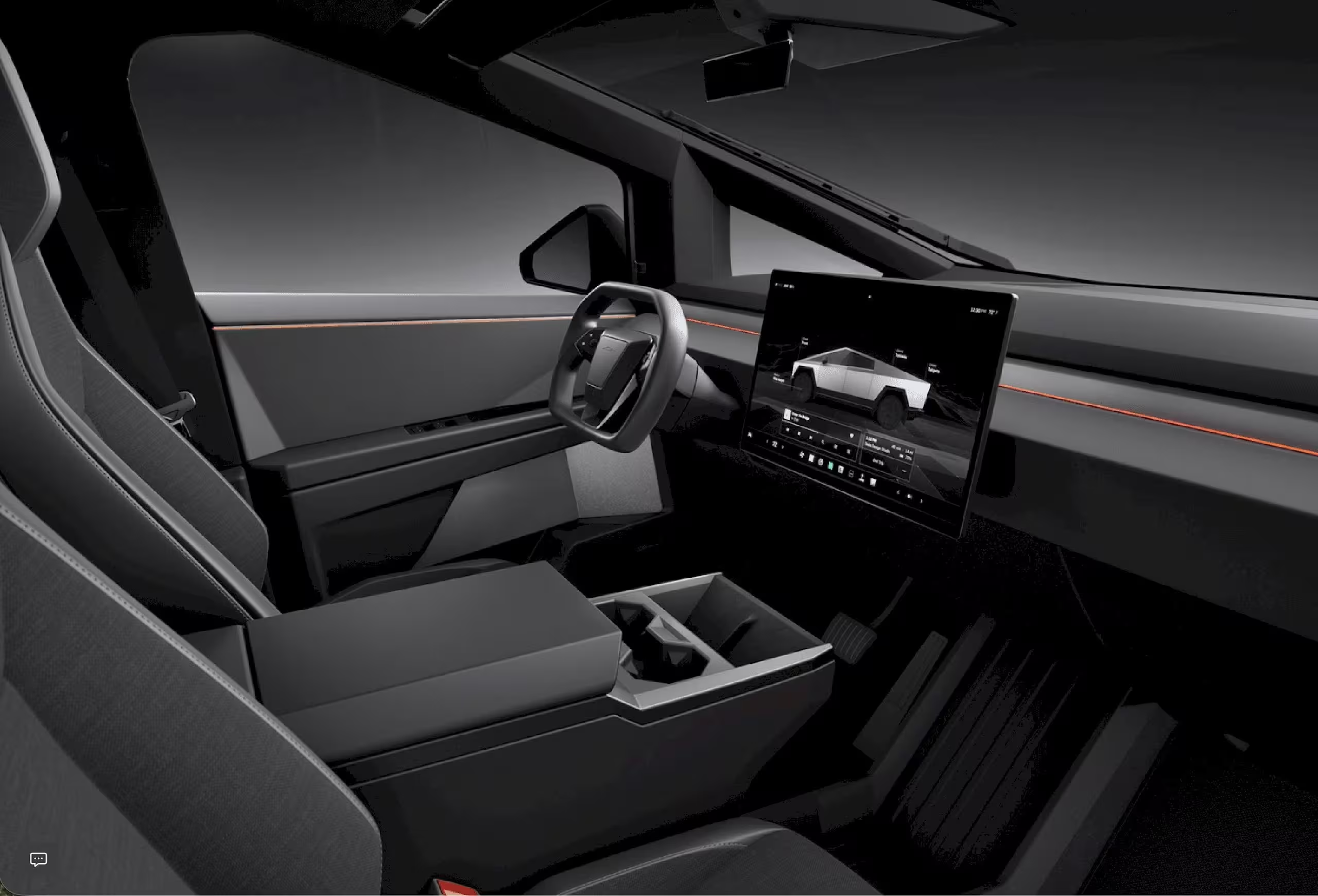
The Cybertruck in particular was a costly engineering showcase, incorporating an 800-volt electrical architecture, a 48-volt low-voltage system and steer-by-wire elements. The decision to cancel it therefore removes several technologies Tesla had been developing in production-intent hardware.
Tesla's renewed focus on driverless vehicles and the Optimus humanoid program is central to how the company frames its future. Company messaging that Tesla is "not a carmaker" and is instead an AI-and-robotics company has become more prominent as vehicle investment has been reduced, the piece reports, and critics say Tesla's execution in robots and full autonomy remains unproven.
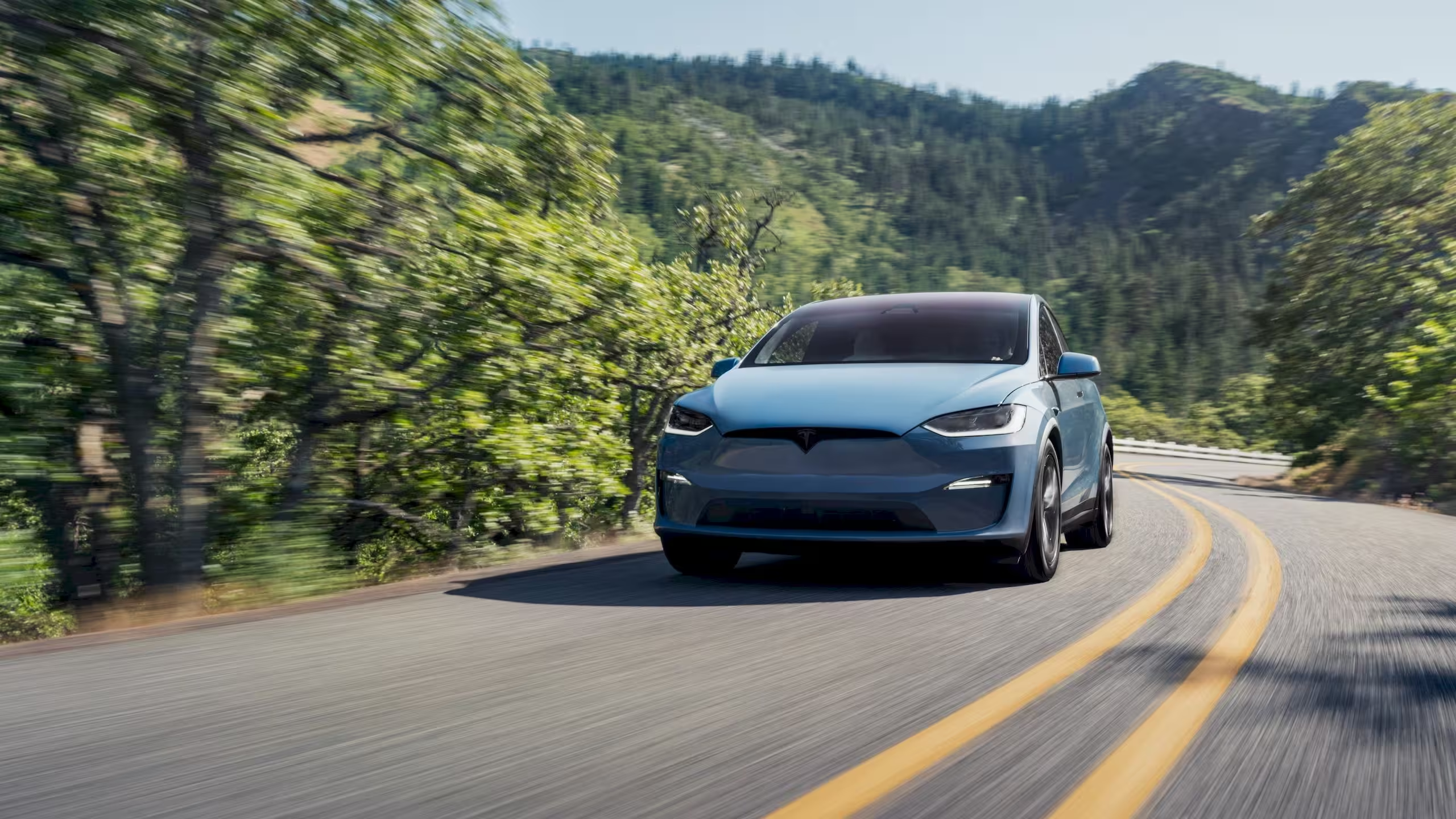
Observers and the article's author contend that killing several loss-making models is a routine commercial decision, but the more consequential issue is the lack of a clear replacement lineup. Apart from the Roadster—seen by the author as more of a headline project than a mass-market model—Tesla currently has no confirmed new vehicle platform entering mass production.
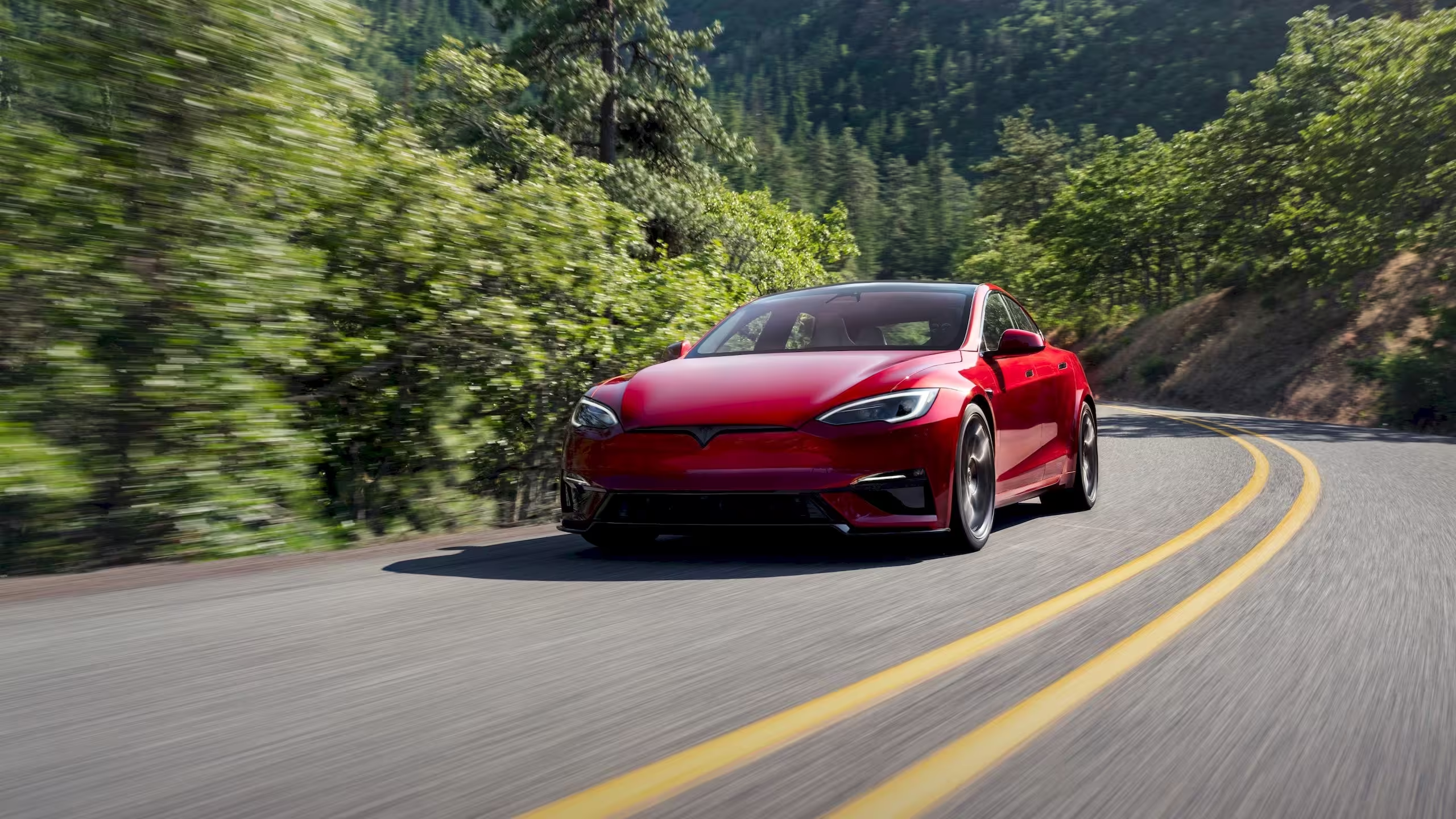
That absence raises questions about the longevity of the Model 3 and Model Y, both based on a platform introduced roughly a decade ago. The article argues Tesla could decide not to develop a successor if it judges the investment unjustified, and it suggests Tesla may be positioned to be folded into or acquired by SpaceX at a later date, a claim attributed to commentators rather than confirmed company plans.
Tesla has already taken steps that the article cites as evidence of asset reallocation, including outsourcing portions of Supercharger network expansion. A further corporate announcement tied to these strategic moves is expected next month at Tesla's annual shareholder meeting, the reporting says.

“Cars are evolving faster than ever. I cover electric vehicles, smart mobility, and the future of transportation worldwide.”

Discussion
Leave a Comment
Comments
No comments yet. Be the first.