
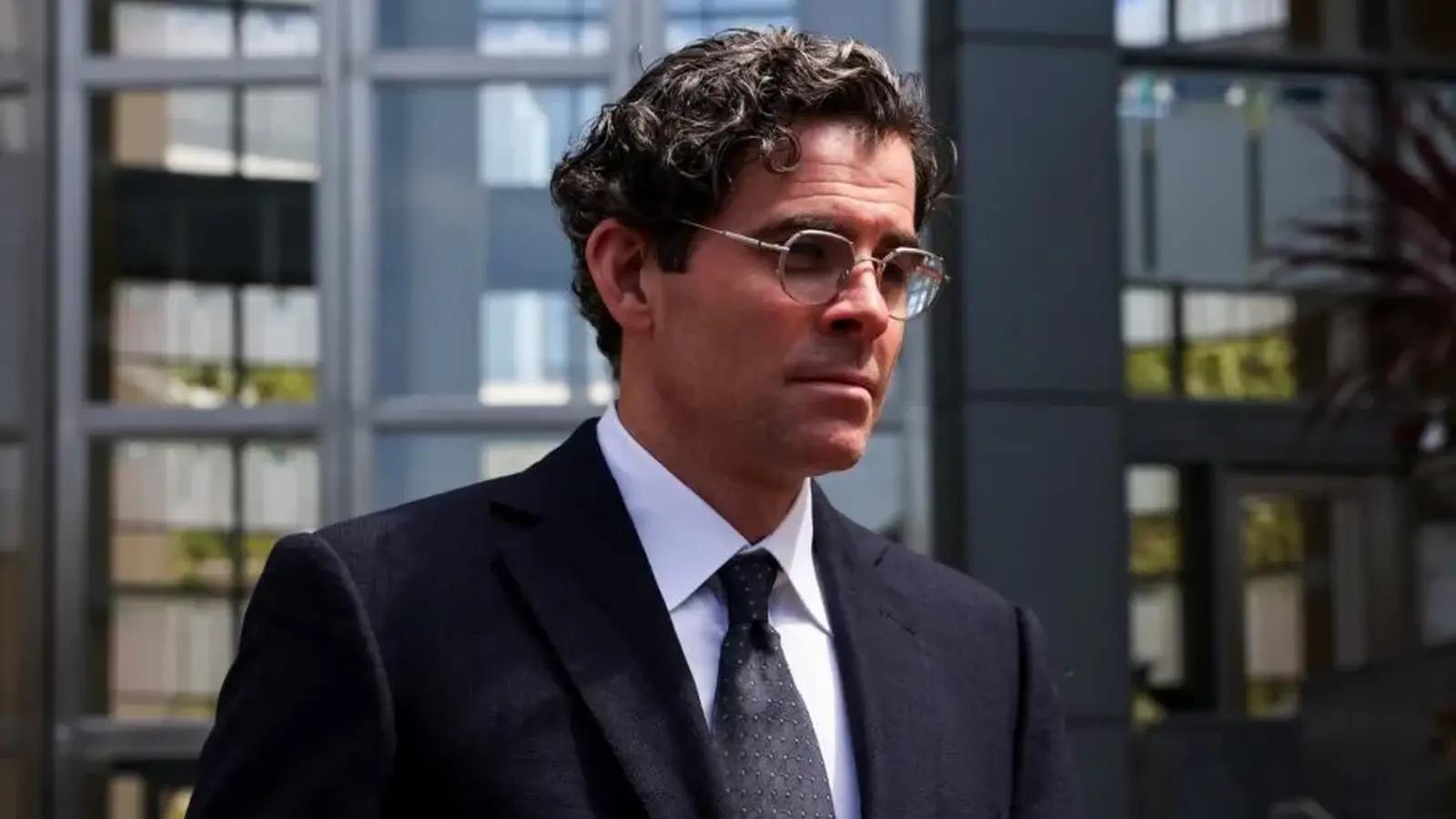
Camera lenses, sharp questions, and a lawyer’s slow build toward a single accusation: did Instagram bury evidence that its product harms teenagers? Adam Mosseri, Instagram’s head since 2018, climbed the witness stand in Oakland and answered plainly — he said no.
The lawsuit, brought by 29 U.S. states, accuses Meta of designing Instagram and Facebook in ways that amplify young people’s time on the apps and expose them to harmful content. Mosseri is the highest-ranking Meta executive to testify so far. The courtroom has been parsing feature decisions, internal slides, and the language product teams used when talking about teen safety.
When a feature becomes the question
Take a Break was supposed to be a simple nudge: encourage teens to step away after a stretch of scrolling. But the feature’s real story has become a focal point. Prosecutors asked Mosseri about how many teens actually signed up for Take a Break and whether the company glossed over poor uptake.
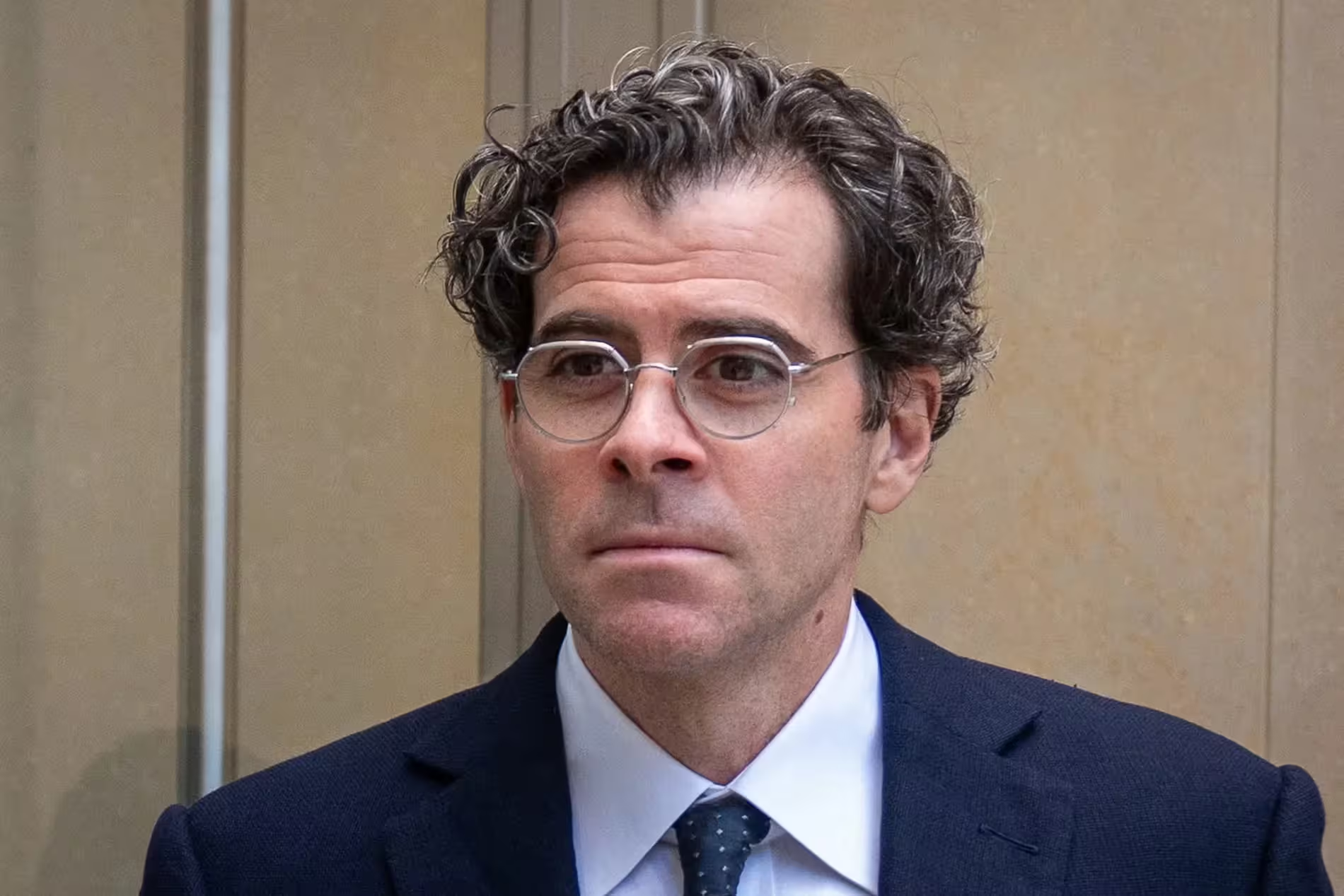
Mosseri acknowledged that registration for Take a Break was low — only about 1.8 percent of teens had registered, a figure he hadn’t publicized at the feature’s public launch. He told the court that Instagram doesn’t publish every metric and that he had discussed low enrollment before, though he wasn’t certain whether that exact percentage had been announced publicly.
Before the company flipped the default to enable Take a Break for teens in September 2024, usage sat in the low single digits, Mosseri said. He also noted an early testing result: a December 2021 post claimed more than 90 percent of teens who turned the feature on kept it enabled — a different angle on engagement that Meta referenced internally.
Why keep building a feature few teens opted into? Mosseri’s reply was short and human: most teens didn’t want it, he said, but the company chose to keep improving the tool anyway.
Another line of questioning zeroed in on whether Meta had internal policies that filtered or removed embarrassing findings from presentations. Did lawyers or executives edit slide decks to protect the company or its leaders? Mosseri denied knowledge of such a policy and said he never encouraged his team to hide information.
That denial matters. It was the center of the prosecutors’ portrait: a company that allegedly shaped the narrative around its products. Mosseri pushed back. He said he sought to understand product behavior and could not recall asking staff to withhold data from him.
The slide that raised eyebrows
Before Mosseri’s testimony, Francesco Fugo, Instagram’s head of product design, testified about a 2023 presentation his team prepared for company leaders. Prosecutors pointed to a removed data point: a slide that once showed teens encountered roughly 1.5 times more content tied to bullying, self-harm, hate, nudity, and violence than adults did.

Fugo told the court that the figure appeared elsewhere in the deck and agreed that the team knew fewer people would use Take a Break if it wasn’t enabled by default. That admission fed the case’s broader claim: product defaults and design choices alter how users — especially young ones — engage with the platform.
The trial will continue with more witnesses and more close readings of internal research. It could stretch roughly six weeks. Jurors will ultimately give an advisory opinion, but a judge will decide Meta’s legal responsibility, any fines, and whether Instagram and Facebook must change how they operate.
For now, the image remains unresolved: a company deciding what to show the public, a product executive insisting on transparency, and a jury watching every slide.


“I love exploring gadgets, apps, and trends that redefine how we connect, work, and play in a digital world.”

Discussion
Leave a Comment
Comments
No comments yet. Be the first.