
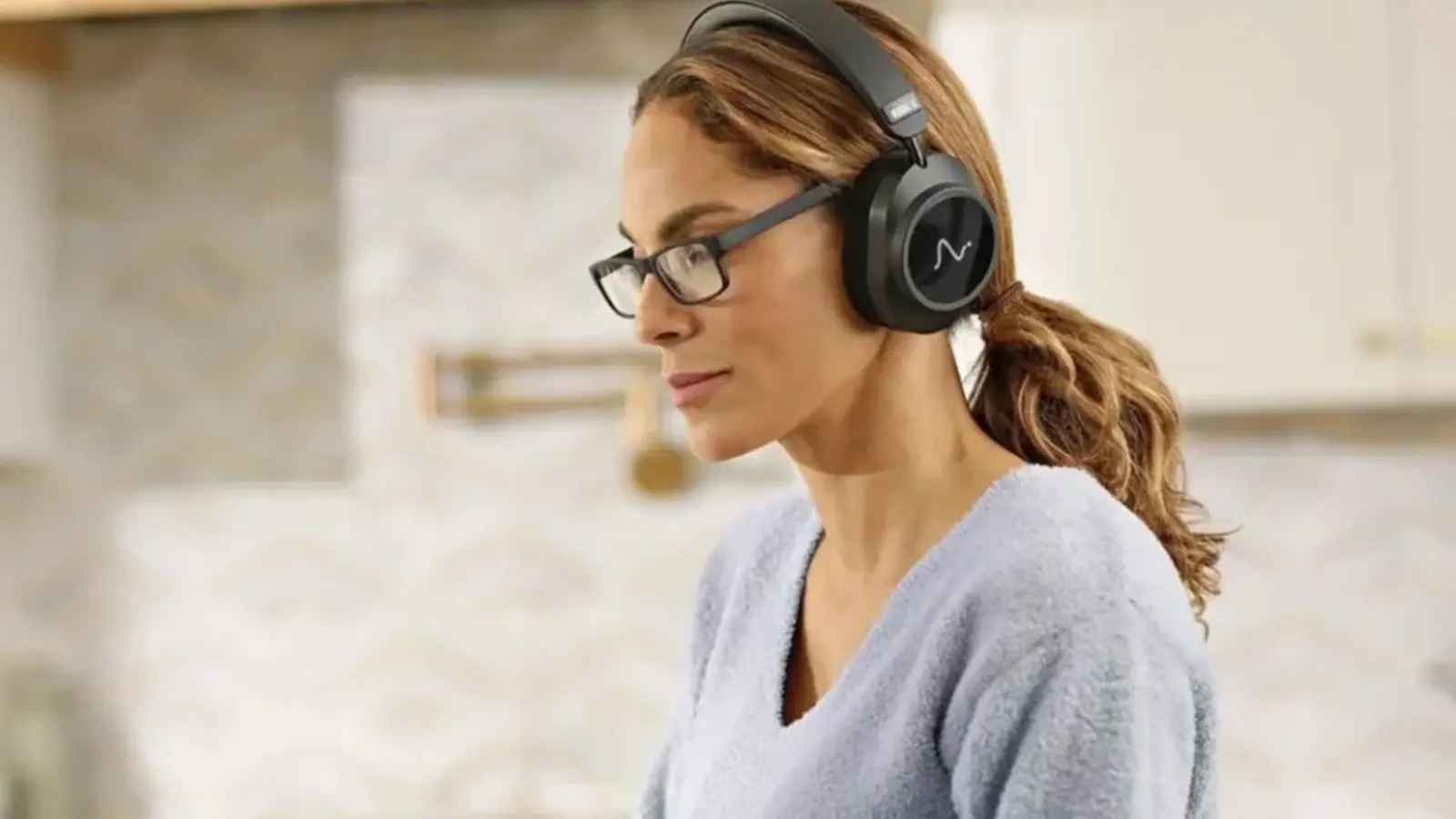
Neurable has introduced the Neurable One, its first wireless headphone that reads brain activity and the first it says it built without third-party partners. The $499 headset is available for pre-order and relies on the company's EEG technology similar to earlier Neurable models, while marking a break from its previous hardware partnership with Master & Dynamic.
Neurable says the Neurable One uses EEG to monitor brain activity and deliver metrics such as focus, anxiety and new indices intended to flag approaching mental fatigue.
How the headset measures the brain
The Neurable One uses electroencephalography, or EEG, to monitor electrical signals produced by the brain. Neurable reports that the device will surface measures such as concentration and anxiety, and it has added two new indices. One is called capacity, which the company describes as an evaluation of how long you can maintain focus before experiencing mental exhaustion. The other is alpha peak frequency, which Neurable describes as "heart rate variability for your brain"; this refers to the dominant frequency within the brain's alpha rhythm and is offered as an indicator of underlying neural state.
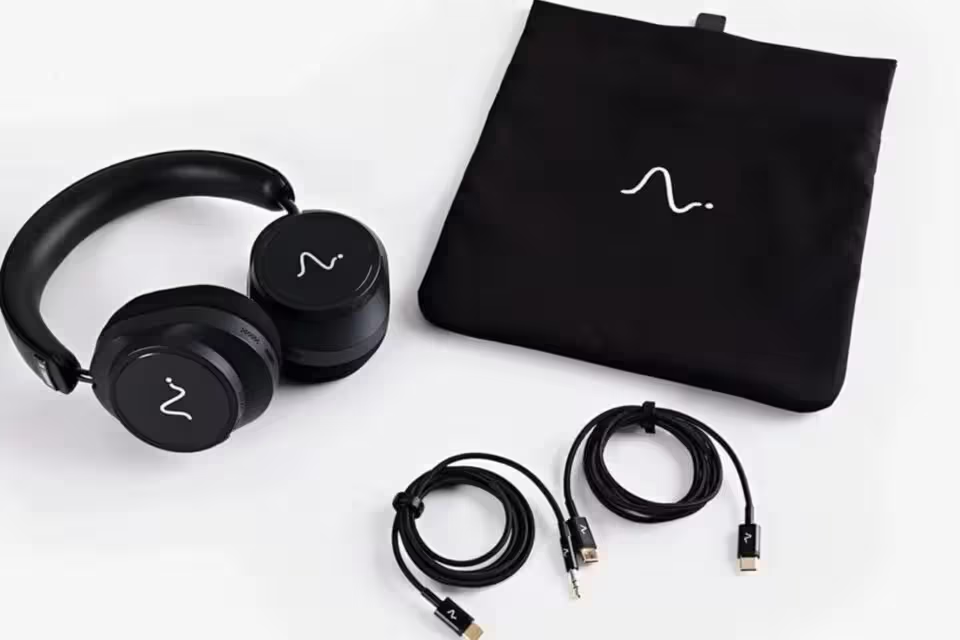
The company also says Neurable One can collect data over longer timeframes. Rather than limiting recording to discrete sessions, the headset can passively gather EEG while you are simply wearing the wireless headphones, producing a longer-term view of brain activity.
Audio features, battery and known limits
As an audio device the Neurable One includes 40 millimeter drivers and active noise cancellation. Neurable specifies a 22 hour battery life per charge in normal audio use, but notes that running the EEG functionality reduces that runtime to about 12 hours.
Neurable and outside observers note limits to consumer EEG. The company’s claims are explicit but not definitive: EEG signals are subject to interference and tend to be clearer when electrodes have direct contact with the scalp, so hair can degrade signal quality. Given the current state of home EEG technology, long-term recording may be useful for trends, while moment-to-moment readings may not always be fully reliable.

“I cover emerging technologies, digital innovation, and the intersection of tech and everyday life. My goal is to make complex trends accessible and inspiring.”

Discussion
Leave a Comment
Comments
No comments yet. Be the first.