
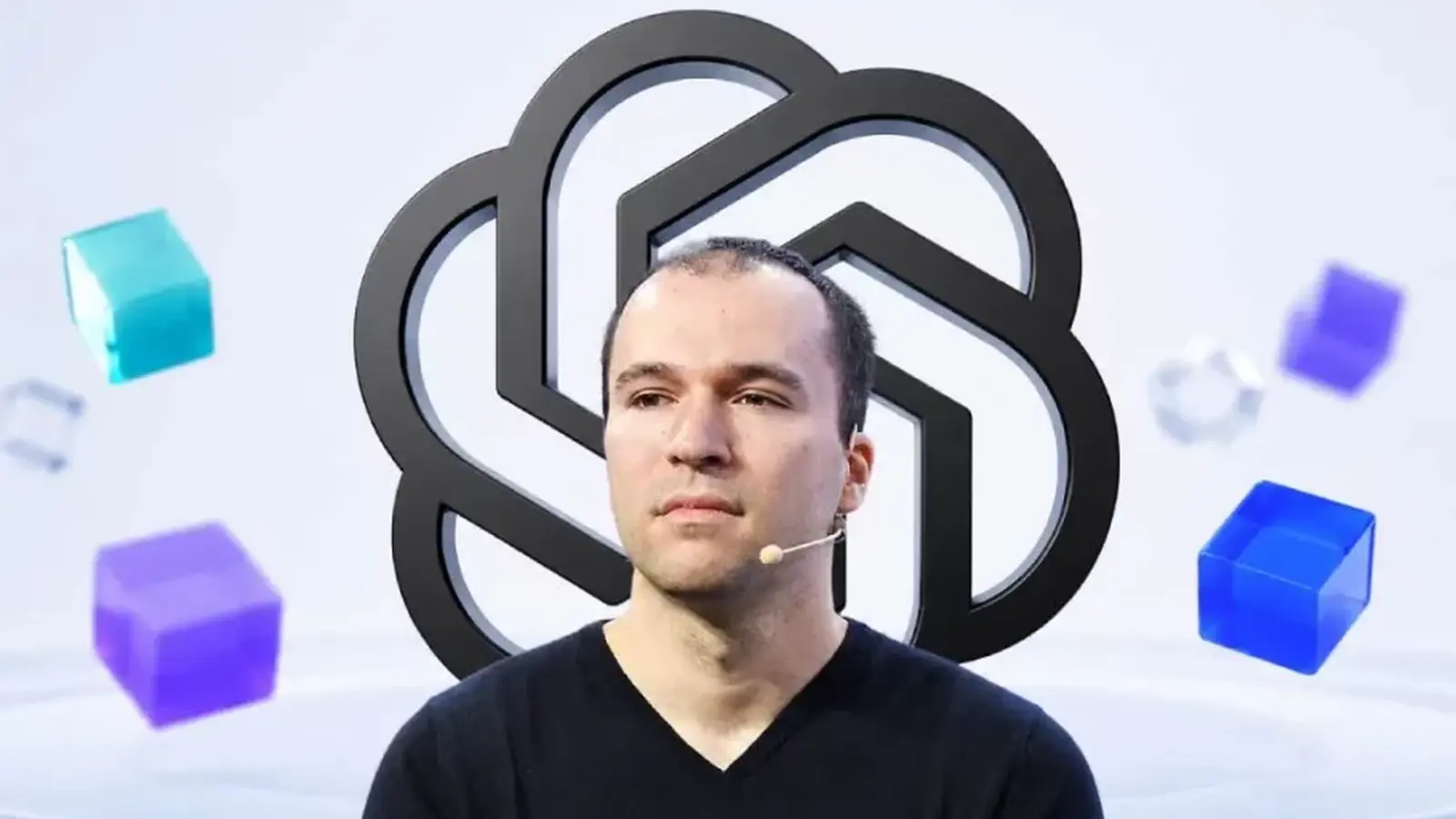
Open the ChatGPT desktop app and you might feel like someone rearranged the furniture while you were out. Conversations moved. Tabs shifted. The place you once relied on to pick up a thread now hides behind a new layer of features.
Greg Brockman, OpenAI's president, did not duck that impression. In a candid on-camera conversation with Joanna Stern on the New Things YouTube channel, he leaned into the friction: the recent ChatGPT desktop redesign, the new Voice feature, OpenAI's hardware ambitions, a lawsuit with Apple, and the recent Hugging Face breach all came up. But the pileup of interface changes topped the list.
Inside the messy rollout
For months, OpenAI has been pushing the idea of a unified experience: one app that handles casual chats, code tasks, and AI agents. To get there, the company merged the ChatGPT and Codex desktop apps and introduced a Work mode powered by AI agents. The intent was bold. The result? Confusion. Users who only wanted simple chats found their histories harder to locate. People who liked the old, familiar layout complained. The update felt less like a polished release and more like a work-in-progress.
Responding to that user outcry, OpenAI patched the interface. They added separate Work and Chat tabs across the top and a dropdown in the sidebar to switch between ChatGPT and Codex. Helpful, yes. Elegant, not always. Some users still report a cluttered experience. Brockman agreed with Stern’s description that the new layout was "a little messy." He framed that mess as a predictable step in a larger evolution: a staged rollout intended to gather feedback and refine features before folding them in cleanly.

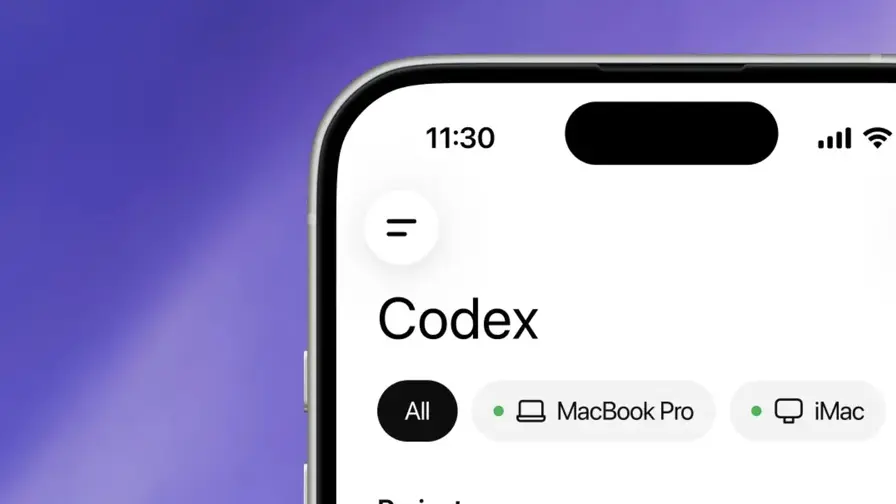
He was specific about timing. Expect the Work tab to disappear. By the end of the year, Brockman said, the capabilities behind Work should be embedded directly into ChatGPT so the separate tab is no longer needed. The path is to build, test, listen, and then integrate. It is a deliberate approach, though not always one that spares users from short-term headaches.
There has been a payoff amid the chaos. Integrating Codex into the ChatGPT app coincided with a rapid spike in usage: Codex sign-ups jumped from five million to ten million in a matter of days. Brockman suggested that bundling features into a single application helped drive those numbers. Was it a growth hack or a natural crossover of user needs? He implied it was both—a strategic move to expose more people to agent-driven workflows and to scale AI tools beyond early adopters.
So what does this mean for everyday users and for developers watching closely? Quick answer: patience and adjustments. OpenAI is trying to transition from a suite of discrete tools into a single, versatile platform. That transition invites friction. It also accelerates discovery: more people can now stumble into Codex, try agents, and imagine new workflows.
There’s a trade-off at play. Ship quickly, gather real feedback, then iterate. That’s the philosophy Brockman described. It works when teams listen. It fails when updates create persistent friction. The coming months will tell whether removing the Work tab and smoothing the UI will turn a rough rollout into a coherent product experience.
Beyond interface debates, Brockman’s interview sketched a broader picture: OpenAI is betting that agent-style features and wider access to coding capabilities will be central to the platform’s next chapter. Whether users remember the temporary clutter or only the improved, integrated app that follows depends on how fast OpenAI can turn lessons into cleaner design.
In short: the super app is ambitious. It is messy for now. Give it time—or pressure the company to fix what feels broken. Either way, the experiment is visible, loud, and instructive for anyone watching how fast AI tools are being reimagined for everyday use.


“I cover emerging technologies, digital innovation, and the intersection of tech and everyday life. My goal is to make complex trends accessible and inspiring.”

Discussion
Leave a Comment
Comments (2)
Is this even tested? feels like a growth hack to boost Codex signups. If they don't clean up UI, ppl will bail.
wow, it really feels like they moved my chats around. cool features, messy rollout though.. hope they tidy up soon